REVIEW · NAIROBI
Maasai Mara Safari!!
Book on Viator →Operated by Epic Views Tours & Travel · Bookable on Viator
Three days in the Mara feels unreal. You start with a scenic run through the Great Rift Valley, then spend two days chasing predators across the plains, with the option to add a Maasai village visit. It’s the kind of trip where the timing, the guide, and the drives all matter.
I especially loved two things: Tony’s hard-earned spotting instincts and how he makes each sighting click into context, and the way the days are built around long, real game viewing time. On day two you also get a full-day rhythm with picnic lunch breaks in the reserve, so you’re not constantly shuffling on and off the road.
One consideration: this is a weather-dependent safari. If conditions are poor, the experience can be moved or refunded, so pack for dust and sun and stay flexible.
In This Review
- Key Highlights You’ll Care About
- The Great Rift Valley Drive: Where Your Safari Begins
- Afternoon Game Drive at 4:30pm: Catching the Mara in Motion
- Day Two Full-Day Game Drive: Predator Search Mode
- Overnight Lodges and How to Keep Your Energy High
- Optional Maasai Village Visit on Day Three
- Price and Value: Does $543.59 Make Sense Here?
- Tony as Your Guide: Why This Experience Feels Personal
- What Big Five Chances Really Mean in Practice
- Getting the Most From Your Time on Safari Roads
- Who This 3-Day Maasai Mara Safari Fits Best
- Should You Book This Maasai Mara Safari?
- FAQ
- How long is the Maasai Mara safari?
- Where does the tour start, and when?
- Is this a private tour?
- Do you get pickup and transportation back?
- What wildlife does the tour focus on?
- How much game viewing time do you get?
- Is lunch or food included?
- Is a Maasai village visit included?
- What time does day three start if you return to Nairobi?
- What is the cancellation policy?
Key Highlights You’ll Care About
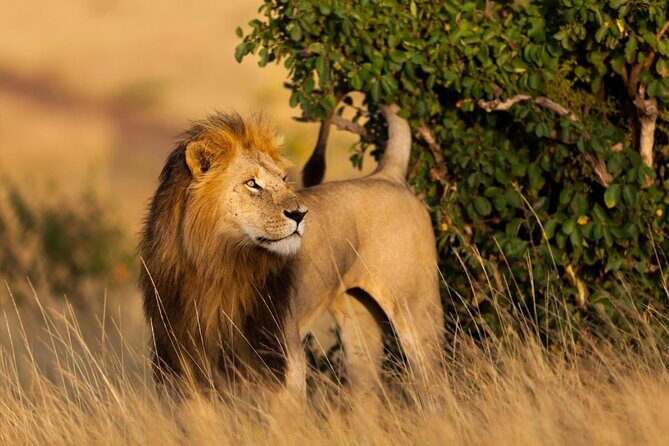
- Big Five focus during multiple game drives in the Maasai Mara National Reserve
- Two major safari days: an afternoon drive plus a full-day drive with time to search for predators
- Optional Maasai village visit to see Maasai culture firsthand, including the note that many traditions have been preserved
- Private, group-only safari so the pace stays under your control
- Pickup from Hilton Nairobi Mama Ngina and return back to the same meeting point
- Tony’s driving and animal explanations, praised again and again for making the day smooth and engaging
The Great Rift Valley Drive: Where Your Safari Begins
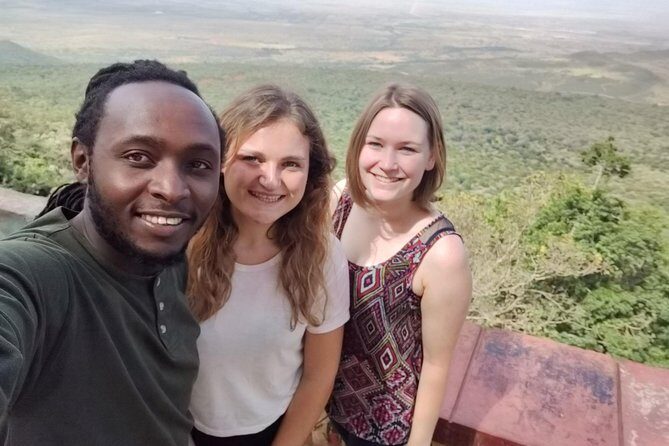
Your safari really starts before you even reach the reserve. After breakfast, you head out from Nairobi toward Maasai Mara through the Rift Valley Province, passing by Narok and along some very dramatic terrain. It’s one of those drives that sets your expectations: this isn’t just a destination, it’s a whole system of hills, plains, and changing scenery.
If you like travel that has a story, you’ll enjoy the way this day is paced. You’re not thrown straight into a rushed check-in. Instead, you travel, arrive in time for lunch, and then ease into the first round of wildlife viewing.
The practical upside is simple: by the time you step into the reserve area, you’re already settled. The less-stressed start helps a lot when the next part is a long day on safari roads.
A few more Nairobi tours and experiences worth a look
Afternoon Game Drive at 4:30pm: Catching the Mara in Motion
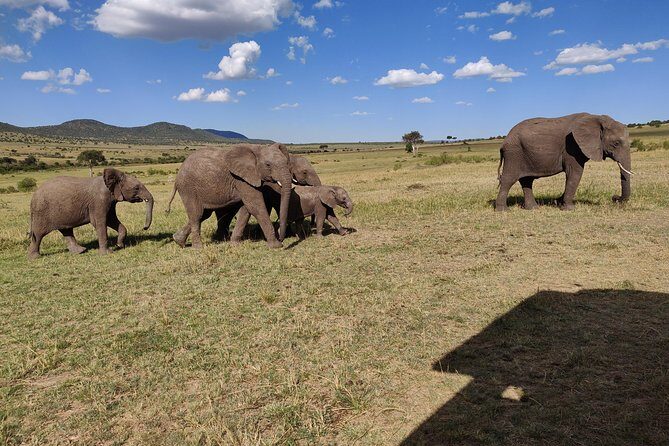
On day one, your afternoon game drive starts at 4:30pm, which is a smart time window in the Mara. You get daylight for wildlife searching without spending the entire day in the car from the moment you arrive. You also have a real chance to watch animals in their active evening patterns across the grasslands.
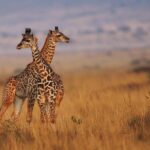
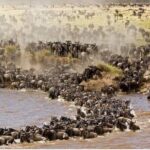
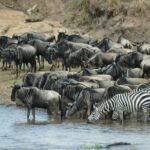
This drive is about being in the right place at the right time. You’ll pass through savannah with resident wildebeests and zebras moving across the grasslands, and there’s a decent chance of seeing other plains animals like giraffe, eland, buffalo, topi, and Thomson’s gazelle.
Here’s what I think makes this first drive valuable: it works like a warm-up. Even if you don’t see a predator right away, you’ll learn the rhythm of the reserve. You get used to scanning open areas, tracking movement near acacia trees, and noticing how herds can shift because something is nearby.
And since your guide is part of the experience, that helps. The best safari days aren’t just about luck. They’re about having someone who can explain what you’re seeing while also repositioning the vehicle as the scene changes.
Day Two Full-Day Game Drive: Predator Search Mode
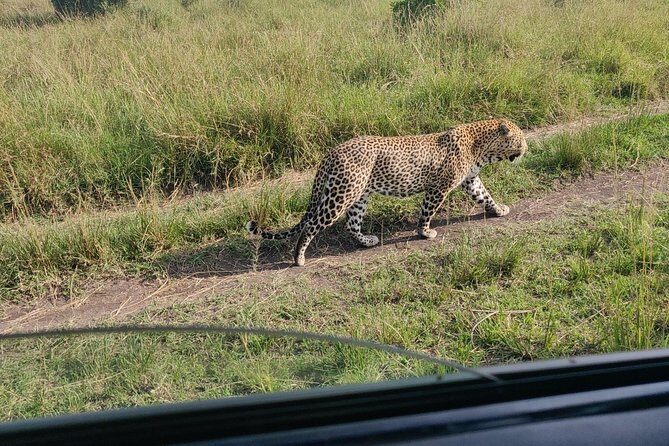
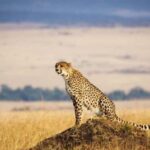
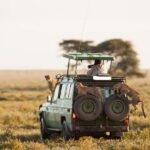
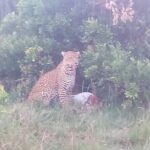
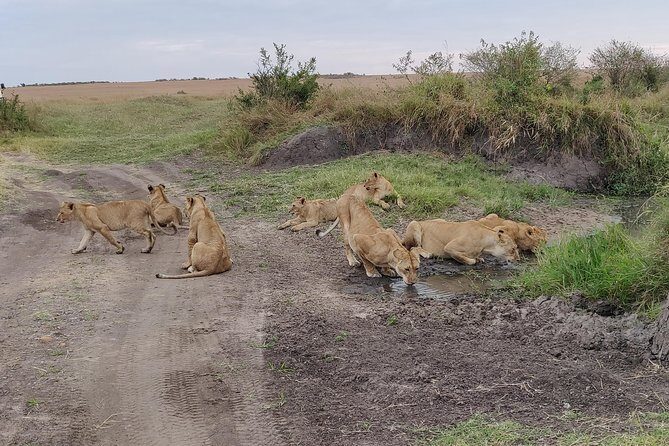
Day two is the heavyweight. After breakfast, you head out for a full-day game drive that lasts around 10 hours, focused on finding big predators and the moments around them. This is when the chances for cheetah and leopard come into play, including sightings that happen when animals are tucked into the acacia.
This is also where you get that “unlimited game viewing drives” style of experience, meaning your time is built for searching rather than just driving through quickly. You spend the day moving across the plains and looking for the big cats and other standout sightings.
The day includes picnic lunches served at the reserve, which is a practical win. It keeps you in the wildlife zone instead of losing time to long returns for meals. For me, that matters because a safari is a momentum game. The more time you keep your schedule inside the reserve, the more likely you are to hit those brief, unpredictable moments.
You’re also spending this day in an area known for a high concentration of wildlife. That matters because you’re not constantly looking for basic activity. Instead, you’re more likely to find animals already in motion, grazing in groups, or using cover near the vegetation.
For first-time safari travelers, this is the day that teaches you the “logic” of the Mara. Big cats don’t sit still all day waiting for your camera. So you learn to watch for body language, for where herds tighten or spread, and for why the guide suddenly stops the vehicle and asks you to look in a specific direction.
Overnight Lodges and How to Keep Your Energy High
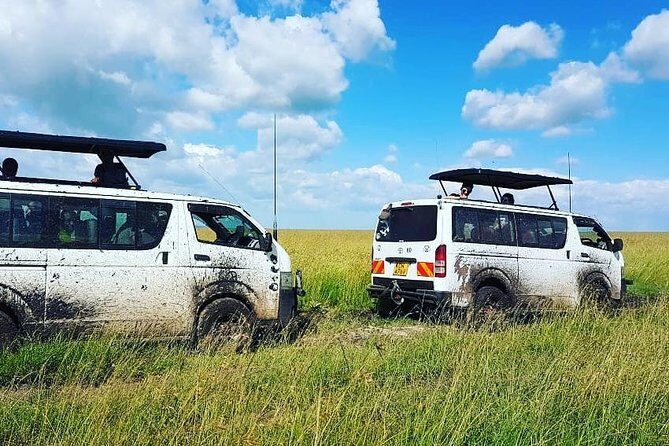
At the end of day two, you return for meals and overnight at a lodge or camp. While your exact property isn’t spelled out here, the important part for planning is that the program gives you an actual base for rest rather than pushing you straight through nonstop.
This matters because day three includes either an optional cultural visit or a return drive to Nairobi. If you’re tired, your brain will miss small details like animal behavior and guide explanations. If you sleep well, you’ll wake up sharper for one final hit at the Mara experience.
My practical advice: treat the overnight as part of the safari, not a break from it. Even if the day feels like it’s mostly driving, you’re still doing a lot of scanning, sun exposure, and mental tracking. Hydrate well and plan for layers, since early and late air can feel different from midday.
Optional Maasai Village Visit on Day Three
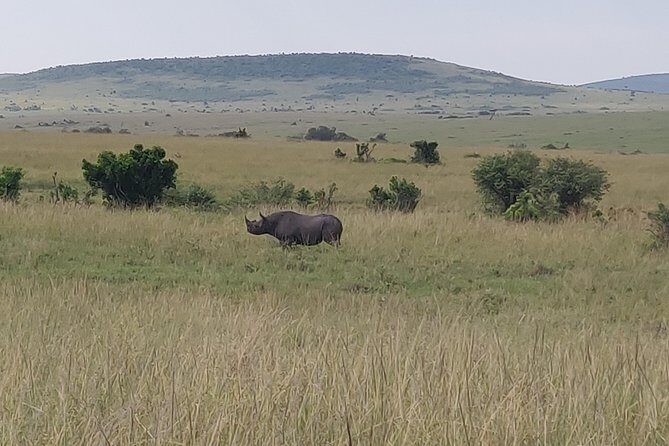
Day three starts after breakfast, and you have a choice. You can add an optional Maasai village visit, or you can head back to Nairobi directly.
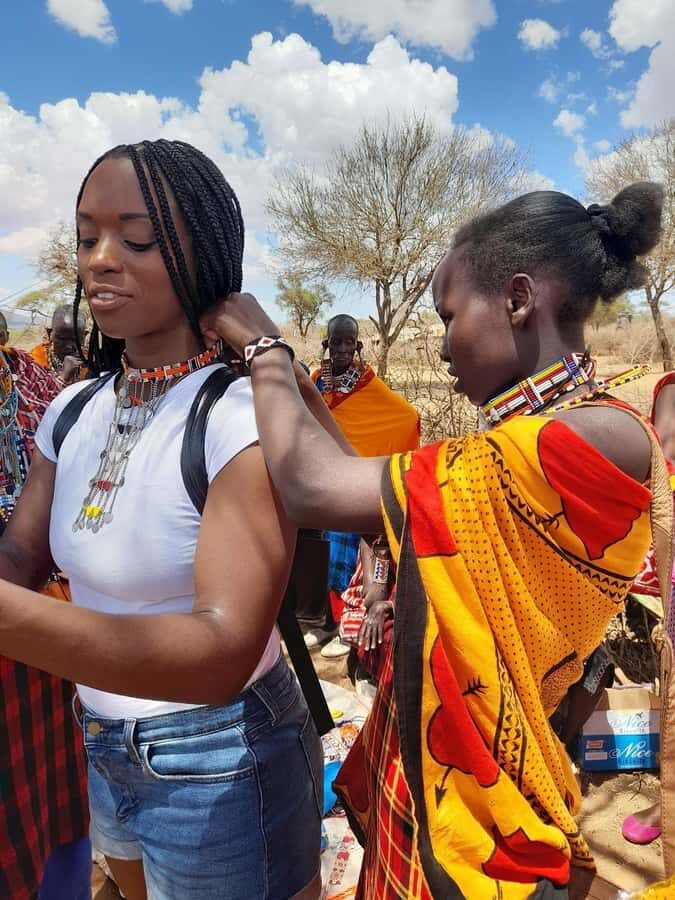
If you choose the village, the emphasis is on meeting Maasai community members and seeing how culture has been maintained over time. The note here is that some of their traditions have been preserved to a large extent, and you’ll see the famous Maasai way of life up close, including Maasai men and their role within the community.
The best way to experience this respectfully is to follow your guide’s lead. Ask before you take photos. Pay attention to clothing norms and how people prefer interactions to work. A good village visit isn’t a drive-by photo stop. It’s a short exchange that should feel considerate, not extractive.
If you’d rather skip the village, you’ll start the drive back to Nairobi at 9:00am. Either way, you end back at the same meeting point.


Price and Value: Does $543.59 Make Sense Here?
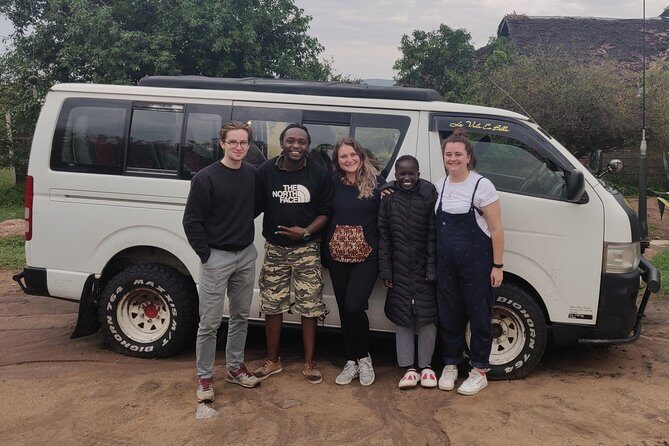
At $543.59 per person for about 3 days, the value depends on what you’re comparing it to. This price isn’t just paying for a ticket to “see animals.” It’s paying for two long stretches of game viewing in the Maasai Mara National Reserve, plus meals and overnight on day two, plus the structured travel from Nairobi and back.
So where does the money actually go?
- Time in the reserve: One afternoon drive plus a full day of searching is the core product.
- Guide + driving: A safari is a moving observation project. The guide’s ability to find sightings and explain them changes your whole day.
- Lodge/camp overnight and day-two meals: You’re not expected to rough it in the car all day.
Also, the program lists admissions as free on day one and day two, and included on day three. That’s not a small detail, because it means you’re not constantly wondering what still needs to be paid at the gate.
If you want maximum wildlife time for your budget, this setup fits well. If you’re the type who needs frequent comfort stops every hour, you might find the day two length a bit intense, even though the reserve stops are built in (including lunch).
Tony as Your Guide: Why This Experience Feels Personal
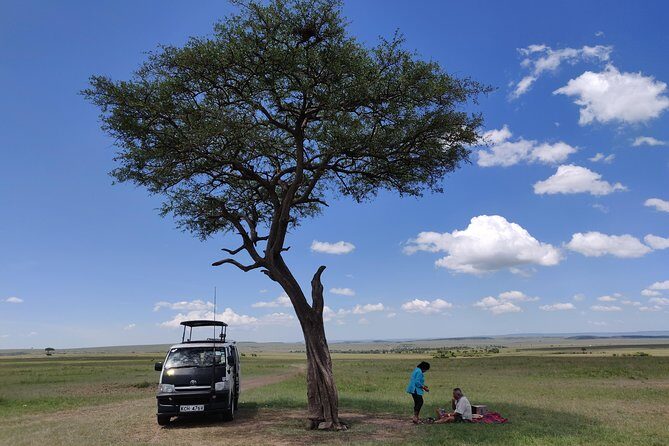
A major theme here is the guide. Tony comes up again and again for being well prepared, punctual, and genuinely good at reading what your group needs. He’s also praised for how he handles driving, including navigating day-to-day traffic when needed.
More importantly, Tony doesn’t just point at animals. He explains what you’re seeing in a way that helps you understand the Mara, not just photograph it. That’s the difference between a safari that feels like a checklist and one that turns into real learning.
I also like the tone in the way he’s described: friendly, respectful, and professional. One of the best compliments you can give a safari guide is that you feel treated like a person, not a customer in a rotating schedule. That matters because the long hours are easier when you trust the person guiding you.
If you’re traveling as a couple, the flexible, attentive service tends to make evenings feel calmer. If you’re traveling with a young family, it helps that the guide is described as engaging and able to keep things moving without turning stressful.
What Big Five Chances Really Mean in Practice
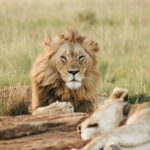
The program highlights the Big Five—lion, elephant, leopard, buffalo, and rhino. Here’s the practical truth: seeing all five in three days is never guaranteed. Safari sightings are living events, and animal positioning changes day to day.
But the focus is still meaningful. Two game drives in the Maasai Mara, with a full day built for predator search, gives you much better odds than doing a short half-day push. It also increases your chance of seeing multiple species in varied habitats: open plains for grazing herds and closer cover areas where predators can hide.
So instead of thinking of the Big Five as a ticket punch, think of it as a direction. This tour is designed to keep your eyes working in the right places for the right animals.
Getting the Most From Your Time on Safari Roads
A safari day is part nature and part logistics. Here are the practical things I’d keep in mind so you don’t lose good viewing moments.
First, your schedule is built around long time in the vehicle. That means you’ll want comfort snacks and water, even if meals are included on the main parts of the trip. You’ll also want sun protection, because plains viewing can mean bright, strong light for long stretches.
Second, bring a camera plan. On safari, the animals might be far away, then suddenly closer. So don’t assume you’ll always get close-ups. Be ready to shoot through heat shimmer and distance, and consider how you’ll keep your hands steady during quick stops.
Third, listen when the guide stops. A good guide will halt the vehicle only when there’s a reason. Whether it’s a predator moving through cover or a change in herd behavior, those pauses are where the magic lives.
If you’re the kind of traveler who loves taking your time, this tour rewards patience. If you expect constant action every minute, you’ll still have a great time, but you’ll need to relax into the Mara’s pace.
Who This 3-Day Maasai Mara Safari Fits Best
This tour is a strong match if you want:
- Two days of serious wildlife time rather than a rushed drive-through
- A guide who helps you understand sightings, not just spot them
- A private setup for your group, which keeps the day flexible
It also suits a wide range of travelers since the program notes that most people can participate. Families can enjoy it too, especially with a guide described as handling a young group well.
If you’re short on time in Kenya, this is a very practical way to get the Mara experience without needing a longer safari circuit. If you’re hoping for a deep cultural add-on, the optional village visit gives you a meaningful extra layer without forcing it.
Should You Book This Maasai Mara Safari?
Yes, you should book it if you want your time to focus on actual game viewing in the Maasai Mara National Reserve, with a guide who’s credited for both animal skills and smooth, attentive service. The mix of a first afternoon drive, a full-day predator search, and a cultural option on day three is a solid 3-day package.
I’d only hesitate if you’re extremely sensitive to uncertainty around animal sightings or if you hate long days in the vehicle. The Mara is wildlife country, so your best moments will come when you stay patient and ready.
FAQ
How long is the Maasai Mara safari?
It’s listed as approximately 3 days.
Where does the tour start, and when?
It starts at Hilton Nairobi Mama Ngina in Nairobi, Kenya, with a start time of 7:00 am.
Is this a private tour?
Yes. It’s a private tour/activity, and only your group participates.
Do you get pickup and transportation back?
Pickup is offered, and the activity ends back at the meeting point.
What wildlife does the tour focus on?
The tour highlights the Big Five: lion, elephant, leopard, buffalo, and rhino, plus other plains animals like wildebeests, zebras, giraffe, eland, topi, and Thomson’s gazelle.
How much game viewing time do you get?
You have an afternoon game drive starting at 4:30pm on day one, and a full-day game drive on day two (about 10 hours).
Is lunch or food included?
Lunch is included on day one at your camp/lodge, and on day two picnic lunches are served at the reserve. Day two also includes meals and overnight at a lodge/camp.
Is a Maasai village visit included?
It’s optional on day three.
What time does day three start if you return to Nairobi?
If you don’t do the Maasai village visit, the journey back to Nairobi begins at 9:00am.
What is the cancellation policy?
You can cancel up to 24 hours in advance for a full refund. If canceled less than 24 hours before the experience starts, the amount paid is not refunded. The experience also requires good weather, and if it’s canceled due to poor weather, you’ll be offered a different date or a full refund.