REVIEW · SHELA
Beginner Swahili Woodcarving Classes with Woman Woodcarver
Book on GetYourGuide →Operated by SWAHILI WOODCARVING ART · Bookable on GetYourGuide
Carve your way into Lamu culture. In a 3-hour beginner class in Shela, Almasi (the only woman woodcarver on Lamu Island) teaches you Traditional Swahili woodcarving methods as you make a take-home souvenir. I like that it’s taught by someone fully dedicated to the craft, and the result feels truly personal. One drawback: the work takes patience, so if you want instant results, this will feel slow.
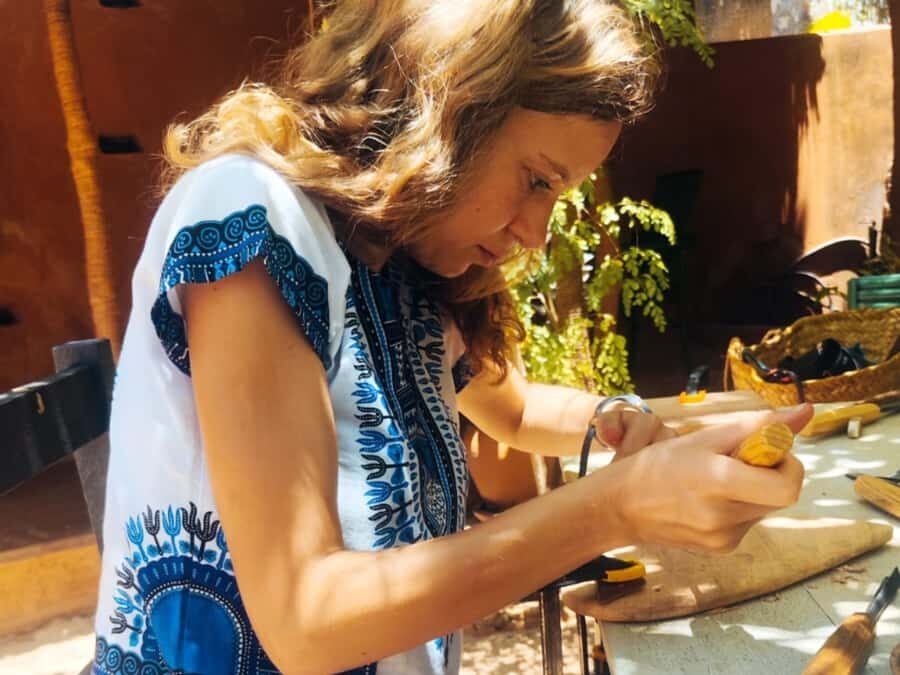
You’ll meet at Peponi Hotel, then head to Almasi’s class setup at the Earth Love Healing Center Garden in Shela. The atmosphere is calm and practical, with refreshments included so you can focus on the tools and the process. Another nice touch is that you can also request the class at your home or hotel if that fits your days better.
This is a hands-on, beginner-friendly session for both kids and adults (with limits), taught in Swahili and English. You don’t need to bring carving supplies—Almasi provides the materials and tools and guides you step by step.
In This Review
- Key things to know before you carve in Lamu
- Woodcarving with Almasi: what makes this class feel different
- Getting to the right place: Peponi Hotel to Shela’s garden workshop
- What happens during the 3-hour beginner class
- Learning the tools, not just the idea
- Carving with the right pace
- Finishing and taking your souvenir home
- The Traditional Swahili technique angle: what you’re really learning
- Price and value: is $75 for 3 hours fair?
- Who should book this Swahili woodcarving class (and who should skip it)
- Practical tips: what to bring and how to be comfortable
- Should you book Almasi’s beginner woodcarving class?
- FAQ
- How long is the Swahili woodcarving beginner class?
- What is the price and what’s included?
- Where do I meet for the class?
- Where does the class take place?
- Do I need woodcarving experience?
- What should I bring?
- What language is the instruction given in?
- Is the class suitable for children or people with mobility needs?
Key things to know before you carve in Lamu
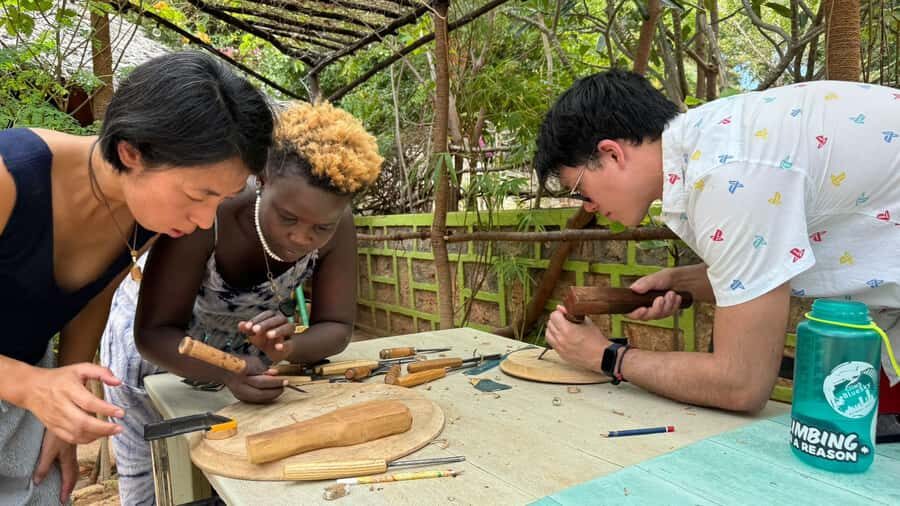
- Meet the only woman woodcarver in Lamu Island, Almasi, leading the class with a warm, serious approach
- You’ll leave with a handmade souvenir you created, not just a demo
- Beginner-first instruction with careful explanations of how to use carving tools
- Class can happen in Shela or at your hotel/home if you request it
- Refreshments are included, and it often feels like a small cultural visit, not a rushed workshop
- Expect a slow, steady rhythm—good carving is about control, not speed
Woodcarving with Almasi: what makes this class feel different
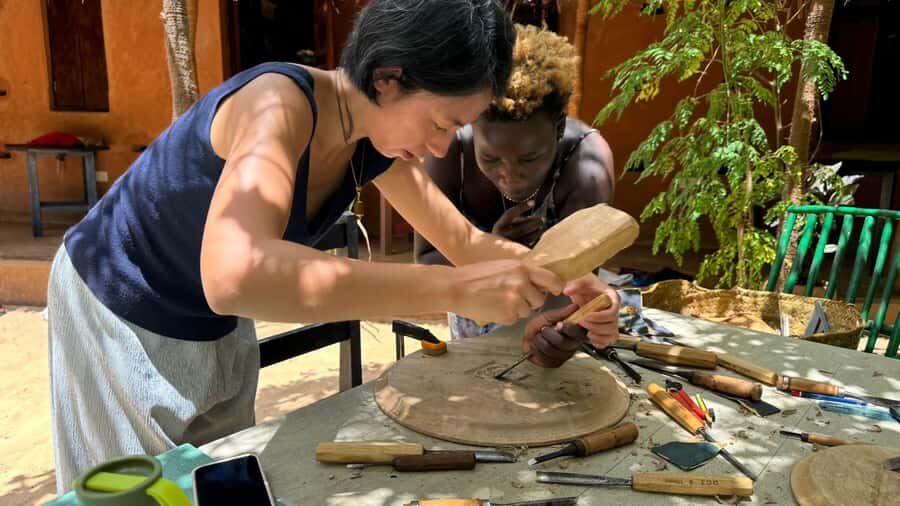
This class is built around one very specific idea: learn Traditional Swahili woodcarving the way it’s meant to be learned. Not as a quick souvenir factory. Not as a one-size-fits-all craft lesson. You get hands-on guidance from Almasi, the only woman woodcarver in Lamu Island, and she teaches in Swahili and English so you can follow what’s happening without guessing.
From what I’d recommend to you right away, the best part is that you’re not hovering. You’re working. And the output matters: each lesson is designed so you finish with your own handmade souvenir. That changes the whole experience. Even if your first cuts look a little rough, you still get the reward of finishing something real—something you can carry home.
The second reason I’d pick this over a typical craft stop is the teaching style. Multiple details point to patience and tool instruction that actually helps you hold the tools correctly and understand what the wood is doing. One of the best pieces of advice I’d take from the class culture is this: working wood is a humble process. It asks for calm attention, because you can’t force the material to cooperate.
So yes, the pace is steady. That’s the one tradeoff. The lesson respects the craft, not the clock. If you’re the type who hates waiting for things to settle, you might feel impatient. If you’re the type who likes slowing down on vacation, you’ll probably have a great time.
Getting to the right place: Peponi Hotel to Shela’s garden workshop
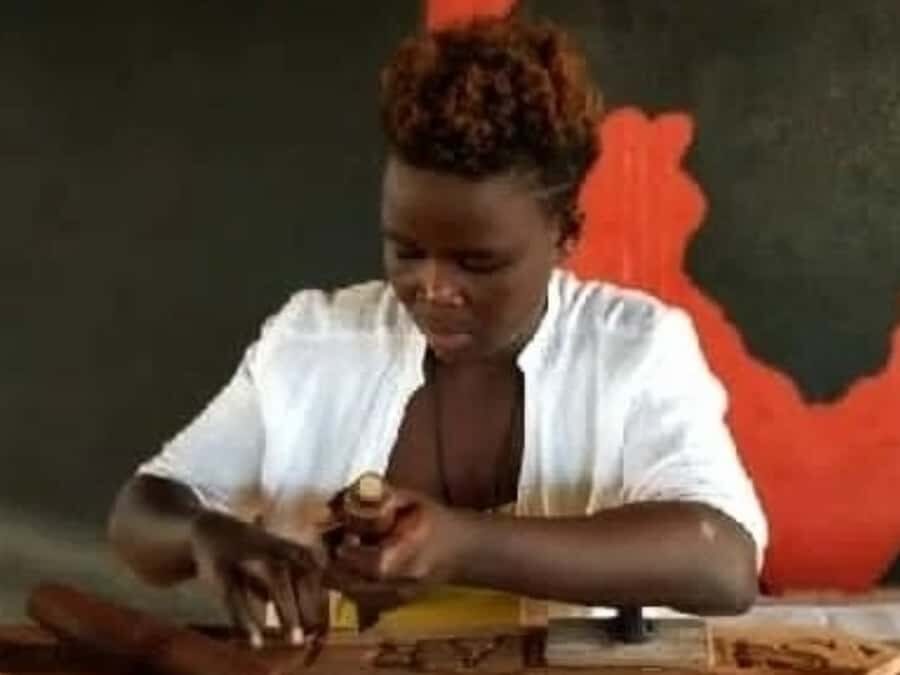
The meeting point is straightforward: Peponi Hotel. Ask at the counter and the guide will point you toward the person running the activity.
From there, the class takes place at the Earth Love Healing Center Garden in Shela, Lamu Island. I like this setup because it’s not tucked into some loud, back-of-house workshop. It’s a garden setting, which makes the class feel lighter, and it also helps you relax before you start using tools.
One practical thing to know: while you’re going to a specific garden in Shela for the default setup, the provider also offers a way to keep it convenient—classes can be conducted at your home or hotel on request. If you’re traveling with kids, older family members, or you just want to minimize time moving around the island, that option can be a real quality-of-life upgrade.
If you’re trying to plan your day, keep one buffer in mind. Even though the class is 3 hours, the real experience includes the time to meet, settle in, and get oriented to the tools and wood before you’re actually carving.
What happens during the 3-hour beginner class
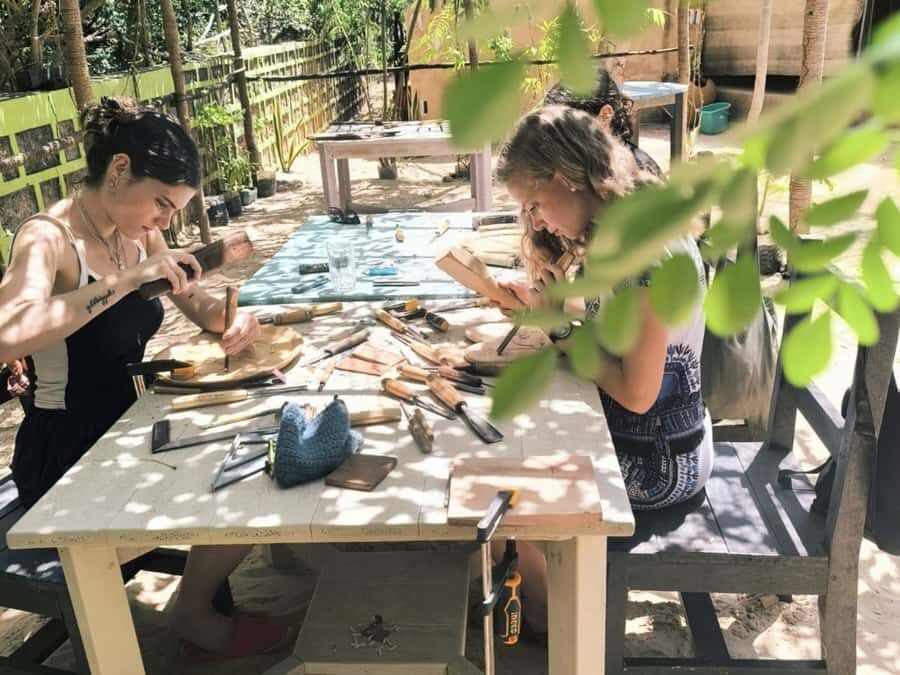
This is a beginner class, but it doesn’t treat beginners like they’re incapable. Instead, it breaks things down and gives you the structure you need to make progress.
You show up and Almasi handles the essentials:
- all necessary materials and tools
- the core instruction in Traditional Swahili woodcarving techniques
- refreshments during the session
- a guaranteed finished souvenir at the end
You’ll want to dress for comfort. You’re not in a museum. You’re learning by doing, and woodcarving can involve leaning forward, concentrating closely, and working with your hands for long stretches.
Learning the tools, not just the idea
A big part of why this class works is that Almasi explains tool use in a clear, detailed way. That matters more than people expect. Woodcarving isn’t only about the design in your head. It’s about tool angle, pressure, and letting the material guide you.
One of the lessons that comes through in feedback is that the best results come from taking your time. The work is grounding. It’s not fast. And that’s a positive if you want a craft experience that feels real, not like a factory line.
Carving with the right pace
Here’s the practical truth: you won’t get far if you rush. Wood pushes back—sometimes literally with splinters or uneven surfaces if you force the process. This is why the class emphasizes patience and calm focus.
If you’ve ever started a craft and then felt stressed watching your time run out, this class is different. You’re given an approach that respects the material and the technique. You’ll likely feel more confident as the session goes on, because you’ll finally understand what you’re supposed to do with the tools.
Finishing and taking your souvenir home
The class is designed so you leave with your own handmade carving. That’s not a promised “maybe.” Each lesson guarantees your finished souvenir.
That take-home item is part of the value, in my view. It’s one thing to learn a new technique. It’s another to end the day holding something you created with your own hands—something you can show later and remember as more than a photo.
The Traditional Swahili technique angle: what you’re really learning
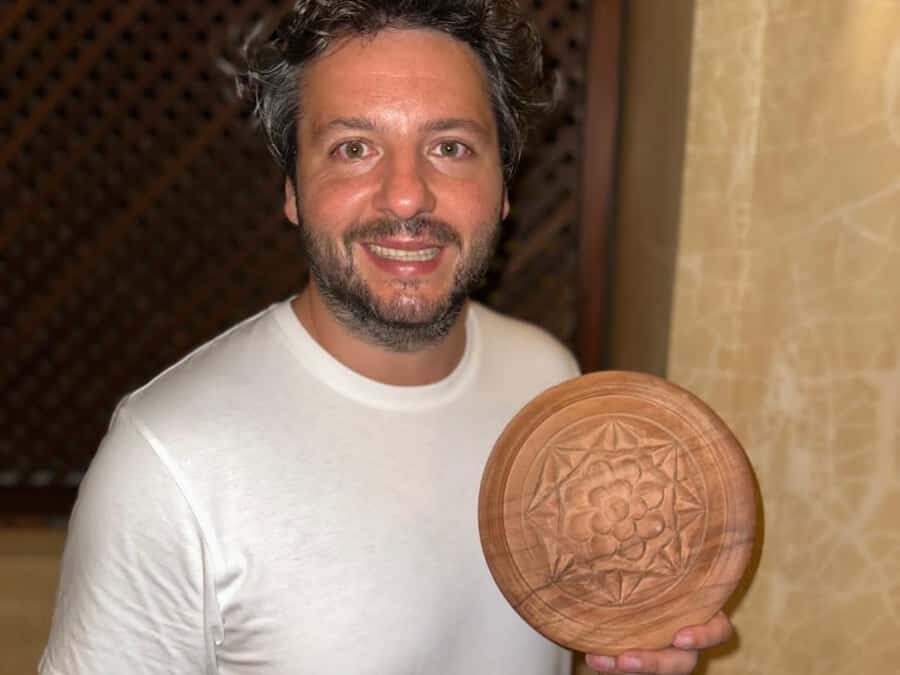
The class isn’t marketed as a history lecture, and it shouldn’t be. What you’re learning is practical craft knowledge tied to Traditional Swahili woodcarving techniques passed down through generations.
That phrase matters. “Passed down through the generations” means the techniques aren’t random. They come from a long-running relationship between people and materials—wood, tools, patience, and repeatable methods.
You’ll likely notice that the lesson doesn’t try to change the culture into a modern activity. It stays grounded in how the craft works. And because it’s taught by a local woman artist in Lamu, the experience feels personal rather than generic.
Also, this class aims to give you more than a single-day souvenir. The format is designed to leave you with beginner-friendly skills you can build on later. In plain terms: you’re not just walking away with an object. You’re walking away with the basics of how to control tools and think about the wood.
A small detail that makes this feel warmer: refreshments are included. One participant also described an added snack at the end, which makes the lesson feel more like a shared moment than a transaction. Even if the exact snack situation varies day to day, the hospitality piece is clearly part of how Almasi runs the class.
Price and value: is $75 for 3 hours fair?
At $75 per person for 3 hours, you’re paying for more than “a seat at a workshop.”
Here’s what you get for your money:
- a guided, beginner-friendly class
- all necessary materials and tools
- your own handmade souvenir
- refreshments
- instruction from Almasi, the only woman woodcarver in Lamu Island
So you’re not just paying for time. You’re paying for materials, guided practice, and the finished item you take home. Craft workshops can be expensive when they make you supply your own materials or when the “souvenir” is pre-made and you just decorate it. This is positioned differently: the class is built around you carving and leaving with a result.
You should also consider what you’re buying in emotional terms. For many people, the best value is not the wood. It’s the feeling of learning a slow craft and walking away with something tangible. If you’re after a quick activity, this might feel like a lot. If you want a real, hands-on cultural skill, the price starts to make sense fast.
If you’re traveling as a couple or with family, this also works nicely as a shared activity—especially because it’s a private group format.
Who should book this Swahili woodcarving class (and who should skip it)
This class is a strong match if you:
- want a hands-on cultural activity in Lamu that goes beyond browsing shops
- enjoy slow, careful work and don’t mind focusing
- like learning directly from a local artisan rather than watching someone demonstrate from across a room
- want something tangible to take home that’s genuinely handmade
It can also suit children and adults because it’s designed for beginners. Just be aware of the age limit: it isn’t suitable for children under 5.
There’s also a potential accessibility question. The info lists wheelchair accessible, but it also says the experience is not suitable for people with mobility impairments. If you have mobility needs, don’t assume either way. Ask directly before booking so you can match the class location (Shela garden versus at your hotel/home) with what will work for your situation.
Skip this class if:
- you need a high-speed activity with instant results
- you’re looking for a guided tour of sights rather than craft instruction
- you’re not comfortable with tool-based work (even beginner-level guidance still involves carving tools)
Practical tips: what to bring and how to be comfortable
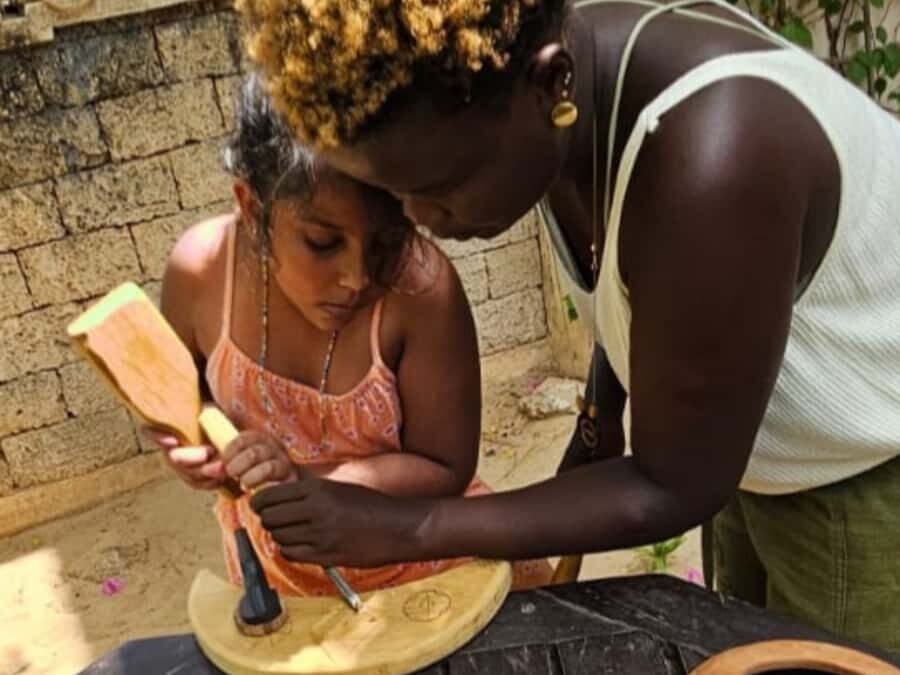
The class is hands-on and outdoors at the Shela garden setting. To keep things easy, I’d come prepared with:
- a hat
- sunscreen
- water
- comfortable clothes
Even if refreshments are provided, water is still smart. Also, comfortable clothes matter because you’ll likely be leaning and working with your hands for much of the session.
One more practical suggestion: plan your energy. This is not a “do it and instantly forget it” activity. You’re practicing patience and focus, and you’ll feel it afterward—like you’ve spent time really learning something.
Should you book Almasi’s beginner woodcarving class?
I think you should book this if you want a small, meaningful craft experience in Lamu Island, with a real finished product and guidance that takes beginners seriously. The biggest strengths are clear: patient instruction, careful tool explanation, and the promise that you actually carve a souvenir you can take home.
I’d be cautious only if you strongly prefer fast activities. Good carving doesn’t work that way. Think slow hands, steady attention, and satisfaction at the end.
One more reason to feel confident booking: plans can stay flexible. The activity includes free cancellation up to 24 hours in advance for a full refund, and you can reserve now and pay later.
If that all fits your style, this class is one of those days you’ll remember because you made something, not just because you visited somewhere.
FAQ
How long is the Swahili woodcarving beginner class?
It’s a 3-hour class.
What is the price and what’s included?
The price is $75 per person. The class includes the 3-hour session, all necessary materials and tools, your own handmade souvenir, and refreshments.
Where do I meet for the class?
Meet at Peponi Hotel. Ask at the counter and the guide will point you out.
Where does the class take place?
By default, classes are held at the Earth Love Healing Center Garden in Shela, Lamu Island. The provider can also come to your home or hotel if you request it.
Do I need woodcarving experience?
No. The class is suitable for beginners and is intended for both children and adults.
What should I bring?
Bring a hat, sunscreen, water, and comfortable clothes.
What language is the instruction given in?
Instruction is provided in Swahili and English.
Is the class suitable for children or people with mobility needs?
It’s not suitable for children under 5. The information also lists wheelchair accessible, but it separately notes it is not suitable for people with mobility impairments, so it’s best to ask before booking if mobility is a concern.