REVIEW · NAIROBI
See Kibera with a Non-Profit Leader
Book on Viator →Operated by Seed Foundation · Bookable on Viator
Kibera can feel like a different Nairobi. This walking tour, led by a Seed Foundation NPO worker, gives you a ground-level view of daily life in Africa’s largest informal settlement and the community projects working toward better infrastructure. I like that you’re not just looking from a distance—you’ll hear real stories and visit key neighborhood places, including the Seed School stop.
One thing to plan for: it’s a walking experience of about 3 hours (roughly 3 to 4 hours total). If you hate tight spaces, lots of people in a small area, or long walking in uneven footing, you may want to choose a different Nairobi tour style.
In This Review
- Key things to know before you go
- Kibera, guided by Seed Foundation people
- What the 3–4 hour walking tour is really like
- Social impact projects and resident stories on the walk
- Stops you’ll likely make: Seed School and local community places
- History and the future of Kibera’s infrastructure
- Safety and respectful visiting: the guide really matters
- Price and value: $30 for a small-group community walk
- Who this tour suits best (and who might skip it)
- Should you book this Kibera walking tour with Seed Foundation?
- FAQ
- How long is the Kibera walking tour?
- How much does the tour cost?
- Is pickup offered?
- What’s the group size?
- What do we do during the tour?
- Who leads the tour?
- Is there an admission ticket fee?
- Do I need a mobile ticket?
- When will I receive confirmation?
- Can I get a refund if I cancel?
Key things to know before you go
- Seed Foundation leadership: tour guidance comes from NPO staff connected to the community work.
- Small groups (max 20): better conversation, more questions answered.
- Walking time matters: plan for about 3 hours on foot in Kibera.
- You’ll see more than one side: homes, shops, churches, and social impact projects come up in the walk.
- Education is a central theme: you’ll visit the Seed School and see a student performance in some cases.
- Good value for the cause: the $30 price is widely described as supporting local school work.
Kibera, guided by Seed Foundation people

This is one of those Nairobi experiences where the city stops being a map and becomes a set of real lives. The tour is run by Seed Foundation, and the guide you walk with is an NPO worker who knows Kibera from the inside—both personally and through the school’s work.
In the reviews, I kept seeing the same names pop up: guides like Padox and Brian show up again and again, with other team members such as Benta and Vincent also mentioned. That matters, because a good guide doesn’t just point things out. They explain context, translate what you’re seeing into a story you can understand, and answer the questions that show up as you walk.
You can also read our reviews of more tours and experiences in Nairobi.



What the 3–4 hour walking tour is really like

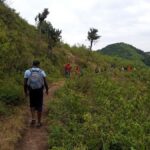
Expect a guided walk that takes around 3 to 4 hours. The heart of the experience is the time spent moving through the neighborhood—listening, asking, and taking in the details as your guide explains how the area works.
You’ll likely spend time on social impact projects and neighborhood landmarks, plus moments where you meet residents and hear first-hand accounts. The pace is not about ticking off checklist items. It’s about letting the guide build the picture: how daily life functions, what challenges are most urgent, and what’s changing now through both local efforts and government-related work.
Also note the practical part: this tour is designed to be doable for most travelers, but it is still a walking tour. Wear comfortable shoes and keep water and patience in mind. Kibera is a living neighborhood, not a museum route.
Social impact projects and resident stories on the walk

The biggest draw here is the human scale. You’re not just learning “about” Kibera. You’re hearing residents share stories, hopes, and realities of everyday life in an informal settlement that grew into a whole ecosystem of community needs and local solutions.
Your guide’s job is to connect the dots. As you pass places in the neighborhood, the tour talks about history and the future—plus the kind of work that’s happening right now. From the tour description, that includes infrastructure improvements supported by local and government agencies, alongside NPO-led initiatives.
In the reviews, people repeatedly described the walk as eye-opening and “real”—the sort of experience where you come away with a more accurate sense of how education, health access, and small local businesses can exist side-by-side with major constraints. If you’re the type who dislikes vague charity stories, this is likely to suit you better than a generic sight-seeing stop.
Stops you’ll likely make: Seed School and local community places
While the tour is fundamentally a Kibera walking experience, the experience often includes a visit to The Seed School. Multiple reviews call this out as a highlight, not just because it’s an educational setting, but because you get to see the kids and feel the energy around the school’s mission.
Some groups also described a student performance—teacher-led and student-led dancing—during the visit. Even if you’re not sure what to expect, plan for an emotional moment. Education here isn’t a theory. It’s classrooms, schedules, and young people demonstrating talent and hope.
Beyond school, reviews mention time in areas like houses, shops, and churches, and even a stop tied to bone jewelry work. That kind of detail matters because it shows Kibera as more than hardship. There are livelihoods, faith communities, and local commerce happening every day.
History and the future of Kibera’s infrastructure
A lot of visitors arrive in Nairobi thinking informal settlements are stuck in time. This tour pushes back on that idea. You’ll hear about Kibera’s past, but you’ll also get direct talk about what’s changing and what’s still difficult.
One reason that approach works: it avoids turning Kibera into a single story. Informal settlements often come with complex causes and complicated solutions. By hearing how local efforts and government programs interact, you get a clearer picture of why improvements can be slow, why progress can look uneven, and why community leadership is so important.
This is also where your guide’s insider perspective helps most. Guides who live the work can explain what residents want next and what improvements already mean on a day-to-day basis.



Safety and respectful visiting: the guide really matters
Let’s talk about the question most people have in their heads: Will it feel safe?
The tour is led by an NPO worker tied to Seed Foundation, and many reviews specifically say they felt safe and comfortable during the walk. That doesn’t mean there are zero risks anywhere in any city. But it does suggest that this isn’t the kind of tour where you’re left to wander through an unfamiliar place without local guidance.
Still, you’ll do better if you treat this like a neighborhood visit, not a photo safari. Be calm. Follow the guide. Ask questions when invited. Don’t act like you’re the main character in someone else’s home. The tour works best when you show up with respect.
Price and value: $30 for a small-group community walk
At $30 per person, this tour sits in a low-to-mid range for Nairobi, and the value comes from what you’re actually buying.
You’re paying for:
- a small group (max 20),
- a local NPO guide who connects history to daily life,
- time with residents and visits to community sites like the Seed School,
- and access to context you simply won’t get on your own.
Reviews also emphasize that the payment supports the school and local work for children. While I can’t quote an exact percentage of funds from the information provided, the consistent theme is clear: you’re not paying for a generic guided walk. You’re funding a real educational project that’s active in the neighborhood.
If you’re already planning a few Nairobi activities, I’d treat this as one of your “learn the city” anchors. A safari shows wildlife. This shows people.
Who this tour suits best (and who might skip it)
This is a great choice if you:
- want a Nairobi experience that goes beyond the usual skyline and safaris,
- enjoy learning from people who live the topic, not just teach it,
- are curious about education and community projects in practice,
- like small-group walking tours rather than bus rides.
It may be less ideal if you:
- can’t handle a walking tour around about 3 hours,
- don’t do well with emotionally heavy topics (poverty, infrastructure limits, and daily hardships),
- need a strictly “light” itinerary.
One more note: some families have done the tour and described it as a must-see. If you’re traveling with kids, you’ll want to think about how your child handles new realities and crowded walking spaces—but the overall tone in the feedback is that the experience can be handled comfortably with the right guide.
Should you book this Kibera walking tour with Seed Foundation?
If you want one Nairobi activity that changes how you understand the city, I’d book it. The combination of Seed Foundation guidance, resident perspectives, and a school visit makes it more meaningful than a rushed drive-by look at Kibera.
I’d book especially if you’re aiming for a small-group, respectful walk and you value education as a practical solution rather than a slogan. Just go in prepared for walking time and for a reality that’s harder than what you might see in Nairobi’s tourist highlights.
If you’re on the fence, choose based on your comfort level with walking and the emotional weight of what you’ll hear. For many people, that’s the difference between a “cool story” and an experience that stays with them.
FAQ
How long is the Kibera walking tour?
The tour is listed as about 3 to 4 hours in total.
How much does the tour cost?
It costs $30.00 per person.
Is pickup offered?
Yes, pickup is offered, and many guests also mention being dropped off back where they started.
What’s the group size?
The tour has a maximum of 20 travelers.
What do we do during the tour?
You take a walking route through Kibera, visiting neighborhood landmarks and social impact projects, meeting residents, and learning about daily life there. The Seed School stop is also part of the experience.
Who leads the tour?
It’s led by a worker from an NPO, and the experience provider is Seed Foundation.
Is there an admission ticket fee?
The tour lists admission ticket free.
Do I need a mobile ticket?
Yes, mobile ticketing is included.
When will I receive confirmation?
Confirmation is received at the time of booking.
Can I get a refund if I cancel?
No. This experience is non-refundable and cannot be changed for any reason.