REVIEW · NAIROBI
Nairobi: Maasai Market and Nairobi City Tour
Book on GetYourGuide →Operated by Teyezilla Adventures · Bookable on GetYourGuide
Monuments and Maasai crafts meet in Nairobi. This 4–5 hour guided walk strings together market energy, political landmarks, and city-view stops so you get a fuller sense of Nairobi than you’d from sightseeing on your own.
I especially like the way the tour uses Nairobi’s landmarks as real teaching moments, not just photo spots. I also like the built-in cultural practice, including learning Swahili words from your guide as you move through the city.
One consideration: this is a walking city-centre style tour and it isn’t suitable for wheelchair users or people with mobility impairments. Also, food is not included in the standard inclusions, so plan to pay for what you snack on.
In This Review
- Key Points You’ll Care About
- A Nairobi Tour That Puts Market Life Next to Landmark History
- Price and Value: Is $35 a Good Deal?
- Getting Picked Up and Moving Fast (Without Feeling Rushed)
- Uhuru Gardens: A Short Visit With Big City Context
- Nairobi City Market: Where the Snack Break Feels Like Part of the Tour
- McMillan Memorial Library Area: Learning How the City Remembers
- Dedan Kimathi and Tom Mboya Monuments: Facts While You Walk
- Maasai Market: Decorative Arts You Can Actually See Up Close
- Kipande House and Kenya Archives: A Stop for the Curious
- Parliament Buildings and All Saints Cathedral: Civic and Spiritual Nairobi
- Getting Your Swahili Practice in Real Time
- Skyline Time: Nairobi’s Modern Side for Balance
- Who This Tour Fits Best
- Should You Book This Nairobi Maasai Market and City Tour?
- FAQ
- How long is the Nairobi: Maasai Market and Nairobi City Tour?
- What’s included in the price?
- Is food included?
- Which places will we visit?
- Is this tour private?
- What language is the guide?
- Is it accessible for wheelchair users or people with mobility impairments?
Key Points You’ll Care About

- Maasai Market plus major monuments in one smooth city-centre route, so you’re not stuck choosing between culture and sightseeing
- Uhuru Gardens for a short, focused stretch of open space and city context
- Dedan Kimathi Monument and Tom Mboya Monument stops that help anchor Nairobi history as you walk
- Nairobi City Market time for local sights and a snack break in the middle of the day
- A calm, informative guide is a big part of the experience, including a guide named Paul who’s praised for explaining places and buildings clearly
A Nairobi Tour That Puts Market Life Next to Landmark History

This tour is built for the kind of traveler who gets bored with “just walking” but also doesn’t want a classroom. You’re moving through Nairobi’s old-and-new feel—markets and everyday street scenes on one side, and major monuments and civic buildings on the other.
What makes it work is the mix of time windows. You get quick stops where you can take in a location and learn what it represents, plus short visits where the pace doesn’t drag. And because it’s a private group, you’re not stuck blending into a big crowd.
The Maasai Market component is also more than shopping. You’re there to see the decorative arts and symbolic visual culture that’s part of Maasai identity in Kenya, with a guided lens that helps you understand what you’re looking at instead of just browsing.
You can also read our reviews of more city tours in Nairobi


Price and Value: Is $35 a Good Deal?

At $35 per person for a 4–5 hour guided tour, the value is mostly in what’s included: hotel pickup and drop-off, an English-speaking guide, and mineral water. You’re also getting guided time at a long list of recognizable places, which is the real cost-saver.
A typical self-guided city day in Nairobi can be cheaper on paper—until you add up:
- time lost figuring out routes and what’s worth seeing,
- transport costs,
- and the learning gap that a good guide fills fast.
This tour’s focus is on city-centre landmarks you can walk between, which helps keep things efficient. The only catch is that food isn’t included, so you’ll want to budget a little extra for your snack stop.
Getting Picked Up and Moving Fast (Without Feeling Rushed)
Your day starts with hotel pickup, and the tour ends with drop-off at your accommodation (the provided options include Nairobi and International House as drop-off locations). The schedule is designed around a city-centre loop, with guided time and short visits rather than long, tiring stretches.
You should still plan like it’s a real walking day. Even though each stop is only around 30 minutes at key points like Uhuru Gardens and the Maasai Market, the walking between them adds up. Wear comfortable shoes and keep water handy—even though you’ll get mineral water with the tour.
One small but helpful detail: one guide, named Paul, has been praised for asking whether the group wants to take the local bus into the centre. If that option is available on your day, it can cut down walking and add local texture—without making your schedule heavier.
Uhuru Gardens: A Short Visit With Big City Context

Uhuru Gardens is on the program for about 30 minutes. That’s not long enough for a full “wander and explore everything” plan, but it’s enough for a guided overview and a reset in the middle of the day.
Why this stop matters: it gives you a sense of Nairobi’s wider setting before you hit the markets and the monument-heavy streets. Think of it as the tour’s orientation moment. You get to slow down briefly, look around, and then continue with a clearer idea of where you are in the city.
Possible drawback: because the stop is time-limited, don’t treat it like your only chance for photos. If you care about photography, keep your phone ready during the guided walk-through so you don’t get stuck waiting for a perfect moment at the end.
Nairobi City Market: Where the Snack Break Feels Like Part of the Tour
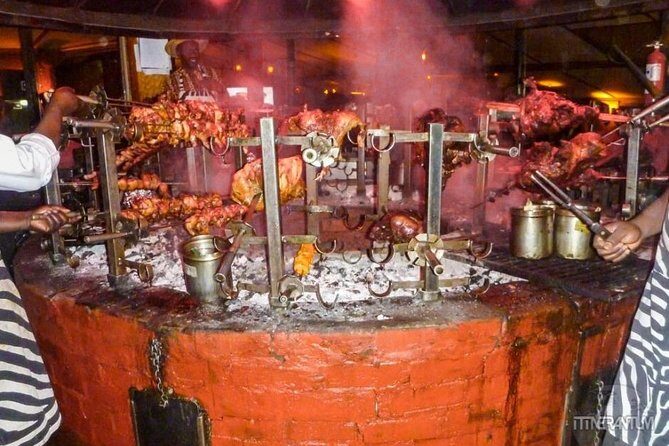
Next up is Nairobi City Market, paired with a guided look at the area and time to try local street-style food. The tour is built to give you more than a quick glance. You’ll learn facts about Nairobi as you go, and you’ll also get the chance to eat something simple at a traditional Nairobi restaurant.
Important practical note: the standard inclusions list no food. That means your snack is not automatically covered. You’ll have the time and guidance to eat locally, but you should budget for what you order.
This stop is valuable because it shifts the day from monuments to people. Markets show you what’s happening now. And when your guide talks through what you’re seeing, the food moment becomes part of understanding daily Nairobi life—not just a break to refresh.
You can also read our reviews of more shopping tours in Nairobi






McMillan Memorial Library Area: Learning How the City Remembers
The tour includes time at McMillan Memorial Library. You don’t get a vague “nice building” moment. You get the guided approach—your guide points out what’s important and connects it to Nairobi’s broader story.
Why this matters on a short tour: landmarks like libraries and public buildings often get skipped by people who only chase skyline views. Here, you’re getting a calmer kind of sightseeing. It also helps balance the day because the monuments and the market can feel intense; a library stop gives your brain a breather.
Possible drawback: if you’re the kind of traveler who likes long free time, you may wish you had more minutes to explore independently. But on a 4–5 hour tour, the trade-off is that you see more stops with context.
Dedan Kimathi and Tom Mboya Monuments: Facts While You Walk
Two of the core monument stops are Dedan Kimathi Monument and Tom Mboya Monument. You’ll visit these as part of your guided route, with historical facts explained along the way.
I like this design because monuments can become “just big statues” when you don’t have any background. Here, the guide helps you read the meaning behind the locations—so the photos feel connected to something rather than random.
One practical consideration: monuments are often on streets with changing pedestrian conditions. Stay aware of foot traffic and keep your walking pace steady. A calm guide experience helps a lot here, especially if the group is moving in a single line through busy areas.
Maasai Market: Decorative Arts You Can Actually See Up Close
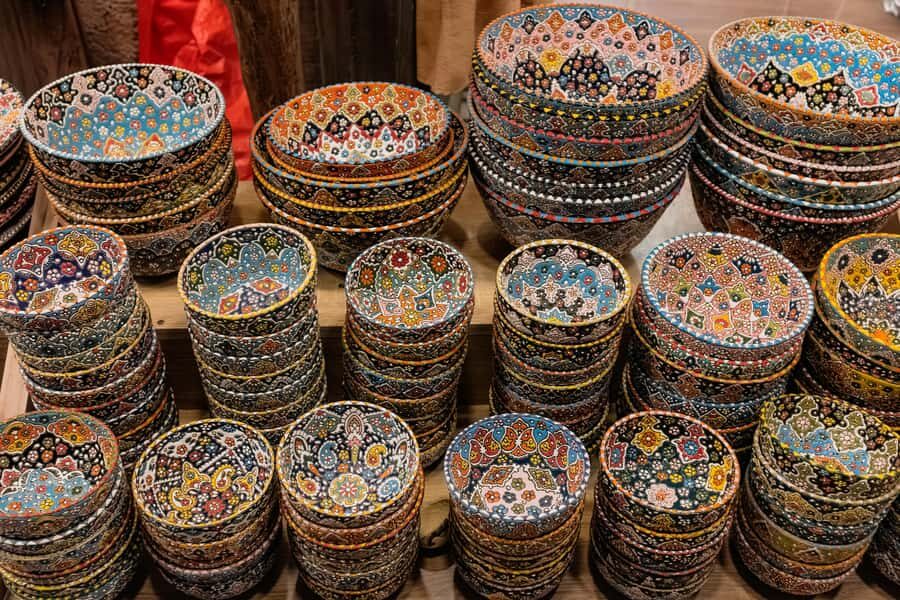
The Maasai Market visit is one of the most fun parts of the route, and it’s also one of the most educational. You’ll spend around 30 minutes there with guidance, focusing on the decorative arts and symbols linked to Maasai culture.
This is where shopping can happen—but the better way to do it is to treat it like a cultural browse. Ask questions. Look closely. And if you want souvenirs, use the guided time to help you spot quality items and understand what you’re buying.
Possible drawback: markets can move fast, and your time there is limited. Don’t plan on “real shopping” during the visit. If you want to buy several items, decide what matters most—something wearable, something decorative, or something purely symbolic—before you walk in.
Kipande House and Kenya Archives: A Stop for the Curious
Your city walk also includes Kipande House and Kenya Archives. These are the kinds of locations that many short tours skip, but they fit this route because the focus isn’t only on the pretty or the famous.
Why you’ll likely enjoy it: when the guide explains what you’re seeing, these stops add depth. You start connecting Nairobi’s present-day streets to the way the city preserves and records its story.
Possible drawback: if you only want skyline views and food, these can feel more “information-heavy” than “fun-heavy.” The good news is the day alternates between different types of stops, so you don’t end up stuck in one mode for too long.
Parliament Buildings and All Saints Cathedral: Civic and Spiritual Nairobi
The tour also includes the Parliament Buildings and All Saints Cathedral. These are big-picture Nairobi landmarks, and they help round out the day by covering more than one side of public life.
From a practical standpoint, this is a good chunk of the itinerary if you want variety in architecture and atmosphere. One minute you’re thinking about governance and public institutions; the next, you’re looking at a place of worship. A guide makes those contrasts easier to understand while you’re on foot.
Possible drawback: cathedrals and civic areas may have rules about movement and photos depending on what’s happening that day. Keep your plans flexible and follow your guide’s lead so you don’t lose time.
Getting Your Swahili Practice in Real Time
A small detail that adds a lot of value: you’ll learn some Swahili words from your guide. It’s short, practical language learning that you can actually use immediately, not a list you forget afterward.
I like this because it turns a sightseeing walk into a human conversation. Even a few words help you feel less like a distant observer and more like someone participating in Nairobi’s daily rhythm.
If language learning isn’t your thing, it’s still useful. Names of locations, basic greetings, and simple phrases make asking questions easier when you’re near markets and busy streets.
Skyline Time: Nairobi’s Modern Side for Balance
The day also includes a stroll through the modern part of the city, with skyline views. This matters because it keeps the tour from becoming only “history and monuments.”
You get to compare Nairobi’s older civic markers with the city’s current shape. It’s a good way to end with a more forward-looking feeling rather than finishing on purely symbolic stops.
Practical tip: if you care about photos, keep an eye on the lighting during skyline time. Even a short stop can produce strong images if you’re ready and not scrambling for a good spot at the last minute.
Who This Tour Fits Best
This tour is a strong choice if you want:
- a structured, guided Nairobi city-centre day,
- a market experience (Maasai Market plus Nairobi City Market),
- and monument stops that come with explanation, not guesswork.
It’s especially good for first-time Nairobi visitors who don’t want to plan routes or figure out what they’re looking at. It’s also a good fit for travelers who like a balance: culture, food time, and landmark reading.
It’s not the best match if you need wheelchair access or have mobility challenges, since it’s not designed for that.
Should You Book This Nairobi Maasai Market and City Tour?
Book it if you want an efficient, guide-led city day that mixes Maasai Market culture with major Nairobi landmarks, all within a manageable 4–5 hour window. The price is reasonable for a private guided route with hotel pickup and the “context layer” that turns monuments and markets into something you actually understand.
Skip it (or consider another option) if you want lots of free time, deep museum-level exploration, or if mobility constraints make walking difficult. Also remember to budget for your own snack since food isn’t included.
If you’re aiming for a first-pass Nairobi experience—history, markets, and a skyline moment—this is a practical way to get there without wasting your day.
FAQ
How long is the Nairobi: Maasai Market and Nairobi City Tour?
The tour runs about 4 to 5 hours, with guided time and several short visits along the way.
What’s included in the price?
Hotel pickup and drop off, an English tour guide, and mineral water (500ml) are included.
Is food included?
Food and drinks are not included. You’ll have time for a snack during the city market stop, but you’ll pay for what you choose.
Which places will we visit?
You’ll visit Uhuru Gardens, Nairobi City Market, McMillan Memorial Library, Dedan Kimathi Monument, Tom Mboya Monument, Maasai Market, Kipande House, Kenya Archives, the Parliament Buildings, and All Saints Cathedral.
Is this tour private?
Yes. It’s listed as a private group.
What language is the guide?
The tour guide is English.
Is it accessible for wheelchair users or people with mobility impairments?
No. It’s not suitable for people with mobility impairments or wheelchair users.