REVIEW · NAIROBI
A Visit To KIBERA The Chocolate City.
Book on GetYourGuide →Operated by Kibera Explorer · Bookable on GetYourGuide
A few streets in Kibera change your mindset. This Kibera walking slum tour pairs real neighborhood scenes with local guide context, so you’re not just passing through. The stop at Chocolate City adds a surprising contrast, giving you a fuller picture of what life looks like day to day in one of the world’s largest informal settlements.
I particularly like how this tour is built around insider guidance and first-person explanations, often shared by guides such as Moses or Musa. You also get practical value for the price because it’s a short 3-hour outing that includes public transport, a guided walk, and time for local snacks and a food market visit. One consideration: this is a walking-focused experience on uneven, narrow paths, so it’s not a fit for everyone—especially for very young kids, wheelchair users, or anyone who struggles with mobility.
In This Review
- Key things to know
- From Olympic Primary School: the practical start in Nairobi
- Kibera on foot: what the 3-hour walk really teaches you
- Chocolate City: why that stop changes the conversation
- Seeing the real identity of Kibera: homes, everyday hangouts, and work
- Public transport and local rhythm: less bubble, more Nairobi
- Price and time value: is $20 worth it?
- Who this Kibera Explorer tour fits best
- Should you book this Kibera Chocolate City walking tour?
- FAQ
- How long is the Kibera Slum Tour with the Chocolate City visit?
- Where do we meet for the tour?
- Is the tour guided, and what language is it in?
- Do I need to pay an entry fee to access the slum area?
- Does the tour include public transport and local food?
- Who shouldn’t take this tour?
Key things to know
- Olympic Primary School start: you meet at the main gate and head out with your guide from the neighborhood edge
- Walking tour format: the route is designed for seeing landmarks and daily life up close on foot
- Chocolate City visit: you’ll get a different angle on Kibera beyond the usual headlines
- Local snacks + food market time: you’re given a chance to taste ordinary life, not just look around
- Safety briefing included: you’ll get instructions before spending time deeper in the community
- English live guide: communication is set up for visitors who want explanations in plain English
From Olympic Primary School: the practical start in Nairobi
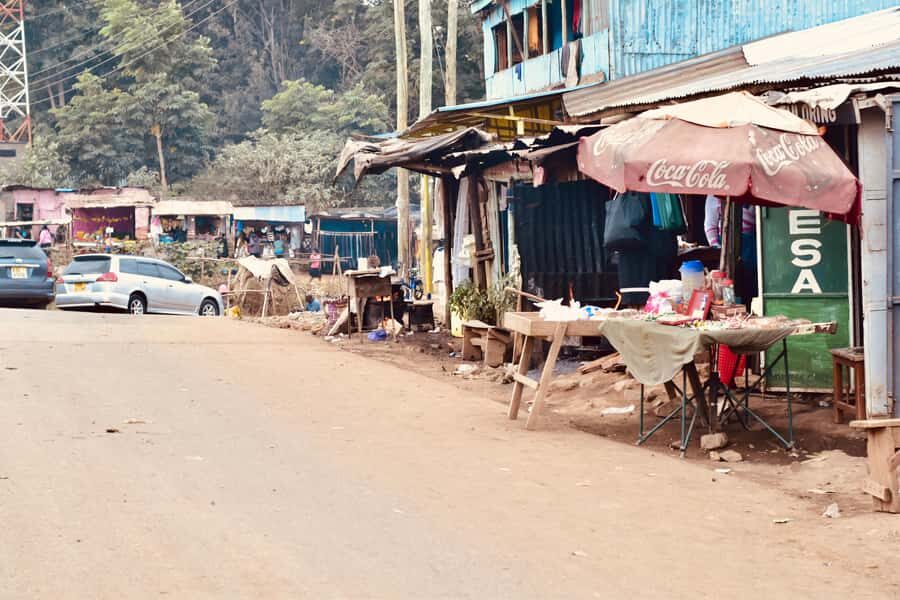
This tour has a clear beginning: you meet at the main gate of Olympic Primary School. That matters more than you’d think. When you start in a recognizable place, you waste less time figuring out logistics and you’re free to focus on the people and the stories as the walk begins.
You’ll also use public transport as part of the tour. That’s a big part of the “real life” feel here. It keeps things grounded: you’re moving like locals move, rather than hopping between stops in a way that keeps you sealed off from the city.
The tour is timed to fit a short visit—about 3 hours total—so it doesn’t drag. In that limited time, your guide’s job is to pick routes and stops that help you understand the community without turning it into a rushed checklist.
You can also read our reviews of more city tours in Nairobi


Kibera on foot: what the 3-hour walk really teaches you
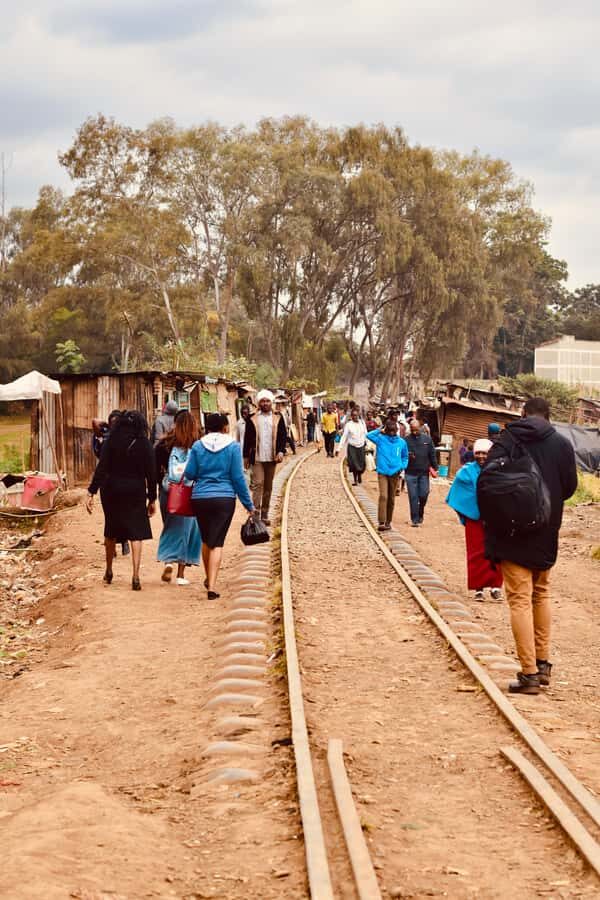
The heart of this experience is a Kibera walking slum tour with a local guide who’s connected to the area. You’re guided through narrow pathways where you can notice how daily routines shape the built environment. It’s not about “shock value.” It’s about seeing how people solve problems with the resources they have.
A major benefit is that your guide doesn’t just point. They explain the challenges people face and the innovative ways residents work toward improvement. You’ll hear about efforts aimed at bettering infrastructure and living conditions—alongside the role of local initiatives and government agencies. That balance helps you avoid the common trap of seeing places like Kibera as one-note hardship. It’s still hard, yes—but there’s also work being done, and you’ll get context for that work.
Expect the pacing to include more than walking. The schedule includes sightseeing and guided storytelling, plus a break time and time for local snacks. That break is useful. When you’re walking through unfamiliar spaces, your brain needs time to reset, ask questions, and connect what you’re seeing to what the guide is saying.
You’ll also visit meaningful landmarks woven into Kibera’s history. Even if you come in with stereotypes, those landmarks help shift the frame. You start thinking in terms of community memory, not just “poverty.”
One drawback to keep in mind: because it’s a walking tour, the experience will feel physically demanding for some people. If you’re expecting a fully comfortable stroll, adjust your expectations. This is designed for being out in the neighborhood, not for minimizing steps.
Chocolate City: why that stop changes the conversation

At some point in your route, you’ll visit the Chocolate City. The name alone grabs attention, but what matters is the perspective shift. Kibera is often described through outsiders’ lenses; Chocolate City gives you a different angle by showing you a named, organized part of community life rather than treating the whole area as a single image.
This stop is valuable because it keeps your understanding from turning one-dimensional. When a tour only shows challenges, you walk away with pity but little understanding. When a tour also includes places like Chocolate City, you leave with more nuance: people build identity, networks, and business around where they live.
It also gives your guide an opening to talk about what’s changing and what isn’t. Your guide’s local insight helps explain the mix of old and new that exists in Kibera right now—how improvement happens in small steps and how “progress” can look different depending on the neighborhood.
Practical tip: bring a curious mindset. Don’t treat Chocolate City like a photo stop. Let it function like a concept stop: it helps you understand how residents carve out agency and identity inside a tough setting.
Seeing the real identity of Kibera: homes, everyday hangouts, and work

One of the tour’s strongest themes is admiring the real identity of Kibera slums—meaning you’re encouraged to look beyond stereotypes and see people as neighbors with routines, roles, and plans.
Your guide may take you through multiple areas within Kibera so you can get a clearer sense of how neighborhoods connect and differ. In past experiences, guides like Moses or Musa have been described as taking visitors to personal, human-scale details—such as areas around the guide’s home and family context. Some routes also include visits tied to everyday social and working life, with examples like a pub, a house, or a factory mentioned in the tour experiences.
That kind of access is powerful, but it comes with a responsibility: you need to stay respectful and follow your guide’s lead. A good guide makes boundaries clear. You’ll likely get a sense of what’s appropriate during the walk and safety briefing.
Why this “real identity” approach matters: it turns your time in Kibera into an actual learning experience instead of a surface-level “see the slum” outing. You’re not just witnessing structures—you’re meeting the human logic behind how people live, organize, and keep going.
Public transport and local rhythm: less bubble, more Nairobi

Using public transport as part of the tour is one of those details that can either feel like an inconvenience or a major value—here, it leans toward value because it helps you experience Nairobi’s rhythm.
It also reduces the “tour-only” feel. When you’re moving via local transport instead of only in private vehicles, your awareness shifts from visitor mode to traveler mode. You notice how the city works around you, not only how the tour moves you.
This matters for a place like Kibera, where outsiders often arrive with a narrow script. A transport-on-the-way setup helps you break that script early. You’re reminded that this is not a separate world—it’s Nairobi, with all the city’s movement and connections.
A few more Nairobi tours and experiences worth a look




Price and time value: is $20 worth it?
At $20 per person for about 3 hours, this tour is priced like an accessible way to get real local context without needing a full-day commitment. The value isn’t just the walk—it’s what the guide does with your time.
You’re paying for:
- A local guide in English who explains what you’re seeing
- A structured route that includes landmarks and the Chocolate City stop
- Public transport included as part of the tour
- Time for local snacks and a food market visit
- A no-entry-needed approach to access the area, which reduces friction for visitors
Could you get a “cheaper” version by wandering on your own? Sure. But without a guide, it’s very easy to miss context and walk away with the wrong understanding. With this format, you’re guided toward meaning: why challenges exist, how residents respond, and what improvement efforts are trying to change.
In short, if you want a short, organized introduction that also respects the complexity of life in Kibera, $20 is reasonable for what you get.
Who this Kibera Explorer tour fits best
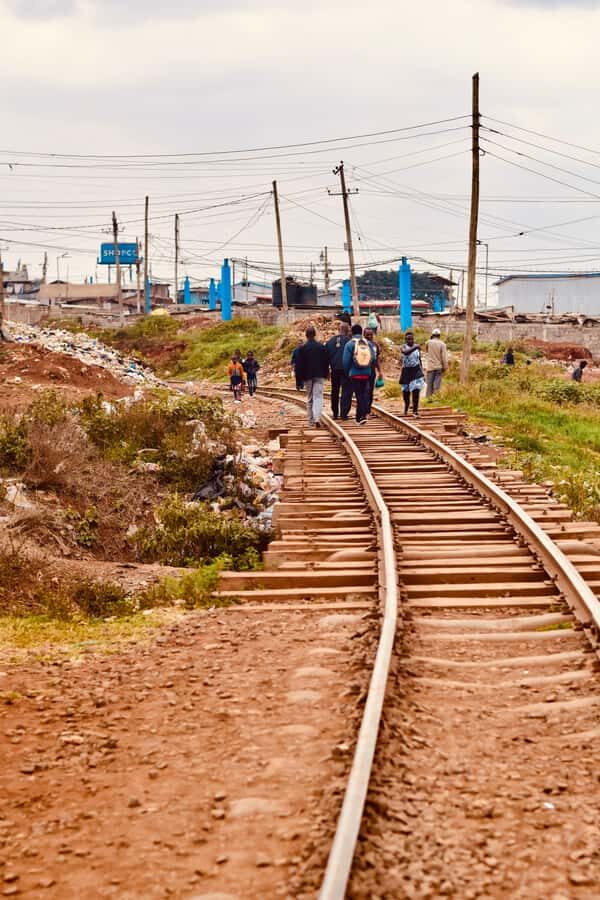
This is a good match if you:
- want a guided walking experience rather than a car-and-stop sightseeing day
- prefer explanations in English from a local guide
- value a short time investment (3 hours) that still includes snacks and market time
- are interested in how people live, work, and create community identity
It’s not a fit if you’re dealing with the listed limitations, including wheelchair users and visually impaired people, plus very young children (under 5) and infants (under 1). It also isn’t suitable for people over 95. That’s not about being picky—it’s about how the walk and environment are set up for safe movement.
Also, if you dislike walking uneven paths or you need fully accessible routes, be realistic. The tour’s value comes from walking and being present in the neighborhood, not from avoiding the neighborhood.
Should you book this Kibera Chocolate City walking tour?
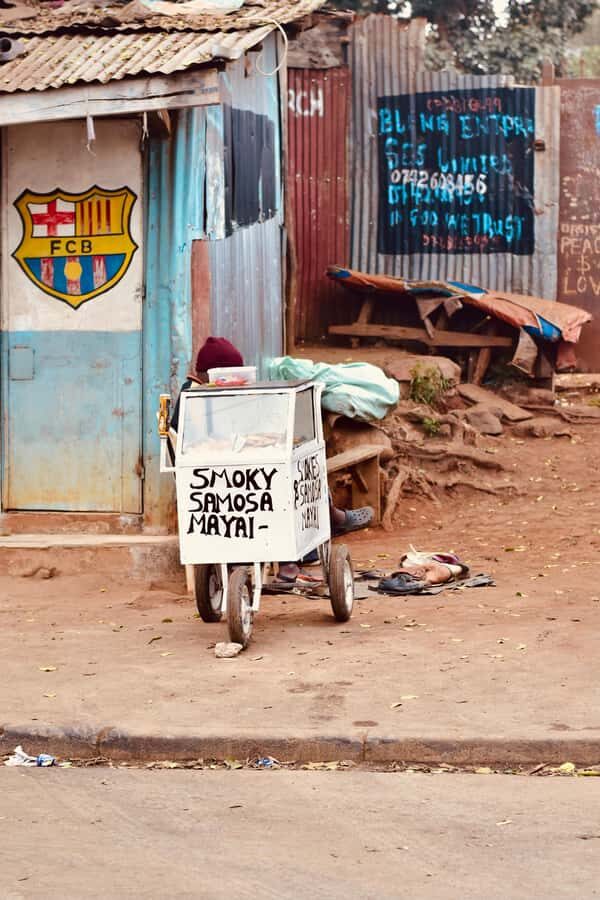
If your goal is a respectful, practical introduction to Kibera that goes beyond stereotypes, I think it’s a solid booking. The strongest reason is the guide-led storytelling paired with real stops—especially Chocolate City and the chance to experience daily life cues like snacks and market time.
Book it if you’re the type of traveler who asks questions, enjoys walking with a purpose, and wants to understand how improvement efforts and community life connect. Skip it if you need a high-comfort, low-movement tour or if the listed age and mobility limits are a concern.
One more practical note: this experience is better when you follow your guide’s instructions closely. When you do, the trip feels safer and less confusing, and you’ll spend your energy on learning instead of worrying.
FAQ
How long is the Kibera Slum Tour with the Chocolate City visit?
The tour lasts 3 hours.
Where do we meet for the tour?
You meet at the main gate of Olympic Primary School.
Is the tour guided, and what language is it in?
Yes. It includes a live tour guide and the tour is in English.
Do I need to pay an entry fee to access the slum area?
No. No entry is needed to access the slum area as part of the tour.
Does the tour include public transport and local food?
Yes. Public transport is included as part of the tour, and you’ll also have local snacks plus a food market visit.
Who shouldn’t take this tour?
The tour is listed as not suitable for children under 5, wheelchair users, visually impaired people, babies under 1 year, and people over 95 years old.