Nairobi’s wild side is closer than you think. I like how this day bundles Nairobi National Park game drive with two focused conservation stops, so you get both wild sightings and real-world rescue work. I also love the practical setup: pickup, a proper safari vehicle with a pop-up roof for viewing, and a guide who helps you make sense of what you’re seeing. The main catch is cost add-ons and timing: park entrance fees and the other entries are not included, and the day depends on the Sheldrick visiting window.
You’ll spend about 8 to 9 hours moving through three experiences that feel very different but connect through one theme: protecting wildlife in a city setting. One plus I’d highlight is the people factor—names like Dennis and Kelvin show up in praise, and that usually means the day runs smoothly and questions get answered without fuss. Still, check your pickup time closely and plan to buy any needed park ticket, because timing changes can happen.
In This Review
- Key Things to Know Before You Go
- Nairobi National Park Plus Two Conservation Stops in One Day
- Nairobi National Park: Lions, Giraffes, Cheetahs, and Rhinos Near the City
- David Sheldrick Wildlife Trust: One Hour with Baby and Adolescent Elephants
- Giraffe Centre: Two Hours Learning Giraffe Types and Conservation
- How the Safari Vehicle Affects What You Can See
- Price and Value: What the $45 Tour Really Buys
- Timing Tips for an 8–9 Hour Day in Nairobi
- What Kind of Traveler This Day Tour Suits
- Should You Book This Nairobi National Park + Elephants + Giraffes Tour?
- FAQ
- How long is the tour?
- What is the price per person?
- Are pickup and drop-off included?
- What’s included in the tour price?
- What is not included?
- When can you visit the Sheldrick Wildlife Trust?
- How long do you spend at each main stop?
- What vehicle do you use for game viewing?
- What’s the group size limit?
Key Things to Know Before You Go
- City-edge safari game drive: You’re not far from Nairobi, but you still get the classic savannah-and-forest feel for animal viewing.
- Pop-up roof for game viewing: The transport is built for looking out, not staring through glass.
- Sheldrick Wildlife Trust has a tight 11 am to 12 noon window: Your visit depends on getting there during that hour.
- Giraffe Centre is a learning stop (2 hours): Expect conservation education plus time to observe and absorb.
- Entrance fees add up: The $45 tour price is only part of the total, since park and attraction tickets are separate.
- Smallish group size (max 30): It’s big enough for a lively day, small enough to keep things manageable.
Nairobi National Park Plus Two Conservation Stops in One Day
This is the kind of tour I think makes sense when you’re short on time. You’re in Nairobi already, so you’re not spending extra days getting in and out of the bush. Instead, you get a full day that stays inside the city area, with a built-in rhythm: go looking for wildlife, then slow down and see what conservation actually looks like.
The pacing also matters. You’ll start with a long wildlife-focused window, then shift to two quieter educational stops. That contrast is useful. It’s easier to appreciate what you’re learning when you’re not rushing from one place to the next all day.
Also, this tour is designed around comfort and viewing. Pickup and drop-off reduce hassle, bottled water helps on a long day, and the vehicle is set up for viewing from above—so you can actually see what’s happening on the plains.
You can also read our reviews of more tours and experiences in Nairobi.



Nairobi National Park: Lions, Giraffes, Cheetahs, and Rhinos Near the City
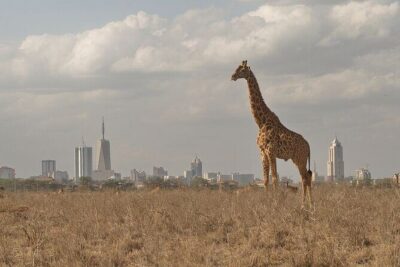
Nairobi National Park is one of those places that sounds unreal until you see it. You get wildlife in a setting that’s still close enough to Nairobi to feel like an urban world that contains a wild one. On this tour, the park is your main game drive block—about 4 hours.
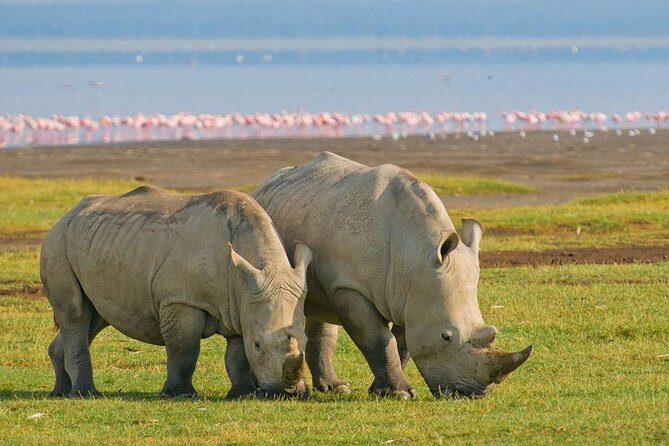
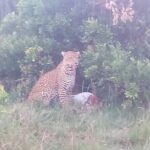
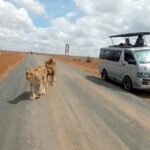
What you’re hoping to see (and what the day is set up around) includes lions, giraffes, cheetahs, and rhinos. The park is also described as having a flourishing rhino population, which is exactly the sort of reason this stop is worth building a day around. You’re not guaranteed every animal, of course, but the tour is structured as a classic safari-style search with a guide leading the way.
Why this works for your trip:
This is a great “first safari” choice. If you’ve never done a game drive, starting here makes the basics easier: how to spot movement, how to read the landscape, and how animals use different areas of the park. If you’ve done safaris elsewhere, you’ll still appreciate the proximity to the city—it’s a different flavor, not a downgrade.
One practical consideration:
Because Nairobi National Park entrance is not included, you’ll want to plan for the ticket price on top of the tour. Adults are listed at $45, and children at $23. In one case, a pickup change also triggered the reminder to purchase the park entrance ticket—so don’t assume everything will be handled automatically.
David Sheldrick Wildlife Trust: One Hour with Baby and Adolescent Elephants
After the safari portion, the day shifts from open plains to a place built around rescue and preparation. The David Sheldrick Wildlife Trust stop is only open to visitors between 11 am and 12 noon, and your visit is about 1 hour.
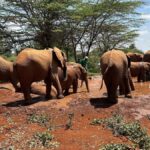
This is the emotional centerpiece for many people. You’ll be able to observe rescued baby and adolescent elephants, and the trust shares individual stories—how elephants arrived at the center and how they got their names. You’ll also learn about the steps used to prepare elephants for eventual release back into the wild.
Why this part feels different:
A game drive shows you conservation in the wild. Sheldrick shows conservation upstream—the rescue, rehab, and readiness work that makes survival possible later. Even if you’re not an animal expert, the personal story angle makes it easier to care about what you’re seeing.
Timing matters more than you’d think:
Because the visit has that one-hour window, being even a bit late can compress the experience. This is where pickup reliability and route planning really matter on the day. If your tour includes a pickup time adjustment, double-check you still have enough buffer to arrive before 11.
Giraffe Centre: Two Hours Learning Giraffe Types and Conservation
Your last major stop is the Giraffe Centre, with about 2 hours allocated. This is more of a learning-and-observation stop than a long walking excursion, and it’s designed to teach you about different types of giraffes and the conservation efforts supporting them.
What you’ll likely enjoy:
It’s a nice way to end the day without ending on a high-energy sprint. After the safari and the elephant visit, you get time to slow down, absorb information, and look carefully. The giraffe focus also ties neatly into the conservation theme that runs through the whole tour.
A consideration to keep in mind:
Entrance to the Giraffe Centre is not included in the base tour price. So if you’re budgeting tightly, add this ticket cost up front so you’re not stuck recalculating mid-day.
How the Safari Vehicle Affects What You Can See
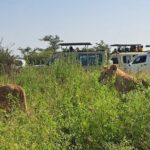
Transport is one of the most overlooked details in day tours, and it matters here. You’ll travel in a proper safari van or jeep with a pop-up roof designed for game viewing. That means you’re positioned to spot animals more easily than you would be from a normal seat.
This setup also changes your experience with the guides. When you can see farther and higher, it’s easier to follow their pointers. You’re not just along for the ride—you’re actively participating in the viewing.
Other helpful touches: bottled drinking water is included, and pickup/drop-off reduces stress in a city that can make timing tricky.
Group size note:
The max group size is 30. That’s a “bigger group but not chaos” sweet spot. It should keep coordination doable while still letting you share the excitement with others.

Price and Value: What the $45 Tour Really Buys
The tour price is listed at $45 per person, and it’s described as offering group discounts. On paper, that sounds straightforward—until you factor in the entries you add at the gate.
Here’s the key value story: you’re not just paying for tickets. You’re paying for the combo plan—pickup, transport in a safari-ready vehicle, a guide/driver, bottled water, and a structured day that includes a long safari block plus two separate conservation visits.
Still, budgeting matters. What’s not included:
- Nairobi National Park entrance fees (adults $45, child $23)
- Sheldrick Wildlife Trust entry
- Giraffe Centre entry
- Food and drinks
So is it good value?
Yes, if you like the convenience of one organized day with transport and guiding. You’re also getting a “triple conservation” mix: wild animals in the park, rescued elephants at Sheldrick, and giraffe conservation learning at the Giraffe Centre.
When it might not be the best fit:
If you already plan to handle everything independently, the added entrance fees plus food can make this feel pricey compared with a simpler outing. But if you want a guided, low-hassle day, the structure is where the money goes.
Timing Tips for an 8–9 Hour Day in Nairobi
This tour runs about 8 to 9 hours, and it’s built around specific access timing—especially the Sheldrick visiting hours. That means your morning matters.
One real-life drawback showed up as a pickup time change (for example, a switch from 5:30 am to 6:10 am). That’s not unusual in day tours, but it is the kind of detail that can affect your plans if you’ve got other commitments.
My practical advice:
- Be ready for early pickup and keep your morning schedule flexible.
- If the day includes a reminder about park tickets, treat it as a signal to verify your plan.
- Bring patience for traffic timing. The whole point is to let the driver handle it, but you still need to accept that mornings can shift.
Also remember: food and drinks aren’t included. That’s a simple thing, but it can make or break your comfort on a long day. Pack a plan so you’re not hungry and irritated during your last stop.
What Kind of Traveler This Day Tour Suits
This is a strong fit for people who want a full wildlife-and-conservation experience without leaving Nairobi for days. It’s also ideal if you want guided context—especially at the trust where individual elephant stories and rescue purpose are part of the visit.
I think it’s particularly good for:
- First-time safari visitors who want the basics and a broad wildlife chance in a single day
- Animal lovers who appreciate rescue work as much as they like spotting wildlife
- Short-stay visitors who still want more than one Nairobi attraction
It may be less ideal if you hate early starts, or if you’re trying to keep spending extremely tight once you add entrance fees and meals.
Should You Book This Nairobi National Park + Elephants + Giraffes Tour?
If you want one organized day that balances wildlife sightings with conservation education, I’d book it. The combination is the magic: you get a safari-style search in Nairobi National Park, then you see conservation in action with rescued elephants at Sheldrick, and you finish with giraffe education at the Giraffe Centre.
My “yes, but” checklist is simple:
- Budget for entrance fees and the fact that food isn’t included.
- Expect an early start and give yourself a little slack for pickup timing.
- If you’re sensitive to schedule changes, double-check your pickup communication the day before.
If you can handle those practical points, this tour is an efficient way to experience Nairobi’s wildlife side in a single, well-paced day.
FAQ
How long is the tour?
The tour runs about 8 to 9 hours.
What is the price per person?
The tour price is listed as $45.00 per person.
Are pickup and drop-off included?
Yes. Convenient pickup and drop-off are included.
What’s included in the tour price?
Included items are bottled drinking water, a professional guide/driver, transport in a proper safari van or jeep with a pop-up roof for game viewing, and assistance.
What is not included?
Food and drinks are not included. Also not included are Nairobi National Park entrance fees (adults $45, child $23), and entry/admission to Sheldrick Wildlife Trust and the Giraffe Centre.
When can you visit the Sheldrick Wildlife Trust?
Visitors are welcomed between 11 am and 12 noon, and the visit is about 1 hour.
How long do you spend at each main stop?
Nairobi National Park is about 4 hours. Sheldrick is about 1 hour. The Giraffe Centre is about 2 hours.
What vehicle do you use for game viewing?
You travel in a proper safari van or jeep with a pop-up roof designed for game viewing.
What’s the group size limit?
The tour has a maximum of 30 travelers.