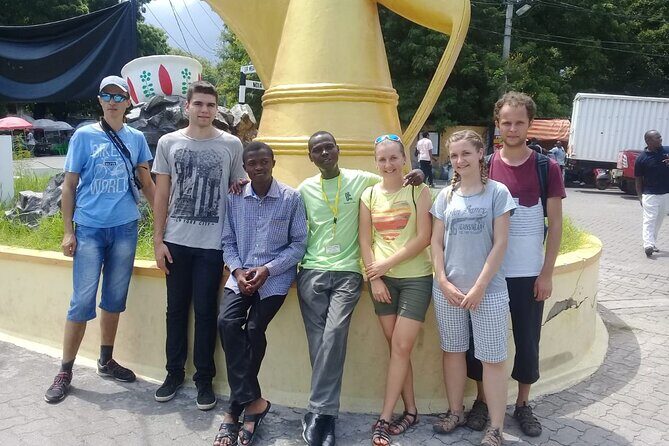
REVIEW · NAIROBI
Visit kibera Slum the chocolate city
Book on GetYourGuide →Operated by Royal safaris · Bookable on GetYourGuide
Two and a half hours can change your view. This Kibera experience in Nairobi’s largest informal settlement focuses on real conversations and on-the-ground context, not just sightseeing. I like how the route includes community engagement with residents and leaders and how you get a clear historical framing for Kibera’s development, even though you should expect it to be emotionally heavy at times if you’re coming in expecting a light, photo-only stop.
You’ll meet at Equity Ayani and then spend about 150 minutes walking and seeing the neighborhood up close, including scenic views along the way. The tour is also structured to visit empowerment projects, so you leave with more than stories—you get a sense of what people are doing to strengthen education, skills, and community life.
The guide experience matters here, and the feedback I saw highlights how professional and gentle the guiding can be, including praise for a guide named Daniel. One consideration: this is a guided, community-focused walk, so if you want lots of museum-style exhibits or big, guaranteed attractions, you may find the pace and setup more conversational than flashy.
In This Review
- Key things to notice before you go
- A 150-minute Kibera tour that teaches Nairobi’s real story
- Equity Ayani start point and what that means for your pacing
- Inside the Kibera walk: sightseeing, views, and the lived-in feel
- Community engagement with residents and leaders
- Empowerment projects: where education and skills get practical
- Cultural insights: art, music, and entrepreneurship in daily life
- History context: why Kibera matters in Kenya’s urban story
- Responsible tourism: the part that keeps you honest
- Price and value: $25 for the guiding experience
- Languages and communication: choose what helps you relax
- Who this tour suits best
- Should you book Kibera with Royal safaris?
- FAQ
- How long is the Kibera tour?
- Where does the tour start and end?
- How much does the tour cost?
- Is pickup included?
- What is included in the price?
- What languages are available for the live tour guide?
- Is free cancellation available?
Key things to notice before you go

- Community conversations, not staged scenes: you interact with residents and community leaders and hear about local initiatives firsthand.
- History that adds context fast: you get insight into how Kibera developed and why it matters in Kenya’s wider urban story.
- Empowerment stops you can connect to: the tour includes local organizations and social enterprises focused on education, training, and community development.
- Culture you can experience in motion: you’ll take in art, music, and entrepreneurship as part of daily life.
- Responsible tourism is built in: the tour specifically frames how to visit with respect, understanding, and support.
- Guide quality is a big part of the value: the strongest feedback centers on a professional, kind guide experience (including Daniel).
A 150-minute Kibera tour that teaches Nairobi’s real story

A visit to Kibera—often called the chocolate city—isn’t about ticking off a “must-see” list. It’s about seeing how people live, organize, and solve problems in a dense, fast-changing urban area in Central Kenya.
What I like about the format is the time balance: 150 minutes is long enough for genuine connection, but not so long that it turns into a tiring blur. You’re walking through the neighborhood and hearing context, then you’re shown local efforts that aim to create education and skills pathways.
You should also go in with the right mindset. This kind of tour can feel intense because the focus is on challenges people face and the resilience people build around those challenges. If you’re expecting a casual stroll with only scenic stops, you might be disappointed.
You can also read our reviews of more city tours in Nairobi

Equity Ayani start point and what that means for your pacing

You’ll start and end at Equity Ayani, which keeps logistics straightforward and keeps the tour anchored. That matters because Kibera experiences are all about timing and respectful movement, and a clear meeting point reduces unnecessary confusion.
Plan for the tour to feel like a guided walk with stops, not a sit-down lecture. The experience includes visits, sightseeing, and scenic views along the way, so you’ll get a mix of seeing and talking.
Because there’s no pickup included, you’ll want to arrange your own way to the start location. That’s part of the value math too: you’re paying for the guiding, not for transportation.
Inside the Kibera walk: sightseeing, views, and the lived-in feel

Once you step into Kibera with your guide, the focus shifts from distant observation to close, on-the-ground understanding. The tour includes sightseeing and walking time, so you experience the neighborhood as a place people move through every day.
You’ll also have moments for scenic views on the way, which is helpful because it gives your eyes a pause and your brain a chance to orient. Even if you’re there for social insight, orientation matters—you’ll understand the density and the layout better when you can actually see what you’re passing.
A key practical note: this isn’t the kind of outing where you’ll have the freedom to sprint ahead for photos. The design is built around interaction and guided context, so you should expect to stay with the group and follow your guide’s lead.
Community engagement with residents and leaders
The heart of this tour is community engagement. You don’t just hear facts; you interact with residents and community leaders to learn about experiences, initiatives, and challenges.
This is one of the most valuable parts because it turns a “place” into a set of people and priorities. When someone explains local initiatives, you can better understand what’s being attempted and why certain solutions are chosen. It also helps you avoid the common trap of treating marginalized neighborhoods like a backdrop.
You’ll also learn what residents see as urgent. That’s not the same as what a visitor might guess, and it’s why this format works: your perspective gets corrected by lived reality.
If you’re sensitive to direct discussion of difficult topics, plan for that. The tour’s purpose is respect and understanding, and that means the conversation can be real, not sanitized.
Empowerment projects: where education and skills get practical

Another strong reason to book is the inclusion of empowerment-focused stops. The tour visits local organizations and social enterprises that work to empower Kibera’s residents through education, skills training, and community development.
I like this part because it turns “learning about hardship” into “learning about action.” You can see that resilience isn’t just a feeling—it’s often a program, a school, a training effort, or a community project tied to real outcomes.
Even if you only take a few notes, you’ll walk away with clearer categories: education support, skills training, and broader community development. That matters because it helps you understand what visitors can and can’t do. You’re not just collecting impressions; you’re learning where efforts are concentrated.
One consideration: you may not get a neat “before and after” story with hard numbers, because the emphasis is on perspective and understanding. Still, the structure is designed to show you the direction of local support.
A few more Nairobi tours and experiences worth a look




Cultural insights: art, music, and entrepreneurship in daily life

Kibera’s cultural side comes through through art, music, and entrepreneurship. You’re not just told that culture exists; the tour’s setup is meant to help you experience it as part of how people make a living and express identity.
I find this important because many visitors only expect scarcity. When you also see creativity and small-scale entrepreneurship, the story becomes more accurate. People aren’t defined only by hardship; they’re also defined by initiative, talent, and everyday innovation.
If you’re the type who loves markets, street-level creativity, and human-scale enterprise, you’ll likely enjoy the way the tour frames entrepreneurial spirit as normal and ongoing. It’s less about spectacle and more about seeing what people build and sustain.
Keep in mind that cultural experiences on a community tour should be approached with respect. You’re there to learn and understand, not to treat music or art like a prop.
History context: why Kibera matters in Kenya’s urban story
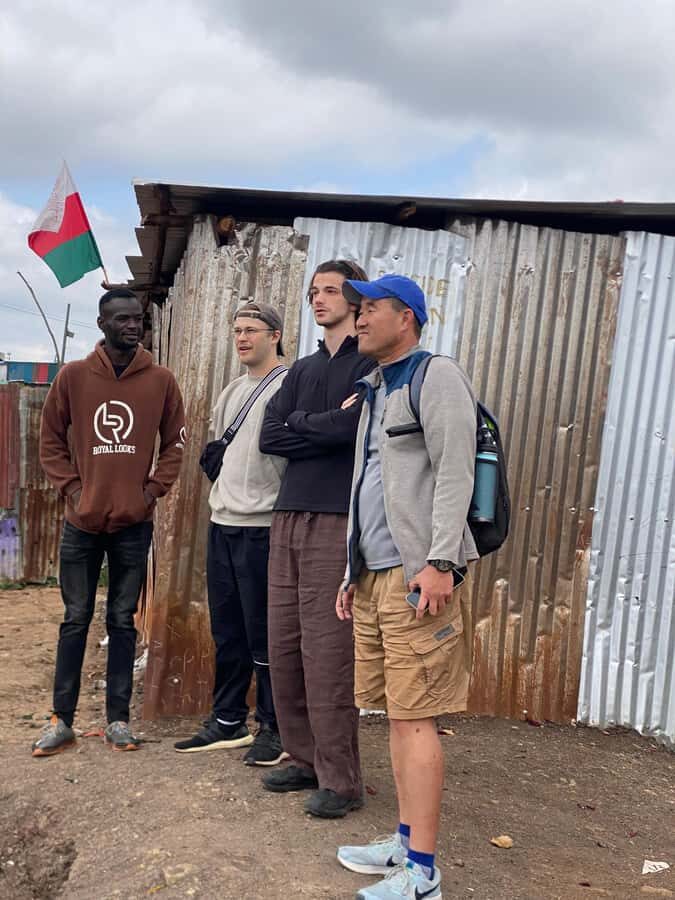
A separate value of this tour is the historical context component. You’ll gain insight into the history and development of Kibera, including its significance within the broader context of urbanization and social challenges in Kenya.
This helps you connect dots that you might otherwise miss. Without a historical lens, you can end up viewing Kibera only through headlines or stereotypes. With context, you understand it as part of a larger urban pattern—one influenced by growth, housing pressure, and social structures.
I also like that the tour frames this history as meaningful, not just academic. The goal is to make your understanding practical: you see why empowerment projects exist and why community leadership matters.
Since the tour is time-limited, the history won’t be a textbook deep dive. But it’s structured to give you a foundation you can carry after you leave.
Responsible tourism: the part that keeps you honest
This activity directly emphasizes responsible tourism. You’re taught about ethical considerations and responsible tourism practices when visiting marginalized communities, including respect, understanding, and support for local initiatives.
In real terms, that means you should expect your guide to set the tone for how you behave—how you listen, how you interact, and how you show respect. This is not a “do whatever you want” tour, and that’s a good thing.
Responsible tourism also matters for your own experience. When you approach with respect and curiosity, you get better conversations and more useful context. When you show up treating the community like content, you end up with shallow interaction.
If you want a tour that helps you visit thoughtfully rather than just spectating, this design fits that goal.
Price and value: $25 for the guiding experience

The price is $25 per person and the tour duration is about 150 minutes. What you’re really paying for here is a local tour guide and a structured walkthrough that combines community engagement, empowerment visits, and context.
It’s also worth understanding what’s not included. There’s no entrance fee included, and pickup isn’t included. That means your total cost can rise depending on what on-site fees apply during the route.
Still, the value is strong because the included piece is the guiding: someone who can connect you to residents, leaders, and the local meaning behind what you’re seeing. In experiences like this, the guide is the difference between collecting photos and building understanding.
Also, the tour lists options that can reduce risk in planning: free cancellation up to 24 hours in advance and a reserve-now-pay-later approach. Those can be practical if your schedule is fluid.
Languages and communication: choose what helps you relax
This tour offers live guiding in multiple languages: English, Chinese, Esperanto, German, Italian, Spanish, and French. That matters more than it sounds. When you can fully follow the discussion, the entire visit becomes more meaningful.
I like that you can choose a language that lets you absorb the explanations around history and empowerment. You’ll also be better equipped to ask respectful questions during community engagement.
A small consideration: if you’re using a less common language option, availability can depend on scheduling. The tour does list multiple languages, so it’s worth checking what’s offered for your date and start time.
Who this tour suits best
This experience is a good match if you want an honest look at Kibera through guidance, conversation, and community-focused stops. It’s especially suited for travelers who enjoy learning how people organize, build programs, and sustain culture under real pressure.
You’ll likely enjoy it if you’re the type who prefers walking with context over quick, distant sightseeing. The combination of historical framing, empowerment project visits, and cultural insights is built for people who want a fuller picture.
On the other hand, it may not suit you if you want a purely sightseeing day or you dislike discussion of social challenges. Since the tour is structured around community engagement, it can feel more serious than typical city tours.
Should you book Kibera with Royal safaris?
I’d book this if you want a guided, respectful way to understand Kibera in about two and a half hours. The price is reasonable for the guiding time, and the structure gives you more than a surface-level impression: you get community engagement, empowerment projects, cultural context, and history.
The strongest signal in the provided feedback is that the guiding experience can be both professional and kind, including praise for a guide named Daniel. If you care about the tone of interaction—and not just the route—this looks like a smart choice.
Just go in with the right expectations. This isn’t a theme park visit. You’re there to learn, listen, and see real efforts shaping daily life.
If that sounds like your kind of travel, this Kibera tour fits.
FAQ
How long is the Kibera tour?
The tour duration is 150 minutes (about 2.5 hours).
Where does the tour start and end?
It starts at Equity Ayani and returns to Equity Ayani.
How much does the tour cost?
The price is $25 per person.
Is pickup included?
No, pick up is not included.
What is included in the price?
A tour guide is included.
What languages are available for the live tour guide?
The live tour guide is available in English, Chinese, Esperanto, German, Italian, Spanish, and French.
Is free cancellation available?
Yes. You can cancel up to 24 hours in advance for a full refund.