REVIEW · MOMBASA
Great Wildebeest Migration Safari in Masai Mara
Book on Viator →Operated by Divulge Adventures · Bookable on Viator
The Mara River is the real clock. This 4-day Masai Mara safari is timed for the annual wildebeest migration window (July–September), when huge herds move from Serengeti toward Kenya and predators follow the action. I love that the plan builds in multiple full game-drive chances—including early mornings and an evening drive—so you aren’t stuck with one short viewing window. I also like the owner-managed, hands-on feel, with custom 4×4 vehicles and 24-hour backup support.
One consideration: the headline wildlife experience is spectacular, but park entry and conservation fees aren’t included ($80 per person per day), so your final total can climb fast once you add days in the reserve.
In This Review
- Key highlights worth betting on
- Why the Masai Mara migration matters (and why July–September is the ticket)
- 4 days in the bush: how the pace really works
- Day 1 in Masai Mara: Rift Valley outlook, church stop, then first wildlife drive
- Day 2 full-day plains drive: big cats, migration scale, and packed lunch logistics
- Day 3 sunrise plan, Mara River walk, and the optional hot air balloon
- Day 4 Masai village culture stop, then head back toward Nairobi
- Price and value: what $1,430 per person includes (and what costs extra)
- The operator style: owner-managed, responsive, and built for safari driving
- Who this Masai Mara migration safari is best for
- Should you book this Wildebeest Migration Safari?
- FAQ
- Are park entry and conservation fees included in the price?
- What’s included on the safari?
- Is the hot air balloon safari included?
- Is this a private tour?
- Does the tour offer pickup?
- What if something goes wrong during the trip?
Key highlights worth betting on
- July–September timing for the Mara River crossing makes this the migration season focus.
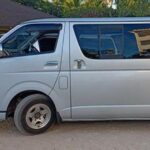
- Private 4×4 transportation using custom built safari vehicles helps keep drives comfortable over long hours.
- Binoculars included, plus plenty of time on the plains for predator-and-prey sightings.
- Full-day game drives with packed meals, including picnic-style breakfast/lunch on Day 3.
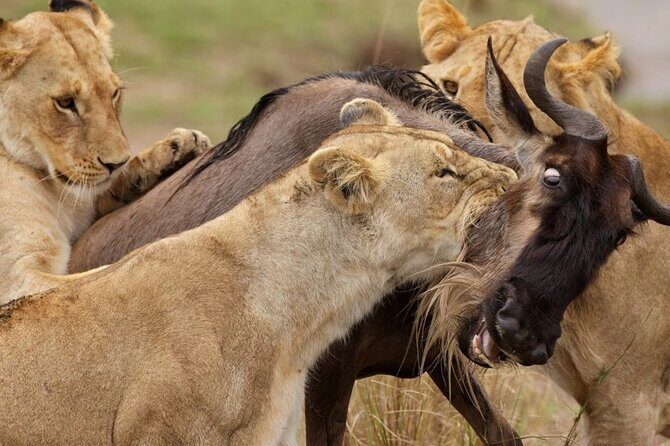
- Big cats hunting can happen (not guaranteed, but the itinerary is designed for it).
- Optional hot air balloon early on Day 3 for a different view of the plains.
Why the Masai Mara migration matters (and why July–September is the ticket)
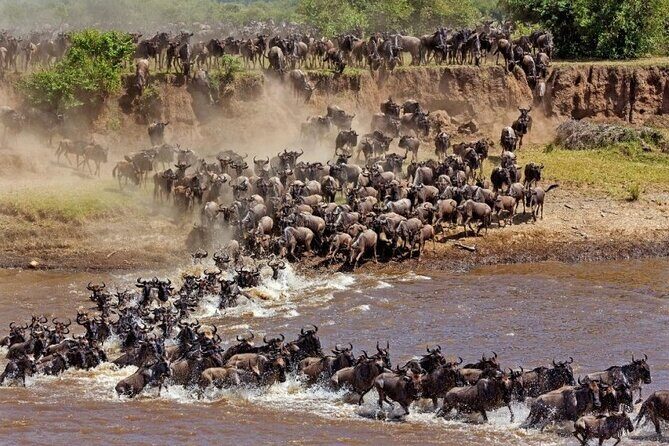
If you’re chasing one of the world’s most dramatic wildlife moments, this is built around it: the migration when millions of wildebeest (with zebra and antelope) move from Serengeti toward the Masai Mara, crossing the Mara River. It only happens once a year, and the best odds land in the July–September window—so the calendar really does drive the magic here.
What I like about the way this tour frames the experience is that it doesn’t treat migration as a single photo stop. It treats it as a moving event. You’re on the ground across several days in the Masai Mara, which matters because herds don’t pass on a neat schedule. Even when the crossing is the headline, what you often remember most is the chain reaction: predators waiting, wildebeest pushing forward, and crocodiles doing what crocodiles do near the water.
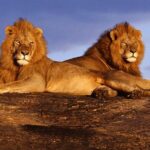
The safari is also positioned for a classic predator-and-prey contrast. The tour focuses on big cats hunting opportunities (lions, leopards, cheetahs, and serval are specifically mentioned) plus crocodiles feasting near the river. Again, none of that is guaranteed—wildlife has its own plans—but the itinerary puts you where the action tends to gather.
A few more Mombasa tours and experiences worth a look
4 days in the bush: how the pace really works
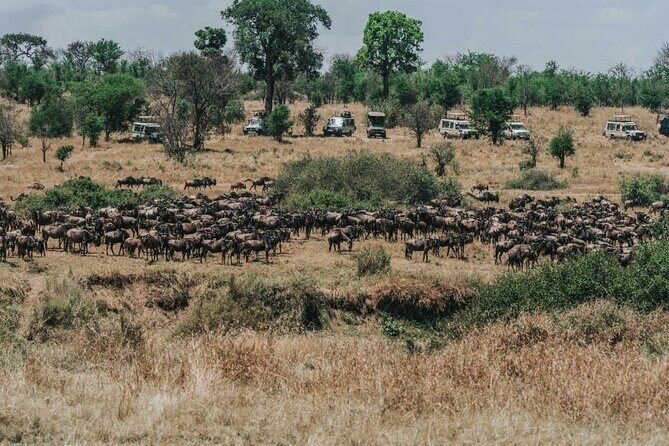
This safari is designed for long wildlife days, not a slow “look out the window” style. Expect driving time that can feel substantial, plus early starts on the days set up for best chances at animal activity. The big upside is that you’re not constantly racing back and forth. The pattern is clear: game drive in the reserve, meals planned around it, then dinner and rest at your camp or lodge.
Food is part of the rhythm. The tour includes breakfast (3), lunch (4), and dinner (3), with packed lunch on full-day drives and take-away or picnic-style meals on Day 3. That matters because when you’re in prime viewing areas, you don’t want long gaps where everyone just sits and waits for lunch logistics.
One practical note: Day 3 includes both a sunrise-focused plan and an optional balloon option. That means your morning will be busy. If you hate tight schedules, you’ll want to think carefully about whether you add the balloon (it’s optional). If you love early starts and want a view that’s hard to replicate from ground level, it can be a strong add-on.
Day 1 in Masai Mara: Rift Valley outlook, church stop, then first wildlife drive
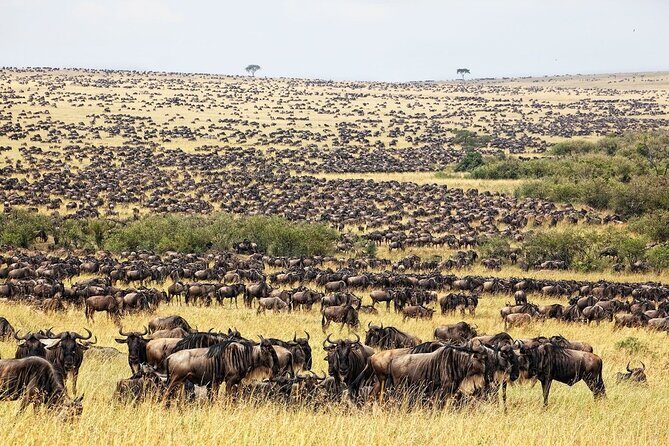
Day 1 is about getting oriented and then getting you into the Masai Mara experience right away. The plan begins with a Rift Valley view and a stop at what’s described as the first small Catholic church in Kenya. These are quick “set the stage” moments—useful if you want context beyond just wildlife.
After that, you head into the Masai Mara and check in for lunch at your camp or lodge. Then there’s an afternoon siesta, which is genuinely helpful after travel and setup. In the evening, you go out for a game drive, timed so you can catch wildlife when light and animal movement often pick up.
This first evening drive is important because it helps you learn the “rules of the game” fast. You get a baseline for where animals tend to be moving, how your driver positions the vehicle for views, and what the reserve feels like as the light drops. And if the wildebeest are already active during your week, this is when you might start seeing the scale of the herds.
Day 2 full-day plains drive: big cats, migration scale, and packed lunch logistics
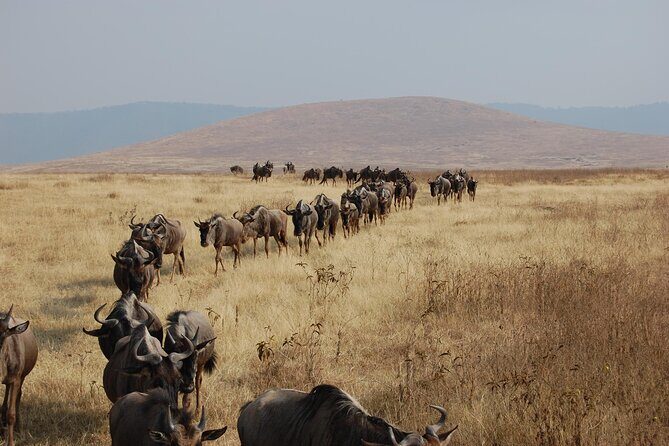
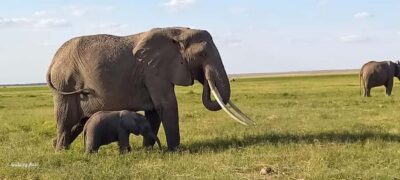
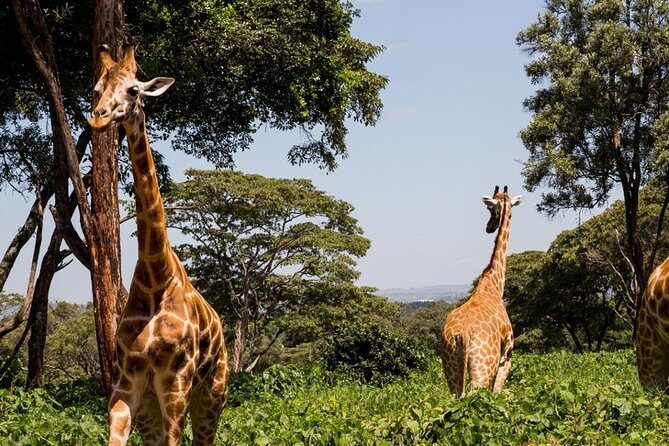
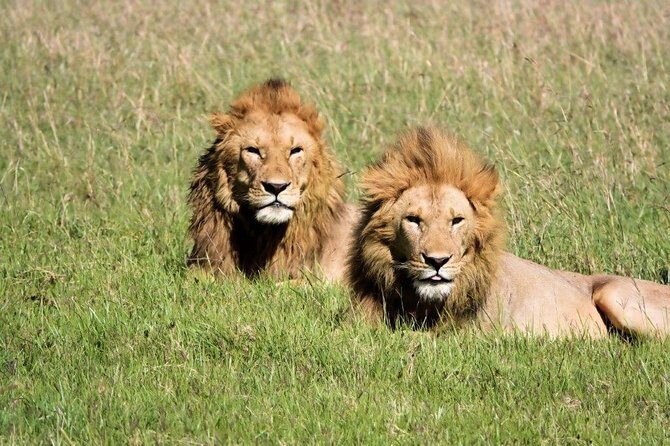
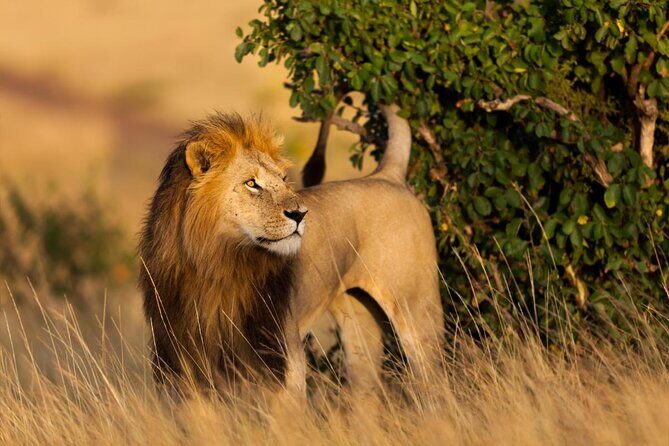
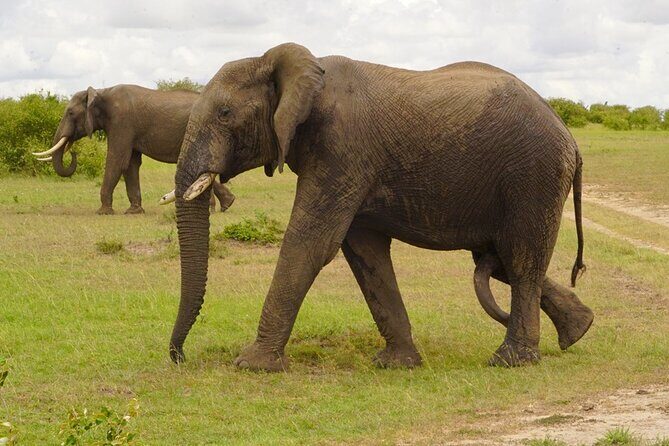
Day 2 is a full-day game drive in the Masai Mara plains, with a packed lunch for time in the bush. The tour explicitly calls out a search for big cats—lions, leopards, cheetahs, and serval cats—plus a wide list of other wildlife you might encounter: elephants, buffaloes, wildebeest, zebras, elands, topi, giraffes, impalas, and hippos.
Here’s why that matters for your planning: this is not a “one chance and done” wildlife day. A full day gives your guide time to work patterns. If one area is quiet, you can still move and look elsewhere. If sightings are strong, you can linger longer for better chances at behavior—like a chase or a hunt attempt.
The migration is also part of the plan today, with the tour noting the movement of wildebeest, zebra, and antelopes from Serengeti to Masai Mara in search of greener pastures. In practical terms, that means your day is likely built to stay near where the herds and their routes show up.
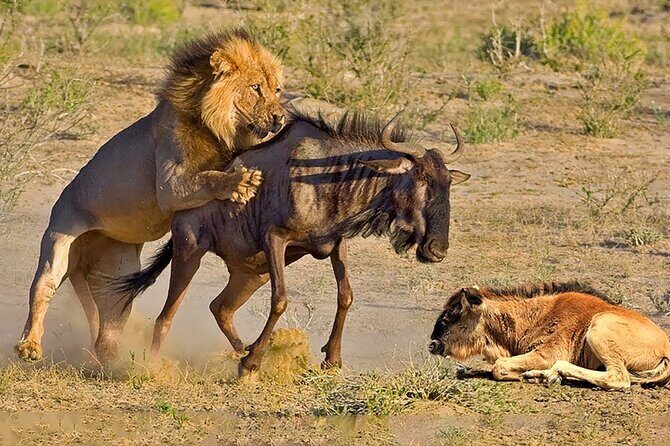
The tour mentions the possibility of seeing real hunting and the cats bringing down a kill. That’s the kind of moment people chase for a reason. I’d treat it as a bonus: the main value is that the route and timing give the best shot at those dramatic scenes.
Day 3 sunrise plan, Mara River walk, and the optional hot air balloon
Day 3 is the most “special-feeling” day because it’s set up around early energy and the river itself. The tour includes a take-away breakfast and then a plan with packed breakfast and lunch, plus a picnic bush breakfast and picnic bush lunch. The picnic breakfast is aimed at watching the sunrise in good weather, and then the schedule pushes you into another full day of game drive.
The itinerary sets up a very clear theme for this day: the “river of death,” the Mara River. After you spend time on the plains and hunting attempts happen (again, not guaranteed), you head to the river area for a walk by the riverside. That’s the point where the migration story turns from “wildlife viewing” into something more intense—because water is a filter, a hazard, and a stage for predators like crocodiles.
Also, Day 3 includes an optional hot air balloon safari over the Masai Mara, described as very early in the morning. Balloon rides typically suit people who want a different kind of wildlife experience—more about scale and positioning than close-up animal behavior. If you take it, you’ll trade a bit of flexibility on the ground for a strong aerial perspective.
One caution: if the weather is off, sunrise and balloon-style plans can become less smooth. The tour’s structure still aims to keep the day full, with game drive time and meals built in either way.
Day 4 Masai village culture stop, then head back toward Nairobi
Not every “Kenya safari day” is only about animals. Day 4 adds a cultural layer with a Masai village visit. The tour describes a hands-on feel: dancing with Masai warriors, learning about culture, and seeing practices like making fire naturally. You’ll also visit Masai manyatta houses and learn how they manage to coexist with wildlife.
This stop is worth it when you want a more complete picture of what life looks like around reserves—especially because wildlife tourism can otherwise make the region feel like a sealed-off world. Even if you’re mostly here for the migration, a culture visit like this can add context to the landscapes and communities that share space with animals.
After that, you depart for Nairobi, about a 5-hour drive, arriving in the evening. Drop-off is arranged at a Nairobi hotel or at the airport area, bringing the safari to a clean close.
Price and value: what $1,430 per person includes (and what costs extra)
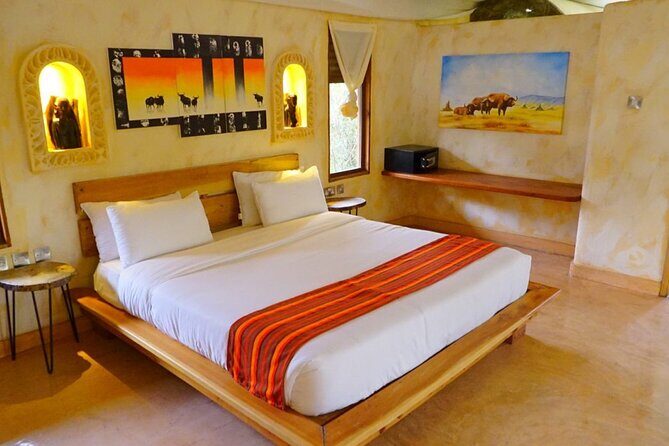
At $1,430 per person for about 4 days, you’re paying for a private safari setup with real logistics included. The tour includes private transportation, WiFi on board, binoculars, plus breakfast, lunch, and dinner (3 breakfasts, 4 lunches, 3 dinners listed). You’re also getting a hands-on operator approach: owner-managed and described as having a large fleet of custom built 4×4 vehicles.
That value matters because safari success is partly about timing, partly about positioning, and partly about comfort during long hours. A private setup also means you’re not stuck waiting on strangers or splitting attention. In a migration scenario, that flexibility can help.
The big cost to budget for is that park entry and conservation fees are not included: $80 per person per day. With multiple days inside the reserve environment, this can become a meaningful chunk of the total. If you’re doing cost math, add those fees early so you’re not surprised at the end.
My rule of thumb: if migration timing is your priority, pay attention to what’s included in the safari day itself (transport, drives, meals, guiding), then layer in the park fees to get the real number.
The operator style: owner-managed, responsive, and built for safari driving
Divulge Adventures is presented as owner-managed and hands-on, which usually means fewer layers between you and decisions in the field. They also emphasize fast, responsive service and a 24-hour backup service in case issues come up.
The vehicles are another strong point. The tour highlights a fleet of custom safari-built 4×4 wheel drive vehicles. That sounds like marketing fluff until you’ve spent real time in rough terrain. In practical terms, better vehicles and better planning usually translate into smoother drives, more stable viewing, and fewer disruptions.
On the guide side, names show up in the experience stories tied to this operator. You may meet guides like Eric, praised for wildlife knowledge, especially around big cats. The broader team name James also appears in service praise. Since guides can vary, I’d treat this as a hint about the culture of the company: strong wildlife explanations and a focus on getting you comfortable and informed, not just moved along.
Who this Masai Mara migration safari is best for
This works best if you want the migration as the main event and you can travel during the key months. If your ideal trip includes early starts, long game drives, and the chance to see predators react to a moving herd, you’ll likely love the structure.
It’s also a good fit for people who like a private setup. The tour is described as private, meaning only your group participates. If you’re traveling as a couple, a small family, or a group of friends who want one shared pace, that matters.
If you’re the type who wants short days and lots of downtime, this itinerary might feel intense. But if you’re okay with that style—packed lunches, picnic meals, and multiple drives—then it’s built for you.
Should you book this Wildebeest Migration Safari?
Book it if:
- Your travel dates line up with July–September and you want the Mara River crossing season.
- You’re excited by big cats plus the migration story, not just generic wildlife spotting.
- You value private transport, included meals, and built-in binocular support.
Skip or compare if:
- You’re trying to keep total cost down and don’t want to deal with park fees of $80 per person per day.
- You prefer slow travel and flexible mornings; Day 3 can be early and busy, especially if you add the balloon.
If you’re choosing a migration-focused trip, this one is designed around giving you multiple chances—across evenings and full days—and it pairs the wildlife with a Masai village visit for added meaning.
FAQ
Are park entry and conservation fees included in the price?
No. Park entry and conservation fees are listed as $80 per person per day and aren’t included in the tour price. That’s an important line item to budget for when you total your trip cost.
What’s included on the safari?
The tour includes private transportation, WiFi on board, binoculars, and meals: breakfast (3), lunch (4), and dinner (3). Specific meals are timed around game drives, including packed and picnic-style meals on the longer days.
Is the hot air balloon safari included?
The hot air balloon safari is described as optional and tied to a very early morning on Day 3. Since it’s optional and not listed under the included items, you should expect it may cost extra or require separate confirmation.
Is this a private tour?
Yes. The tour is described as private, and only your group will participate. That usually means your schedule and vehicle are set around your group, not mixed with strangers.
Does the tour offer pickup?
Pickup is offered. The tour also notes that it starts in Kenya and ends back at the meeting point, with Day 4 dropping you at a Nairobi hotel or the airport area.
What if something goes wrong during the trip?
The operator states there is 24-hour backup service in case of any issues. That’s useful for a safari, where timing and conditions can change quickly.