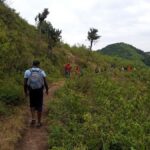
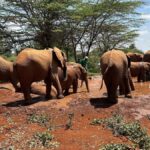
Big wildlife energy, real volunteer work.
Go Volunteer Africa’s Kenya Volunteering Safari blends Nairobi volunteering with Masai Mara wildlife time, so your days have both purpose and wow moments. I like how the program starts with an organized airport collection setup and keeps you grounded with an informative project briefing, which helps you understand what your role is meant to do (and what it’s not).
One thing to consider is that volunteer placements can vary by program and timing, so you’ll want clear, written details before you pay—especially because the overall rating is decent, but there are a few sharply negative reports in the broader mix. Still, if you’re the type who likes clear expectations and flexible days, this trip can be a powerful way to see Kenya while contributing something meaningful.
In This Review
- Key highlights you’ll care about
- First steps in Nairobi: pickup, briefing, and getting oriented fast
- Your volunteer placement: what roles are offered and what to expect
- Living conditions and meals: simple lodging, better food than you expect
- Getting from Nairobi to Masai Mara: why the transfer affects your whole trip
- Masai Mara game drives: open vehicles and sunset wildlife time
- Pace, group size, and how to pack for a 15-day mix of work and safari
- Price and value: what $1,250 usually buys on a volunteer-safari hybrid
- Trust and risk: how to vet your volunteer-safari before you commit
- Who this Kenya volunteering safari fits best
- Should you book the Kenya Volunteering Safari to Masai Mara?
- FAQ
- Where does this Kenya volunteering safari start?
- Is airport pickup included?
- How long is the Kenya volunteering safari?
- What is the price per person?
- What’s included in the cost?
- What isn’t included?
- What volunteering roles are available?
- Is safari time in Masai Mara included?
- Does weather affect the trip?
- What is the cancellation policy?
Key highlights you’ll care about
- Small groups (max 10 participants) can make volunteering feel less chaotic and safari days more personal.
- Nairobi to Masai Mara logistics are handled with private transportation, so you spend less time hunting connections.
- Open-vehicle game drives plus sunset drives are built into the safari rhythm.
- Meals and lodging are included, which makes budgeting easier once you arrive.
- Community placements can range across teaching, childcare, healthcare, construction, and sports coaching roles.
- You need good weather for the experience to run as planned, so have a little patience.
First steps in Nairobi: pickup, briefing, and getting oriented fast
This program runs out of Nairobi, and it starts at Jomo Kenyatta International Airport. Practically speaking, that matters because Kenya can feel like a big jump if you arrive with no plan. You also have airport collection built into the experience, and the meeting point window is listed as 7:00 AM–8:00 PM, Monday through Friday. So if your flight lands in the middle of the day, you’re likely to be able to plug in without major stress.
What I like here is the upfront structure. One of the most consistently praised parts of this kind of volunteer-and-safari trip is not the game drive, it’s the early guidance. A solid project briefing helps you understand your placement goals, your schedule, and the boundaries of your role. That’s a big deal because volunteering goes sideways when expectations are fuzzy. When expectations are clear, you can focus on being useful instead of worrying whether you’re doing it right.
You should also plan on a mix of city reality and countryside awe. Nairobi days can involve short trips and community work that feels grounded and hands-on. Then, when the safari portion starts, everything changes: heat, open horizons, and long game-drive hours. If you like travel with contrast, this program gives you that.
A few more Nairobi tours and experiences worth a look

Your volunteer placement: what roles are offered and what to expect
The heart of this trip is volunteering in Kenya, paired with safari. The program is marketed with multiple volunteering tracks, including teaching, childcare, construction, healthcare, and sports coaching. It’s also framed for people who want to pair volunteer work with touring and safari time.
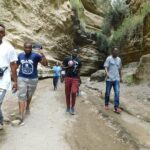
Here’s the practical bit: your day-to-day volunteering schedule will likely be structured around the local placement you’re assigned. Based on past participant experiences with Go Volunteer Africa in Kenya and across East Africa, placements often happen through community outreach settings and childcare-focused projects. You might work with kids, help support daily routines, or assist with basic project tasks tied to the center’s needs.
What you should expect emotionally: volunteering can be rewarding, but it can also be intense, especially when you’re working in communities facing tough circumstances. That doesn’t mean the experience is bad. It means you’ll be more comfortable if you go in with patience, respect, and a flexible mindset.
A big tip: treat your role as support, not savior work. You’ll do best when you show up ready to follow local guidance and adapt your help to what the project actually needs each day. If you can do that, the volunteering part starts feeling like contribution instead of performance.
Living conditions and meals: simple lodging, better food than you expect
This experience includes accommodation plus breakfast, lunch, and dinner, which is one of the best value features. Once you’re on the ground, it reduces decision fatigue. You don’t have to negotiate every meal or wonder what you’ll eat after a long day.
About lodging: the program isn’t described as a luxury stay. Accommodation is included, but past feedback connected to Go Volunteer Africa’s Kenya programs points to basics—comfortable enough for rest, not hotel-luxury. That’s typical for volunteer travel. You’ll want to pack for practicality: layers for temperature swings, basic toiletries, and a plan for laundry if you’ll be staying multiple weeks.
Food gets a positive note in the overall feedback. People describe meals and living conditions as better than they expected, and that’s important because a safari can drain you fast. If you’re eating well and sleeping consistently, you’ll enjoy the game drives much more.
Getting from Nairobi to Masai Mara: why the transfer affects your whole trip
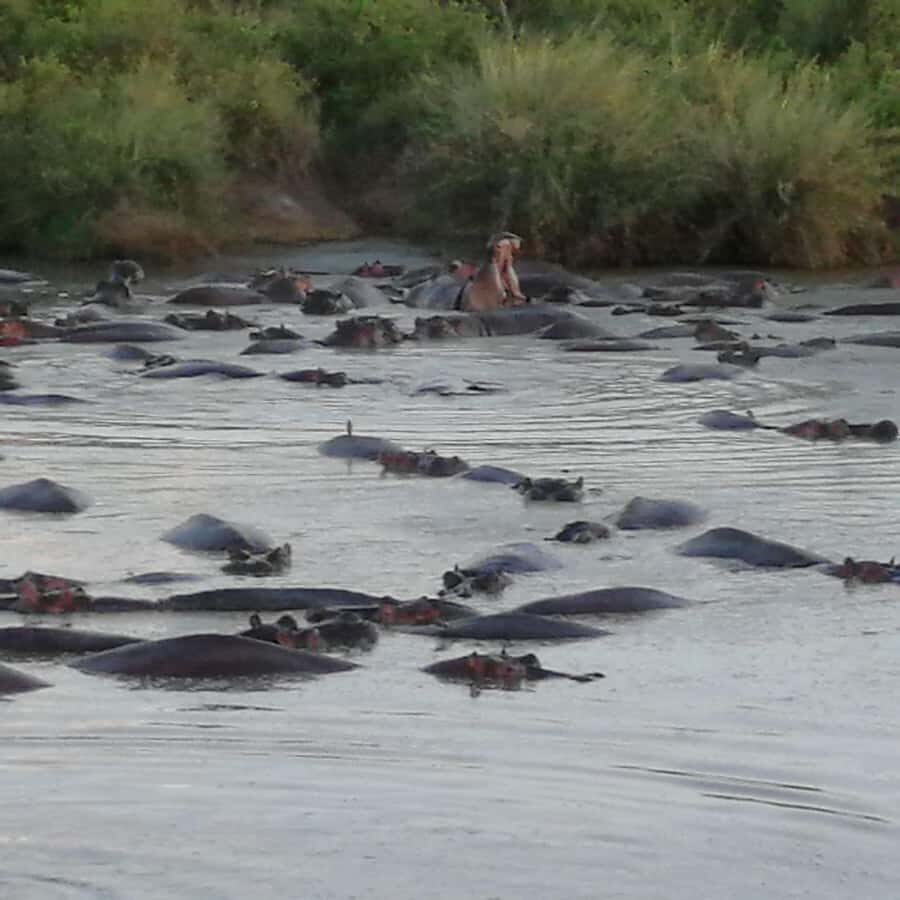
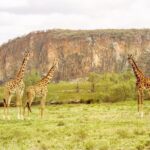
Masai Mara is in south-west Kenya and is famous for wildlife concentrations. The program includes safari time in Masai Mara, and private transportation is listed as included. In a trip like this, the transfer isn’t just a line on a schedule. It changes your energy level, your expectations, and your daily routine.
With private transportation handled, you avoid a common volunteer-safari headache: splitting logistics between public transport and informal rides. Even if the roads are long and the drive is bumpy at times, having a plan reduces stress. And with a small group cap (maximum 10 participants), the movement tends to be smoother than in big tours.
If you’re the type who likes to take photos, bring a lens cloth and keep water accessible. If you’re the type who gets motion-sick, take precautions. The safari portion rewards patience, and you’ll have an easier time enjoying the wildlife if your body feels okay during the travel days.
Masai Mara game drives: open vehicles and sunset wildlife time
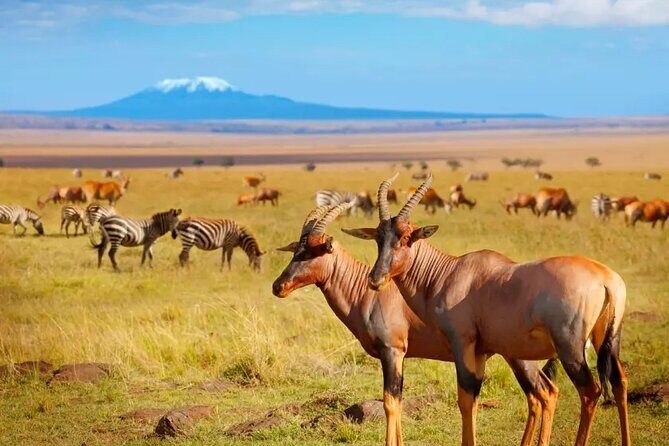
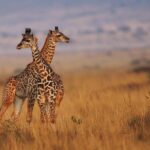
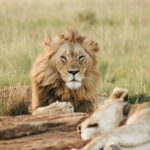
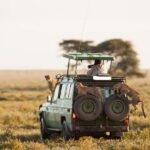
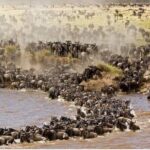
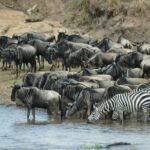
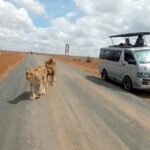
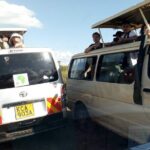
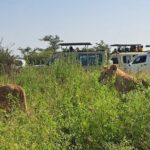
This trip’s safari selling point is not just that you’ll see Masai Mara wildlife. It’s the format: open vehicle game drives plus sunset drives. That matters because open vehicles change the experience from distant viewing to close, real-time sightings. You can often get better views, feel the temperature shift, and catch behavior you’d miss from a closed vehicle.
Sunset drives are especially valuable because animals move differently as light fades. Even if you can’t control what you’ll see, the timing usually boosts your odds of memorable sightings. The light is softer, the sky turns dramatic, and the pace feels less like a checklist and more like a slow watch.
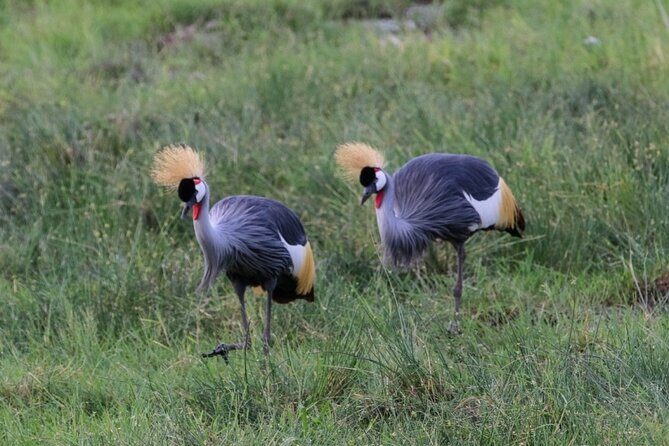
A quick expectation check: safari days are often long and sometimes quiet between sightings. That’s part of the deal. If you treat each drive like a waiting game with a reward at the end, you’ll enjoy it more. Bring snacks you can manage, keep your camera charged, and consider simple bird-and-mammal spotting as your default activity during the downtime.



Pace, group size, and how to pack for a 15-day mix of work and safari
This experience is designed for an adventurous traveler who wants to travel with a purpose, and it runs for about 15 days. That length is long enough to create rhythm. You’ll likely have days that feel more structured (volunteering) and days that feel more free-form (safari drives and sightseeing).
The maximum group size of 10 participants can be a sweet spot. It’s small enough to feel personal and coordinated, but big enough that you’ll meet people and have morale during long drives. You’ll also get practical help from the team because there are fewer moving parts than with huge groups.
Packing tips based on what’s commonly needed in this kind of setup:
- Light layers for Nairobi warmth and cooler morning or evening temps in the Mara.
- Comfortable shoes for daily walking during volunteering days.
- A small day bag for your safari essentials.
- Sun protection and water habits you already trust.
- Modest clothing for community settings, plus something comfortable for driving.
If you have any medical needs, bring your own supplies. The tour lists insurance as not included, so you’ll be the one deciding your own medical coverage plan.
Price and value: what $1,250 usually buys on a volunteer-safari hybrid
At $1,250 per person (approximate, as listed), this trip sits in the “mid-range” zone for volunteer travel paired with a real safari. The value comes from what’s included: private transportation, accommodation, and all three meals (breakfast, lunch, dinner).
When you compare that to separate bookings—lodging, transfers, and meals—your costs add up fast. Safari-focused trips often charge extra for transport and lodging alone. Here, the package wraps those basics together, which is why it can feel like a better deal than many volunteer programs that only cover the project part and leave you to figure out the rest.
That said, the exclusions matter. Visa, flights, and insurance are not included, and personal expenses are on you. So your real budget depends on where you’re flying from, what your visa situation is, and how you want to handle health coverage and emergencies.
My advice: price-check the included pieces instead of just reading the total. If you already have flights and solid insurance, this price can feel more straightforward. If you still need flights and coverage, plan for those add-ons early so you don’t get surprised.
Trust and risk: how to vet your volunteer-safari before you commit
This program’s overall rating is 4.2 based on 10 reviews, so the experience seems to work well for many people. At the same time, there are some extremely negative reports in the broader feedback mix. I can’t verify any claim beyond what’s stated, but the takeaway is clear: you should treat this as an important purchase and do your homework.
Here’s what I’d do before booking any volunteer safari:
- Ask for written confirmation of your volunteering placement type (teaching, childcare, healthcare, etc.) and where it will be in Kenya.
- Confirm what the program day structure looks like across the 15 days.
- Get a clear explanation of what’s included in transport and safari time.
- Pay in a way that gives you protection if something goes wrong.
One positive thread that shows up is the professionalism of the program agent. In at least one experience, Paul is named as a program agent who organized the trip well. That’s the kind of accountability you want: someone who can answer questions fast and keep plans consistent.
Who this Kenya volunteering safari fits best
You’ll likely enjoy this trip if:
- You want volunteering plus wildlife, not just one or the other.
- You’re okay with simple lodging and long days.
- You like open vehicles and are excited by the Masai Mara wildlife reputation.
- You want a structured start in Nairobi with pickup and briefing.
You might want to choose a different option if:
- You need luxury accommodation and guaranteed placement specifics.
- You hate uncertainty and want a fully fixed schedule down to the hour for every volunteer activity.
- You’re uneasy with the emotional side of community work.
The best match is someone who can handle contrast: community mornings, safari afternoons, and a trip that asks for flexibility without being random.
Should you book the Kenya Volunteering Safari to Masai Mara?
If you want purpose plus wildlife and you’re willing to pack for basics, this is a strong value-style trip on paper. The included accommodation and meals help a lot, and the safari format—open vehicle drives with sunset time—sounds like the part that turns the whole itinerary into a memory.
Still, do one thing before you commit: get placement details in writing and confirm how the volunteering portion connects to the safari days. If the answers are clear and you feel confident in the plan, then you’ll likely walk away with a trip that feels both meaningful and wildly fun. If the answers are fuzzy, pause and ask more. This is the kind of experience where good clarity pays off fast.
FAQ
Where does this Kenya volunteering safari start?
The start point is Jomo Kenyatta International Airport in Nairobi, Kenya.
Is airport pickup included?
Airport collection is offered, with the meeting point starting at Jomo Kenyatta International Airport.
How long is the Kenya volunteering safari?
The duration is listed as approximately 15 days.
What is the price per person?
The price is $1,250.00 per person.
What’s included in the cost?
Included items are private transportation, accommodation, and meals (breakfast, lunch, and dinner).
What isn’t included?
Visa, flights, insurance, and personal expenses are not included.
What volunteering roles are available?
The program lists options such as teaching, childcare, construction, healthcare, and sports coaching volunteer work.
Is safari time in Masai Mara included?
Yes. The experience includes Masai Mara wildlife time with open vehicle game drives and sunset drives.
Does weather affect the trip?
Yes. The experience requires good weather, and if it’s canceled due to poor weather, you’ll be offered a different date or a full refund.
What is the cancellation policy?
You can cancel up to 24 hours in advance for a full refund. If you cancel less than 24 hours before the start time, the amount paid is not refunded. Cut-off times are based on local time.