REVIEW · NAIROBI
12 days Kenya and Tanzania safari private lodge from Nairobi
Book on Viator →Operated by Perfect Safaris · Bookable on Viator
Twelve days, two countries, one wildlife mission. This private lodge safari stitches together Kenya’s Lake Naivasha/Lake Nakuru with peak game-viewing in Maasai Mara and Tanzania’s Serengeti and Ngorongoro Crater—without you having to coordinate the moving parts yourself.
I love two things most: the mix of game drives plus lakeside wildlife moments, and how much is handled for you with park entrance fees, meals, and accommodation built into the trip. I also like that the itinerary keeps giving you chances to spot animals in different habitats, not just one long stretch of savanna driving.
One drawback to weigh: this is not a high-end luxury lodge tour. Some feedback points to lodging and meals that can feel more basic than you might expect, so it’s smart to confirm room style and comfort level before you say yes.
In This Review
- Key things to know before you go
- How this Kenya-to-Tanzania itinerary stays manageable in 12 days
- Nairobi Day 1: a first-night cushion at Best Western Plus Westlands
- Rift Valley days: Lake Naivasha, Hell’s Gate, and Lake Nakuru black rhino
- Lake Naivasha and Hell’s Gate mini safari
- Lake Nakuru and the black rhino chance
- Maasai Mara: multiple drives and the Big Five pursuit
- Day 4: timing Mara for late-day viewing
- Day 5: full Mara day with picnic lunches and optional culture
- Crossing into Tanzania: Serengeti arrives with an evening game drive
- Serengeti: two game-drive halves and the timing of migration
- Ngorongoro Crater: one descent, one packed game drive
- Lake Manyara and Karatu: birdlife, forest-edge action, and tree-climbing lions
- Tarangire National Park: baobabs, riverside life, and the Great Rift Wall backdrop
- Lodging and comfort level: private transport, midrange sleeping styles
- Private logistics that reduce stress (and why they matter for value)
- Guides and flexibility: the human factor that drives repeat praise
- Who should book this safari, and who should double-check expectations
- Should you book this 12-day Kenya and Tanzania safari?
- FAQ
- Is this tour fully private the whole time?
- What parks are included in the 12 days?
- Is the boat ride at Lake Naivasha included?
- Are park entrance fees included?
- What does the Nairobi start look like?
- What lodging style should I expect in Maasai Mara?
- Are meals included?
- What optional activities cost extra?
- How does the Tanzania-to-Kenya return work at the end?
- What’s not included in the price?
- What’s the group size?
Key things to know before you go
- Private transport between sites keeps travel smoother, with a Tanzania-side 4WD Land Cruiser for safari time
- Multiple game-drive days in Maasai Mara and Serengeti, plus crater and lake drives for variety
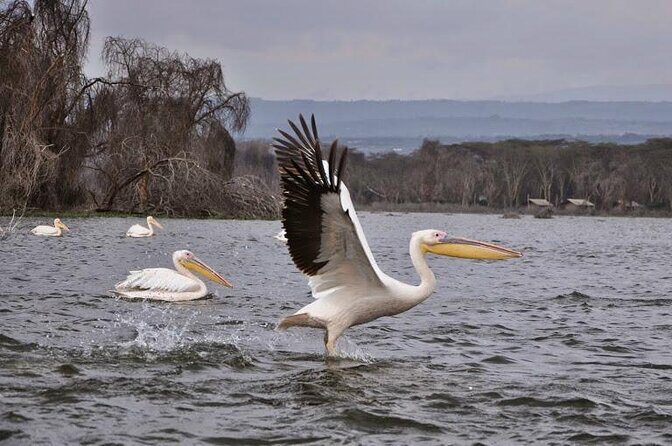
- Boat ride at Lake Naivasha for hippo viewing and bird watching
- Nairobi starts with a first-night hotel (Best Western Plus in Westlands) and free airport pickup on arrival
- Optional add-ons are real price tags: Maasai village at $20 per person, balloon safari around $380 per person
- Max 15 travelers helps keep things organized even when “private” still includes some shared safari logistics
How this Kenya-to-Tanzania itinerary stays manageable in 12 days
Kenya and Tanzania in 12 days means one thing: you’ll move with purpose. The value here is that the driving, lodging changes, and park entries are handled as a package, so you spend more time looking out the window than figuring out schedules. You’ll also get a “layered” safari—lakes first, then Kenya’s iconic plains, then Tanzania’s migration country, then Ngorongoro’s animal-dense crater.
A practical benefit: you’re not doing this as a tight bus tour. The trip is built around private transportation between stops, and you’ll have professional support as you cross from Kenya into Tanzania. That matters because borders and long drives can turn stressful fast when you’re doing it solo.
You can also read our reviews of more private tours in Nairobi

Nairobi Day 1: a first-night cushion at Best Western Plus Westlands
Your trip begins with a pickup on arrival in Nairobi and a drop to your hotel. You also get a complimentary first night at Best Western Plus Hotel in Westlands, where you can check in, relax, and get oriented before the safari schedule takes over.
This is more than a nice gesture. A first-night hotel means you’re not forced into immediate game-drive mode the same day you arrive, which is usually where energy and patience leak out. It’s also a good way to settle paperwork and logistics—then you’re ready to start the Rift Valley adventure the next morning.
Rift Valley days: Lake Naivasha, Hell’s Gate, and Lake Nakuru black rhino
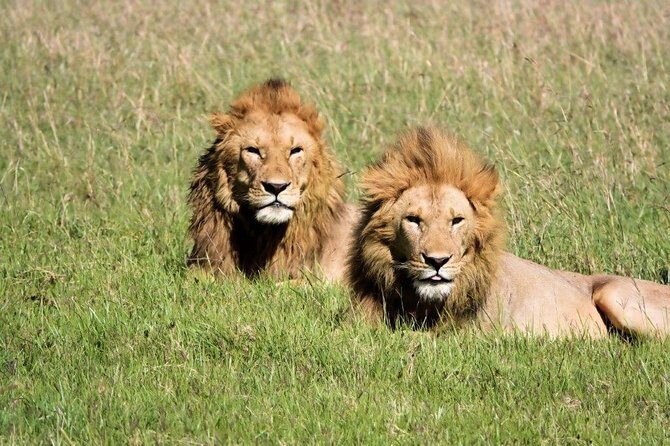
Days 2 and 3 are where the trip shows its “two speeds.” You’ll get scenic viewpoints and lighter safari formats, then shift into classic park driving.
Lake Naivasha and Hell’s Gate mini safari
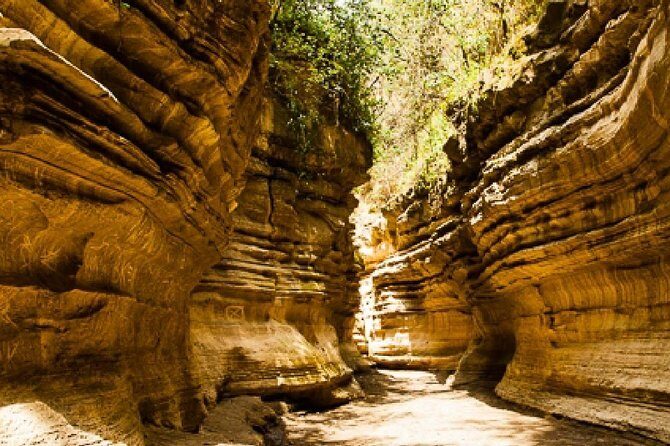
You start with a stop at a Great Rift Valley viewpoint for photos. From there, you head to Hell’s Gate National Park for a mini safari. The itinerary also includes a natural sauna stop at Naivasha, which is the sort of extra that can make a day feel personal rather than purely transactional.
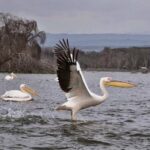
Then comes one of the best “non-vehicle” wildlife moments: an evening boat ride on Lake Naivasha for hippo viewing and bird watching. If you’ve only ever seen animals from a vehicle, this is a welcome change of pace and a strong contrast to the big open plains days ahead.
What to watch for: boat rides are timing-sensitive. If you’re the type who hates waiting, try to stay relaxed on this day—the payoff is the animal time, not the clock.
Lake Nakuru and the black rhino chance
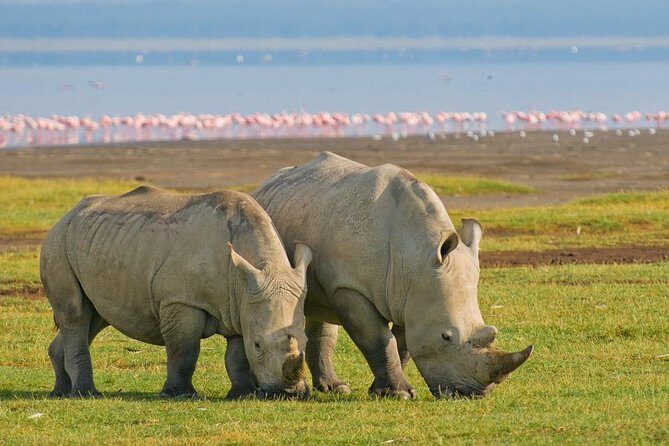
The next morning you go to Lake Nakuru National Park with a specific wildlife target: the rare black rhino (an endangered species). The day includes a game drive that can run late, which gives you more daylight odds to see animals active around feeding and water.
After that, you transfer to Naivasha for an overnight (Lanet is listed). This positioning matters because it keeps your Kenya portion efficient—you’re not sleeping too far away from your next Mara push.
A few more Nairobi tours and experiences worth a look

Maasai Mara: multiple drives and the Big Five pursuit
Maasai Mara is the headline act for many safari travelers, and this itinerary gives it more than one shot.
Day 4: timing Mara for late-day viewing
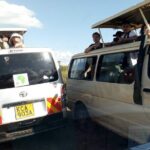
You’ll drive toward the Mara area, stopping at Mai Mahiu Transit Town where you join a group safari to enter the reserve. That’s an important detail: while your overall trip uses private transport, the game drive portion in Mara happens via a shared safari setup once you’re inside the reserve.
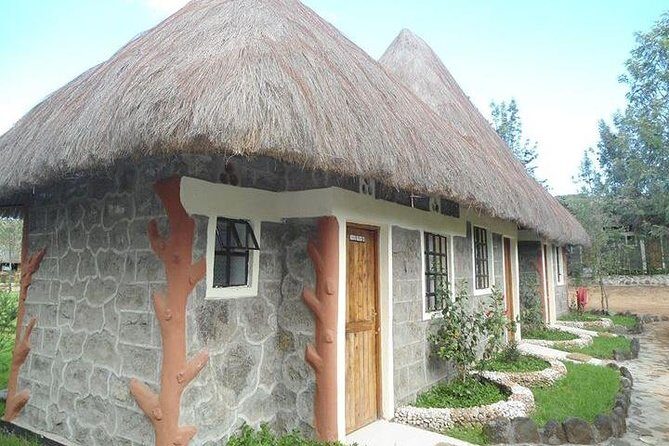
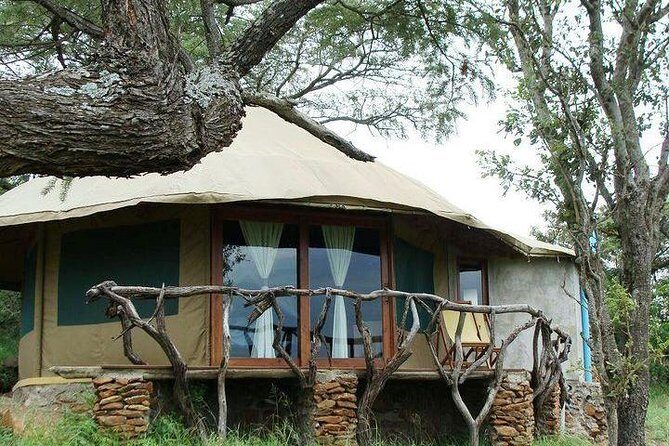
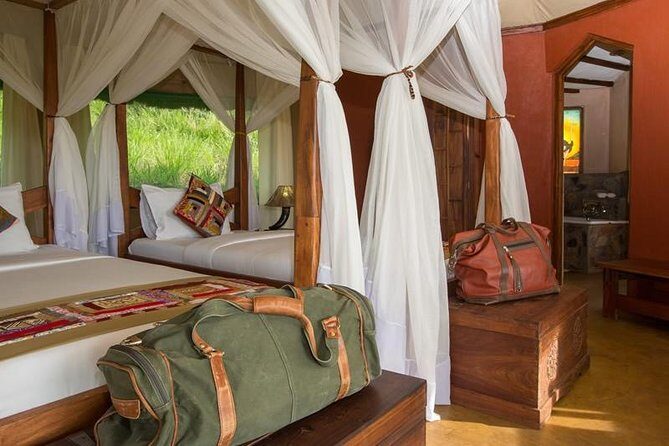
You arrive in time for lunch, then you get settled at Miti Mingi tourist camp or Rhino Camp, described as having a big tent with a bed, mosquito net, and bathroom. At around 4 pm, you have a 2-hour game drive, running until late.
Practical note: late-afternoon drives often reward patience—animals move toward shade and water, and predators can become more visible. If you want a “first look” Mara day, this timing is a smart use of light.
Day 5: full Mara day with picnic lunches and optional culture
Day 5 is the big Mara day. You’ll do a full day game search in Maasai Mara with a mix of vehicle time and picnic lunches under a croton shade tree by the Mara river area.
Optional add-ons are offered:
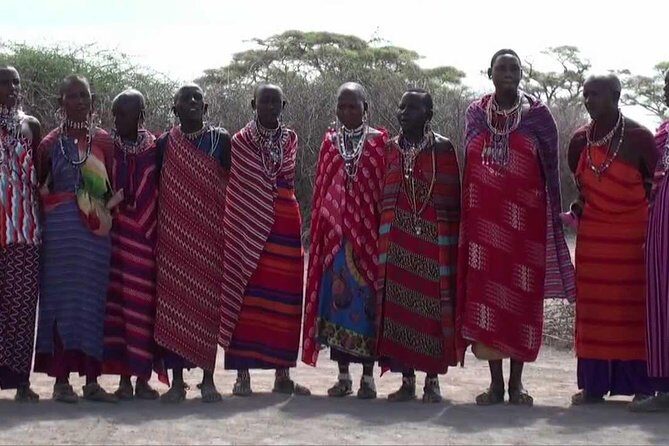
- Masai village cultural tour for $20 per person
- Balloon safari around $380 per person (optional, typically early morning)
If you’re deciding between the two, think about your travel style. I’d treat the balloon safari as a photo-and-memory experience, while the Masai village visit is about human connection and learning how communities live alongside the reserve. Either way, you’ll be doing Mara in full daylight first, which keeps your animal focus intact.
Crossing into Tanzania: Serengeti arrives with an evening game drive
Day 6 is the “change of country” day, and it’s set up to reduce the two classic frustrations: border chaos and traffic delays.
You’ll have an early start with pickup en route so you don’t get stuck in traffic around the time you approach the Isebania Border area. Lunch happens, then you meet the Tanzania guide, and you travel with a 4WD Land Cruiser for safari time. In the evening, you go for a game drive in Serengeti.
This is a good strategy if you’re trying to maximize wildlife hours. By the time you arrive in Serengeti, you’re not wasting the whole day “getting there.” You’re already looking.
Serengeti: two game-drive halves and the timing of migration
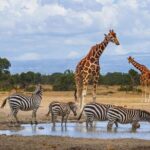
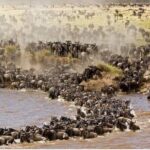
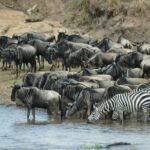
Day 7 is your full day in Serengeti National Park, built around morning and afternoon game drives. Serengeti is described as the park that shares borders with Kenya’s Mara, and it’s also framed around migration movement: over a million wildebeest and hundreds of thousands of zebras moving across the plains depending on rains.
The itinerary calls out:
- Short rains around October and November
- Long rains around April, May, and June
In plain terms, this is why Serengeti feels different from other parks. You’re not only hunting for individual animals—you’re hunting for patterns: where herds are and how predators are positioning themselves around those moving edges.
What you can realistically do: keep your expectations flexible. Migration is dramatic, but it also depends on timing, water, and herd behavior. Even when you’re not watching a mass crossing, Serengeti still offers the “ecosystem” feeling—predators, grazers, and birds working the same food chain.
Ngorongoro Crater: one descent, one packed game drive
Day 8 is a crater day: after breakfast, you descend into Ngorongoro Crater for a game drive with picnic lunches included.
The itinerary describes the crater as a natural sanctuary inside a large volcanic caldera, with dense animal populations and the possibility of seeing rare black rhino. It also notes that the crater’s walls reduce migration in and out, which is why the wildlife density can be so high.
Expect a “lots of wildlife per hour” feeling when conditions are right. Lions, elephants, zebras, hippos, flamingos, jackals, rhinos, and antelopes are all mentioned as possible sightings. I’d treat this as the day to slow down and scan carefully—when the area is packed, small details (birds near water, tracks near grass, activity by cliffs) often lead to the best surprises.
Lake Manyara and Karatu: birdlife, forest-edge action, and tree-climbing lions
Day 9 shifts focus from open plains to a more wooded park feel.
You start with a morning game drive in Lake Manyara National Park, where the highlights include:
- flamingos, pelicans, and cormorants
- lots of birdlife
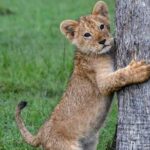
- a famous behavior: lions can be found climbing trees
- monkeys and baboons in forested spots
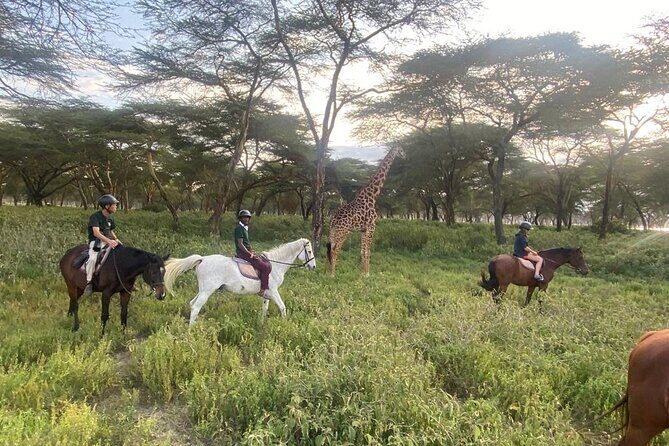
- giraffes and browses in open areas
After the morning drive, you travel to Karatu for an overnight. Karatu is described as the town next to the park, known for a central food market, which can make meal planning and local atmosphere easier than staying far away.
Tarangire National Park: baobabs, riverside life, and the Great Rift Wall backdrop
Days 10 and 11 are your Tarangire finish, plus an Arusha drop-off at the end.
The itinerary frames Tarangire around the Tarangire River as a dry-season water anchor for animals. It also describes the ecosystem as a place where animals concentrate during dry periods, with landscapes including granitic ridges, swamps, and baobab trees, plus acacia and combretum woodlands.
A couple of practical notes:
- Day 10 includes a full day game-drive flow described around the Great Rift Wall backdrop, then continues to Tarangire. The wording mixes names slightly, but the intent is clear: you’ll be driving for wildlife and then moving into Tarangire area time.
- Day 11 is another full day in Tarangire, then you proceed to Arusha for drop-off.
If you like big-safari variety, Tarangire is a strong closing chapter. You may see elephants and buffalo mentioned in the itinerary, plus giraffe and zebra, and you’ll get those distinctive baobab shapes that make photos feel more “Tanzania” than “generic safari.”
Lodging and comfort level: private transport, midrange sleeping styles
One theme that matters when you’re deciding: what kind of lodging comfort do you want at the end of a day of long drives?
In the Mara portion, the itinerary specifically describes a stay with a large tent, a bed, mosquito net, and a bathroom at either Miti Mingi tourist camp or Rhino Camp. That doesn’t mean it’s rough, but it does mean you’re not in a standard hotel room.
And while many comments praise organization and smooth service, there is also a caution flag about comfort expectations. If you’re imagining five-star lodges and gourmet spreads every night, you should confirm the exact accommodation category you’ll get for your dates. You can be prepared and still enjoy the safari—you just don’t want surprise.
Private logistics that reduce stress (and why they matter for value)
The tour is priced at $5,865.39 per person, and the value case is in what’s included.
You get:
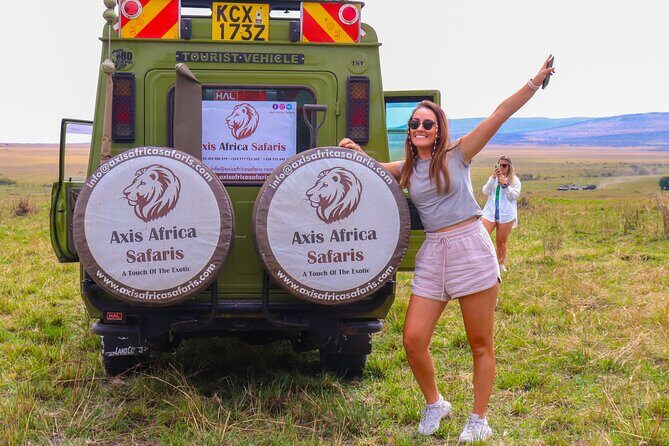
- Private transportation
- Professional driver and guide
- Park entrance fees
- All accommodation full board
- Boat ride at Lake Naivasha
- First night complimentary accommodation in Nairobi
- Complimentary airport pickup on arrival
- Meals listed across the days (breakfast, lunch, dinner included)
In other words, you’re paying for fewer “add-ons” and less decision fatigue. Safari costs can balloon when you have to piece together park fees, lodge nights, and transfers separately. By bundling those basics, you get more predictable spending—plus you spend less time negotiating with multiple suppliers.
Still, two costs are on your radar:
- personal drinks like alcohol are not included
- optional experiences like balloon safari and Masai village tours cost extra
If you budget a few extras ahead of time, the pricing feels more stable.
Guides and flexibility: the human factor that drives repeat praise
Safari success depends on more than animals. It depends on finding them, reading behavior, and keeping the day on track when plans shift.
The feedback highlights names like George Mumba (described as director and repeatedly praised), Japhet, Lu (short for Lunja), and Sammy for making days smoother and more fun. This kind of consistency matters most during long drives and park days, when you need calm problem-solving and sharp spotting.
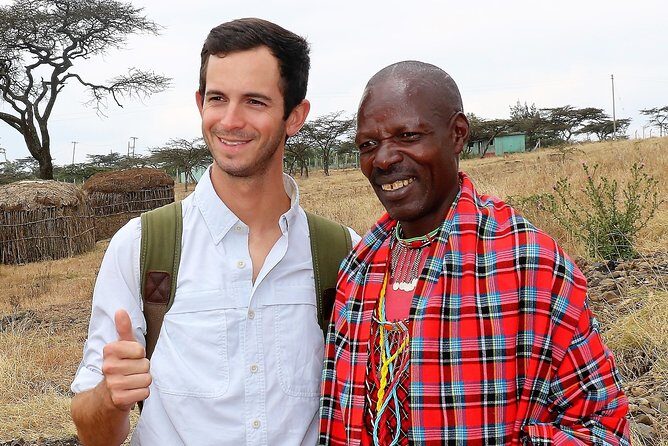
One more detail that can matter to you: the itinerary allows flexibility. You can request an overnight at the Masai village upon request, and the overall flow is designed to fit your timing rather than forcing you into a rigid “one size fits all” schedule.
Who should book this safari, and who should double-check expectations
This is a strong fit if you want:
- a single organized route from Nairobi through Kenya and into Tanzania
- multiple major parks in one trip
- private vehicle transfers plus safari-focused guiding
- a classic mix of lakes, plains, and crater wildlife time
It may be less ideal if you want:
- luxury lodge standards every night
- lots of downtime and short drives
- a purely private game-drive experience in every single park segment (since Mara driving is described as joining a group safari)
If you’re traveling as a couple, honeymooner, family group, or small friends crew, the max 15 travelers ceiling helps keep the trip from feeling crowded, even while some game-drive logistics can still be shared inside parks.
Should you book this 12-day Kenya and Tanzania safari?
Yes, with two smart checks.
Book it if you want a well-paced big-park combo—Maasai Mara, Serengeti, and Ngorongoro—plus Kenya lake time at Naivasha and Nakuru. The included park fees, meals, and lodge nights make budgeting easier, and the itinerary design prioritizes wildlife hours rather than wasted transfers.
Don’t book blindly if “luxury” is your non-negotiable. Confirm the accommodation style you’ll get (especially the tent-camp nights in Mara) and ask what’s included for comfort basics. With that clarified, you’ll be set up for the kind of safari that feels like you’re seeing Africa, not just checking off parks.
FAQ
Is this tour fully private the whole time?
You travel between sites in private transportation. However, in Maasai Mara you join a group safari after arriving via Mai Mahiu Transit Town, so the game drive portion there may not be in your own vehicle only.
What parks are included in the 12 days?
The itinerary includes Hell’s Gate National Park, Lake Naivasha area, Lake Nakuru National Park, Maasai Mara National Reserve, Serengeti National Park, Ngorongoro Crater, Lake Manyara National Park, and Tarangire National Park.
Is the boat ride at Lake Naivasha included?
Yes. The tour includes a boat ride at Lake Naivasha for hippo viewing and bird watching.
Are park entrance fees included?
Yes. Park entrance fees are included as part of the package.
What does the Nairobi start look like?
On arrival in Nairobi you receive complimentary airport pickup, plus a first-night complimentary stay at Best Western Plus Hotel in Westlands.
What lodging style should I expect in Maasai Mara?
The itinerary describes a stay at Miti Mingi tourist camp or Rhino Camp, with a big tent, a bed, mosquito net, and a bathroom.
Are meals included?
Yes. The tour lists all accommodation full board, and it also specifies breakfast, lunch, and dinner across the days.
What optional activities cost extra?
Two options are listed:
- Masai village cultural tour for $20 per person
- Balloon safari for $380 per person (optional)
How does the Tanzania-to-Kenya return work at the end?
On day 12 you have breakfast and then a shuttle back to Nairobi. Shuttle options listed are: 7 am (arrives around 2 pm), 9 am (arrives around 4 pm), and 11 am (arrives around 5 pm). You advise where you want to be dropped.
What’s not included in the price?
Personal drinks such as alcohol are not included.
What’s the group size?
The tour notes a maximum of 15 travelers.