REVIEW · NAIROBI
Private Kenyan Cooking Class in Nairobi with a Local
Book on Viator →Operated by Traveling Spoon · Bookable on Viator
Smells like home cooking, not a show. In Nairobi, this private workshop brings you into a real Kenyan household kitchen with Grace, where you watch and help prepare a comfort-food menu and hear family stories along the way. It’s a simple idea with big payoff: learn the dishes, then sit down and eat what you made.
What I like most is the focus on specific, everyday Kenyan staples—mukimo, ugali, spiced rice, and local vegetables—so you’re not just copying a tourist menu. I also like that the day ends with you sharing the meal together, which makes the whole experience feel more like visiting family than collecting photos.
One consideration: Grace’s kitchen is very small, so this is more cooking demonstration than fully hands-on class. You’ll help when possible, but you should go in expecting to do some watching too.
In This Review
- Key highlights you’ll feel right away
- Nairobi home cooking, focused on one real menu
- Entering Grace’s small kitchen (and how the class really works)
- Your Nairobi menu: mukimo, ugali, spiced rice, and vegetables
- Mukimo: mashed potatoes and greens
- Ugali: corn flour and water
- Spiced rice (pilau-style)
- Local vegetables
- Pantry-friendly variations
- Time at the table: why the meal feels like the point
- Price and value: $76 per person for a home-cooked lesson
- Who this Kenyan cooking class is perfect for
- Quick practical tips before you go
- Should you book this Nairobi cooking class with Grace?
- FAQ
- How long is the cooking class?
- What time does it start in Nairobi?
- Is this a private experience?
- Will I be able to cook, or mostly watch?
- What dishes will I learn to make?
- Where does the activity start and end?
- How soon will I get confirmation after booking?
- Is there free cancellation?
- Are service animals allowed?
Key highlights you’ll feel right away
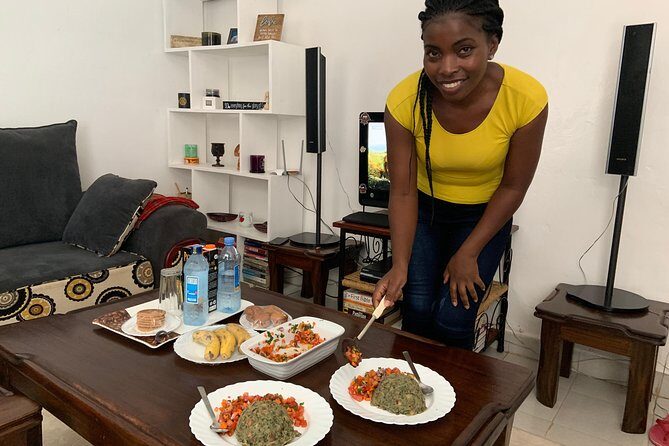
- Private session in a local home with only your group
- Grace as your host (including stories from her grandmother, over 100 years old)
- Mukimo, ugali, pilau, and local vegetables focused on real dishes you can recreate
- A small-kitchen setup where you’ll watch closely and help when there’s room
- You eat what you cook as a shared home-cooked meal
- Value for a half-day food experience at $76 per person
Nairobi home cooking, focused on one real menu
This runs about 3 hours, starting at 11:00 am and ending back where you meet. For a food activity, that timing is handy. You get a substantial experience without losing half a day to logistics or slow sightseeing detours.
It’s also private. That matters because you can ask questions without feeling rushed, and Grace can adapt what she has planned to your group. There’s mention of group discounts, which is good if you’re traveling with friends and want to keep the per-person cost sensible.
And yes, you’re near public transportation, which can make the start easier if you’re not renting a car or doing everything via taxi. This kind of experience works best when you keep your day flexible and show up ready to learn.
You can also read our reviews of more private tours in Nairobi



Entering Grace’s small kitchen (and how the class really works)
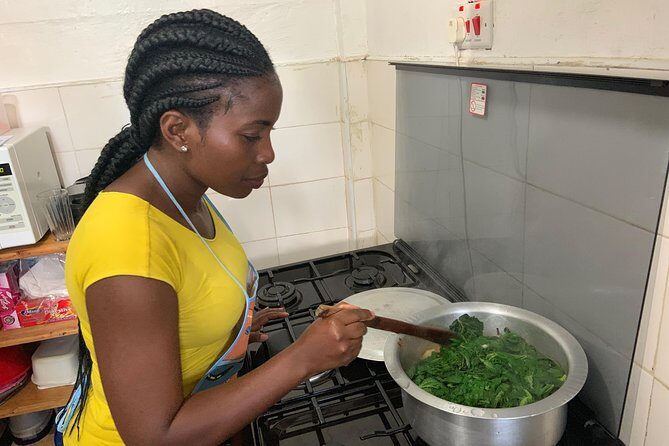
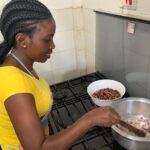
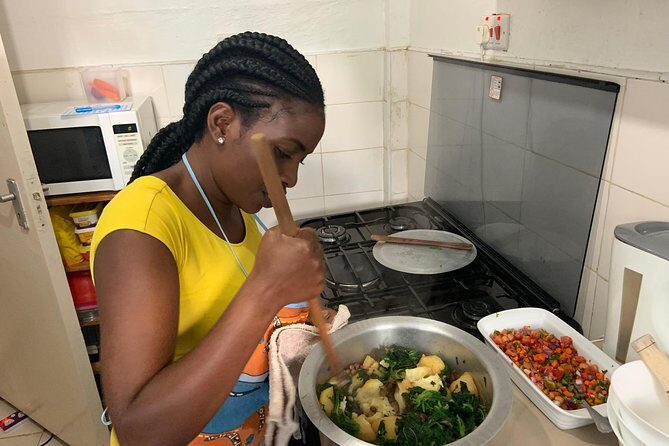
The heart of the experience is Grace’s kitchen. It’s modest and compact, which shapes how the workshop plays out. Because the space is very small, Grace does most of the cooking while you watch, and she’ll have you help whenever she can. Think of it as guidance plus participation, not a big station setup with tools lined up for every person.
That format can actually be a plus. When you’re close to the action, you see the rhythm of making food at home: the pace, the order of tasks, and how a cook manages heat, timing, and ingredients in a real household setup. You’re also more likely to pick up practical tricks simply by paying attention to what Grace repeats and what she pauses on.
Grace also shares stories as you cook, including family food memories tied to her grandmother, who is over 100 years old and made mukimo for the family. Even if you’re not a storyteller person, those details help you understand why these dishes matter. They’re not just recipes; they’re part of routine and identity, passed along through generations.
Your Nairobi menu: mukimo, ugali, spiced rice, and vegetables
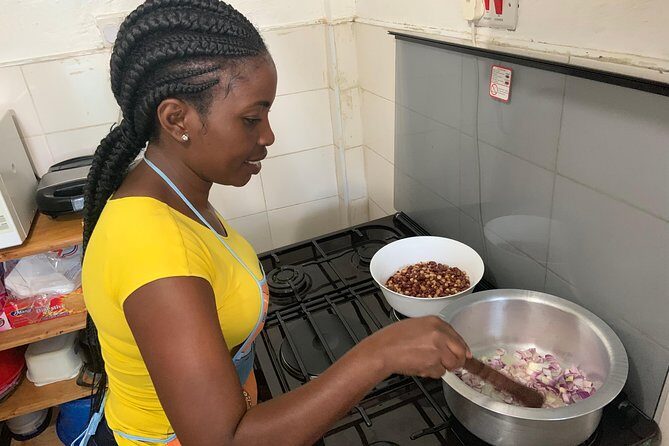
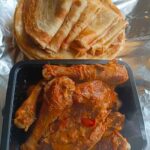
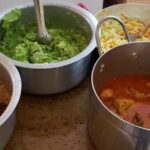
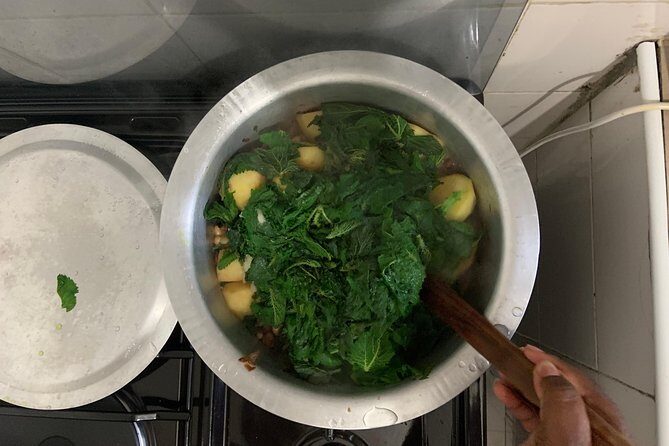
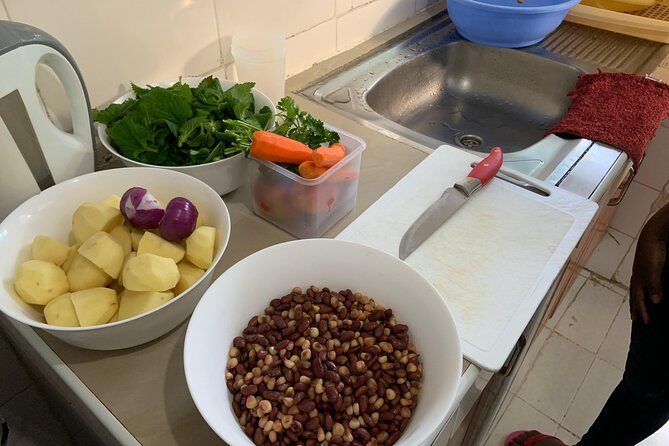
This workshop is built around one coherent Kenyan meal you can recreate. The tour focuses on hearty dishes made from scratch, including mukimo (mashed potatoes and greens), ugali (mashed corn flour mixed with water), spiced rice, and local vegetables.
Mukimo: mashed potatoes and greens
Mukimo is Comfort Food 101. The big takeaway for you is the combination: potatoes plus greens, mashed together. That’s a meal structure you can understand quickly at home, even if you don’t know every local variation. If you’re the type who likes to learn by method—how ingredients transform once mashed and mixed—this is a friendly place to start.
Ugali: corn flour and water
Ugali is described directly as mashed corn flour mixed with water. That clarity is useful because it removes the mystery. When you recreate it back home, you can focus on getting the texture right and pairing it with the other dishes you learned in the class.
You can also read our reviews of more cooking classes in Nairobi
Spiced rice (pilau-style)
You’ll also learn spiced rice, described in the workshop as a spiced rice dish. Again, the tour’s approach keeps it practical: you’re learning how that dish fits into a Kenyan table, not just cooking grains. It’s a great side to practice if you want something that feels special without needing complicated technique.
Local vegetables
You’ll cook local vegetables alongside the main dishes. The goal here isn’t gourmet plating. It’s learning the idea of vegetables as part of the meal, not a separate side dish. And because the kitchen is small, the vegetables you cook will likely teach you how to manage portions and timing when you’re cooking in a household setting.
Pantry-friendly variations
Grace also shares other variations of mukimo you can make with pantry ingredients. That’s one of the most valuable parts for me. A cooking class is only worth what you can reuse after you go home. Pantry-friendly variations mean you’re more likely to cook again, not just admire your souvenir recipes.
Time at the table: why the meal feels like the point

Once the cooking is done, you sit down together and share the meal. This is more than a nice ending. It ties learning to outcome.
When you eat what you made, you can tell what you did right: the balance of mains and sides, how the greens and potatoes work together, how ugali fits with spiced rice and vegetables, and how the whole plate creates a satisfying meal rhythm. It’s the fastest way to turn recipe notes into actual cooking confidence.
It also makes the experience social in a natural way. Grace is welcoming, and the workshop is structured for conversation—especially around food stories and the dishes you’re preparing. If you’re someone who learns best by talking through what you’re doing, this format will fit you well.
Price and value: $76 per person for a home-cooked lesson
At $76 per person for about 3 hours, you’re paying for a private, local-home cooking experience with a real host and a shared meal. That price is easier to judge when you think about what you get:
- Private time with Grace in her kitchen (not a crowded group tour model)
- A focused menu built around Kenyan staples you can recreate
- A sit-down meal at the end of the class, made from the dishes you practiced
- Stories and cultural context tied directly to food (including her family history with mukimo)
This isn’t the cheapest way to eat in Nairobi. But it’s not trying to be. You’re buying instruction, access, and a meal connection you won’t get from a random restaurant visit.
Booking tends to happen around 18 days in advance on average, which is a hint that the host schedules fill up. If this is high on your list, plan ahead so you don’t end up with a last-minute time squeeze.
Who this Kenyan cooking class is perfect for
This is a great fit if you want a Nairobi food experience that feels personal, not staged.
It’s especially suitable for:
- Food-first travelers who want to learn real recipes tied to daily life
- Couples and small groups who like private access and Q&A
- People who want reusable cooking skills (mukimo, ugali, and variations with pantry ingredients)
- Anyone comfortable with a demonstration-style class in a small home kitchen
It may be less ideal if:
- You expect a hands-on class where you do everything step-by-step at your own station
- You prefer large, modern kitchens with lots of space
- You want a long, multi-stop tour with sightseeing included (this experience is focused on cooking and eating)
Quick practical tips before you go
A few small things can make this kind of experience go smoothly.
- Bring questions. Grace shares stories and explains dishes, so ask about how ingredients change with what’s available.
- Wear something you can move in. Small kitchen spaces can mean you’ll be standing close and moving a bit more than expected.
- Come with an appetite. You’ll cook and then eat, so don’t schedule it right after a huge late breakfast.
- Expect the pace of a home kitchen. Cooking at home runs on practical timing, not a strict show clock.
Should you book this Nairobi cooking class with Grace?

Yes—if you’re looking for a straightforward, culture-connected meal-making experience in Nairobi. The biggest reason to book is the combination of a real Kenyan menu (mukimo, ugali, spiced rice, and local vegetables) and the fact that you actually share the meal afterward. That turns learning into a lasting memory you can repeat at home.
Book it with eyes open if you specifically want hands-on station time. Since Grace’s kitchen is small, you’ll watch a lot and help when possible. If that tradeoff sounds fine, you’ll likely love how personal and practical it feels.
FAQ
How long is the cooking class?
It lasts about 3 hours.
What time does it start in Nairobi?
The start time is 11:00 am.
Is this a private experience?
Yes. It’s private, and only your group participates.
Will I be able to cook, or mostly watch?
Grace’s kitchen is very small, so it’s more of a cooking demonstration. Grace will do most of the cooking, and she’ll have you help whenever possible.
What dishes will I learn to make?
You’ll learn mukimo (mashed potatoes and greens), ugali (mashed corn flour mixed with water), spiced rice, and local vegetables.
Where does the activity start and end?
It starts in Nairobi, Kenya, and ends back at the meeting point.
How soon will I get confirmation after booking?
Confirmation is received within 48 hours of booking, subject to availability.
Is there free cancellation?
Yes. You can cancel up to 24 hours in advance of the experience for a full refund.
Are service animals allowed?
Yes, service animals are allowed.