REVIEW · NAIROBI
Private Traditional Kenyan Cooking Class with Lunch in Nairobi
Book on Viator →Operated by Kenya Bush Expeditions Tour and Travel · Bookable on Viator
Potato mash meets local family hospitality. This private home cooking session lets you make Mukimo from scratch with beef sauce and vegetables, and I love the hands-on, step-by-step teaching plus the door-to-door pickup that saves time in Nairobi. One thing to consider: you’ll want to be punctual and ready to cook, because the whole morning works like a smooth little clock.
You’re not just watching from the sidelines. You get a kitchen setup that’s made for participating, and you’ll move from prep to cooking to eating in the same friendly home space. I also like that lunch comes as part of the experience, served with coffee or tea, so you’re not scrambling for food afterward.
After lunch, you’ll have a bit of breathing room to look around the hosts kitchen garden before you head back out on your own. If you prefer very formal, restaurant-style dining, this may feel more casual and family-led than polished and staged.
In This Review
- Key highlights you’ll actually feel during the class
- Nairobi morning pickup: starting smoothly at 9:00 am
- Mukimo, beef sauce, and vegetables: what you’re really learning
- Inside the home kitchen: how the class flows step by step
- Hands-on teaching: the value of learning technique, not just ingredients
- Lunch that feels like a real Kenyan home meal
- The kitchen garden pause: seeing how ingredients connect
- Price and value: what $60 buys you in Nairobi
- Who should book this mukimo lesson (and who might skip it)
- Practical tips so you get better results at home
- Should you book this Nairobi private cooking class?
- FAQ
- Where does this cooking class take place?
- What is the duration of the experience?
- Is this tour private or shared with other people?
- What time does the class start?
- What do you cook during the class?
- What’s included in the price?
- Is pickup included?
- Are tips included?
- Is there free cancellation?
Key highlights you’ll actually feel during the class
- A true private session inside a Kenyan home, not a classroom demo
- Mukimo centered cooking, a potato-based Kikuyu dish with beef sauce and vegetables
- Step-by-step instruction while you handle ingredients and cooking tasks
- Door-to-door vehicle transfers that reduce Nairobi navigation stress
- Lunch plus coffee or tea included, so you can rest your feet after cooking
Nairobi morning pickup: starting smoothly at 9:00 am
This experience starts at 9:00 am in Nairobi, and the biggest practical win is that pickup is offered. Instead of figuring out routes or relying on luck with timing, you get private transportation from where you are in the city. For many first-timers, that alone can make the difference between a relaxed start and a stressful one.
The experience runs for about 4 hours, which is an ideal length for a cooking class. Long enough to learn real technique, not so long that you lose the rest of your day. Also, it’s private, so your group follows its own pace rather than being rushed to fit a bigger schedule.
If you’re planning multiple activities in Nairobi, treat this like a main event in your morning. You’ll come to the home kitchen hungry, and you’ll leave having eaten what you cooked. That means your midday meals are basically handled.
You can also read our reviews of more private tours in Nairobi



Mukimo, beef sauce, and vegetables: what you’re really learning

The star dish here is Mukimo, a traditional Kikuyu meal made from potatoes and cooked with vegetables. The class is structured so you prepare the dish from scratch, not from a pre-made base. That matters because the real takeaway isn’t just the final flavor. It’s learning how the ingredients transform as they cook.
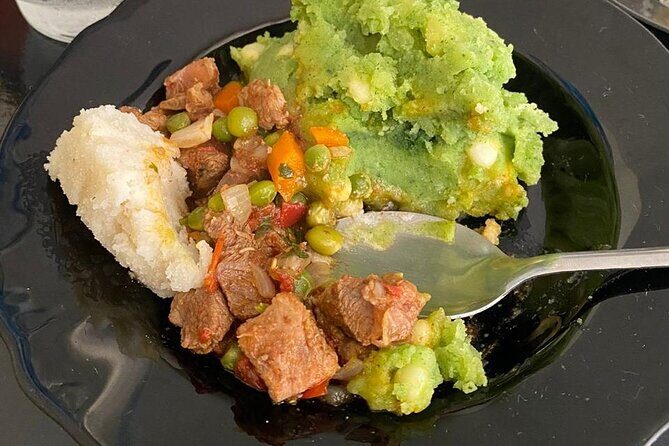
You’ll also make a beef sauce to pair with Mukimo, plus vegetables that round out the meal. The pairing is part of what makes the dish work. Mukimo brings the comforting, starchy backbone, while the sauce adds depth and a savory pull. Together, it’s a proper home lunch, not a light snack.
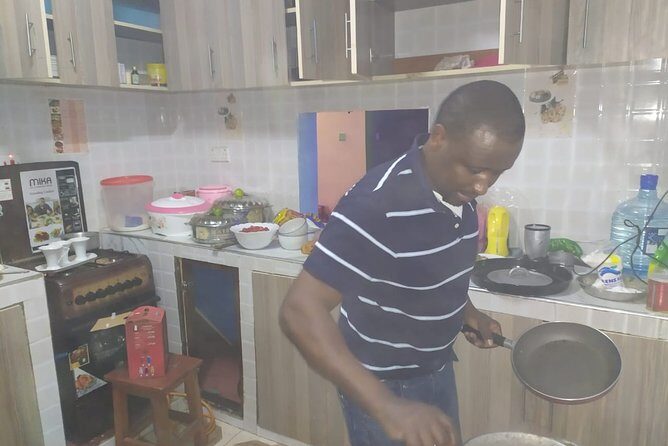
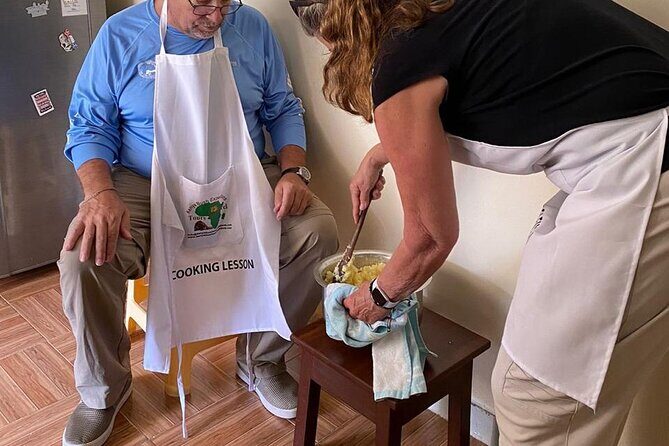
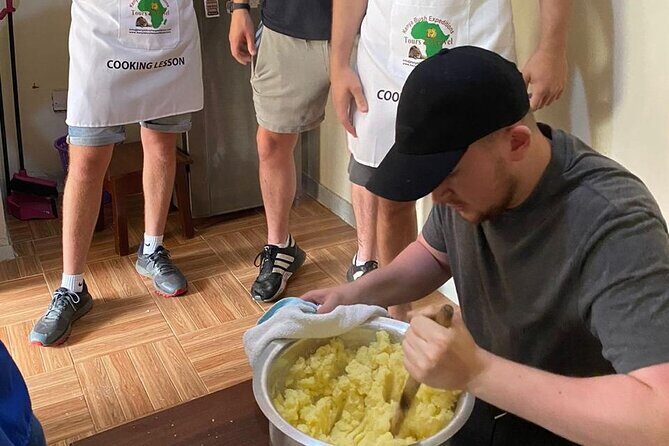
One detail I appreciate from the overall setup: the kitchen is big enough for clients to participate in the preparation and cooking process. That usually means fewer long waits standing around, and more time actually doing tasks. Even if you’re not a confident cook, you’ll get guided through each step so you can follow along.
Depending on what the family chooses for your session, you might be offered options for how the cooking goes. Some classes like this keep everything focused on one signature dish; others give a little flexibility. Either way, Mukimo is the centerpiece you can expect to leave with.
Inside the home kitchen: how the class flows step by step
You’ll be welcomed by a local family inside their home. The learning style is practical and direct, with instruction that follows the rhythm of real cooking. You’ll start with prep, then move into cooking, and finally shift into eating.
Here’s the best way to think about it: you’re learning the logic behind the meal. What to do first. What to watch as things cook. When to adjust so the texture and seasoning feel right. That’s the kind of knowledge you can recreate back home, even if you don’t have the exact same kitchen setup.
Because it’s a private group, you should be able to ask questions as you go. If something feels unclear, this is the moment to ask, not later when you’re back at your hotel. Cooking classes are all about timing, and the host can guide you while the food is still in motion.
What also makes this feel authentic is that you’re not separated from the people living the food culture. You’re cooking with them. That naturally leads to small conversations about ingredients, preferences, and what makes the dish taste the way it does.
Hands-on teaching: the value of learning technique, not just ingredients
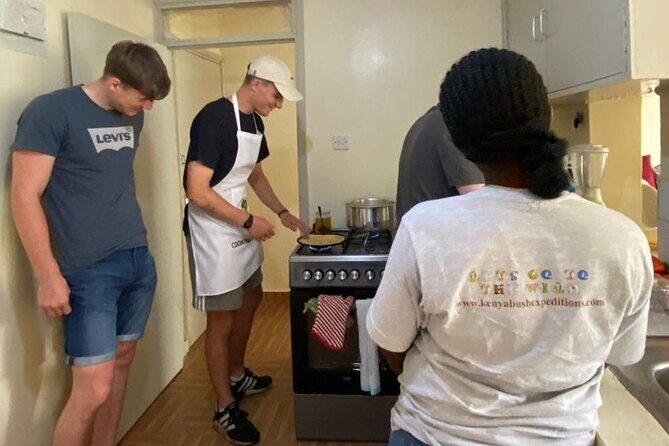
There’s a difference between a cooking class where you assemble a dish and one where you learn how the dish behaves. Here, the teaching is built around participation: you handle steps, you learn why the steps matter, and you see the dish come together.
I like that the instruction is step-by-step, because Mukimo isn’t a complicated dish in name only. It can be simple, but it still relies on getting texture and seasoning right. A good guide helps you avoid the common errors like undercooking potatoes or ending up with a result that feels heavy rather than cohesive.
The cooking lessons and all ingredients are included. That’s a real value point. You’re paying for the experience, not for the mental load of sourcing ingredients or worrying whether you have the right items for home.
Also, coffee and/or tea are included with the lunch. That sounds small, but it turns the class into an actual meal experience. After you cook, you’re not done. You slow down, taste what you made, and let the flavors settle into what you learned.
Lunch that feels like a real Kenyan home meal
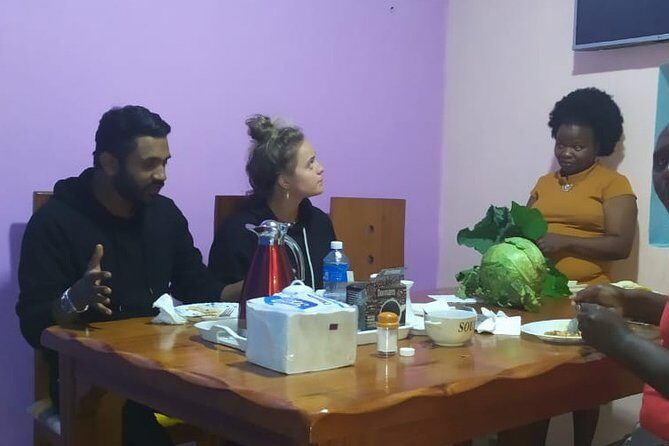
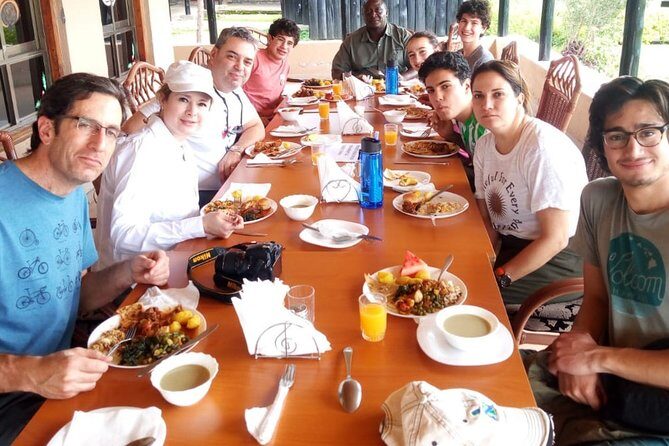
After cooking, you’ll sit down and eat in a dining room setting, with the lunch you helped prepare. This is where the class becomes more than instruction. It becomes a shared table moment, which is often the memory that lasts.
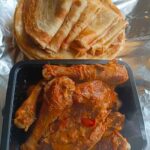
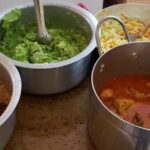
The menu is centered on Mukimo with beef sauce and vegetables. Expect flavors that feel hearty and grounded, the kind of comfort food that makes sense in everyday life. If you like food that tastes like it belongs to a place and a family kitchen, this is the category.
And yes, you get coffee or tea, plus bottled water. That’s helpful in Nairobi, especially if you’re planning this right after other outings. You don’t have to spend extra time deciding where to eat. The meal is already part of the flow.
One more practical note: because you’ll be cooking, your appetite will likely be fully switched on. This is one of the few classes where I’d genuinely plan to arrive ready to work, not just to observe.
You can also read our reviews of more cooking classes in Nairobi

The kitchen garden pause: seeing how ingredients connect
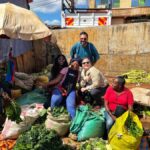
After lunch, you’ll be free to leave after touring the hosts kitchen garden. It’s not a long guided tour described in detail, but even a quick walk like this can change how you think about what you ate.
Why it matters: it closes the loop between ingredients and daily life. Potatoes and vegetables don’t show up magically on a plate. Seeing a home garden, even briefly, helps make the meal feel less like a lesson and more like a living tradition.
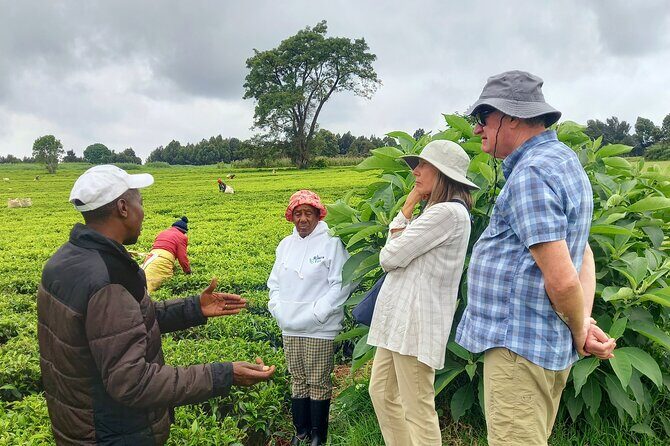
Keep in mind this is still part of a private home visit. Dress comfortably and be ready for a casual, family-led environment rather than a formal attraction with strict viewing rules.
Price and value: what $60 buys you in Nairobi
At $60 per person for about 4 hours, this is priced like a private cultural experience. The key question isn’t only the dollar amount. It’s what you get for it: a private cooking lesson, ingredients, a full lunch, drinks, and private transportation.
Many Nairobi food experiences either:
- focus on eating out, or
- offer short demonstrations.
This gives you cooking time, instruction time, and then the payoff of sitting down to eat what you made. That’s why the value tends to feel strong if you like hands-on learning.
Another value perk is that pickup and private transportation are included. Nairobi traffic and navigation can eat up time. When transportation is handled for you, you’re buying back energy for the experience itself.
Also note that group discounts are available. If you can travel with friends or family, the cost per person can feel even more reasonable for a private home setting.
For planning: it’s commonly booked around 21 days in advance. If your dates are fixed, I’d book sooner rather than later so you’re not scrambling close to your trip window.
Who should book this mukimo lesson (and who might skip it)
This experience is a great fit if you want:
- a hands-on cooking class instead of a quick tasting
- a family-led cultural exchange in a real home environment
- a lunch included experience with minimal extra planning
It’s also ideal if you’ve got a day where you want one memorable cultural activity instead of several separate stops. The private transportation and set duration help you keep your schedule clean.
You might consider skipping or choosing a different option if you dislike cooking tasks entirely. While the guide helps with step-by-step support, it’s still a working kitchen moment. It’s not meant to be purely observational.
Practical tips so you get better results at home
Here are a few things that will help you leave with skills, not just a good lunch:
- Ask about timing as you cook. Texture and doneness are the real lessons. If you learn what to watch for, you can adapt later.
- Take simple notes. You won’t remember every step perfectly when you’re back home. Write down what made the dish turn out well.
- Don’t be shy about questions. Private classes usually allow more back-and-forth than group tours.
- Wear clothes you can get a little dusty in. Home kitchens can be warm, active, and ingredient-friendly.
- Come hungry and hydrated. Bottled water is provided, but you’ll likely do a good amount of movement during prep and cooking.
Also, since the tour provider is Kenya Bush Expeditions Tour and Travel, plan to coordinate smoothly for pickup timing. Confirm details at booking and treat the 9:00 am start as firm.
Should you book this Nairobi private cooking class?
If you like cooking, if you want a real home-table experience, and if you want a clear cultural skill you can bring back, I think this is an excellent choice. The combination of Mukimo cooking, beef sauce, vegetables, a sit-down lunch, and private transportation keeps it efficient and satisfying.
Book it if you want authentic food culture without turning it into a whole-day logistics puzzle. Skip it if you want a purely passive activity or if you don’t enjoy hands-on steps in the kitchen.
My take: for $60, the value is strongest when you use the class the way it’s meant to be used—participate, ask questions, taste what you made, and then write down what you’d repeat at home.
FAQ
Where does this cooking class take place?
It takes place in Nairobi, Kenya, inside a local family home.
What is the duration of the experience?
The class runs for about 4 hours.
Is this tour private or shared with other people?
It’s private. Only your group participates.
What time does the class start?
The start time is 9:00 am.
What do you cook during the class?
You’ll make Mukimo, a traditional Kikuyu potato-based dish, paired with beef sauce and vegetables.
What’s included in the price?
Included items are cooking lessons and all ingredients, lunch, coffee and/or tea, bottled water, and private transportation.
Is pickup included?
Yes. Pickup and door-to-door vehicle transfers are offered from anywhere in Nairobi.
Are tips included?
No. Tips or gratuities are not included.
Is there free cancellation?
Yes, free cancellation is available. You can cancel up to 24 hours in advance for a full refund. If you cancel less than 24 hours before the start time, the amount paid isn’t refunded.