REVIEW · KENYA
Day Tour to Masai Village From Nairobi
Book on GetYourGuide →Operated by Hedge Tours and Safaris · Bookable on GetYourGuide
A Maasai village day trip feels human-scale and real. This short outing to Kajiado County mixes Maasai culture with a visit that includes photo time, dancing, and a guided walk outside the village. I like that it feels practical and hands-on, not just a quick photo stop.
I also like the variety once you’re there: a guided tour, a stop for arts and crafts, and an organized dance presentation you can follow even if you’re coming in with zero background. One thing to consider: parts of the experience are structured (workshop, ceremonies, dance shows), so if you want purely everyday, unscripted routines, you’ll want to keep expectations flexible.
In This Review
- Key Things I’d Focus On Before You Go
- A Maasai Village Day Trip from Nairobi: What It’s Actually Like
- Nairobi Pickup to Kajiado County Drive: Fast, Smooth, and a Bit Tight
- Inside the Village: Photos, Guided Tour, Dances, and Crafts
- The Guided Nature Walk: A Better Way to Understand Land
- Learning Semi-Nomadic Life and Agricultural Techniques
- Meeting the People: Warm Welcome, with a Note on Authenticity
- Price and Value: What $73 Really Buys You
- What to Bring (So Your Day Feels Easy)
- Who This Maasai Village Tour Is Best For
- Should You Book It? My Honest Take
- FAQ
- How long is the Masai Village day tour from Nairobi?
- Where does pickup happen in Nairobi?
- How do I get dropped off after the tour?
- What does the tour price include?
- What isn’t included in the price?
- Is there a live guide during the tour?
- Is the vehicle air-conditioned?
- Are there photo opportunities during the visit?
- Is free cancellation available?
Key Things I’d Focus On Before You Go
- English guidance with real Q&A time: You’ll have a live guide on hand, so you’re not left guessing.
- A guided walk, not just sitting inside: You get time outdoors as part of the visit.
- Dances plus craft-making activities: Expect performance and hands-on explanation, side by side.
- Photo opportunities built into the flow: There are clear moments to take pictures.
- Semi-nomadic life and farm know-how: You learn how Maasai families connect daily life to land use and agriculture.
A Maasai Village Day Trip from Nairobi: What It’s Actually Like
This is the kind of day tour that reminds you why travel works. You’re not just sightseeing; you’re meeting people, watching daily rhythms, and learning how Maasai communities understand land and life around them. It’s set up for visitors who want a condensed, meaningful cultural experience without committing to an overnight trip.
From the start, the tone is straightforward: you’re collected from Nairobi, driven out to Kajiado County, and then guided through a village visit with interactive moments. That structure is helpful if you’re short on time, but it also shapes how the experience feels once you arrive.
You can also read our reviews of more tours and experiences in Kenya.



Nairobi Pickup to Kajiado County Drive: Fast, Smooth, and a Bit Tight

The tour is built around hotel pickup and drop-off in Nairobi, with six pickup choices and six drop-off options. You’ll ride in an air-conditioned vehicle with a professional driver and guide, and you’ll have bottled water along the way.
Here’s the timing reality check: the overall duration is listed as 5 hours, but the ride in and out is described as about 2 hours each way, with roughly 4 hours at the village. That adds up to more than 5 hours. My advice: confirm the exact on-the-day timing with your operator when you book, so you can plan dinner and any evening Nairobi plans without stress.
If you’re coming from the airport or a central neighborhood like Westlands or Parklands, this kind of day trip is often a good use of a travel day. Just remember it’s still a full-day-feeling outing once you include the drive.
Inside the Village: Photos, Guided Tour, Dances, and Crafts
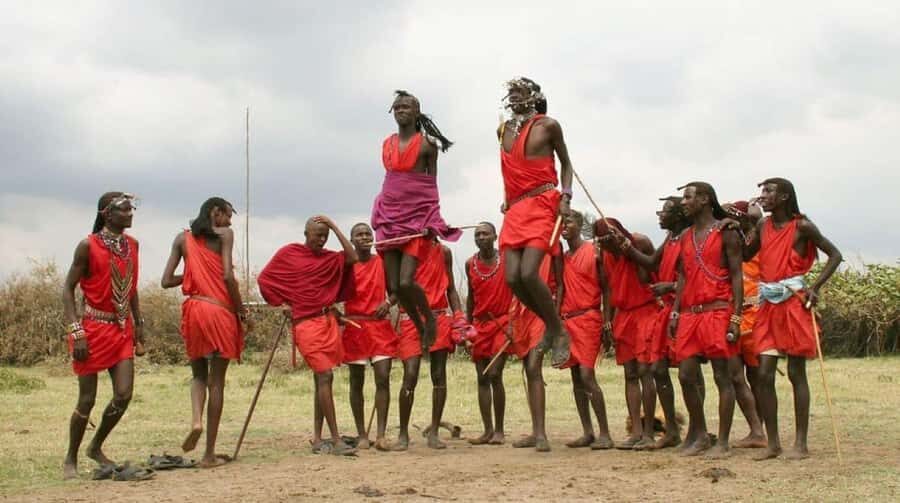
When you reach the Maasai village, the day becomes active. Expect a mix of structured stops—photo time, a guided tour, and sightseeing—with cultural demonstrations that explain daily life in a visitor-friendly way.
One of the big strengths is the variety. You’re not stuck with a single presentation. You’ll move through different parts of the experience, including:
- guided viewing and walk-in parts of the village setting
- cultural dance show time
- an arts and crafts market visit
- a workshop-style component
If you care about taking photos, you’re not left wondering when it’s okay. The tour is set up with photo opportunities as a normal part of the flow. That’s helpful because the last thing you want is to interrupt someone’s day with awkward timing.
The dance show is one of the highlights, but it helps to understand what you’re watching. Dances here function as storytelling and cultural communication, not just entertainment. If you stay curious—watch the movements, listen to what the guide explains, and ask what things mean—you’ll get more from it.
Arts and crafts time is equally important. It’s not only about souvenirs. It’s an explanation of materials and technique, and it gives you a better sense of how objects connect to daily life and identity.
The Guided Nature Walk: A Better Way to Understand Land

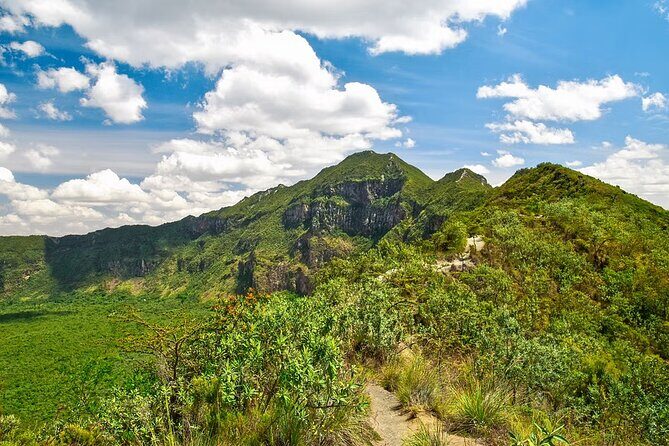
Your time doesn’t end with buildings and performance. The tour includes a guided nature walk around the surrounding area, which is a smart addition if your goal is to understand the Maasai relationship with the land.
You’ll also hear about the Maasai as semi-nomadic in lifestyle. That matters because it’s not just a label. It connects to why people move, how they use space, and how they plan around the seasons and resources available.
A good way to approach the walk: treat it like a moving classroom. Ask your guide what you’re seeing and why it matters to the way people live. Even if the view doesn’t feel “wildlife safari,” the learning is still real—this is about systems, not just scenery.
Learning Semi-Nomadic Life and Agricultural Techniques
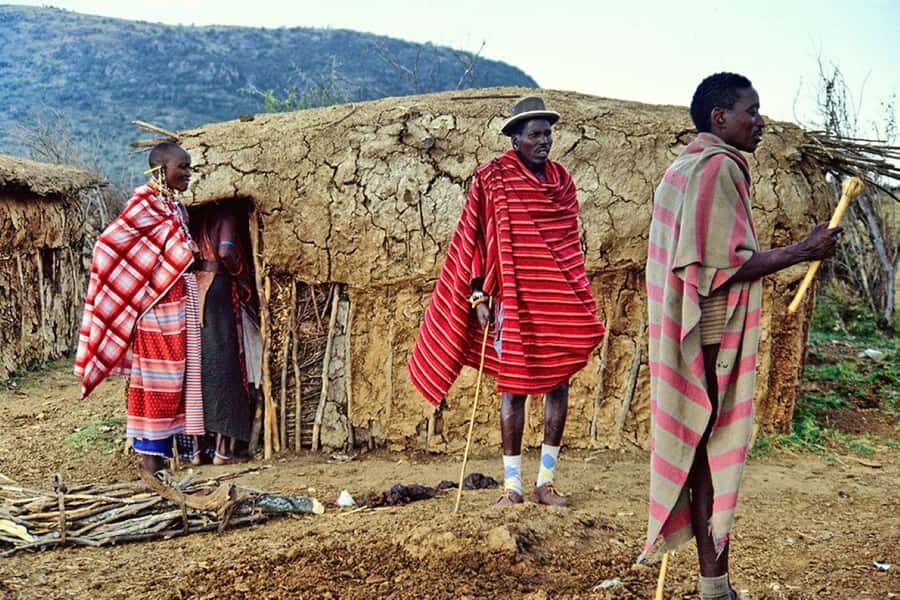
One of the most valuable parts of this experience is what you’re taught beyond greetings and photos. The tour is designed to explain daily rituals, customs, and way of life, including semi-nomadic living and agricultural techniques.
This is where the day feels most practical. You start connecting the dots between:
- how families manage resources
- how work fits into daily routines
- how traditions connect to land use
In the background, the tour also frames the Maasai’s connection to land as tied to how they coexist with local wildlife. You may not be doing a formal wildlife-spotting activity, but you will hear the perspective that people develop living close to nature.
If you love “how people actually live” travel, this is the part that earns its place. It turns cultural tourism into cultural understanding.




Meeting the People: Warm Welcome, with a Note on Authenticity
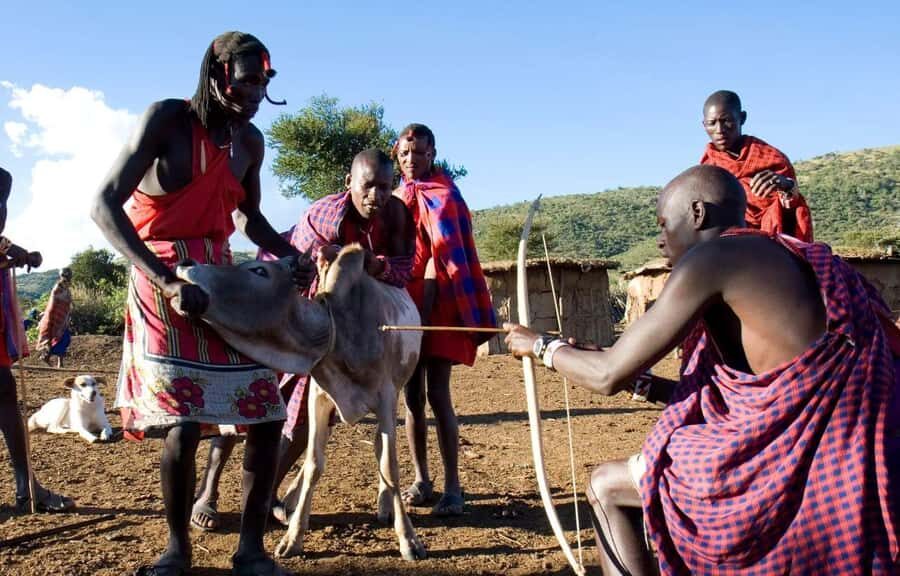
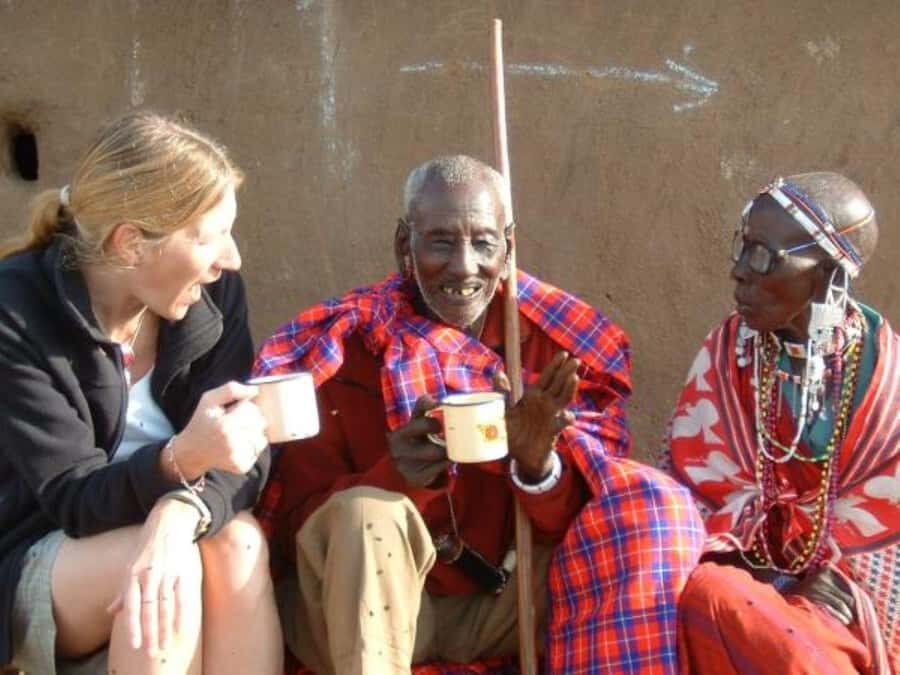
The best reports from past visitors focus on the human side: welcoming hosts and friendly guiding. One named guide, Eric, has been described as gentle, friendly, and reassuring—exactly the kind of personality that helps you feel comfortable in a new setting.
When you’re interacting with Maasai community members, the experience can feel personal quickly. That’s the payoff of a village visit done with a guide: you’re not just watching; you’re being introduced.
That said, here’s the consideration I’d flag. This is a structured day tour with dance shows and workshop-style moments. Some people may interpret that as more “presentation” than everyday life. The fix is simple: don’t only look for spontaneity. Ask questions like what’s normal on an average day, and what parts are demonstrations for visitors. A good guide will explain the difference.
Price and Value: What $73 Really Buys You

The price is listed at $73 per person, and that’s only the start of the cost picture. Entrance fee and a Masai guide fee are not included, at $30 per person.
So for a realistic budget, plan on about:
- $73 base tour cost
- $30 entrance and Masai guide fee
- plus food and drinks (not included), and alcohol if you choose to purchase it
Is it good value? For a Nairobi-based cultural day trip, it can be. You’re getting round-trip transport with an air-conditioned vehicle, a professional driver and guide, bottled water, and an organized village visit that includes guided time, a nature walk, dance show time, and craft-market stops. That’s a lot packed into one day.
The main thing you pay for is time and access. You’re paying so someone else handles logistics and translation, and so the day doesn’t feel like you’re wandering alone into a community setting without context.
What to Bring (So Your Day Feels Easy)
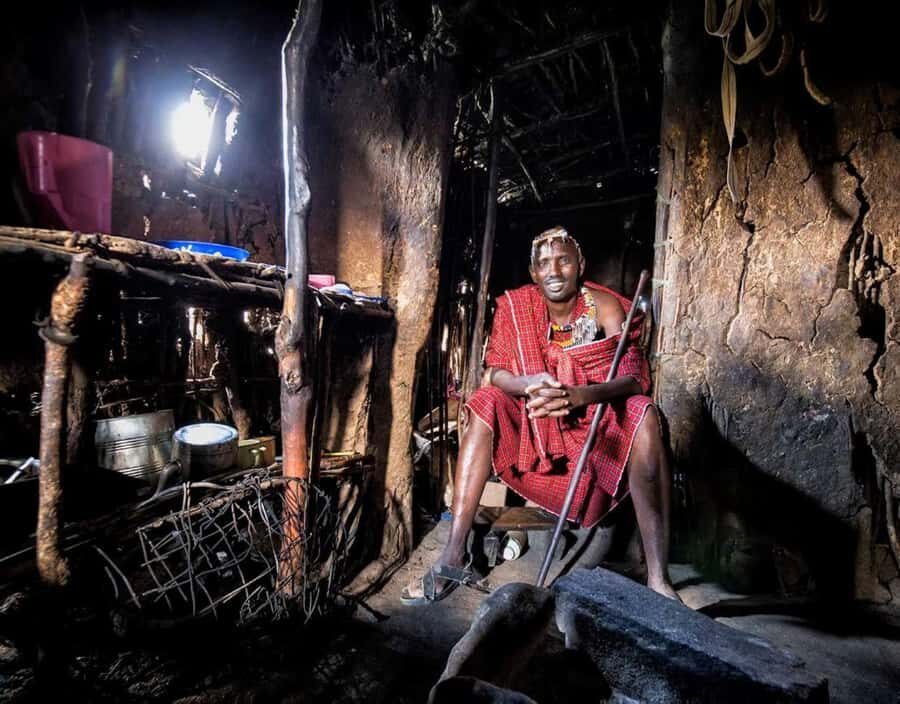
Because you’ll be outdoors for walking and doing village activities, pack like you’re going for a short culture + nature day:
- comfortable closed-toe shoes for walking
- light layers, since temps can shift between Nairobi and Kajiado
- a camera or phone with enough battery for photo stops
- cash or card access for entrance and the Masai guide fee
- a small snack plan for after, since food isn’t included
Also, if you’re planning to buy crafts, set aside some budget. The market visit is part of the experience, and it’s easiest if you don’t feel rushed deciding on the spot.
Who This Maasai Village Tour Is Best For
This tour suits you if you want a structured cultural day trip from Nairobi and you like learning through interaction. It’s especially good for:
- first-time visitors to Kenyan culture outside Nairobi
- travelers who want more than a quick “see and leave” stop
- people who enjoy guided explanations and Q&A
- anyone short on time who still wants the Maasai perspective on daily life and land use
If you’re the type who hates any organized component, this might feel a bit too scheduled. But if you treat the dances and workshop moments as part of how culture is communicated to visitors, you’ll likely enjoy it.
Should You Book It? My Honest Take
I’d book this if you want an efficient, guided way to experience Maasai culture from Nairobi with a mix of village learning, crafts, and an outdoor walk. The value improves when you go in with the right mindset: it’s guided and structured, and that’s how most day tours make cultural access possible without confusion.
I’d hesitate if you’re chasing totally unscripted, everyday village life with no performance elements. In that case, ask for clarity on what’s demonstration versus daily routine, and choose a guide who can explain the context clearly.
If you want a short trip that feels like you actually met people and learned something, this is a strong candidate.
FAQ
How long is the Masai Village day tour from Nairobi?
The duration is listed as 5 hours, though the drive time and village time described can add up to longer. It’s smart to confirm the exact schedule when you book.
Where does pickup happen in Nairobi?
Pickup is available from multiple Nairobi locations, including Nairobi West, Westlands, Parklands, Nairobi, and also Jomo Kenyatta International Airport.
How do I get dropped off after the tour?
Drop-off is offered at multiple Nairobi locations, including Parklands, Westlands, Nairobi West, Jomo Kenyatta International Airport, and other Nairobi-area options.
What does the tour price include?
Included are hotel pickup and drop-off, a professional driver and guide, bottled water, and an air-conditioned vehicle.
What isn’t included in the price?
Entrance fee and a Masai guide cost $30 per person. Food and drinks are also not included. Alcoholic drinks are available to purchase.
Is there a live guide during the tour?
Yes. The tour includes a live tour guide in English.
Is the vehicle air-conditioned?
Yes, the vehicle is air-conditioned.
Are there photo opportunities during the visit?
Yes. The village visit includes a photo stop as part of the experience.
Is free cancellation available?
Yes. You can cancel up to 24 hours in advance for a full refund.