REVIEW · NAIROBI
Nairobi: Tea Farm Day Trip with Lunch at kiambethu
Book on GetYourGuide →Operated by SAFARI LINKS AFRICA LTD · Bookable on GetYourGuide
A day of tea starts with a warm cup. This Kiambethu Tea Farm trip is a real, hands-on look at how tea goes from plant to cup, just outside Nairobi, with a farm history talk, tea tastings, and even a forest walk ending near a waterfall. What I love most is the tea picking session you actually do on the hillside. I also like that you get orthodox tea-making practice, from roasting to rolling, drying, and packaging your own tea to take home. One drawback to plan around: the day can get tight if pickup runs late, because the farm program has set timings and there’s also an extra on-arrival cash fee for the activities.
If you do this trip, think of it as a day with three modes: learn, make, and eat outdoors. Wear shoes you trust on uneven paths, and bring a light layer since the day can feel cooler around the tea fields and forest. And yes, bring cash for what’s not included.
In This Review
- Key highlights to know before you go
- Why Kiambethu Tea Farm is a solid day trip from Nairobi
- The 11:00 start: welcome tea, snacks, and a farm history talk
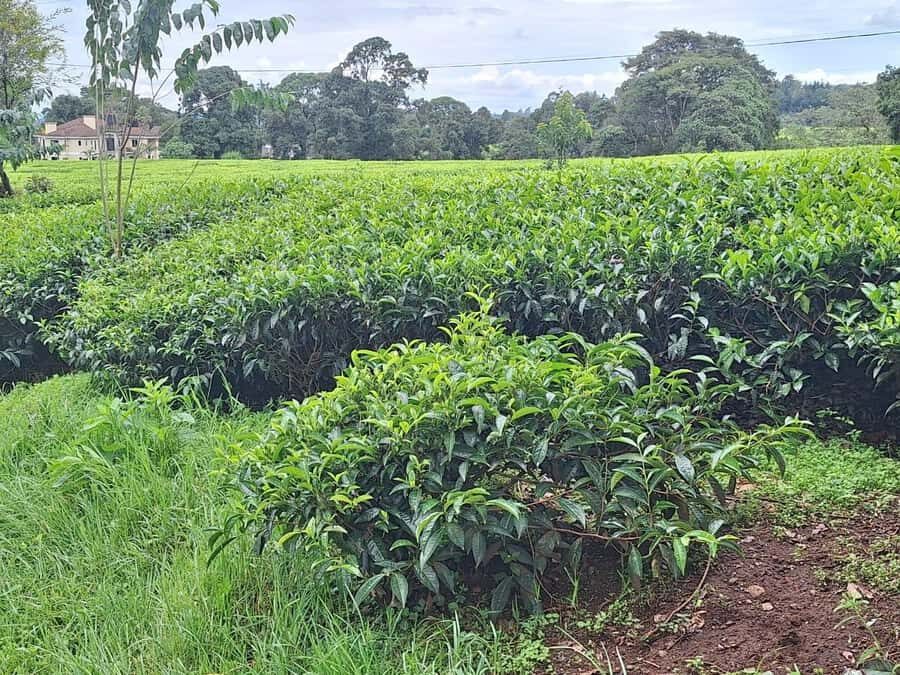
- Walking the tea fields and learning how harvesting really works
- Tea picking: what you do on the bushes (and why it matters)
- From leaf to tea: roasting, hand-rolling, drying, and packaging
- Lunch around 1:00: farm-fresh three-course buffet in the gardens
- Forest trek and a waterfall visit: the afternoon reset
- The tasting and tea ceremony moments: how you’ll learn to taste
- Bonfire time in the gardens: a calm end to a full day
- Price and value: the $44 tour plus a $42 cash fee
- Getting there: Nairobi pickup options and the timing reality
- What to bring (and what can trip you up)
- Who this day trip is best for
- Should you book the Kiambethu Tea Farm day trip?
- FAQ
- How long is the Kiambethu Tea Farm day trip?
- What is the price of the tour?
- What’s included in the $44 price?
- Is there an extra fee you must pay on arrival?
- When does the farm program start and when is lunch served?
- What language will the guide speak?
- Can I participate in tea picking and tea-making?
- What should I bring with me?
- Is the tour wheelchair accessible?
- What is not allowed during the visit?
Key highlights to know before you go
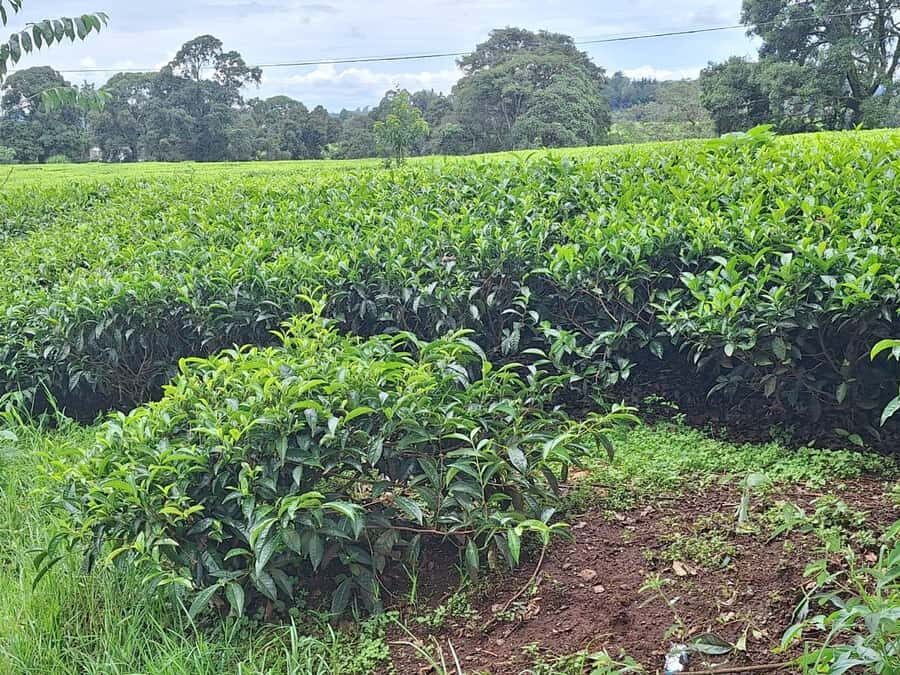
- Tea picked by hand: You’ll learn the picking technique, not just watch it happen
- Orthodox tea process hands-on: roasting, hand-rolling, drying, and packaging
- Purple tea gets a mention: guides explain its role in the tea story
- Forest trek + waterfall visit: indigenous plants, wildlife chances, and a refreshing dip opportunity
- Farm gardens for lunch and a bonfire: three-course buffet lunch, then relax by the fire
Why Kiambethu Tea Farm is a solid day trip from Nairobi
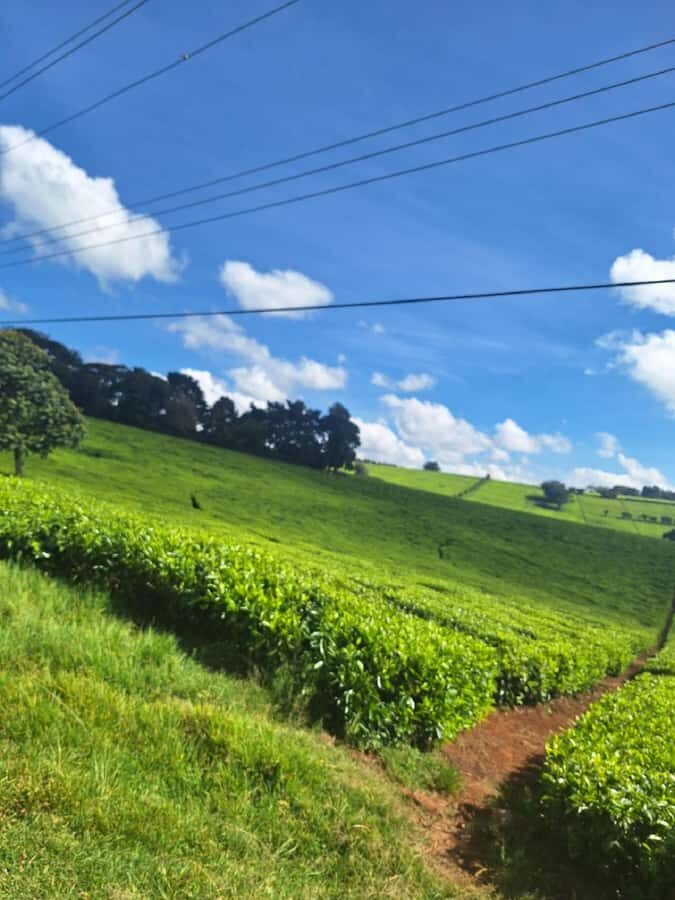
Kiambethu Tea Farm is one of those Nairobi-area outings that feels like a break from city time, without being a full weekend project. The farm is set up for a full, guided visit: you get the tea education, the working-tea experience (picking and producing), and the outdoors portion in one day.
What makes it especially worth your attention is the balance. You’re not only touring pretty plantations. You’re learning the “how,” including tasting and a production session. And because the farm also includes gardens and an indigenous forest section, the day doesn’t feel one-note. It’s practical too: hotel pickup and drop-off are built in, so you’re not spending energy figuring out local transport once you arrive in Kenya’s coffee-and-tea corridor.
A few more Nairobi tours and experiences worth a look


The 11:00 start: welcome tea, snacks, and a farm history talk
Your morning begins with a welcome that includes freshly brewed tea and snacks. Then the farm day shifts into structured learning with an informal history talk hosted on-site. This is where you’ll hear about the legacy of Kiambethu as one of Kenya’s older tea farms, and you’ll get context for why the farm is run the way it is today.
One practical thing I’d plan around: the program start is fixed at 11:00 on the farm side, and lunch happens around 1:00. That means timing matters. If your pickup is later than expected, you can miss the beginning of the history talk and the early portion of the tea guide session. The good news is that the farm experience is guided and continuous, so even if you arrive a little late, you’ll still have plenty to do—but don’t count on catching everything if you’re running late.
Walking the tea fields and learning how harvesting really works
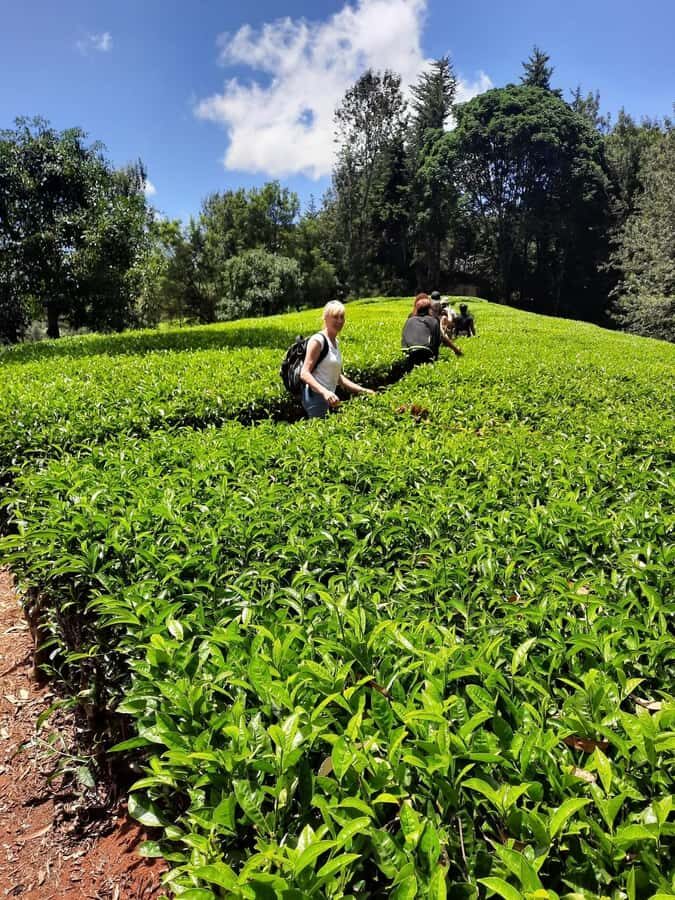
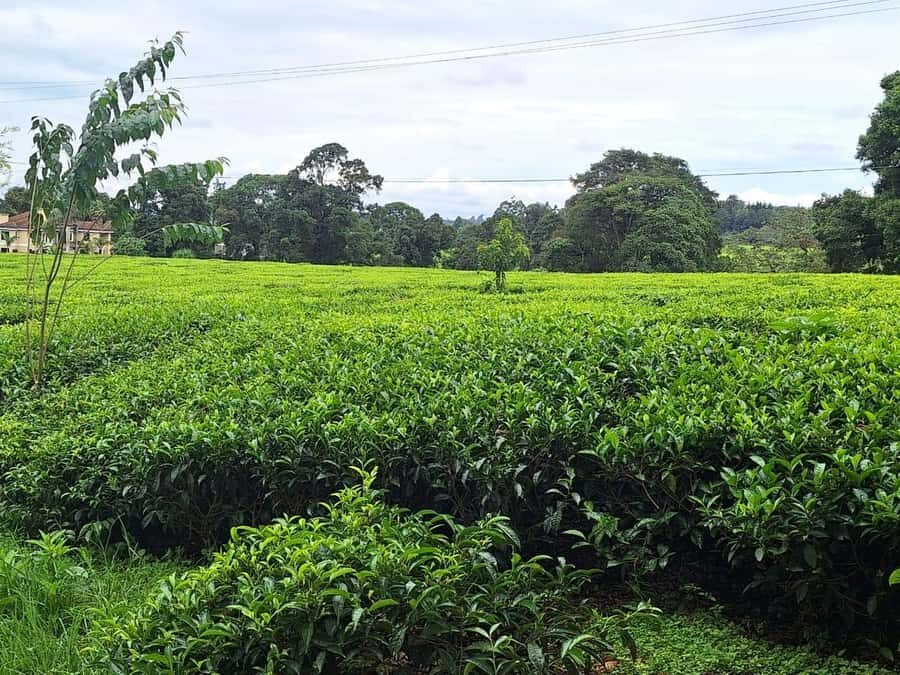
Once you’re in the tea grounds, you’ll join a guided walkthrough of the fields. This is where the visit becomes more than sightseeing. You’ll learn how tea cultivation works—how the bushes are managed, what makes certain leaves suitable, and why harvest timing matters.
One detail that’s called out in the experience is the mention of purple tea. You may not leave knowing every technical term, but you will come away with a clearer picture that tea isn’t one single product. There are variations in how tea leaves are grown and handled, and the guide will connect that back to flavor and quality.
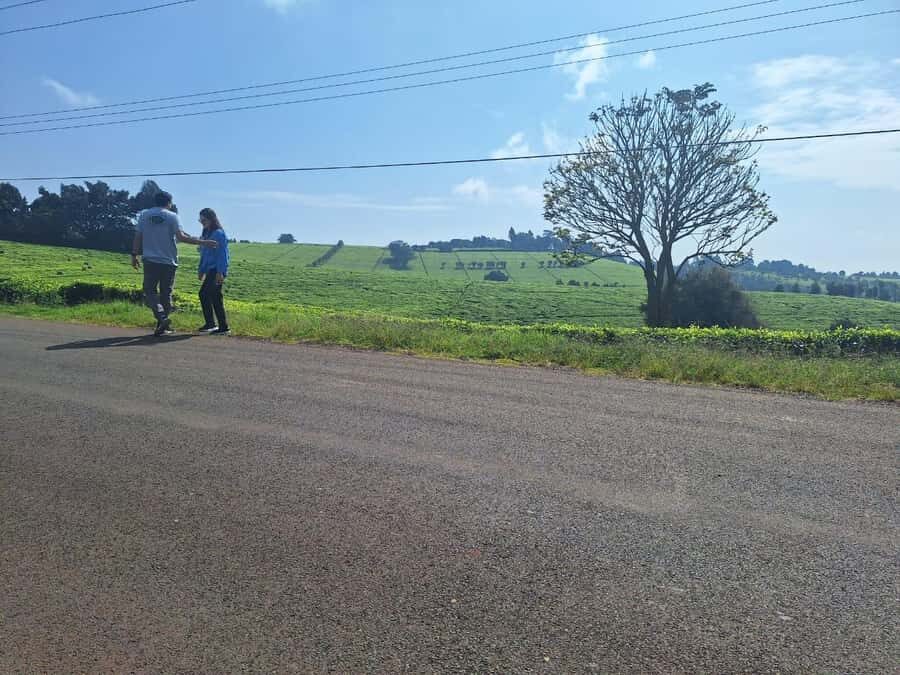
This is also the best moment for photos, as long as you keep an eye on your footing. The paths can be uneven, and you’ll likely be walking between rows of tea and toward the working areas.
Tea picking: what you do on the bushes (and why it matters)
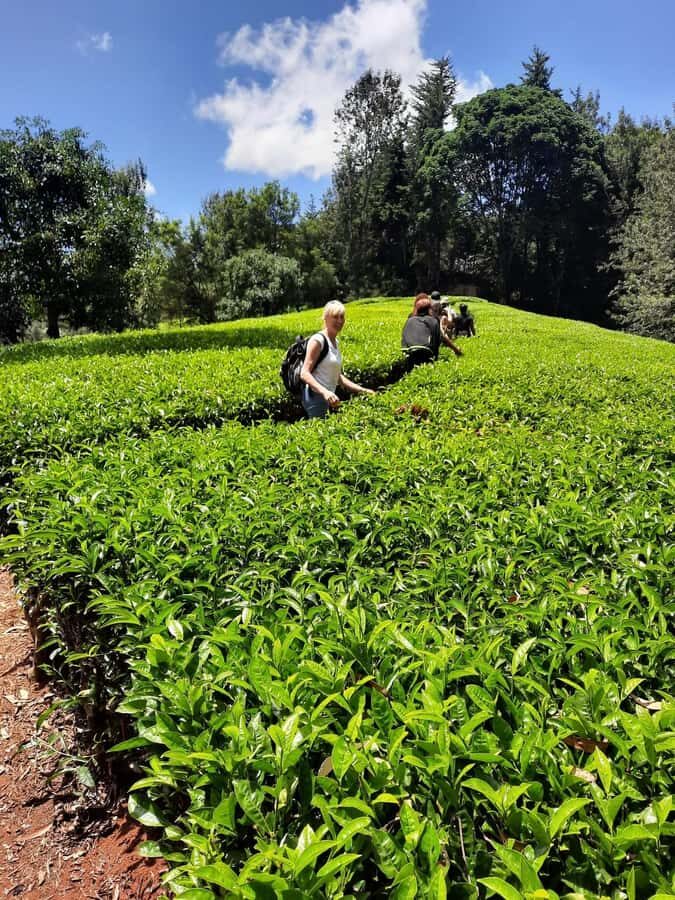
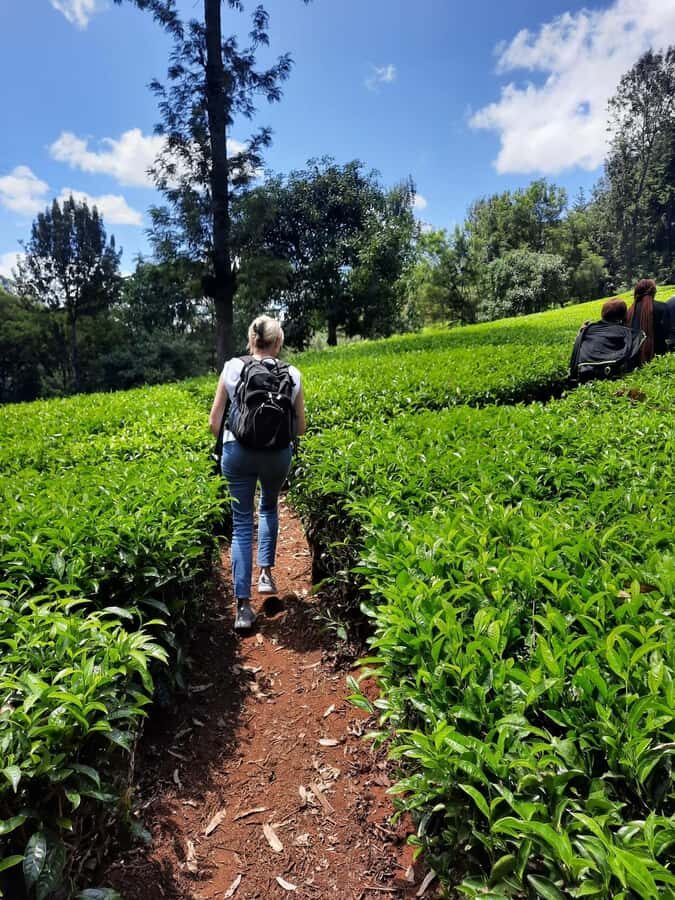
Here’s the part that usually makes people say this trip was worth it. You’ll try your hand at tea picking with help from experienced tea pickers. This isn’t just a souvenir photo-op. You’re shown how to pick leaves correctly, so you understand what makes a good picking session.
Why this matters: picking is where you feel tea’s real “work” behind the calm visuals. Tea gardens look serene from a distance, but the process is skill-based. Learning the technique helps you taste with more context later, because you’ll understand that not every leaf is treated the same way.
Wear comfortable clothes and shoes with grip. You’ll be in the fields long enough to notice the difference between sandals and real footwear.
From leaf to tea: roasting, hand-rolling, drying, and packaging
Next comes the production experience, where the focus shifts from the garden to the process. You’ll learn traditional methods for producing orthodox tea, and you’ll take part in steps such as roasting, hand-rolling, drying, and packaging your tea.
Even if you’re not a tea nerd, this is one of the most valuable parts of the day. It answers the question most people never get to ask: what exactly happens after leaves are harvested? When you package tea to take home, you also get a tangible memory. Every sip later carries the story of where it came from and what hands did to shape it.
A tip for your future self: if you’re curious about brewing, ask simple questions during tasting about water, steep time, or how the tea is best enjoyed. The guide can help you avoid the most common mistakes that make tea taste weaker than it should.
A few more Nairobi tours and experiences worth a look



Lunch around 1:00: farm-fresh three-course buffet in the gardens
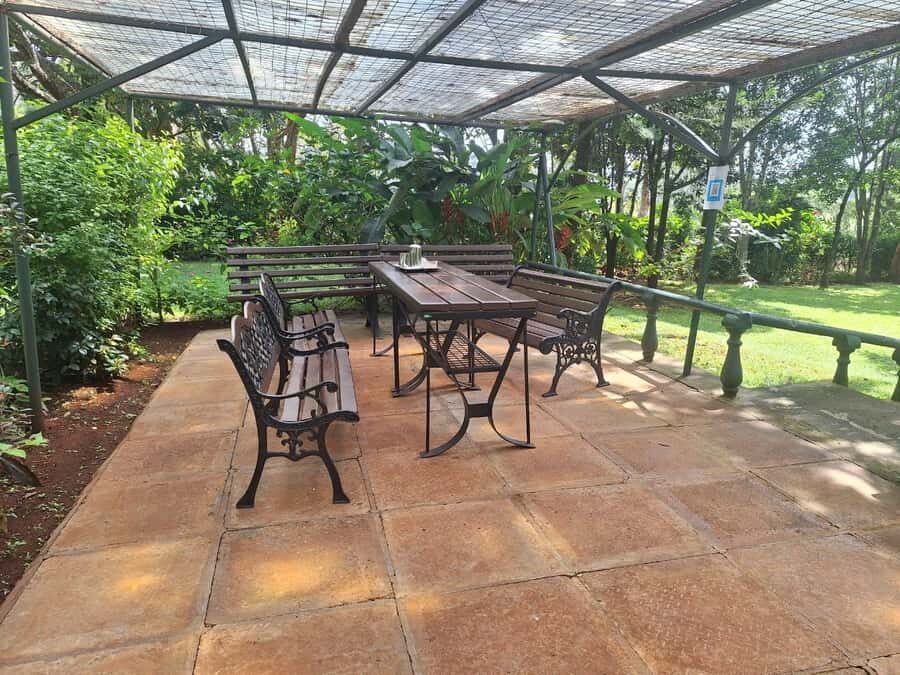
Lunch is served about 1:00 pm, and it’s a three-course buffet from a set menu. The key word here is farm-fresh. This meal is designed to keep you fueled for the afternoon walk and the rest of the farm program.
You’ll eat in a garden setting, and the day has a relaxed rhythm: you’ve done picking and a production session, then you’re rewarded with a real meal rather than a snack-sized compromise.
One extra detail worth noting if you like farm-to-table touches: you might see how farm produce shows up in the day’s treats, including dairy used in items like ice cream made with cream and milk from the farm’s cows.
Practical note: lunch is buffet style, so you can pace yourself. If you’re sensitive to spice or you prefer fewer surprises, scan first, then build your plate.
Forest trek and a waterfall visit: the afternoon reset
After lunch, the tour shifts to a nature walk through a nearby forest with indigenous plants and wildlife (so keep your eyes open). The walk ends with a visit to a local waterfall, and there’s an option to cool off with a refreshing dip.
This part is valuable for two reasons. First, it breaks up the tea-focused schedule with a change of scenery. Second, it makes the farm feel bigger than a single attraction—you’re moving through ecosystems that connect to the farm’s setting.
Pack for walking. The forest path and the route to the waterfall can feel slippery. Bring a light towel if you want one, though you should check what’s practical for you on the day.
The tasting and tea ceremony moments: how you’ll learn to taste
Tea tasting is built into the experience, plus there’s tea-based sampling. You’ll likely get a guided explanation of what to notice—aroma, color, and how the flavor changes after the production steps you watched.
What I like about tastings in a setting like this: you’re not learning abstract theory. You’re tasting while your brain still has the picking technique and orthodox process in mind. That makes it easier to connect cause and effect, which is how real learning happens.
If you’re buying tea to take home, taste carefully and ask for the right way to brew each type you’re considering. The best souvenir is the one you’ll actually drink after you return.
Bonfire time in the gardens: a calm end to a full day
To wrap things up, the day ends with a bonfire in the gardens. It’s a simple finish, but it helps. By the time you get here, you’ve walked, learned, handled leaves, and tasted tea. The bonfire gives you a chance to slow down and reflect without rushing to a vehicle right away.
If you’re the type who enjoys conversations over food (or tea), this is where it usually happens. Bring patience for the full pacing of the day; the schedule is meant to flow, not feel like a conveyor belt.
Price and value: the $44 tour plus a $42 cash fee
The headline price is $44 per person for a 7-hour day trip, with hotel pickup/drop-off, transport in a car or tour van, tea tasting, tea picking and processing, lunch, soft drinks, tea-based sampling, and free bottled mineral water.
But there’s an important extra cost: an activity and entry fee of $42, payable by cash (USD or Kenya shillings). The listing doesn’t make it free money. You should treat the day as a total-value experience that includes farm admission and program elements that aren’t covered in the base rate.
So, what’s it worth? For me, it’s worth considering if you want more than a quick plantation walk. You’re paying for real participation: picking leaves, seeing orthodox production steps, tasting multiple samples, and spending time in both gardens and forest. If you want just a photo stop, you could spend less elsewhere—but you’d miss the hands-on parts that make this day feel complete.
Getting there: Nairobi pickup options and the timing reality
Pickups are offered from several Nairobi-area areas like Parklands, Syokimau, Karen, Westlands, Nairobi County, Nairobi, and Embakasi, with hotel pickup available anywhere in Nairobi.
Here’s the practical truth: Nairobi traffic can shuffle timelines. And because the farm program has a set 11:00 start, being late can cost you the early segment. If you’re booking, I strongly suggest planning for a little buffer time and confirming your pickup location details clearly.
Also note the day may include an off-road component during the tea farm portion. That’s not a dealbreaker, but it’s another reason to bring good shoes and avoid anything delicate or tight.
What to bring (and what can trip you up)
Bring:
- Comfortable shoes
- Camera
- Sunscreen
- Comfortable clothes
- Cash (for the on-arrival activity/entry fee)
- A jacket or sweater (recommended)
Not allowed:
- Pets
- Plastic bags
- Littering
- Fireworks
- Nudity
If you’re someone who hates heat, bring water habits with you. Bottled mineral water is included, but you’ll still want sunscreen and a hat if you burn easily.
Who this day trip is best for
This tour is a good match if you:
- Want hands-on tea experiences, not just a guided walk
- Like outdoors time with gardens plus forest scenery
- Enjoy food that’s tied to where it’s grown
- Want a full-day structure that fits into a Nairobi stay without planning complex transport
It’s also a solid option if you’re traveling with people who enjoy learning. Tea production and tasting are naturally educational, and the farm history talk gives you a story to hold onto after you leave.
Should you book the Kiambethu Tea Farm day trip?
Yes, you should book it if you’re after a structured, hands-on tea day with real participation—picking, orthodox tea-making, tastings, a farm lunch, and a forest walk ending near a waterfall. The total cost is higher than the starting $44 once you factor in the $42 cash fee, but the day is built around activities that justify that extra spend.
Skip it (or at least reconsider) if punctual pickup is a big deal for you. The experience depends on arriving in time for the main farm program. If your schedule is fragile, plan extra time and double-check pickup details.
FAQ
How long is the Kiambethu Tea Farm day trip?
It runs for about 7 hours.
What is the price of the tour?
The tour price is listed at $44 per person.
What’s included in the $44 price?
Hotel pickup and drop-off, transport in a car or tour van, tea tasting, tea picking and processing, lunch, soft drinks, tea-based sampling, and free bottled mineral water.
Is there an extra fee you must pay on arrival?
Yes. There is an activity and entry fee of $42 payable by cash in USD or Kenya shillings.
When does the farm program start and when is lunch served?
Morning welcome starts with freshly brewed tea and snacks, and the farm program has an 11:00 start. Lunch is served about 1:00 pm.
What language will the guide speak?
The live tour guide can speak Esperanto, French, and English.
Can I participate in tea picking and tea-making?
Yes. Tea picking and the tea process are included, including learning traditional methods for producing orthodox tea and participating in steps like roasting, hand-rolling, drying, and packaging.
What should I bring with me?
Bring comfortable shoes, a camera, sunscreen, comfortable clothes, cash, and a jacket or sweater.
Is the tour wheelchair accessible?
Yes, the activity is wheelchair accessible.
What is not allowed during the visit?
Pets, plastic bags, littering, fireworks, and nudity are not allowed.