A sunrise safari in three big parks sounds simple, until you see how different each place feels. This 6-day loop starts in Amboseli with elephants and Mount Kilimanjaro in the same frame, then moves to Lake Nakuru for flamingos and serious wildlife odds, finishing in Maasai Mara for Big Five game drives and the Great Migration corridor. It’s a midrange setup with meals and park fees handled, so you can focus on the animals and the timing.
What I like most is the mix of “big drama” wildlife and classic photo moments: elephants against Kilimanjaro in Amboseli, then flamingos around Lake Nakuru, and finally Mara’s chase-or-be-chased energy. I also appreciate that the days are built around game drives at daylight hours (sunrise/sunset get a lot of attention), which is when wildlife tends to feel most active.
One thing to consider: there’s at least one very negative review tied to payment and the operator’s status. Before you pay, double-check that the company is active and that you understand how refunds work if plans change.
In This Review
- Key highlights worth your attention
- A 6-day safari loop that actually makes sense
- Price and what $3,553 covers (and what it doesn’t)
- Nairobi pickup at 6:00am: the part that sets your day
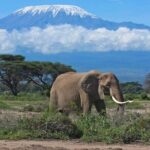
- Amboseli National Park: elephants, swamps, and Kilimanjaro in the same view
- Lake Nakuru National Park: flamingos first, then rhino and leopard energy
- Maasai Mara National Reserve: Big Five drives and Great Migration country
- The guides: where the safari either feels smooth or feels chaotic
- Included meals, park fees, and the comfort math of “midrange”
- The real test: will you see what you came for?
- Should you book this 6-day Amboseli–Nakuru–Mara safari?
- FAQ
- What is included in the 6-day safari price?
- What does the tour cost per person?
- What are the start and end locations?
- What time does the tour start?
- Is pickup offered?
- Is this a private tour?
- Do I get a mobile ticket?
- How much notice do I need to cancel for a full refund?
Key highlights worth your attention
- Amboseli elephant viewing with Kilimanjaro as a backdrop
- Lake Nakuru for flamingos plus a chance at rhino and leopard sightings
- Maasai Mara Big Five drives in prime migration country
- Sunrise and golden-hour game drives built into multiple days
- Midrange comfort with meals and park fees included
- A named contact, Caroline, shows up positively in guest feedback
A 6-day safari loop that actually makes sense
This tour is built like a best-of route, not a “cram everything in” mess. You’re not bouncing constantly across tiny stops. Instead, you settle into three iconic areas—Amboseli, Lake Nakuru, and the Mara—and each gets enough time for proper morning and afternoon driving.
For you, that matters because safari quality is about hours in the vehicle and having enough flexibility for wildlife timing. Animals don’t follow your schedule, so a route that keeps you in the right park long enough usually pays off.
The overall feel is a midrange, guided, all-in-one package. You get pickup offered, a mobile ticket, and the tour ends back where it starts—Nairobi’s Jomo Kenyatta International Airport. That last point is practical if you’re trying to manage flights without adding extra stress.
A few more Nairobi tours and experiences worth a look
Price and what $3,553 covers (and what it doesn’t)
At $3,553 per person for a 6-day private safari, you’re paying for a full bundle: accommodation plus park fees, meals, drinking water, and taxes/VAT are included. Lunches and dinners are counted (lunch 6 times, dinner 5 times, breakfast 6 times), which is huge value on a safari where buying food separately would add up fast.
The one clear add-on is tips, which are not included. That’s normal in East African guided travel, but you should still mentally budget for it so it doesn’t feel like a last-minute surprise.
The private-tour angle also changes the math. You’re not sharing the same tight safari schedule with strangers, and your guide’s pacing can better match your group. If you’re the type who hates waiting for everyone else to wake up, that alone can make the price feel more reasonable.
Nairobi pickup at 6:00am: the part that sets your day
The tour start time is listed as 6:00 am at Jomo Kenyatta International Airport in Nairobi, and pickup is offered. That early start is the price of entry for the best light and cooler wildlife hours.
Because it’s a private activity, only your group participates. In practice, that usually means fewer delays and fewer “traffic choreography” problems. It also means your day-to-day experience depends heavily on your guide’s timing and planning—something the better reviews point toward.
Also note: confirmation is provided at booking, and the experience uses a mobile ticket. That’s good if you like clean logistics and minimal paperwork.
Amboseli National Park: elephants, swamps, and Kilimanjaro in the same view
Amboseli is where this safari starts pulling focus immediately. The big draw is the chance to see Mount Kilimanjaro towering above the park while you’re watching wildlife move through savannahs, swamps, and woodlands.
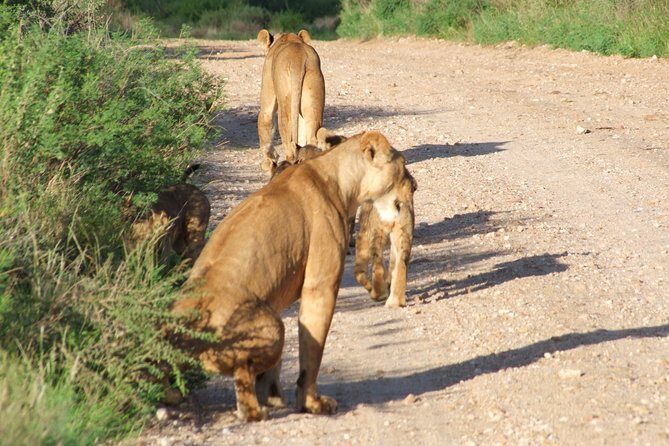
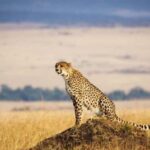
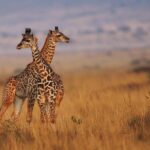
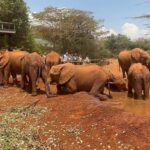
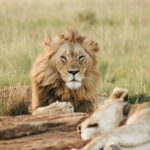
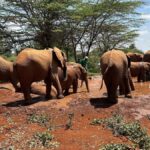
On Day 1, the experience is described as game drives in Amboseli with a special emphasis on sunrise and sunset. That’s not just romantic wording. Golden-hour drives usually mean better visibility and more active animal movement. You’ll also have a strong shot at large herds of elephants, including their impressive size and distinctive tusks, plus the usual savannah suspects like lions, cheetahs, and giraffes.
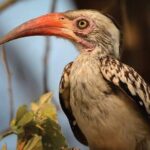
Birdlife is another Amboseli signature mentioned here: over 400 bird species, including flamingos. Even if you’re not a hardcore birder, it adds texture. Instead of seeing only the “Big Five” style mammals, you’ll get more variety in what’s happening on the ground and around the lake edges.
Day 2 keeps you in Amboseli with a long day (listed at 10 hours). The day’s rhythm is clear: sunrise game drive, a midday break at a scenic spot, then more driving in the afternoon at golden hour. That pacing matters. It gives your group time to absorb what you saw earlier, then chase better sightings later instead of trying to sprint through the park once.
Potential drawback in Amboseli: Mount Kilimanjaro visibility depends on weather and clouds. The park is famous for it, but you can’t control the sky. If Kilimanjaro being visible is your top goal, be mentally ready for cloudy days.
Lake Nakuru National Park: flamingos first, then rhino and leopard energy
Lake Nakuru is a different kind of safari day. Instead of elephants and mountain views, you’re dealing with a lake system that brings in dense birdlife and strong predator odds as temperatures shift.
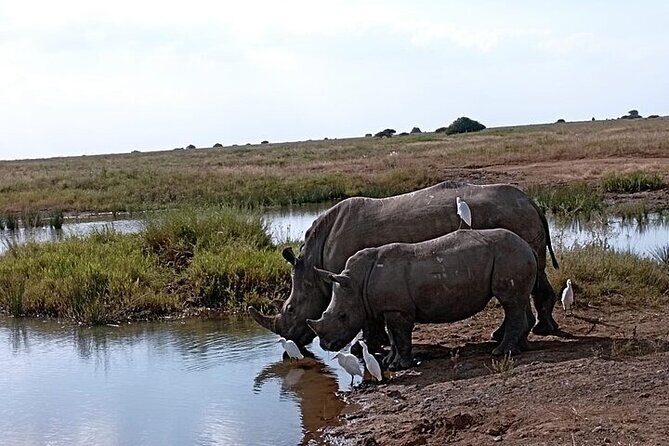
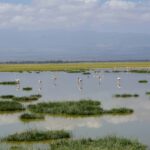
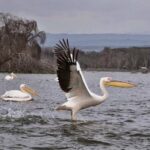
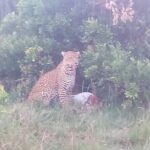
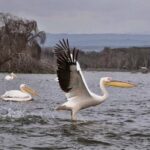
The schedule highlights a scenic drive around the lake as the sun sets. That’s a smart choice because flamingos are a visual wow even for non-bird people. You get flocks of flamingos and other birds creating a color show along the shoreline, plus the chance to spot wildlife like rhinos, lions, and leopards.
The temperature mention is practical: wildlife can be more active in the cooler hours. So you’re not only chasing aesthetics. You’re also aligning your driving with how animals often behave.
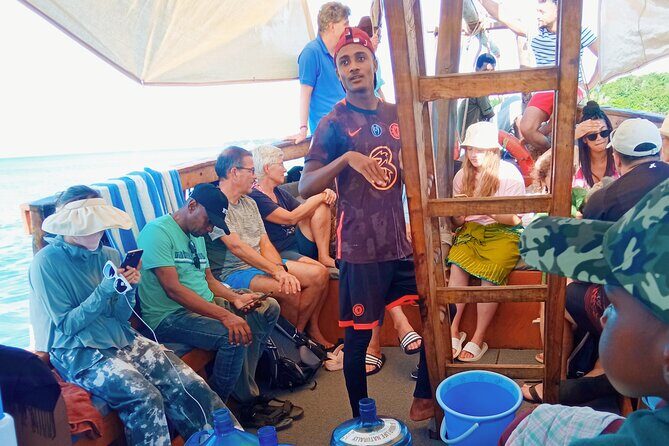
One extra detail from guest feedback: some guests specifically mention enjoying boat racing alongside flamingo viewing at Lake Nakuru. The itinerary description you have doesn’t spell out boat time, so think of this as a possible add-on rather than a guaranteed feature every day. Still, it’s a useful clue that the lake experience may be more than just roadside viewing.
Possible drawback in Nakuru: because the experience includes wildlife sightings and bird spectacles, your day can feel split between two “modes.” If you’re only chasing predators, focus on staying patient during lake time. If you love birds and photography, lean into the sunset timing and don’t rush.
A few more Nairobi tours and experiences worth a look

Maasai Mara National Reserve: Big Five drives and Great Migration country
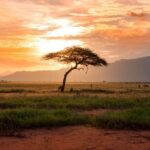
Then you move to Maasai Mara, and the vibe changes fast. This is the part of the trip most people picture when they think safari.
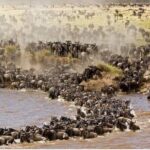
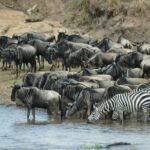
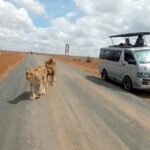
Mara is where you’re chasing both the Big Five and the Great Migration storyline. The tour highlights the migration corridor, with millions of wildebeest and zebras traveling across the plains for fresh grazing. Even if you’ve never studied migration patterns, your guide’s job here is to help you read the movement and find what’s happening right now.
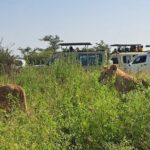
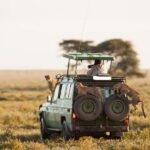
Days 4 and 5 are both long game-drive days (each listed at 10 hours). The pattern stays similar across the two days: morning-to-afternoon driving opportunities, Big Five target species, and time for cheetah-speed sightings and giraffe/zebra herds. The key is that you’re not doing one quick Mara pass. You’re there long enough for “today’s action” to change.
Day 6 is listed at 4 hours in the provided schedule and still centers on migration and Big Five encounters. Practically, that sounds like a final, focused driving window rather than another full day reset.
Mara also comes with a human element. The tour description includes Maasai village visits and traditional dances. That’s not a side quest. It can add context for what you’re seeing in the ecosystem around you—especially if you’ve only ever thought of this region as a wildlife stage.
Possible drawback in Mara: Great Migration locations shift. Even when you’re in the right reserve, the most active herds might be in different areas on different days. That’s not a failure; it’s the whole point of the migration. Your best defense is time, and this tour gives you multiple Mara days to work with.
The guides: where the safari either feels smooth or feels chaotic
This tour’s quality doesn’t only come from parks. It comes from how your guide runs the day.
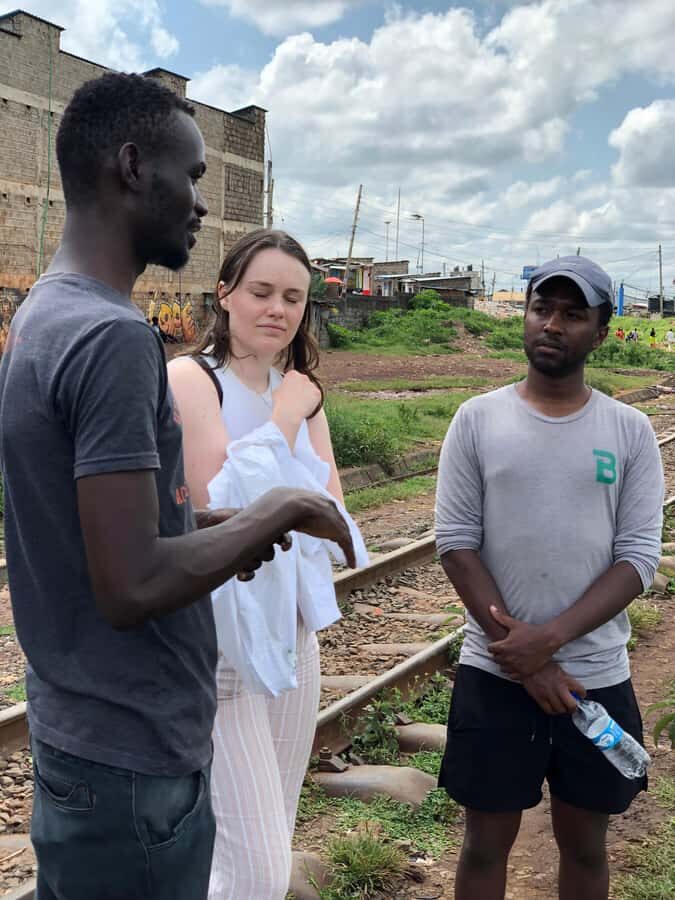
In the positive feedback you provided, guides are repeatedly described as outstanding, passionate, and entertaining—plus guides who communicate clearly and track animals with care. One review specifically praises Caroline for communication throughout the journey and describes her as jovial and knowledgeable.
That name matters because it signals continuity: someone on the team can be reached, can follow through, and can keep your group oriented when driving gets long.
The takeaway for you: prioritize responsiveness and clarity when you book. Even the best itinerary can feel frustrating if your guide can’t manage timing. The feedback here suggests Kensai Safaris tends to do better than average on that front.
Included meals, park fees, and the comfort math of “midrange”
A lot of “cheap safari” deals die in the hidden costs. Here, the included list does real work for your budget planning.
You get:
- accommodation
- park fees
- drinking water
- taxes and VAT
- meals: breakfast 6 times, lunch 6 times, dinner 5 times
That’s a big deal in East African safari travel where park access and eating on the road can easily eat a day’s worth of spending. Since park fees are included, you’re less likely to get hit with surprise entry costs on arrival.
The trip is also described as comfortable midrange accommodations. Midrange usually means you’re trading extremes: you get decent comfort without paying luxury rates that can make a safari jump into an entirely different budget world.
One more small plus: the tour is listed as near public transportation. That can help if you need to manage anything else in Nairobi before or after the safari. You’re not locked into a totally isolated situation.
The real test: will you see what you came for?
Let’s be honest about expectations.
Amboseli is about elephants and Kilimanjaro views. If you want dramatic mammal sightings in a scenic setting, you’re in the right place. The tour also signals long enough time inside the park (two days) to chase movement instead of ticking boxes.
Lake Nakuru is about flamingos and birdlife, with serious wildlife chances too. You’re also visiting during a time that emphasizes sunset driving, which is ideal for the lake visuals. If you want rhinos and predators, you’ll want patience and good tracking—but the park’s mix gives you a reason to keep scanning.
Maasai Mara is the headline for Big Five and migration. Three Mara days means you have multiple opportunities for shifting sightings, and the tour’s repeated focus on sunrise/sunset style driving gives you a chance to catch different animal rhythms across the day.
Should you book this 6-day Amboseli–Nakuru–Mara safari?
I’d book it if your priorities are:
- Elephants plus Kilimanjaro in Amboseli
- Flamingos at Lake Nakuru with wildlife chances beyond birds
- Maasai Mara Big Five plus time in migration country
- A package that handles park fees and most meals
I’d hesitate if you’re worried about operator reliability based on payment status. The provided feedback includes a serious complaint about Kensai Safaris (spelled Kansai in that review) and funds/payment handling. That doesn’t mean every booking has the same outcome, but it does mean you should slow down: confirm the current status of the operator, double-check what payment method you’re using, and keep documentation.
If you want, tell me your travel month and whether you care more about elephants, flamingos, or migration. I can help you sanity-check which park is most likely to deliver the moments you’re chasing most.
FAQ
What is included in the 6-day safari price?
The tour price includes accommodation, park fees, drinking water, taxes & VAT, lunch (6 times), dinner (5 times), and breakfast (6 times). Tips are not included.
What does the tour cost per person?
The price is listed as $3,553.00 per person.
What are the start and end locations?
The tour starts at Jomo Kenyatta International Airport in Nairobi, Kenya, and ends back at the same meeting point.
What time does the tour start?
The start time is listed as 6:00 am.
Is pickup offered?
Yes, pickup is offered.
Is this a private tour?
Yes, it’s described as a private tour/activity, meaning only your group participates.
Do I get a mobile ticket?
Yes, mobile ticket is listed as a feature.
How much notice do I need to cancel for a full refund?
You can cancel up to 3 days in advance of the experience for a full refund. If you cancel less than 3 full days before the start time, the amount paid is not refunded. Cut-off times are based on local time.