REVIEW · KENYA
Nairobi National Park,Giraffe Center,Orpanage&Karen Blixxen
Book on GetYourGuide →Operated by Kana Tours & Safaris · Bookable on GetYourGuide
Three animal encounters in one Kenyan day. The best part is how the day moves from predators to conservation work to culture, with hands-on chances to see animals close up. You’ll ride in an open-roofed safari van and catch wildlife action early, then shift gears to meet giraffes face-to-face.
I also love how the tour covers both animals and people: Nairobi National Park for the big-game safari feeling, then the Bomas of Kenya stop for traditional songs and dances tied to Kenya’s 42 ethnic groups. One drawback to keep in mind: the day can feel time-tight if sightings are good, and in at least one real-world case the Bomas stop was missed or didn’t get the attention it deserved.
In This Review
- Key Things To Know Before You Go
- Nairobi National Park Comes First: Early Wildlife, Big-Game Odds
- Riding High: The Open-Roofed Safari Van Experience
- David Sheldrick Elephant Orphanage: Conservation With a Clear Purpose
- Giraffe Centre: Rothschild Giraffes and Conservation Education
- Bomas of Kenya: Songs, Dances, and Kenya’s Ethnic Groups
- Price and Logistics: Is the $80 Good Value?
- What Language and Guide Style Means for Your Experience
- Who This Tour Fits Best (And Who Might Want a Different Plan)
- Practical Planning Notes That Keep the Day Smooth
- Should You Book Kana Tours & Safaris for This Nairobi Day Trip?
- FAQ
- What’s included in the $80 per person price?
- Which entry fees are not included?
- Do you include food or drinks?
- What wildlife can I expect at Nairobi National Park?
- Where does the elephant orphanage send elephants back to?
- What documents should I bring and is the tour in English?
Key Things To Know Before You Go
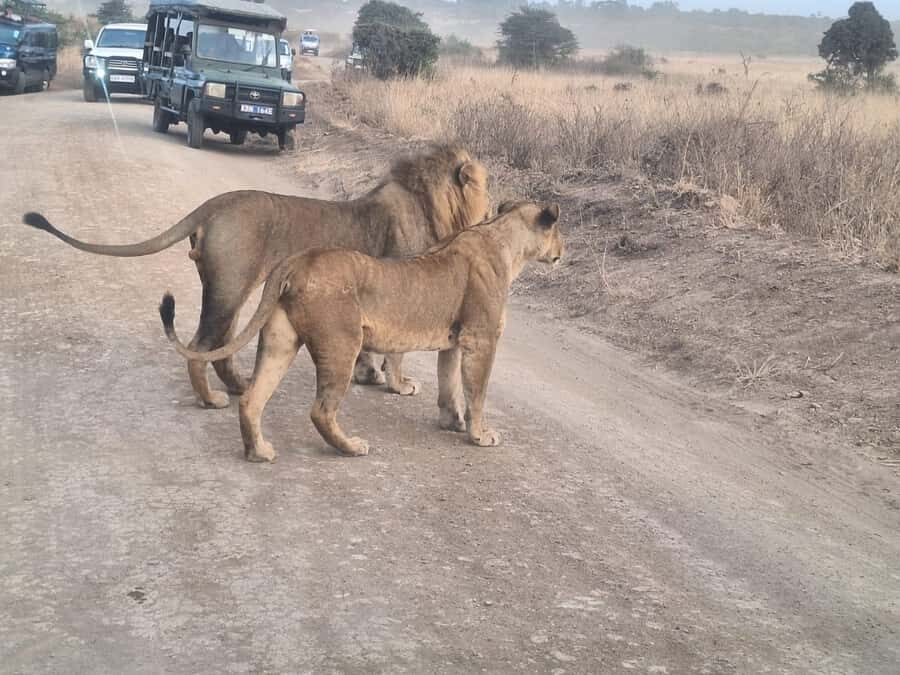
- Open-roofed game drive in Nairobi National Park: You’ll spend early hours scanning for lions, cheetahs, leopards, and more.
- Elephant conservation at David Sheldrick Elephant Orphanage: You’ll see the orphanage’s reintroduction work tied to Tsavo National Park.
- Rothschild giraffes at the Giraffe Centre: You can meet giraffes in a conservation-focused setting.
- Bomas of Kenya cultural village: Traditional songs and dances representing Kenya’s major ethnic groups.
- Costs add up quickly: The $80 base price excludes multiple site entry fees.
- Pace depends on animal time: If the guide hits a great sighting, you may spend less time elsewhere.
Nairobi National Park Comes First: Early Wildlife, Big-Game Odds
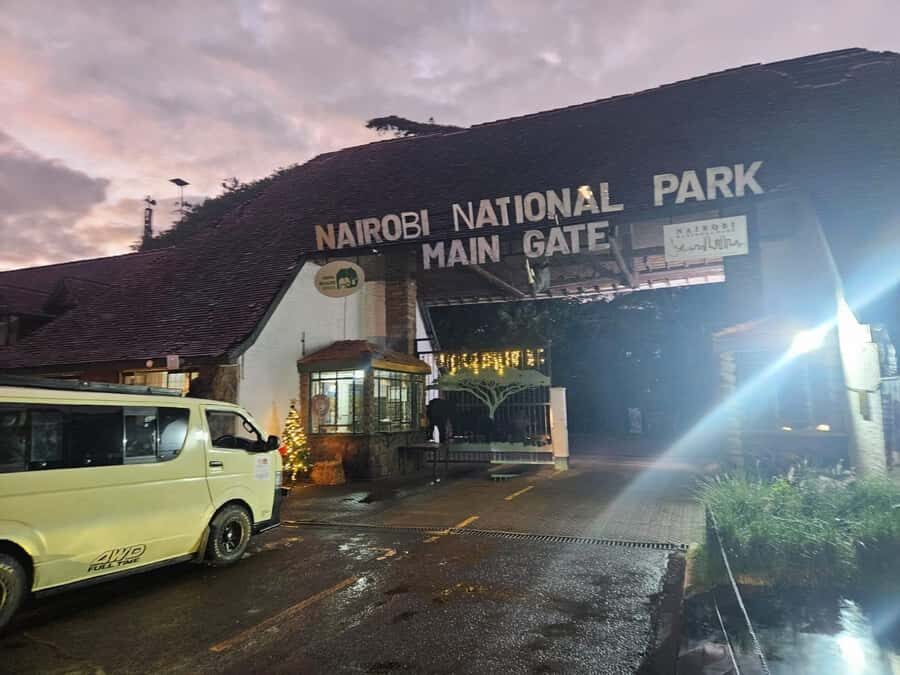
This is a day trip built around one simple advantage: morning light and morning animal activity. You start with a brief introduction, then head into Nairobi National Park for an early drive. The idea is to maximize wildlife sightings while the day is still cool and active.
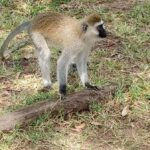
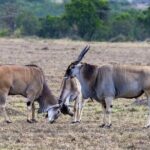
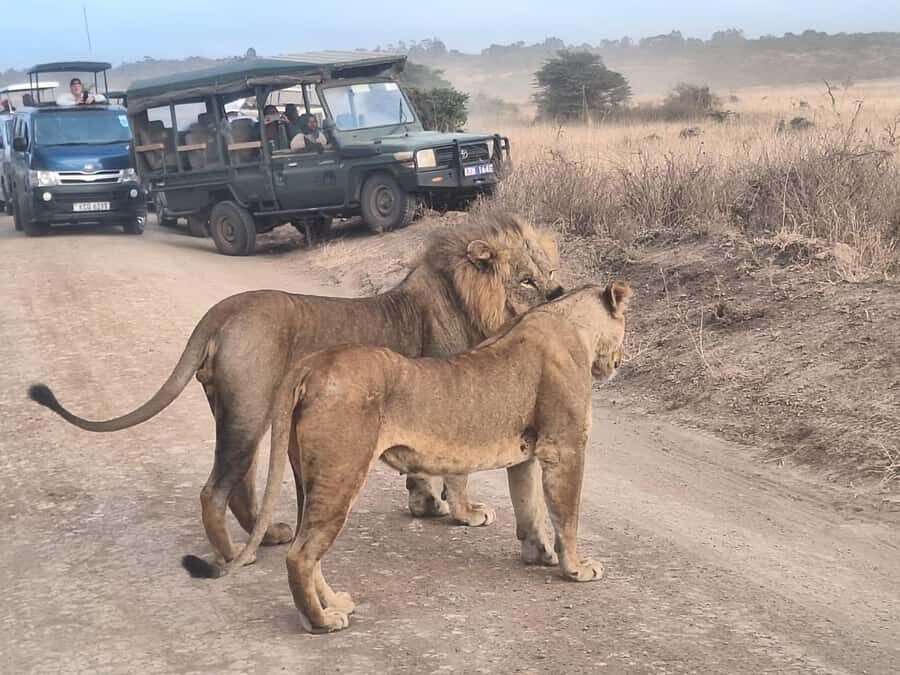
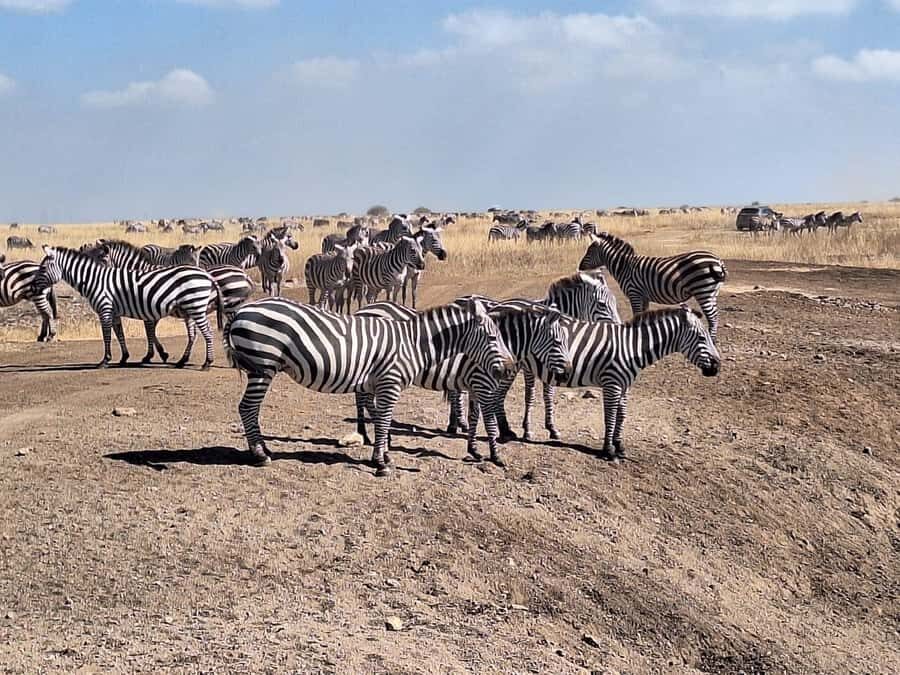
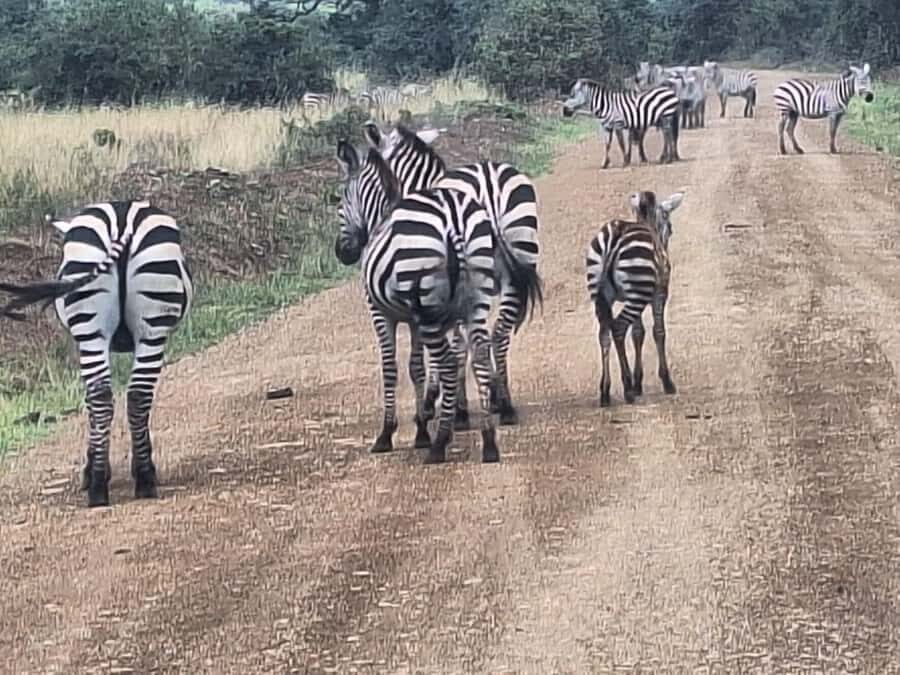
What makes this park stop exciting is the variety. You’re told to expect over 100 animal species, including the classics like lions, cheetahs, and leopards. You’ll also likely see buffaloes and zebra, plus animals that many first-timers don’t picture immediately—like hippos, rhinos, elands, gazelles, wildebeests, and hyenas. Even if you don’t get every species, the sheer mix keeps the drive interesting the whole time.
One practical tip: don’t plan on “knowing” what you’ll see. In Nairobi National Park, wildlife can show up close, then vanish. So the best strategy is mental flexibility. When something interesting appears, stay locked in rather than waiting for the next “guaranteed” animal.
You can also read our reviews of more tours and experiences in Kenya.

Riding High: The Open-Roofed Safari Van Experience
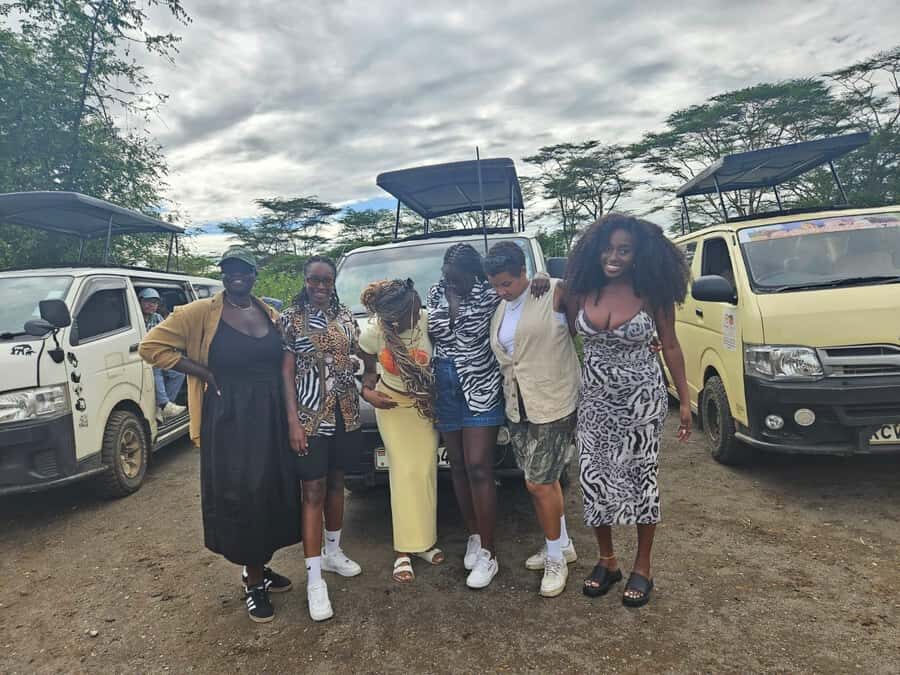
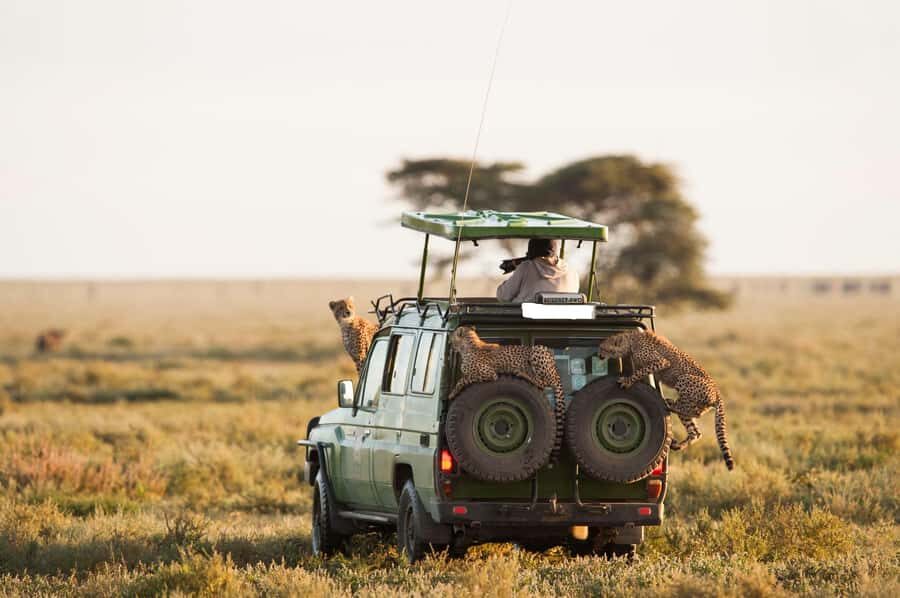
The tour’s transport is part of why this feels like a real safari day. You go in an open-roofed safari van with a driver guide, and that changes your experience immediately. You get better sightlines, easier viewing from different sides of the vehicle, and a stronger sense of being out with the animals rather than behind glass.
You’ll be looking for predators and grazing animals together—classic safari “stories” where carnivores hunt while prey moves nearby. The day’s animal list includes lions, cheetahs, and leopards, but also buffaloes, zebras, gazelles, and wildebeests. That matters because it helps you understand the habitat. You’re not just ticking boxes; you’re seeing how different species share space and timing.
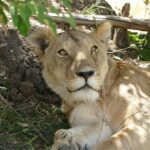
The balance to watch: if the guide keeps moving toward the next stop, you might lose time if you’re in the middle of a great wildlife moment. In one case, the group wanted to stay longer watching a lioness, but the schedule pushed the tour onward. It’s not a dealbreaker, but it’s a good heads-up: you’re trading guaranteed time in one spot for broader coverage across multiple attractions.
David Sheldrick Elephant Orphanage: Conservation With a Clear Purpose
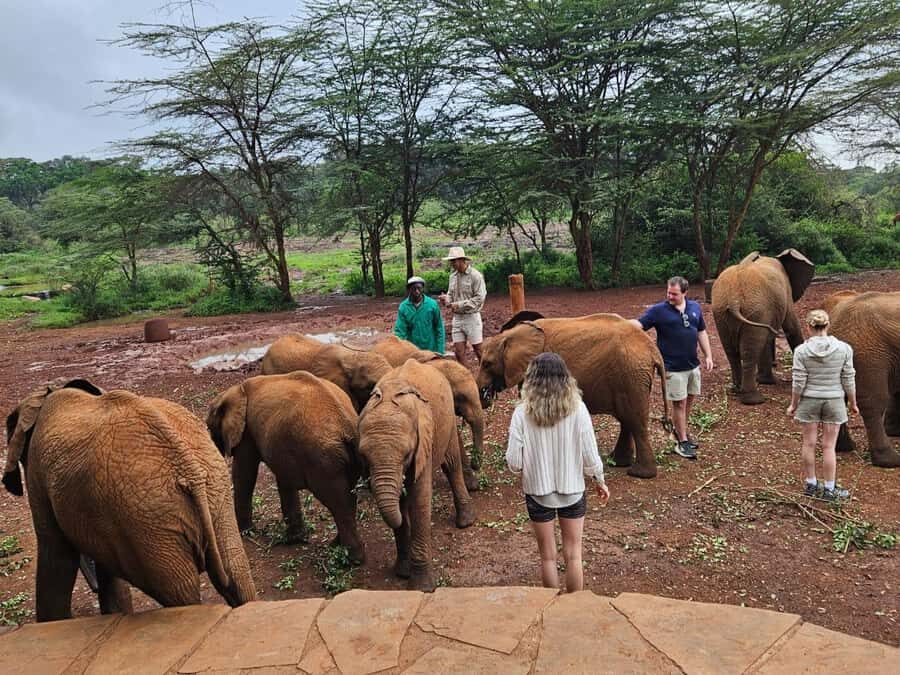
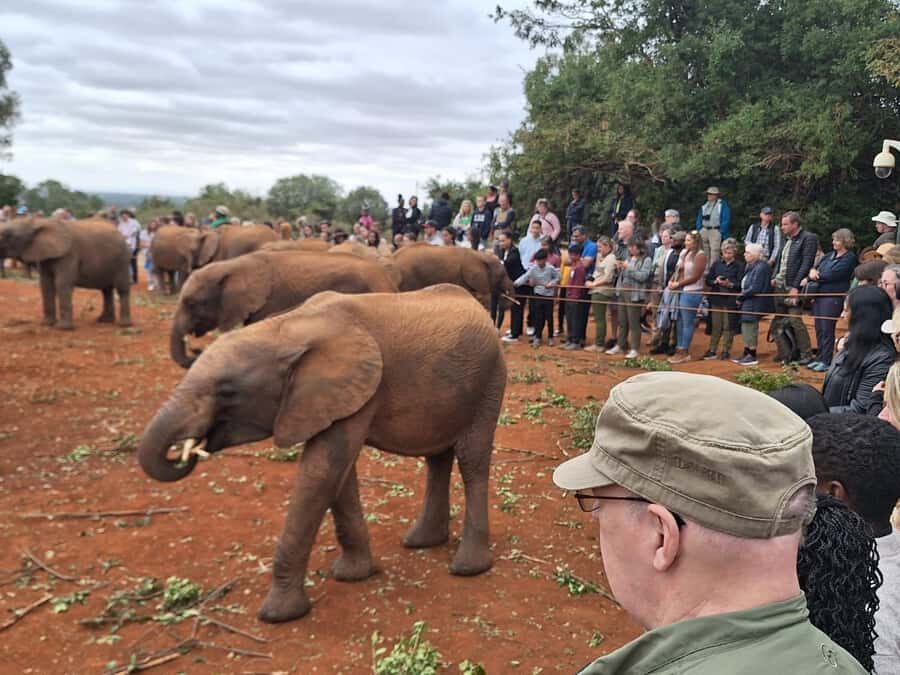
After the morning safari drive, the day shifts from “watching wildlife” to seeing how wildlife is actively protected. You’ll visit the David Sheldrick Elephant Orphanage, which is involved in reintroducing elephants back into the wilds of Tsavo National Park.
This stop can hit harder because the mission is specific. You’re told the orphanage supports a project that returns these elephants to Kenya’s east, and that context makes the visit more meaningful. It’s not just a viewing stop. It’s conservation work, and you’ll learn about the reintroduction effort.
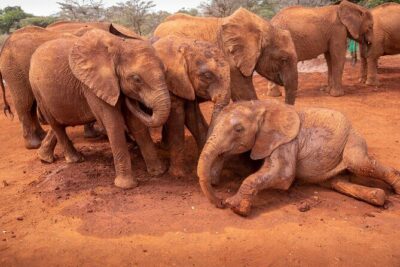
You also get a chance to watch how the baby elephants are fed. That small detail matters because it shows daily care, not just an end goal. Feeding is where you can see the scale of effort and the focus on getting elephants healthy enough for life outside the orphanage.
Worth knowing: the elephant orphanage has its own entrance fee that isn’t included in the base tour price. Still, if you care about why conservation programs exist, this is often the part of the day that helps wildlife feel real, not abstract.
Giraffe Centre: Rothschild Giraffes and Conservation Education
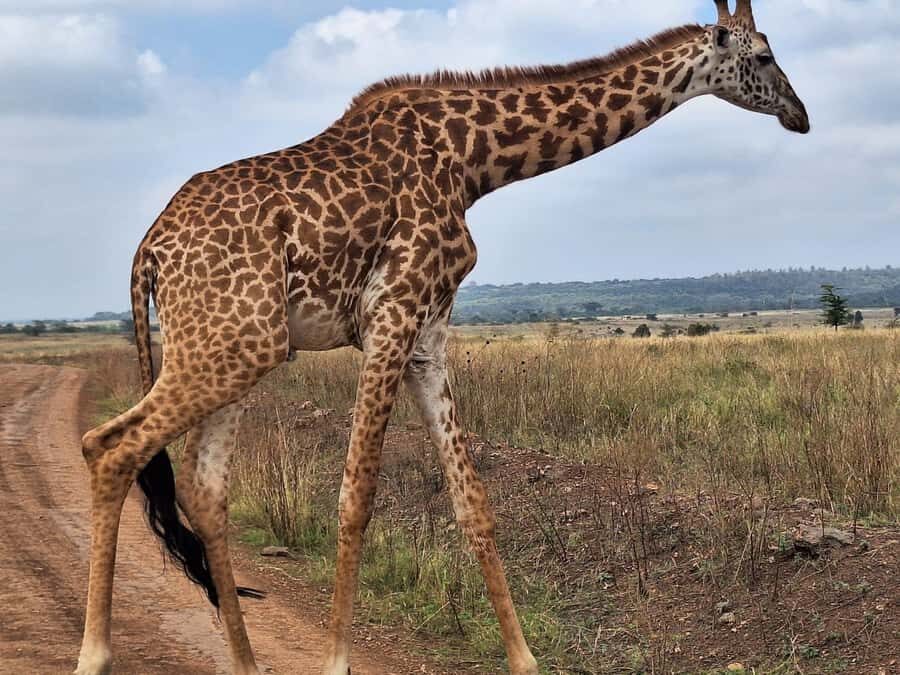
Next comes the Giraffe Centre, a stop designed for close-up viewing without turning conservation into a carnival. The site began as a breeding facility for the endangered Rothschild giraffe. Today, it also supports conservation and teaching programs for Kenyan schoolchildren.
That blend is a win for visitors who like meaning behind the experience. You’re meeting giraffes, yes, but you’re also seeing how the program supports both survival of the species and education for the next generation.
You’ll be able to meet giraffes before moving on to the next cultural stop. This sequencing works well because it keeps animal time fresh rather than draining your energy with back-to-back long activities. It also helps you remember what you’re looking at: the giraffes aren’t just background. They’re the focus.
Like the other sites, the Giraffe Centre entry fee is not included in the $80 price. The center also has its own conservation mission, so it’s worth budgeting for the separate fee if you want this specific experience.
Bomas of Kenya: Songs, Dances, and Kenya’s Ethnic Groups
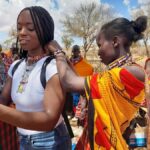
After the animal stops, you’ll head to Bomas of Kenya, a guided tour of a tourist village where each enclosed homestead represents one of Kenya’s major ethnic groups. You’re told this is a place to learn more about Kenya’s 42 ethnic groups, and you’ll relax during traditional songs and dances performed by various ethnic groups.
This cultural segment is valuable in a way that often surprises people. The safari day can make Kenya feel like only wilderness and animals. Bomas reminds you the country is also living communities with traditions, music, and performance tied to identity. The fact that it’s organized into ethnic-group homesteads makes it easier to follow. You can connect what you’re seeing to a larger understanding of Kenya’s diversity.
The main consideration is time. Cultural performances work best when you aren’t rushed. If your morning safari run turns up something exceptional, you might arrive with less energy than you hoped. And if the day’s schedule gets tight, the Bomas stop could be shortened. If culture is a key reason you booked this tour, make sure the Bomas visit is confirmed clearly as part of your itinerary.
Price and Logistics: Is the $80 Good Value?
The tour price is listed at $80 per person, and it includes transport in an open-roofed safari van, pick-up and drop-off, bottled water, and a driver guide.
That’s a solid base deal because you’re paying for the “glue” of the day: getting from Nairobi National Park to multiple attractions without dealing with driving yourself. Bottled water and pick-up/drop-off also remove the little hassles that add up on a long day.
But the real budgeting story is the site fees not included. You’ll need to add:
- Nairobi National Park entry fees: $43 per person
- Elephant Orphanage entrance fee: $20 per person
- Giraffe Centre entry fee: $15 per person
- Bomas entry fee: $15 per person
When you add those up, your day is closer to $173 per person, not counting food and drinks. Food and drinks are not included, so you’ll want to plan your own meals or snacks.
So is it good value? For an open-roof safari drive plus two animal-focused conservation stops plus a cultural village in one day, it can be a reasonable way to sample a lot without renting a car. If you only care about one or two stops, it may feel pricey. If you want a structured “hits-and-meaning” day, the included transport helps justify the cost.
What Language and Guide Style Means for Your Experience
The tour language is listed as English. That’s important here because safari spots and conservation programs rely on explanations. You’ll want a guide who can connect animal behavior to what you’re seeing right now.
From the guide feedback tied to this tour, James stands out for patience and for positioning well when animals are around. That kind of guide skill matters more than people think. Better positioning can mean clearer views and fewer missed moments, especially when wildlife stays active or moves suddenly.
So if you get a guide with that calm, animal-reading approach, you’ll likely enjoy the day more. And if you’re hoping to maximize time at one special moment—like a lioness sighting—pay attention to how the guide manages transitions and whether they’re flexible.
Who This Tour Fits Best (And Who Might Want a Different Plan)
This day trip is best for you if you want structure. It strings together Nairobi National Park, elephant conservation, giraffe conservation, and cultural performance in one organized outing. It’s also a good match if you’re short on time in Nairobi and still want real variety.
It also suits you if you care about conservation programs with a stated purpose. The elephant stop isn’t just a cute baby-elephant photo moment. You’re told the work is about reintroducing elephants into Tsavo National Park, and you’ll see the feeding process. The giraffe stop isn’t just feeding either. It began as a breeding facility for the endangered Rothschild giraffe and includes teaching programs.
This tour may feel less ideal if you want slow travel or lots of free time. The pacing is built for multiple locations. If you dislike feeling rushed, this is the kind of schedule where you might wish for a longer safari window or more time at Bomas.
Practical Planning Notes That Keep the Day Smooth
At minimum, bring your passport or ID card. The day includes cross-site visits, and you’ll need valid identification to participate.
Also plan around food. Food and drinks are not included in the tour price, so you’ll either eat on your own during breaks or bring snacks if that fits your style. Bottled water is included, which helps, but it doesn’t replace meals.
Finally, keep expectations realistic about timing. This tour aims to cover the park plus three additional stops. When the morning wildlife drive is exciting, the rest of the day can feel tighter. If Bomas and the animal centers are top priorities for you, it’s worth checking that those stops are fully included as promised when you confirm your booking.
Should You Book Kana Tours & Safaris for This Nairobi Day Trip?
Yes, I think you should book this tour if you want a high-structure day that mixes wildlife viewing, conservation education, and culture without you organizing transportation between stops. The open-roofed safari van in Nairobi National Park is a great way to start, and the elephant and giraffe centers add meaning beyond generic sightseeing.
I’d hesitate if you’re hoping for a relaxed schedule or if you strongly prefer long, unbroken time in just one place. This is the kind of day where good wildlife sightings can affect how much time you spend elsewhere, and the cultural stop can feel shortened if the day runs ahead or behind.
If your goal is a full Kenya sampler day—animals plus people—this is a strong option. Just budget for the separate entry fees and keep an eye on how your guide balances time during the safari.
FAQ
What’s included in the $80 per person price?
Transport in an open-roofed safari van, pick-up and drop-off, bottled water, and a driver guide.
Which entry fees are not included?
Nairobi National Park entry fees ($43 per person), David Sheldrick Elephant Orphanage entrance fee ($20 per person), Giraffe Centre entry fee ($15 per person), and Bomas entry fee ($15 per person).
Do you include food or drinks?
No. Food and drinks are not included.
What wildlife can I expect at Nairobi National Park?
The tour says you can see over 100 animal species, including lions, cheetahs, leopards, giraffes, buffaloes, hippos, rhinos, zebras, gazelles, elands, wildebeests, and hyenas, among others.
Where does the elephant orphanage send elephants back to?
The orphanage supports reintroducing elephants into the wilds of Tsavo National Park.
What documents should I bring and is the tour in English?
Bring a passport or ID card. The tour language is English.