REVIEW · MOMBASA
Mombasa City Tour: Fort Jesus Museum, Old Town & Haller Park
Book on GetYourGuide →Operated by Explore PhotoTrip · Bookable on GetYourGuide
Mombasa packs a lot into one day. I like how this tour mixes Fort Jesus history with real coastal atmosphere, then ends with hands-on animal feeding at Haller Park. You also get a guided walk through Old Town’s narrow streets, not just a quick drive-by. One heads-up: it’s a long 8 hours with walking, so you’ll want comfortable shoes.
I’m especially taken with the way the day flows from symbolic city landmarks to the waterfront, then into UNESCO-level heritage and finally wildlife. For me, the best moments are usually the ones where you learn a story and then see it in front of you, like Portuguese and Arab influences at Fort Jesus and the feeding routines at Haller Park. If you’re sensitive to rough roads or sitting for long stretches, be aware that driving styles can vary.
In This Review
- Key highlights at a glance
- Elephants Tusk Arches to Mama Ngina Waterfront: Your morning momentum
- Fort Jesus Museum: UNESCO fort walls and maritime power
- Old Town Mombasa: narrow lanes, markets, and Swahili street life
- Lunch in Old Town: choose Swahili comfort and keep the pace
- Haller Park: feeding giraffes, plus hippos and crocodiles
- Price and value of $170: what’s included and why it matters
- Timing, comfort, and the reality of an 8-hour day
- Who should book this Mombasa tour (and who should think twice)
- Should you book this Mombasa City Tour?
- FAQ
- What’s included in the Mombasa City Tour?
- What time does the tour start and how long is it?
- Is lunch included?
- What kind of guide will I have?
- Can I feed the animals at Haller Park?
- What should I bring for comfort?
Key highlights at a glance
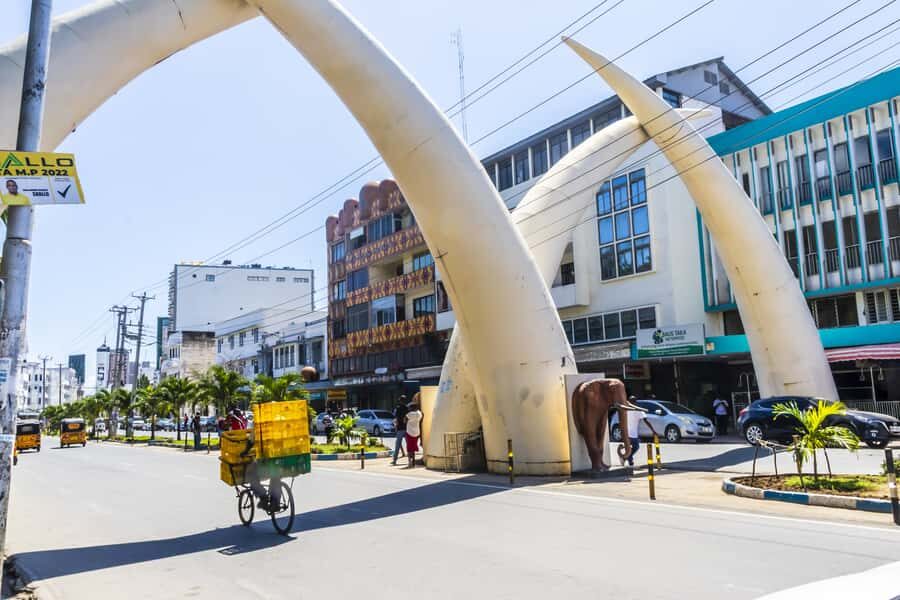
- Elephant tusk-shaped arches photo stop that marks the entrance to Mombasa
- Fort Jesus Museum with an in-plain-terms guide focused on maritime trade and outside powers
- Old Town walking tour through Swahili-style streets, markets, and local shops
- Lunch time in Old Town so you can choose Swahili classics and pace the day
- Haller Park wildlife encounters with giraffe feeding plus hippo and crocodile feeding times
Elephants Tusk Arches to Mama Ngina Waterfront: Your morning momentum
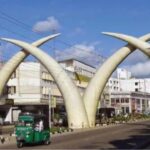
The tour usually kicks off with hotel pickup around 9:00 am, then you roll into Mombasa with enough structure to keep the day moving but not so rushed that you can’t look around. First stop: the Mombasa Tusks at about 9:30 am. These elephant-tusk-shaped arches are the city’s recognizable gateway, and yes—you’ll want your camera ready. They’re simple, graphic landmarks, and you can get great “starting-the-day-in-Mombasa” photos without trekking anywhere.
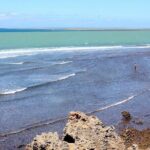
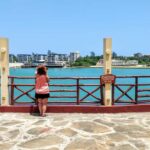
Right after that, you head to the Mama Ngina Waterfront (around 10:00 am). This is a public coastline space where you can slow down a bit, walk the promenade, and watch the Indian Ocean traffic—boats, people, and the daily rhythm of the coast. If you like street food, this is often where you’ll have the easiest chance to grab something quick from local vendors (the tour doesn’t include food, so you’ll pay as you go). It’s also a good place to spot what kind of day you’re really having: sunny and breezy, or hotter and more humid.
Practical tip: this part is usually when you’ll feel the time difference between an air-conditioned ride and open-air Mombasa. Drink your included bottled water, and plan to reapply sunscreen if the weather’s doing its thing.
You can also read our reviews of more city tours in Mombasa
Fort Jesus Museum: UNESCO fort walls and maritime power
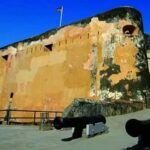
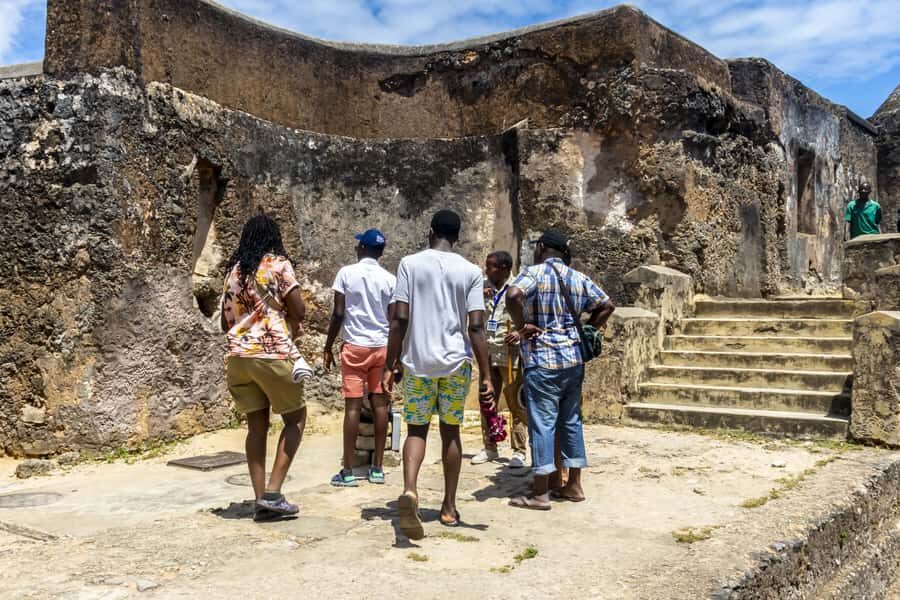
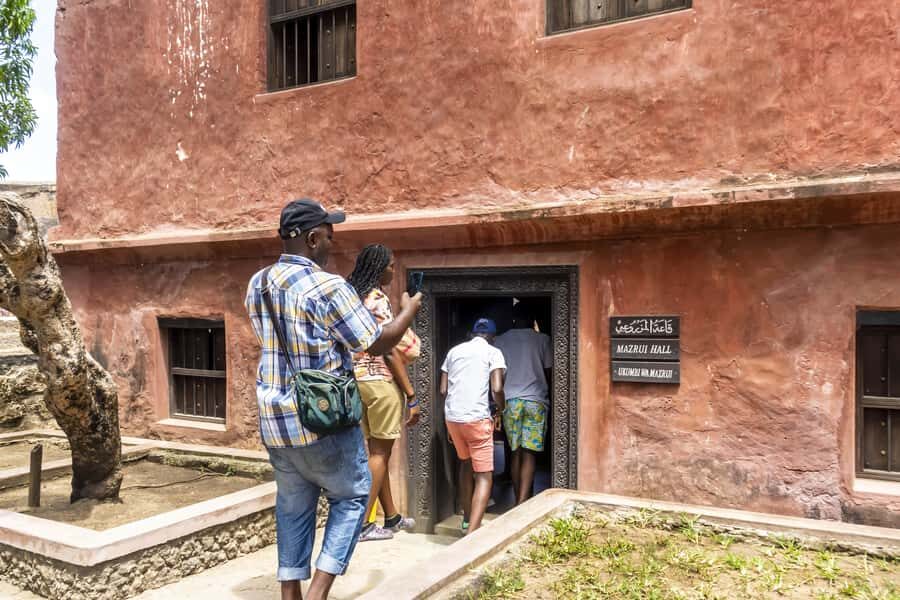
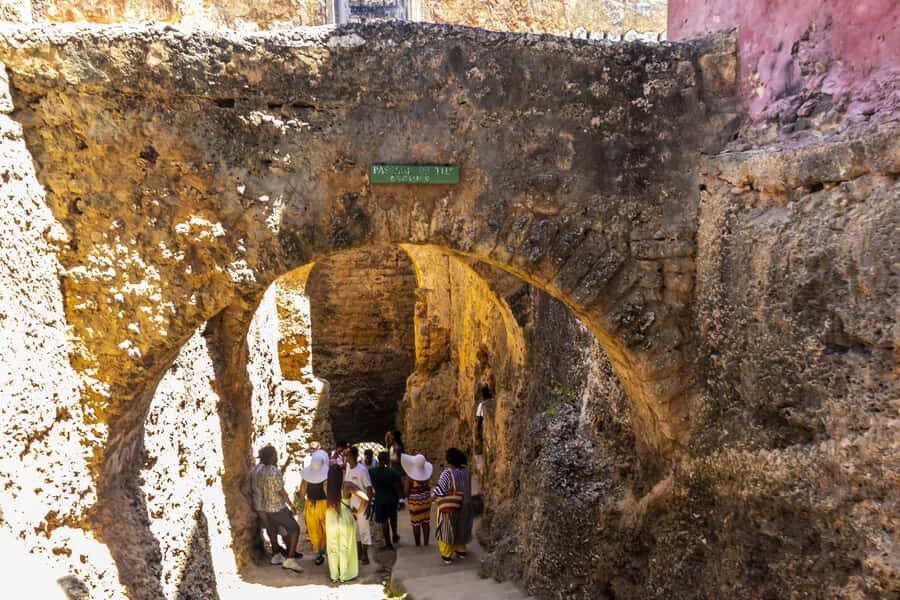
Fort Jesus is the big “set your brain to history mode” stop, arriving around 11:00 am. It’s a UNESCO World Heritage Site, built as a fortress tied to the ocean trade routes that shaped the region. Inside, you’ll find exhibits and artifacts that explain Mombasa’s position at the crossroads of outside powers and coastal commerce.
What I like most about Fort Jesus on this kind of tour is the way the guide helps you connect the dots. The fort isn’t just stone. It’s a story about Portuguese and Arab influences and how the fort played into maritime trade. In recent experiences, guides like Mohammed have a knack for explaining things clearly without dumping a flood of facts on you. Another guide, Geoffrey, has been praised for cultural context too—so if you want history with a human voice, this works well.
Also, Fort Jesus is one of those places where your pacing matters. You’ll want to look up at the fort structure, then work your way through exhibits at a comfortable speed. If you’re prone to information overload, you can ask your guide to slow down or focus on the parts that interest you most—trade routes, outside influence, or daily life.
One consideration: this is a museum/fort day, and you’ll be on your feet more than you might expect. Wear shoes you trust, because the walking isn’t just “short museum stroll” distances.
Old Town Mombasa: narrow lanes, markets, and Swahili street life
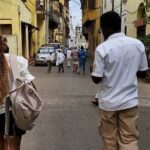
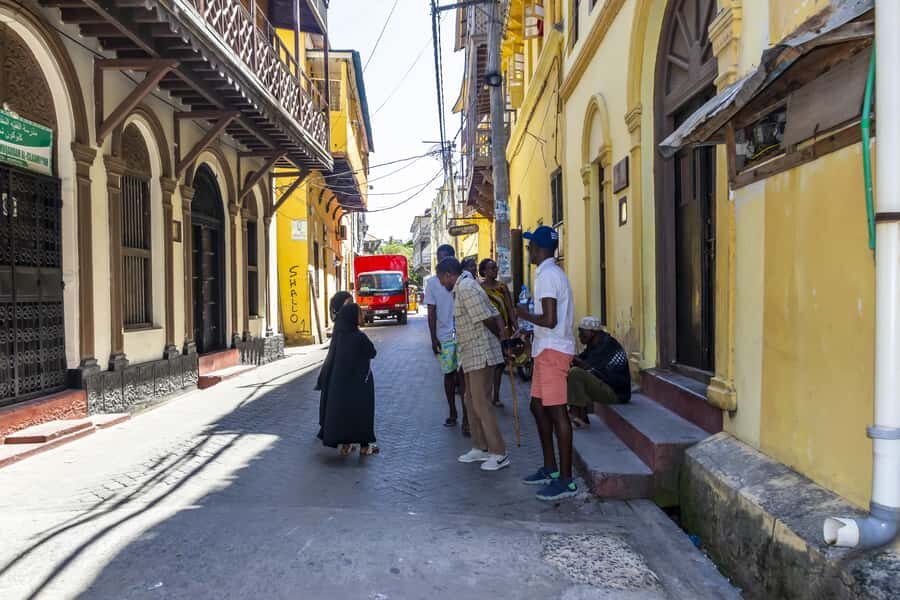
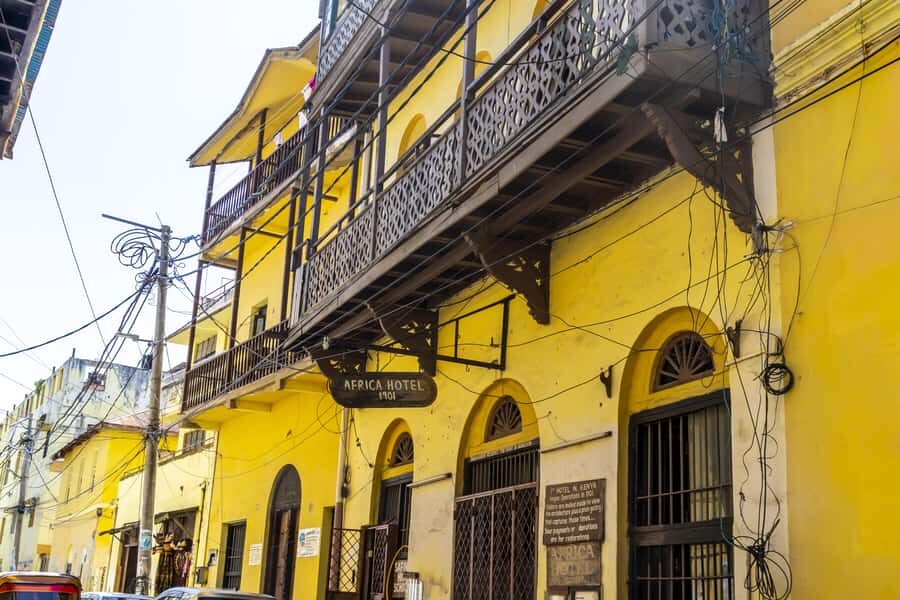
After Fort Jesus, you move into Mombasa Old Town around 12:30 pm. This is where the city starts feeling like a living place instead of a schedule. The walking tour goes through narrow streets with Swahili-style architecture, colorful buildings, and market areas where daily life spills out into the open.
I love this part because it’s not staged for tourists in the same way as some “historic districts.” You get the real texture: shop entrances, quick conversations, people moving with purpose, and the sense that this neighborhood works even when it’s not performing for visitors. Your guide can also help you notice what you might otherwise gloss over—things like how the streets and shopfronts connect and what the markets are actually selling.
This is also where shopping becomes practical. If you want souvenirs or local items, Old Town is the most logical stop of the day. One experience even mentioned time at a spice market area, which makes sense given how Old Town’s markets are organized. If you plan to buy, keep small bills handy and don’t leave shopping to the very end of the day.
Worth knowing: the Old Town portion can feel busy and close. If you’re traveling with a camera and you like candid street scenes, go slowly and let people pass. Also, keep your belongings secure. Narrow streets are great for walking and not-so-great for careless pockets.
Lunch in Old Town: choose Swahili comfort and keep the pace
You usually get a lunch window around 1:30 pm. Lunch is not included, so you’ll pick where to eat with your guide’s help. The good news: Old Town has options, and the tour is set up so you’re not stuck hunting while everyone else moves on.
Traditional choices you might see recommended in this area include biryani, pilau, and fresh seafood dishes. If you want something straightforward, pilau is often a safe bet. If you want something more filling, biryani can do the job. Seafood can be amazing, but it’s worth paying attention to freshness and cooking style if you’re picky.
A small but important money tip: you may want access to cash or card for lunch and souvenirs. This matters because the tour itself includes tickets and bottled water, but food and drinks are on you.
If you’re trying to stay energized for Haller Park later, don’t overdo it. Choose a hearty meal, not a food marathon. You still have an afternoon wildlife experience coming.
Haller Park: feeding giraffes, plus hippos and crocodiles
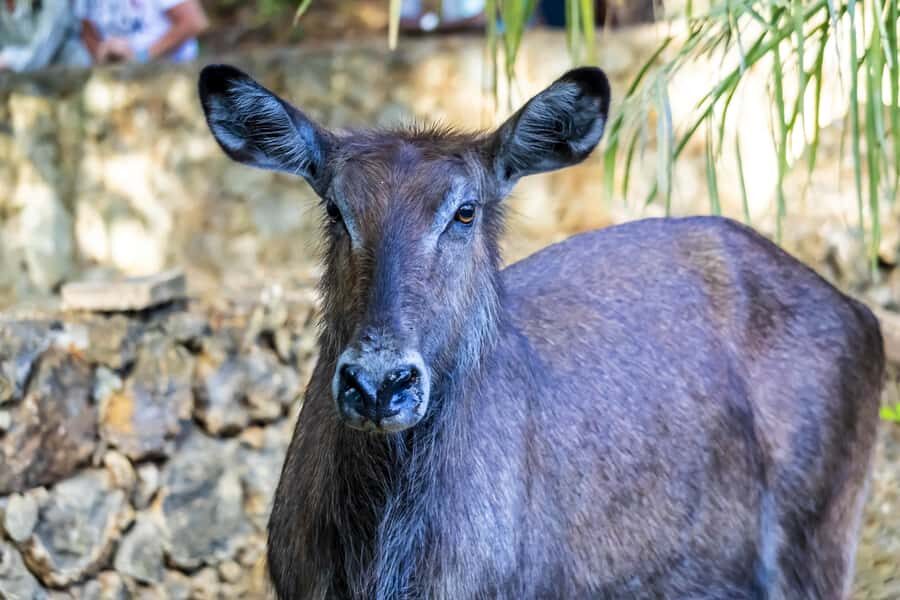
By about 3:00 pm, you head to Haller Park, where the tone shifts dramatically from city streets to animal-focused nature trails. This place functions as a wildlife sanctuary and nature reserve, with guided explanations tied to conservation and reforestation projects.
Haller Park’s best moments happen because they’re active. You’re not just viewing animals behind glass. You can see animals along the trails—giraffes, zebras, hippos, crocodiles, and a range of bird species. In some runs, you’ll also have the chance to feed the giraffes, which is the kind of experience that turns into a vivid memory fast.
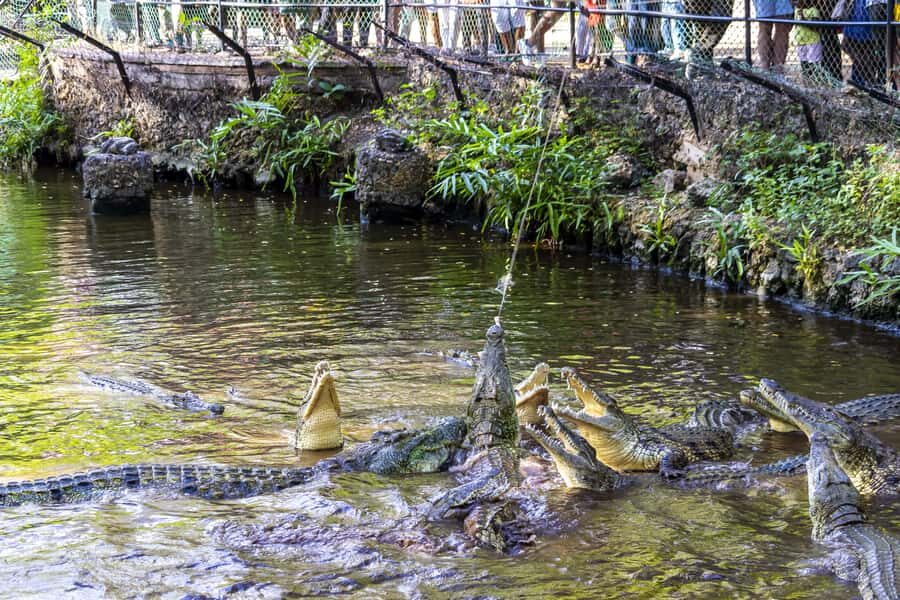
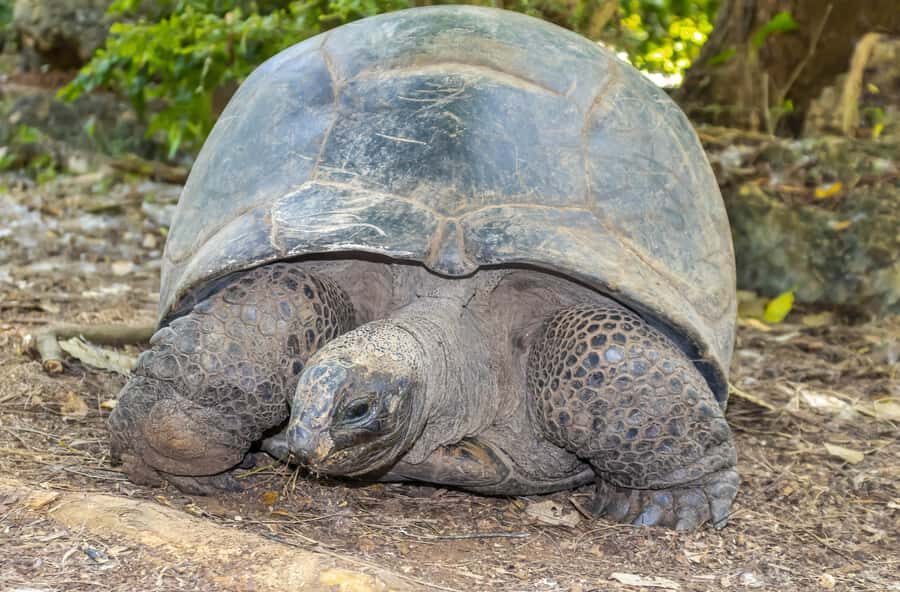
Then there’s the feeding routine. Some tours include watching the hippos and crocodiles being fed, which adds a real sense of timing and routine to the visit. One day may be rain-heavy, but the payoff is still there: even when conditions weren’t ideal, an experience highlighted seeing large tortoises, crocodiles, and antelopes, plus lots of monkeys, with the giraffe feeding still being the headline.
What to expect in terms of movement: you’ll be walking trails, and you’ll want shoes that handle uneven ground. If it rains, the ground can get slippery, so take it slow.
You can also read our reviews of more museum experiences in Mombasa
Price and value of $170: what’s included and why it matters
At $170 per person for an 8-hour day, the value comes from what you’re not paying for separately. Hotel pickup and drop-off are included. You also get bottled drinking water, plus entry tickets to Fort Jesus Museum and Haller Park.
That combination is important. Fort Jesus and Haller Park aren’t tiny stops. You’re effectively paying for a full day of:
- guided history and Old Town walking
- two major paid entrances
- transport between sites
- water for the day
Food and drinks are not included, so your total cost will depend on what you choose for lunch and any snacks at the waterfront. But compared to paying entrance fees plus private transport plus separate guided visits, this is a practical bundle.
Where it can feel pricey: if you prefer to roam independently or you’re allergic to crowds on guided walks. Also, if you get one rough ride day, that can sour the mood a bit. One report called out a rougher driving style. If you’re sensitive to that, tell your driver to slow down where needed.
Timing, comfort, and the reality of an 8-hour day
This tour is designed as a full loop, with a steady rhythm. Pickup starts around 9:00 am. The tusks stop is around 9:30 am. The waterfront arrives about 10:00 am. Fort Jesus is about 11:00 am. Old Town is around 12:30 pm, with lunch near 1:30 pm. Haller Park starts around 3:00 pm, and you typically return to your hotel around 5:00 pm.
That schedule is why you need to pack smart. The tour asks for:
- comfortable shoes
- comfortable clothing
- weather-appropriate gear
And it explicitly doesn’t want:
- high-heeled shoes
- oversize luggage
My advice: treat it like a walking day with a museum stop. Bring something light for sun and heat. If you’re prone to needing breaks, plan to use the waterfront and the lunch window to reset.
If you have back or heart concerns, this may not be the best fit. The tour involves walking through Old Town and park trails, plus time spent standing in Fort Jesus.
Who should book this Mombasa tour (and who should think twice)
This is a great fit if you want a “best-of Mombasa” day that still feels guided and grounded. It suits you if:
- you care about Fort Jesus and want context beyond a self-guided visit
- you like Old Town streets, markets, and culture you can walk through
- you want wildlife time that’s hands-on, including giraffe feeding
- you prefer hotel pickup instead of figuring out transport between distant stops
I’d think twice if:
- you have significant mobility limits or back/heart issues
- you dislike long days with frequent walking
- you’re very sensitive to driving style and road conditions
It’s also worth it if you’re traveling with a camera mindset. This route gives you strong photo stops: tusks arches, ocean promenade, fort architecture, Old Town color, and wildlife moments.
Should you book this Mombasa City Tour?
Book it if you want an 8-hour day that’s more than sightseeing. You’re getting a history anchor at Fort Jesus, a cultural walking slice in Old Town, a coastal reset at Mama Ngina Waterfront, and then a wildlife payoff at Haller Park with feeding moments.
Don’t book it if you’re hoping for a relaxed, minimal-walking experience. This is a full-day plan, and the best parts depend on moving at a comfortable pace.
My final thought: this tour earns its cost when you treat it as a “multiple worlds in one day” plan—fortress history, Swahili street life, ocean views, and real animal encounters.
FAQ
What’s included in the Mombasa City Tour?
The tour includes hotel pickup and drop-off, bottled drinking water, and entry tickets to Fort Jesus Museum and Haller Park.
What time does the tour start and how long is it?
Pickup begins around 9:00 am, and the full tour runs for about 8 hours, typically returning to your hotel around 5:00 pm.
Is lunch included?
No. Food and drinks are not included. Lunch is available as an optional stop in Old Town, and you’ll pay for what you choose.
What kind of guide will I have?
You’ll have a live tour guide in English. In some cases, guides may communicate in other languages too, depending on the group.
Can I feed the animals at Haller Park?
Yes. The experience includes time to feed giraffes. You may also be able to watch feeding of hippos and crocodiles during the park visit.
What should I bring for comfort?
Bring comfortable shoes and weather-appropriate clothing. Avoid high-heeled shoes and oversize luggage, since there’s walking throughout the day.