REVIEW · MOMBASA
Mombasa City Tour
Book on Viator →Operated by Virgin Explorers · Bookable on Viator
Mombasa is best seen before the heat ramps up, and this private walking tour makes that simple. I like that you get Fort Jesus Museum plus old-town streets in the same half day, and I also like the way the guide turns history into something you can picture. One thing to watch: if you need a specific language (like French), confirm expectations ahead of time, and ask how any short taxi/tuk-tuk transfers work.
You’ll start in the morning (around 9:00 am) and move at an easy city-pace, learning how Arabic, Portuguese, and Swahili communities shaped the coast. If you’re the kind of person who hates guessing where to eat, your guide’s where-to-go tips are a major payoff. The tour is only a few hours, so it won’t replace a full deep-dive day—but it’s strong for orientation.
The best value here is the structure: private transportation, museum entry included, and a guide who can tailor the focus to cultural, historical, or foodie interests. Just remember that lunch and breakfast are on you, so plan your timing accordingly.
In This Review
- Key highlights at a glance
- Why a 9:00 am start matters in Mombasa
- Fort Jesus Museum: Portuguese trade routes made clear
- Old town walking: Swahili and Arab culture in street-level details
- Choose your vibe: cultural, historical, or foodie focus
- Spice market stop: how to shop without getting lost
- Price and what you’re really paying for ($130 per person)
- Pickup, meeting point, and the flow of the day
- A quick note on language and local transfers
- Who this tour is best for
- Should you book the Mombasa City Tour?
Key highlights at a glance
- Fort Jesus Museum ticket included so you’re not hunting for entries on the day
- Old town walking time where Swahili and Arab influences show up in everyday places
- Spice market stop with scents, shopping chat, and a sense of how trade worked
- Private format: only your group, with a guide who can steer the pace
- Guide-led food and drink advice to help you eat well after the tour
Why a 9:00 am start matters in Mombasa
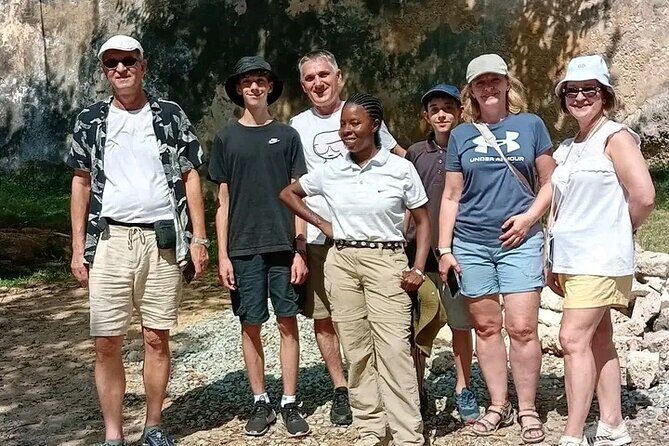
Mombasa heat can be real, and starting early is a smart move. This tour is designed to get you out and walking in the cooler morning hours, then back in time for your afternoon plans.
You also get a cleaner view of the city when the day is fresh. Old town streets and market edges can be busy later, so the early timing helps you talk, look around, and actually absorb what you’re seeing.
Because it’s a walking tour, your comfort matters. Wear breathable clothes and comfortable shoes, and carry water—simple stuff that makes the difference between enjoying the day and just surviving it.
You can also read our reviews of more city tours in Mombasa

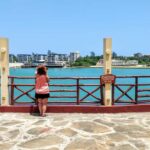
Fort Jesus Museum: Portuguese trade routes made clear
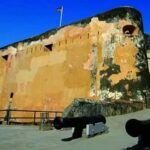
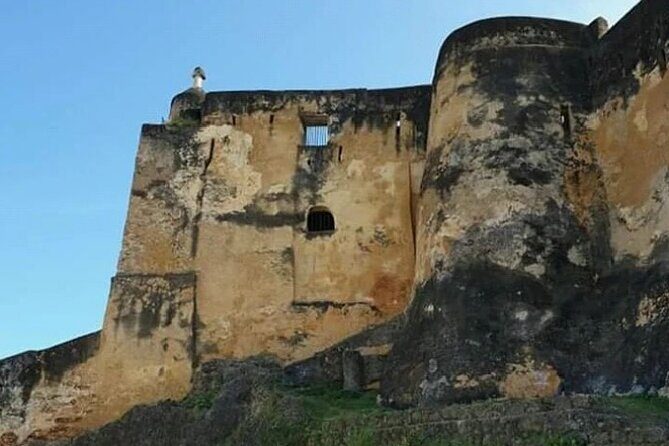
Fort Jesus Museum is the anchor of the experience, and it’s a great one. You’ll spend time at Fort Jesus, a site tied to the larger story of who controlled trade routes along the East African coast.
What I like about this stop is how it gives context. You don’t just look at walls—you get the why: Arabic and Portuguese influence along the coast and the struggle for control of the flow of goods. That framing makes the rest of the city feel less random.
The museum entry is included, so this isn’t one of those tours where you pay extra once you arrive. Expect a focused visit that fits into the half-day schedule (the experience runs about 2 to 4 hours total, depending on pacing).
Tip for getting the most out of it: go in with a question in mind. For example, ask yourself how trade and power changed daily life on the coast. The guide’s storytelling approach is built for answering that.
Old town walking: Swahili and Arab culture in street-level details
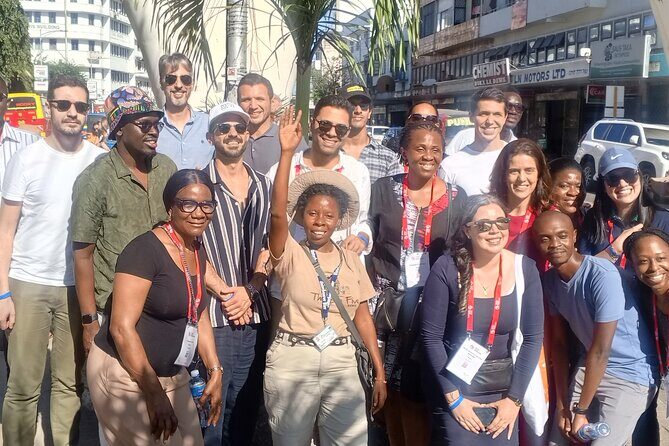
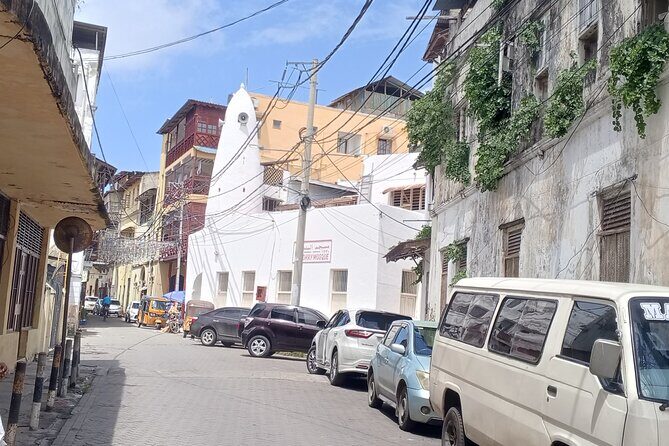
After Fort Jesus, the tour shifts into the “how do people live here?” part of Mombasa. You’ll spend time in old town areas connected to Swahili and Arab cultural influences, guided through neighborhoods rather than just standing at a single viewpoint.
I love this style because it helps you connect place to people. You’ll learn about the history of Mombasa and the people who live here, including what life looked like in Kenya before and after colonial times. It’s not treated like a museum lecture; it’s explained in a way that fits the streets you’re walking.
One practical upside: walking means you can spot small things that you’d miss from a car window. You’ll get a sense of how communities feel and move through the day, which makes your later self-guided exploring much easier.
The trade-off is time. A half day can’t cover everything, so the guide has to choose what matters most. That’s where the next section comes in—customization.
Choose your vibe: cultural, historical, or foodie focus
This tour is flexible in a way that matters. You can choose what you want from the experience—cultural, historical, or foodie—and the guide can steer the pacing and emphasis.
That’s especially useful if you’re traveling with different interests. One person might care about coastal trade and colonial-era changes, while another just wants to understand how locals shop and eat. In a private setting, the guide isn’t forced into a one-size-fits-all script.
The tour also includes the kind of guidance that makes the rest of your trip smoother: your guide offers tips on where to eat and drink in Mombasa. That sounds simple, but it’s actually a big value add. With good local pointers, you avoid the trap of mediocre meals near high-traffic areas.
If you have dietary limits or you’re picky about spice levels, this is the time to say so. A good guide will help you translate what you like into what’s practical to find.
Spice market stop: how to shop without getting lost
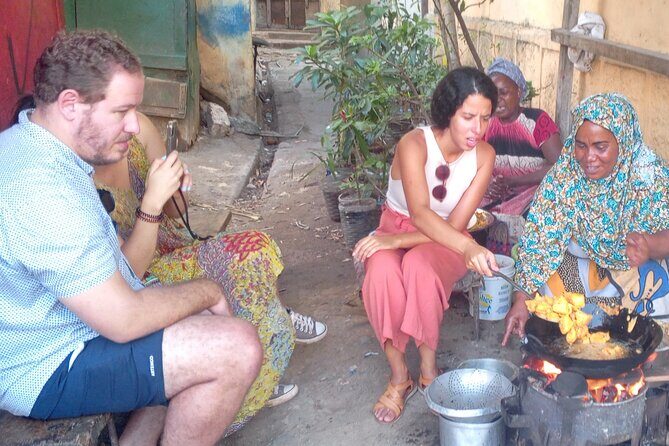
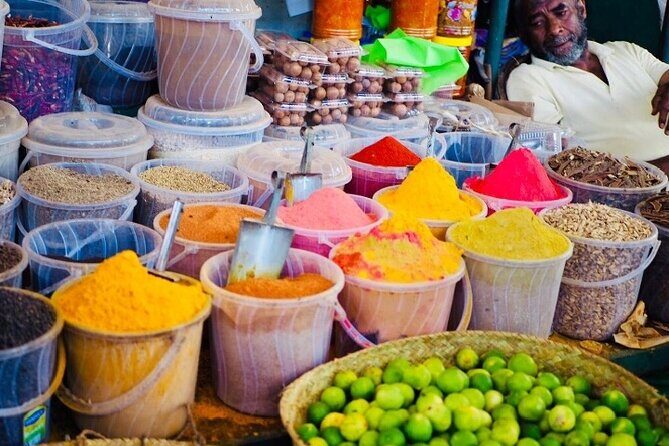
The spice market portion is where Mombasa becomes sensory. You’ll visit the market and talk with stallholders, then take in the scents and atmosphere—exactly the kind of experience that’s hard to reproduce on your own without a bit of local guidance.
What you get from doing it with a guide is context. It’s not just shopping as entertainment; it’s learning how the coast’s trade identity connects to what’s sold in the market today. That helps you avoid feeling like you’re paying for souvenirs without understanding what they represent.
A market stop also tends to involve choices. You may want to ask about what’s commonly used locally and how people cook with it. Even if you don’t buy anything, the conversation gives you a stronger sense of what to look for later.
One consideration: markets can involve bargaining. If that’s not your style, tell your guide early and focus on tasting, learning, and browsing rather than negotiating hard.



Price and what you’re really paying for ($130 per person)
At $130 per person, this isn’t a budget “grab-and-go” option. But it’s also not overpriced for what’s included.
Here’s why the price can make sense:
- Private transportation is included, so you’re not scrambling with shared rides.
- All fees and taxes are included in the tour price.
- Fort Jesus Museum admission is included (so that cost is already handled).
- You’re paying for a guide who tells the story and adapts to your chosen focus.
The main thing not included is food. Lunch and breakfast aren’t part of the tour, which means you’ll need to plan around it. If you’re the type who likes to eat early, you might want to grab something light before you meet.
Time-wise, you’re typically looking at about 2 to 4 hours. For a single half day that covers museum + old town + spice market elements, that’s a solid use of limited vacation time.
If you’re trying to stretch your day while still seeing the big highlights, this is a reasonable trade: pay for structure, then enjoy the rest of your time wandering independently.
Pickup, meeting point, and the flow of the day
The tour starts near the ferry and port area, with a meeting point around Waterfront Stadium (WMC9+MJ5). The end point is listed as the Waterfront Stadium area as well, so you get a natural “loop” back toward where you started.
Pickup is offered. That matters if you don’t want to coordinate your own ride right at the busiest part of the day. It also reduces the odds you’ll arrive flustered, which is the last thing you want before a walking portion.
Because you’re moving through city neighborhoods, being punctual helps. If you’re late, you can easily miss the start of the storytelling portion—exactly the part that makes this tour worth it.
A quick note on language and local transfers
One mixed point that shows up in real-world scenarios: language expectations. If you specifically want a French-speaking guide, make sure that’s confirmed at booking. Otherwise you may arrive expecting one thing and get something different on the day.
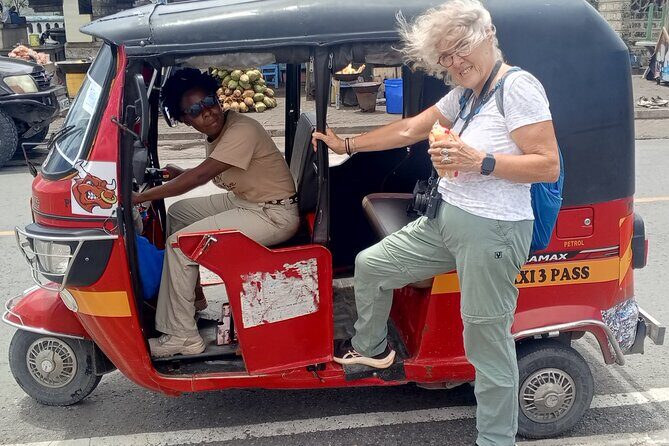
There’s also the question of short-distance transport. In some situations, guides may use a small local ride (like a tuk-tuk) to move between neighborhoods. Included transportation covers the plan, but it’s smart to ask your guide what’s fully covered versus what might require a small extra ride.
A simple approach: ask two questions at the start:
- What language will we have for the tour?
- If we need a short ride, is that covered or paid separately?
That keeps the day smooth and prevents awkward surprises.
Who this tour is best for
This is a strong pick if you want:
- A quick way to get oriented in Mombasa
- A museum stop tied to real-world history (not just a building photo-op)
- Market time with talk-from-the-ground context
- A private guide who can adjust the focus to cultural, historical, or foodie interests
It’s also a good option for first-time visitors who want to learn how the city works before setting off on your own.
It may be less ideal if you hate walking, want a very long day of sightseeing, or you’re hoping for a deep technical history lecture. This is a half-day tour. It aims for clarity, not exhaustion.
Should you book the Mombasa City Tour?
If your goal is to see Fort Jesus, get old town context, and understand the spice market experience—without wrestling with logistics—then yes, it’s a good booking.
I’d book it if:
- You like storytelling guides and want history explained in real city spaces
- You’d rather pay for structure than piece together museum + neighborhoods + markets yourself
- You value private time and personalized attention
I’d think twice if:
- You need a specific language and you haven’t confirmed it
- You’re sensitive to possible extra small local transport needs
- You’re traveling with a tight schedule that won’t handle a short walking segment
This tour is best treated as your Mombasa “starter pack.” Get the context in the morning, then spend the rest of your trip eating well and exploring with confidence.