REVIEW · MOMBASA
Mombasa Tour by Ghalib
Book on GetYourGuide →Operated by WILD BAOBAB SAFARIS LTD · Bookable on GetYourGuide
Fort Jesus plus Old Town streets equals a quick dose of Mombasa’s past. You’ll love the guided Fort Jesus visit and the chance to learn Kiswahili from your guide while walking through 16th-century sites. One thing to keep in mind: language quality can vary day to day, so if you’re booking for French (or any other language), it’s smart to be ready for a quick change of guide if needed.
This is a focused Old Town route along the coast, with Portuguese history, Arab trader influence, and Swahili culture woven into the stops. I also like that the plan includes real local life at the marked spice and vegetable market, not just museum time. The only real drawback is the schedule is tight and you’ll be walking through town, so comfortable shoes help more than you think.
In This Review
- Key Points You’ll Care About
- How the 4-Hour Old Town Route Works From Nyali and Diani Beach
- First Stop: Fort Jesus Museum for a Focused 1-Hour Guide
- Walking Old Town: 16th-Century Swahili Culture, Language, and Trade
- The Portuguese Coast Story: How the Guide Connects Empires to Streets
- Market Time at the Old Spiced Vegetable Market (Plus What to Buy)
- Lunch, Then Back Through the Coast: Waterfront Views and the Return Plan
- Price and Value: Is $60 for Four Hours a Good Deal?
- Language and Guide Quality: What to Expect (and What to Watch)
- Who This Mombasa Tour Suits Best
- The Bottom Line: Should You Book This Fort Jesus and Old Town Tour?
- FAQ
- Where does the tour pick up?
- How long is the tour?
- Which major sites are included?
- Is hotel pickup and drop-off included?
- What languages are offered for the live tour guide?
- What happens during the Fort Jesus portion?
- Can I buy spices or other items on the tour?
Key Points You’ll Care About
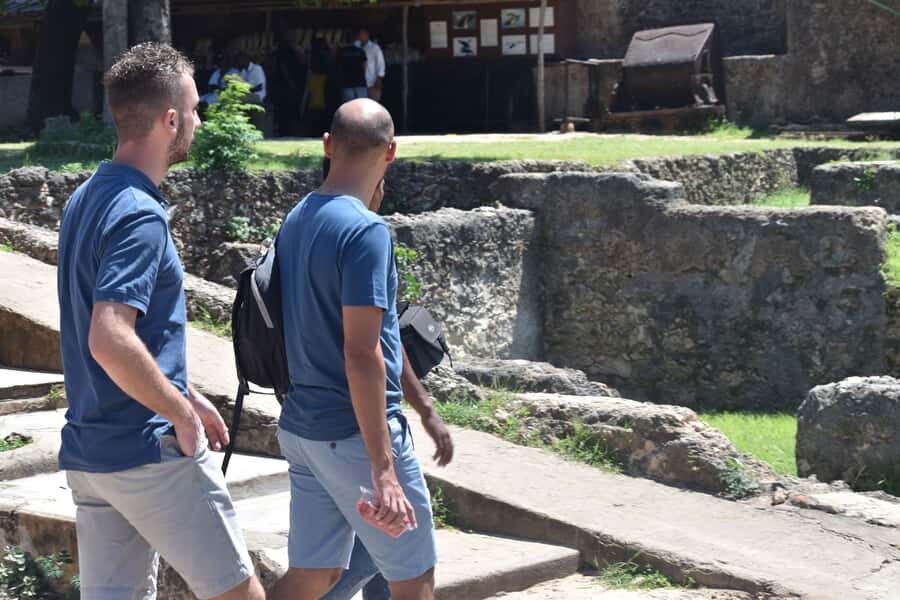
- Fort Jesus guided visit (about 1 hour) to set the stage for the Old Town walk
- Kiswahili practice with your English, French, German, or Italian guide
- Spice and vegetable market stop tied to Swahili cooking habits
- Portuguese and Arab trader connections explained as part of the coast story
- Hotel pickup/drop-off from Nyali or Diani Beach, plus a return route with waterfront views
- Short, practical duration (4 hours) that fits mid-day plans
How the 4-Hour Old Town Route Works From Nyali and Diani Beach
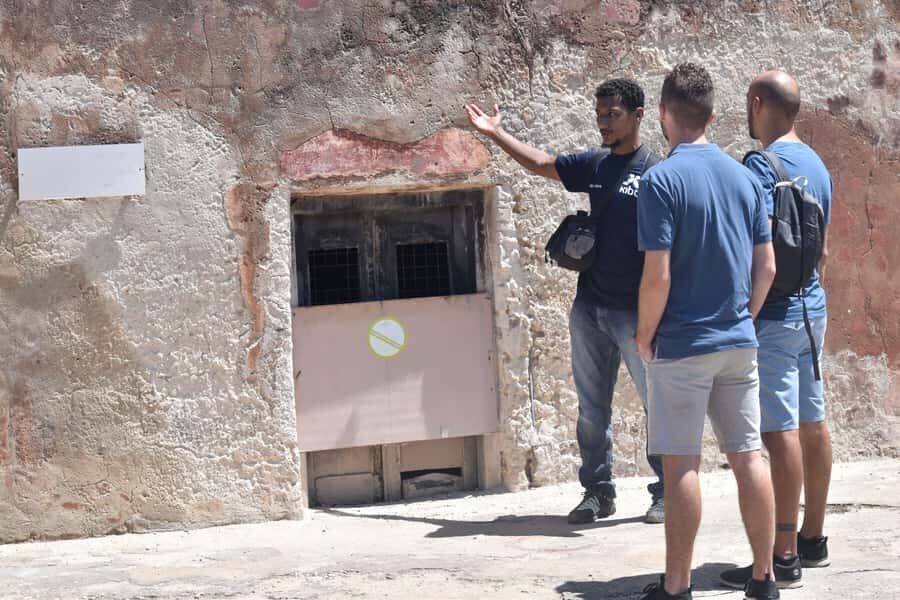
This tour is built for a half-day window: pickup at 8:30 am, then you’re back to your starting area by early afternoon. You get two pickup options—Nyali and Diani Beach—which is handy if you’re staying along the coast and don’t want to coordinate transport yourself.
Timing matters here. You’ll be in Fort Jesus early, then you’ll move into Old Town walking mode, followed by the market and lunch. Because it’s only four hours total, you’ll want to treat it like a guided highlight trail rather than a slow, do-it-all deep day.
You can also read our reviews of more tours and experiences in Mombasa.

First Stop: Fort Jesus Museum for a Focused 1-Hour Guide
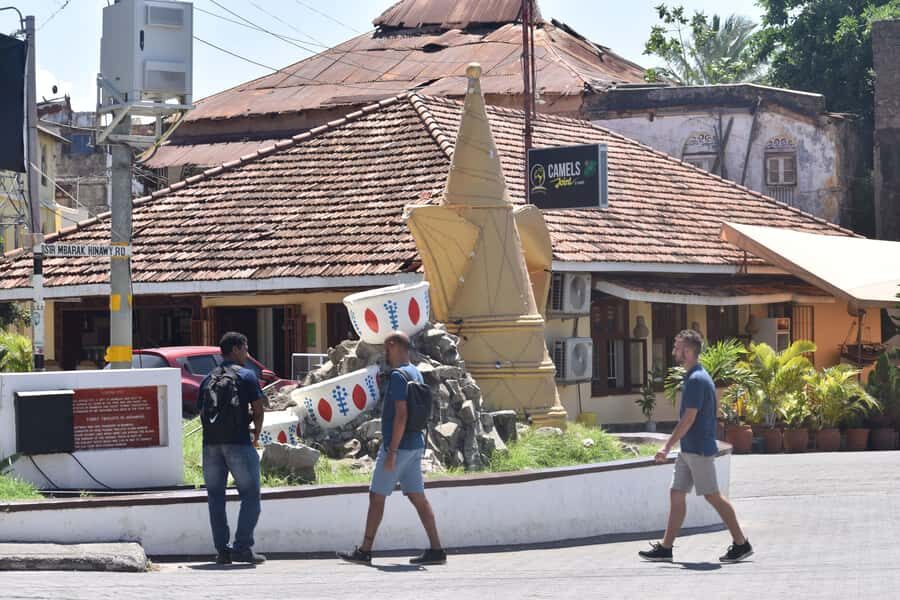
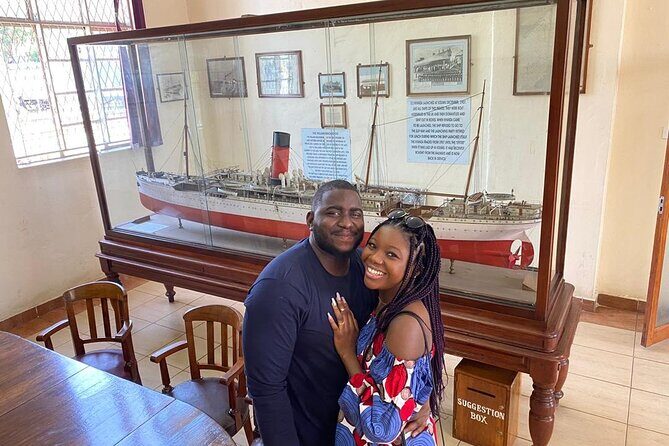
Fort Jesus is the anchor of the itinerary, with a guided tour for about one hour. The value of starting here is that it gives you context before you hit the streets. When you later see older structures in Old Town and hear about Portuguese influence and coast trading networks, the museum guide helps it all click.
It’s also a nice pacing choice. One hour is long enough to understand the main story, but short enough that you still have energy for the walking segment afterward. If you’re not the type who wants to spend half a day in one place, this format is a good match.
One practical tip: bring a little patience for museum logistics. Even when a guide keeps things moving, Fort Jesus is a real site with its own rhythm—so go in expecting guidance plus some time to orient yourself.
Walking Old Town: 16th-Century Swahili Culture, Language, and Trade
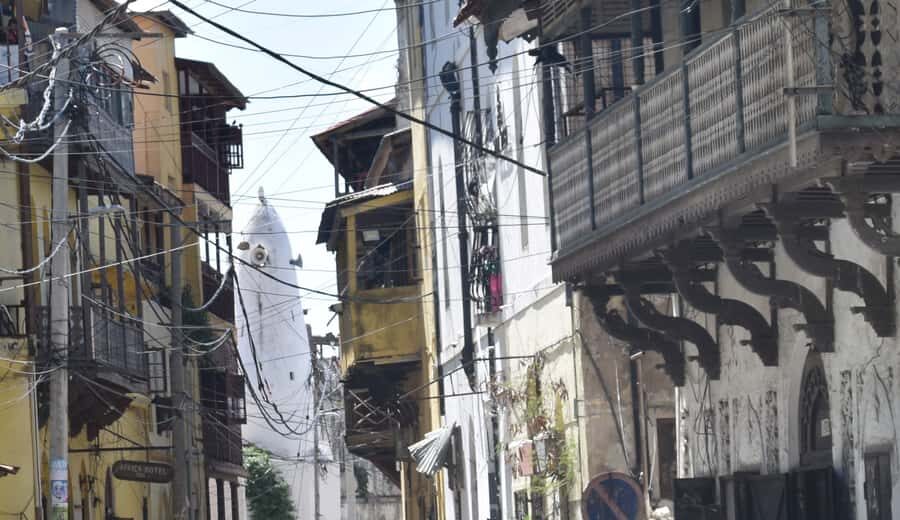
After Fort Jesus, you’ll walk into Old Town and see older buildings and sites tied to the coast’s 16th-century era. This is where the tour becomes more than “sightseeing.” You’ll learn about the Swahili culture, including everyday language and community life—plus how Arab traders fit into the story.
The tour’s language angle is one of the reasons I think it’s worth doing. You’re not just hearing the word “Kiswahili”—you’re getting instruction during the walk, and Kiswahili is now the national language of Kenya. That matters because it turns the city into a learning environment, not just a photo backdrop.
What you’ll likely remember from this stretch is how the guide connects people and places: Old inhabitants of the East African coast, trade connections, and the cultural mix that shaped Mombasa’s identity. Even if your Kiswahili stays simple, you’ll leave with terms and confidence that makes it easier to interact elsewhere in town.
The Portuguese Coast Story: How the Guide Connects Empires to Streets
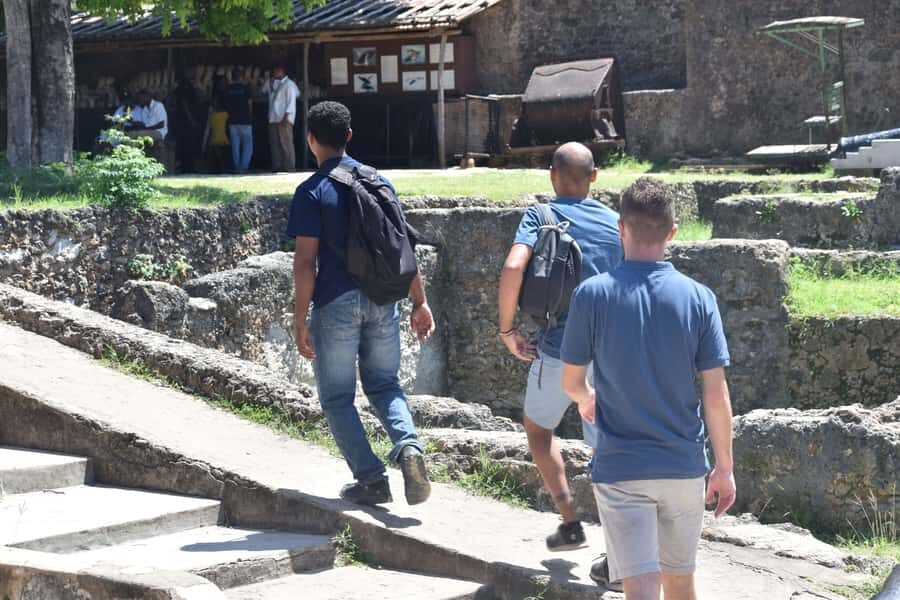
A big selling point here is that Portuguese history is part of the conversation, not treated as a random fact. By tying Portuguese influence into what you see around Fort Jesus and the surrounding Old Town area, your guide helps you understand why certain structures and roles mattered.
If you like history explained in plain language, this is the kind of route that works. The best moments usually come when your guide links a building’s purpose to the bigger coast story—who came, why they came, and what changed afterward. You’ll also get the coast trade angle through the Arab trader references, which helps balance the European storyline.
Market Time at the Old Spiced Vegetable Market (Plus What to Buy)
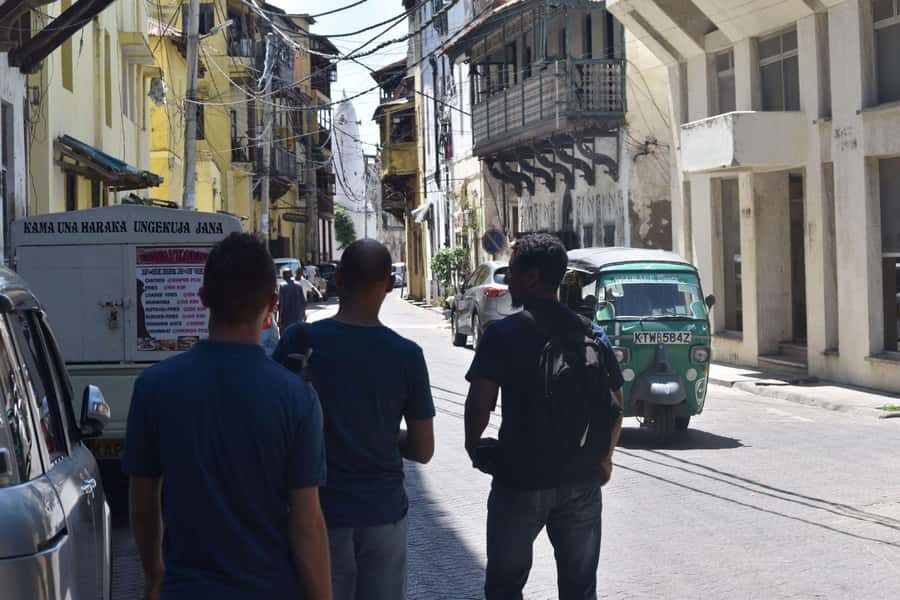
Around 11:45 am, you’ll visit the marked spice and vegetable market, and this is where you’ll see local life up close. The tour frames the market as a direct window into Swahili cuisine—specifically how spices show up in daily cooking.
The practical value: you’ll get explanations tied to what you’re looking at. Instead of a vague “spices are important,” you’ll hear which spices are used and why they matter. That’s especially useful if you plan to cook after you return home, or if you just want to understand what you’re tasting when you eat Swahili food later.
You’ll also have time to buy items for yourself. The plan specifically allows for purchasing spices, coffee, and tea. If you’re buying food gifts, I’d take the market segment seriously—taste and ask questions while you’re there, because you won’t get another market stop later in the day.
Quick reality check: markets can be busy and crowded, and you’ll be time-limited. Wear shoes that handle uneven surfaces and keep your phone secure. Then enjoy it—this is the part of the day that feels the most local.



Lunch, Then Back Through the Coast: Waterfront Views and the Return Plan
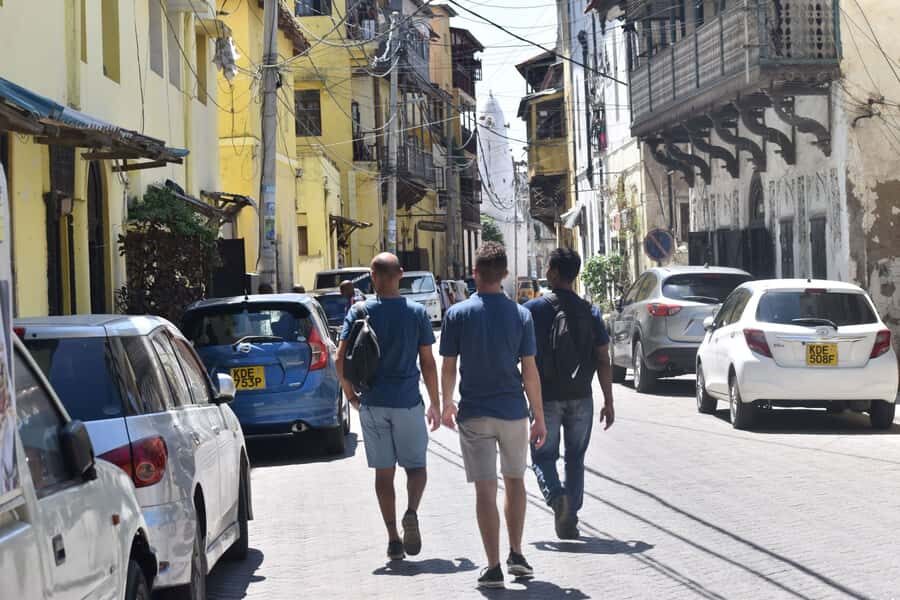
At 12:30 pm, you’ll walk to a restaurant for lunch, then drive back to your preferred pickup/drop-off area. Lunch isn’t described in detail in the itinerary, but it’s clearly planned as a set stop so you’re not hunting for food mid-tour.
The return route includes a couple of visual checkpoints: passing by Elephant tusks and the Mama Ngina Waterfront. Even if you don’t have time to linger, those passes help round out the day by shifting you from Old Town energy back toward the coast.
Because the entire tour is only four hours, the “drive back” part is more than transportation. It’s part of the pacing—your guide gives you a guided morning, then you get a calmer finish before you head back to the beach or your hotel.
Price and Value: Is $60 for Four Hours a Good Deal?
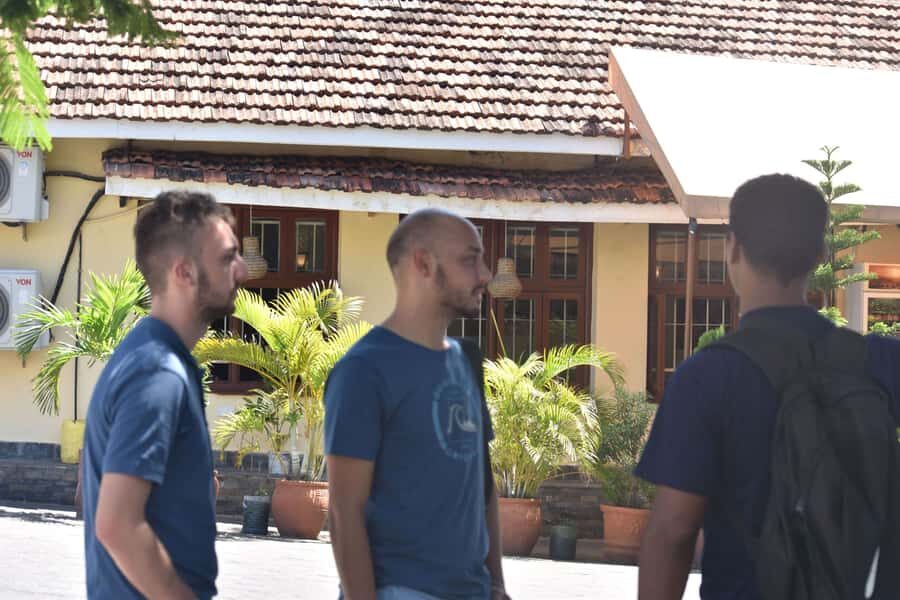
At $60 per person for about 4 hours, this tour sits in the “short guided experience” category. The price makes sense mainly because you get hotel pickup and drop-off included, plus guided interpretation through multiple segments: Fort Jesus, Old Town, and the spice market.
You’re also paying for three types of value:
- Time savings (pickup, route planning, and sequencing)
- Context (Portuguese history and Swahili culture explained, not just shown)
- Interaction (Kiswahili language practice with your guide)
If you’d otherwise pay for a driver separately, or you’d have to figure out how to connect Fort Jesus with Old Town and a market stop, the package pricing starts to feel reasonable. This is also a smart option if you’re short on time but want something more meaningful than a quick taxi-and-walk plan.
Language and Guide Quality: What to Expect (and What to Watch)
The tour offers live guides in English, French, German, and Italian. That said, one important consideration shows up in real-world experiences: sometimes the guide assignment doesn’t match your expected language perfectly.
In one French-language outing, a guide named Omar was praised for his French and his attention to questions about Mombasa’s history. The market segment was also highlighted as a thoughtful explanation of what you see on the stalls.
But there’s a caution too. In another case, a tour started with a guide who wasn’t speaking French as expected, and the problem wasn’t resolved until a French guide was arranged once the group arrived. So if French is essential (or German/Italian for you), consider being ready to adapt—or confirm language expectations clearly when you book.
Who This Mombasa Tour Suits Best
This tour is a strong match if you:
- Want a half-day cultural route with both museum and street elements
- Like history explained in relation to real places, not just dates
- Enjoy markets and want spice knowledge tied to cooking
- Appreciate language practice, especially Kiswahili
It’s also a good fit for couples and small groups who want a guided day without the stress of planning multiple stops. If you’re traveling solo, the pickup options and structured route can make the day feel safer and more straightforward.
The Bottom Line: Should You Book This Fort Jesus and Old Town Tour?
I’d book this tour if you want a compact, guided introduction to Mombasa’s Old Town—Fort Jesus first, then Swahili culture on the streets, then the market and lunch. The Kiswahili element and the spice market stop give it extra “usefulness,” not just scenery.
I’d think twice if you’re very strict about language and you can’t tolerate any day-of changes. In that case, bring a bit of flexibility and treat communication as part of the adventure.
If you want a focused, well-sequenced day that connects Portuguese influence, Arab trade links, and Swahili life in a single 4-hour plan, this is a solid choice.
FAQ
Where does the tour pick up?
Pickup is available from Nyali and Diani Beach.
How long is the tour?
The tour is listed as 4 hours.
Which major sites are included?
You visit Fort Jesus Museum, then you walk through Old Town, and you stop at the spice and vegetable market. Lunch is included at a restaurant.
Is hotel pickup and drop-off included?
Yes. Hotel pickup and drop-off are included.
What languages are offered for the live tour guide?
The guide is available in English, French, German, and Italian.
What happens during the Fort Jesus portion?
You get a guided tour for about one hour at Fort Jesus Museum.
Can I buy spices or other items on the tour?
Yes. At the spice and vegetable market, you’ll have the chance to buy spices, coffee, and tea for yourself.