REVIEW · NAIROBI
From Nairobi: Kiambethu Tea Farm Tour & Lunch
Book on GetYourGuide →Operated by GRACEPATT SAFARIS · Bookable on GetYourGuide
Tea country is the best kind of lesson. This trip to Kiambethu Tea Farm turns Kenya’s big tea story into a real, walkable experience, with a garden start and a forest finish. I like how the day mixes wildlife spotting (hello, colobus monkeys) with practical explanations of how tea became such an important export.
My other favorite part is the food: you’re not just eating for fuel. You get a 3-course lunch made with locally sourced ingredients, plus tea and coffee, so the farm story lands on your plate. The one thing to consider is that this is a guided experience with transportation time built in, so if you want lots of stops or animal variety beyond the forest, you may feel it’s a more focused day than a full safari.
In This Review
- Key highlights you’ll feel in the day
- First stop: the Nairobi pickup that sets the tone
- The drive to Kiambethu: a long-ish ride with a built-in payoff
- Arriving at the main house: biscuits, tea, and a slow start
- Tea farm to forest edge: where the day becomes more than sightseeing
- The indigenous forest walk: colobus spotting with real context
- Lunch at Kiambethu: what a 3-course meal adds to the story
- Price and value: is $160 a good deal for this 6-hour day?
- Who this tour is for (and who might want something else)
- Should you book Kiambethu Tea Farm & Lunch?
- FAQ
- What time does pickup happen in Nairobi?
- When will we arrive at Kiambethu Tea Estate?
- How long is the tour?
- What’s included in the lunch?
- Is there wildlife spotting on this tour?
- What group size is this tour limited to?
- Are tips included?
- What’s the cancellation policy?
- What’s the price?
Key highlights you’ll feel in the day
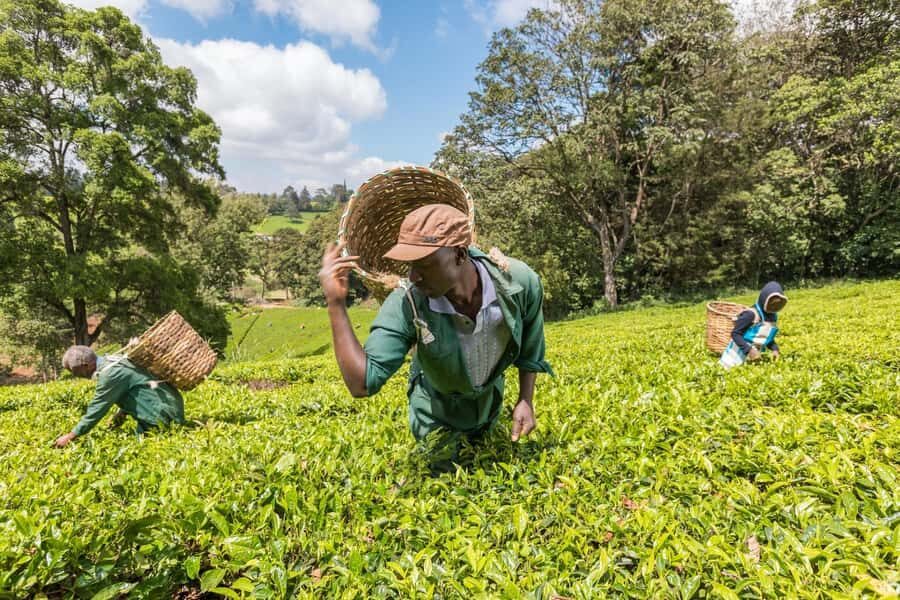
- Forest walk with colobus chances: You’re led into the indigenous forest where spotting colobus monkeys is a real possibility.
- A clear tea story: You’ll hear how tea became one of Kenya’s major export crops, not just how it tastes.
- Tea-with-breakfast energy: Homemade biscuits and tea at the main house set a calm pace before you walk.
- 3-course farm lunch: Fresh, locally sourced produce, served relaxed after the tour.
- Small group comfort: Limited to 15 participants, which makes questions easier and the day less chaotic.
First stop: the Nairobi pickup that sets the tone
Your day begins with a pickup from your Nairobi accommodation. The start time is 9:30 am, and it’s organized to get you out of the city without wasting daylight. The meeting point listed is Haile Selassie Avenue, so if you’re using a cab or rideshare for the morning handoff, plan to be there early enough to avoid stress.
This kind of departure matters because tea farms and forests are not right outside town. You’re trading a little morning time for a more authentic change of scenery. Once you’re in the van, you’ll have a guided day ahead rather than trying to arrange transport and permissions on your own.
One practical note: you’ll have a total trip length of 6 hours, so think of this as a half-day reset with a structured plan. If you’re the type who hates being on a schedule, you might find the timing a bit strict. If you like a well-paced day, it’s pretty friendly.
A few more Nairobi tours and experiences worth a look


The drive to Kiambethu: a long-ish ride with a built-in payoff
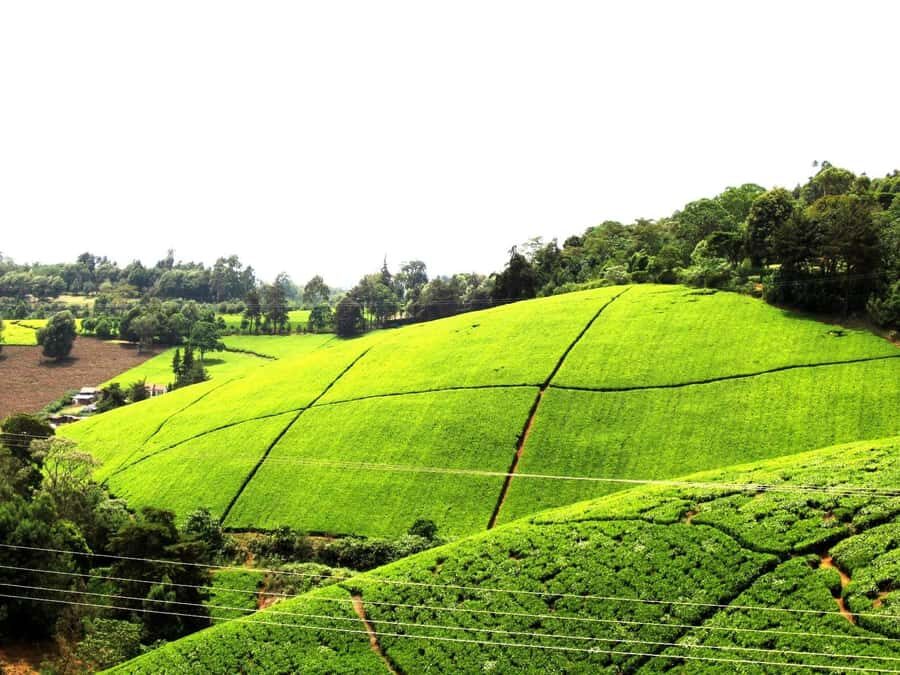
The schedule includes about 4 hours of van time. That’s not a problem if you treat it like the “get there, switch your brain to vacation mode” segment. The best way to make this smoother is simple: pack water, bring a light layer (vehicles can run cool), and decide ahead of time what you’ll do in transit.
The big advantage of having transport handled is that you arrive at Kiambethu without the friction of figuring out routes, finding tickets, or coordinating local pickup. That’s part of the value here, especially when you’re traveling from Nairobi.
Also, the experience includes professional English-speaking guides, and at least some groups get a driver/guide pairing that really gels. One guest described their driver Francis as wonderful. You can’t guarantee every driver’s style, but the lesson for you is clear: if the guide’s communication is a high priority, come ready with questions about tea, the forest, or local wildlife and you’ll get more out of the ride.
Arriving at the main house: biscuits, tea, and a slow start
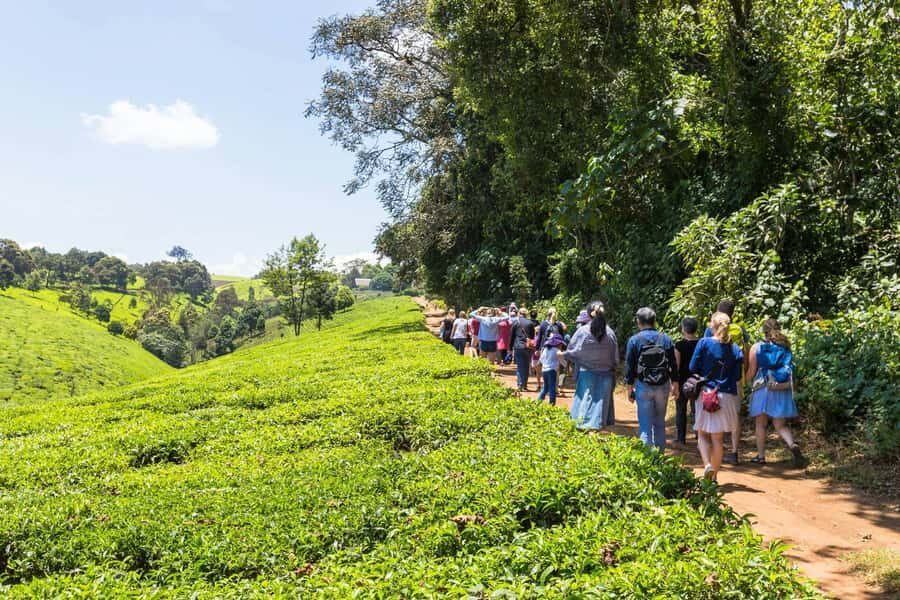
You’ll reach Kiambethu Tea Estate around 11:00 am, and the first welcome is low-key but smart: you get homemade biscuits and tea at the main house. It’s the kind of arrival that makes the day feel cared for, not rushed.
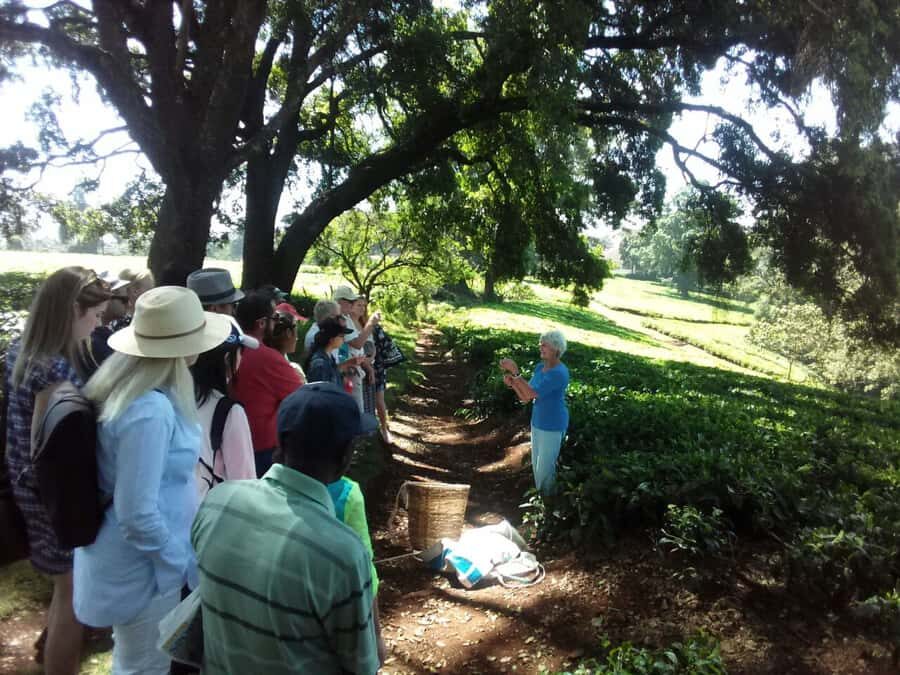
Right after the snack, your guide starts connecting the dots. You’ll learn about the farm and the tea-making process, and you’ll do it in a way that feels like a conversation rather than a lecture. This is one of the best times to ask practical questions because everyone’s still fresh and the group energy is good.
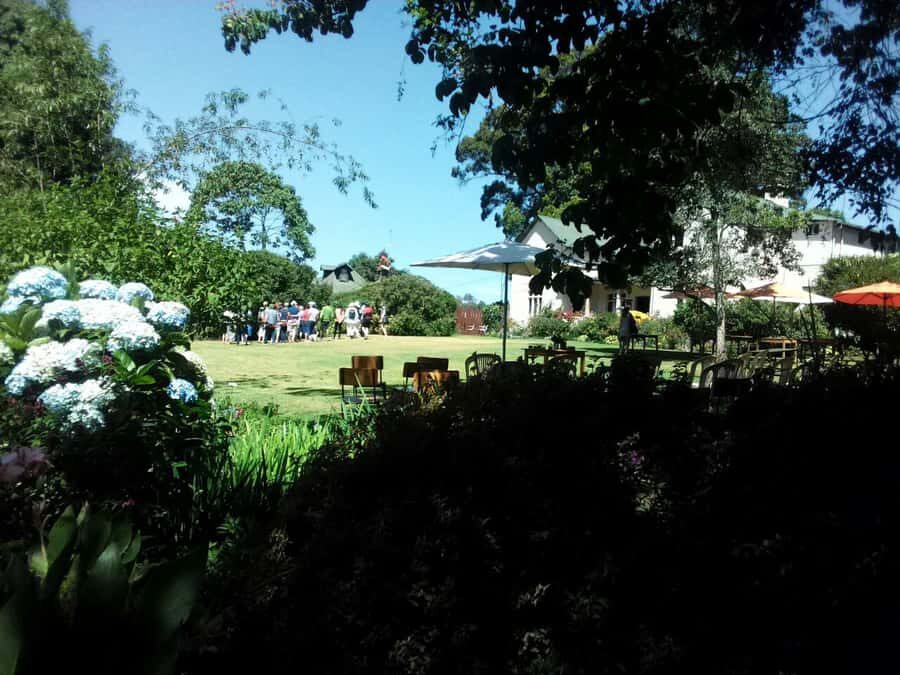
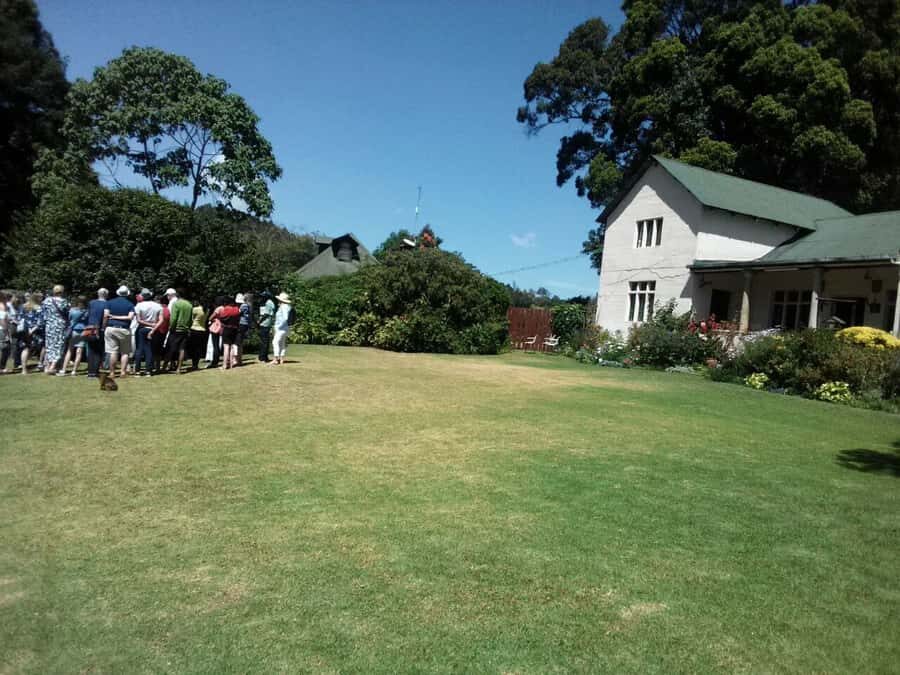
After that, you’ll stroll through the gardens surrounding the main house. Even if gardens aren’t your thing, it helps you orient to the property and understand how the cultivated areas sit next to natural forest. It’s not just pretty scenery; it’s part of why the tea landscape works the way it does.
Tea farm to forest edge: where the day becomes more than sightseeing
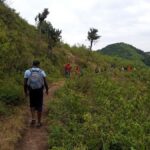
The core of your walking time is a guided journey through the tea plantation and into the surrounding indigenous forest. This is where you’ll learn Kenyan history in a hands-on way—by seeing the environment where that history played out.
You’ll also hear about how tea became one of Kenya’s biggest export crops. That topic can sound abstract until you see the rows, the upkeep, and how the farm’s boundaries relate to the living forest. In other words: the tea story becomes physical.
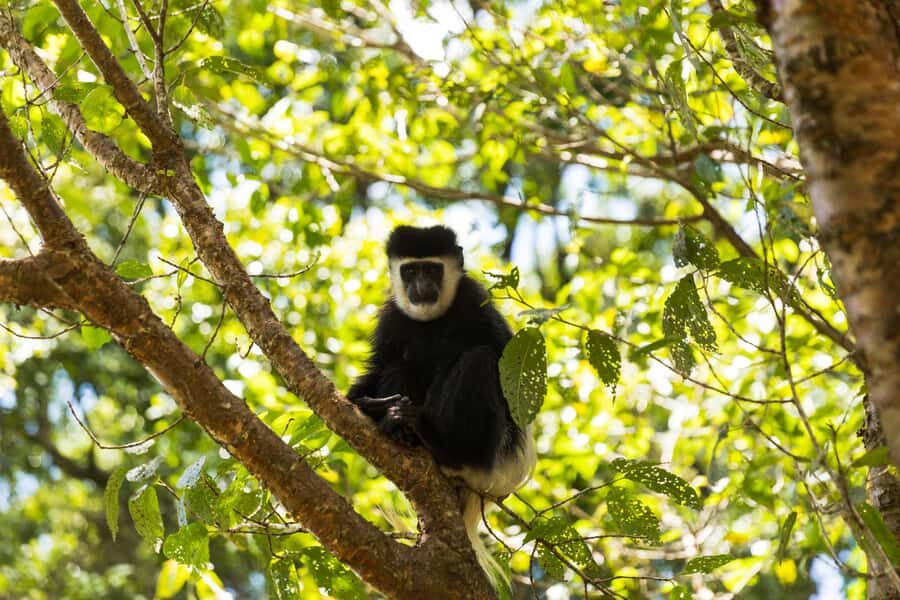
This part of the experience is also where you’ll get your first real wildlife moment. You may catch a glimpse of the resident colobus monkeys during the garden and forest sections. Spotting wildlife is never guaranteed in a living ecosystem, but the guides are positioned to help you look properly. The difference between seeing nothing and actually noticing movement in the trees is often just knowing where to focus and what to listen for.
What to watch for on your end:
- Wear shoes you’re comfortable walking in on uneven paths.
- Bring sunscreen or a hat, since tea-country sun can add up even when it feels mild.
- Have your camera ready, but don’t treat the walk like a constant photo mission. Let the guide tell you what you’re looking at.
The indigenous forest walk: colobus spotting with real context
The forest segment is the reason I consider this tour more thoughtful than a quick tea stop. You’re not just walking past trees; you’re exploring a well-preserved indigenous forest with a knowledgeable guide who links what you see to the place’s ecology and culture.
And yes, wildlife is part of it. The standout target is the colobus monkey. When you do spot one, it feels special because colobus aren’t something you can reliably chase in most day trips. The best strategy is to slow down, follow the guide’s cues, and remember that you’re observing an animal that’s built for the canopy, not for your photo angle.
Even if you don’t see colobus clearly, the forest walk still works. Your guide is there to help you read the environment—how forest and farm interact, why the forest has value, and how tea fits into that bigger picture.
One small consideration: the overall day is framed around the tea and forest combo. If your top priority is a huge variety of animals (beyond forest monkeys), this won’t replace a full wildlife safari. But for a focused nature-and-culture morning with a real educational payoff, it’s a strong match.
A few more Nairobi tours and experiences worth a look

Lunch at Kiambethu: what a 3-course meal adds to the story
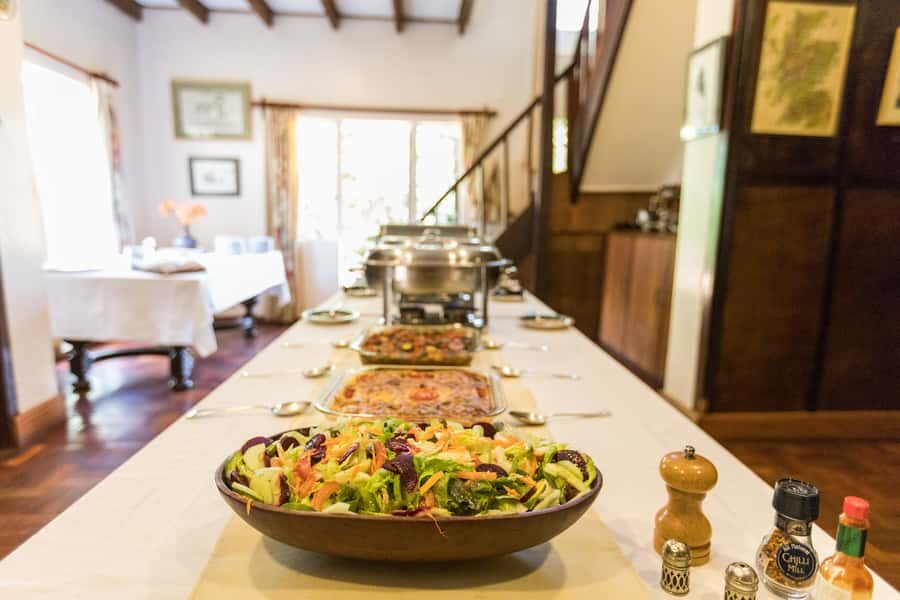
After the walk, the day turns comfortably into food time. You’ll enjoy a relaxed 3-course lunch at Kiambethu. The key detail is that the meal is made from locally sourced produce, which matters more than it might sound.
Here’s why: you’re learning how tea grew into an export crop. Food extends that theme into everyday life. You taste how farms feed people locally, not just how they feed global markets.
You’ll also have soft drinks and tea and coffee with lunch and the experience includes afternoon tea as part of the day. That’s a nice rhythm—walk, eat, and settle—so you’re not rushing back to Nairobi hungry or running on dry snacks.
If you have dietary restrictions, you should plan ahead. The information provided doesn’t specify menu options, so the safe move is to communicate your needs when you book.
Price and value: is $160 a good deal for this 6-hour day?
The price is $160 per person for a total 6-hour experience. That might sound steep if you’re comparing it to a basic ticket-only farm visit. But this isn’t just entry. You’re paying for a bundle:
- Full transfers from Nairobi accommodations (pickup and drop-off)
- Entrance fees
- A professional English-speaking guide focused on African wildlife and culture
- Lunch and afternoon tea at the estate
- Small group size (limited to 15)
- Skip-the-ticket-line support
When I look at value, I ask: does the day save me work and money, or does it just add convenience? In this case, it does both. Transport from Nairobi can eat time and cost if you try to do it independently. Also, the guided component is doing heavy lifting. A forest walk without context is just footsteps; with guidance, it becomes a story you can repeat later.
The main way this price might feel less worth it is if you only want a quick tea photo session and don’t care about the forest or the deeper tea history. For you, the best way to judge is to ask yourself whether you want an educational day with a proper meal included.
Who this tour is for (and who might want something else)
This is a good fit if you want a day that balances culture, nature, and food without the stress of planning. It’s especially appealing if:
- You’re in Nairobi and want a memorable half-day outside the city.
- You enjoy wildlife spotting, even when it’s focused on a single target like colobus monkeys.
- You like learning about how everyday crops connect to big historical and economic changes.
- You prefer small-group comfort over getting lost in a crowd.
It may not be the best match if:
- You’re chasing a wide variety of wildlife species in a single day.
- You dislike long transfer time and tight pacing.
- You’re expecting a massive number of different “scenes” beyond tea, gardens, forest, and lunch.
In other words: this is not a random filler tour. It’s a purposeful tea-and-forest day with a proper meal at the center.
Should you book Kiambethu Tea Farm & Lunch?
If you want a Nairobi day trip that’s more than a stop, I’d lean yes. The combination of tea education, a walk through indigenous forest, and the chance to spot colobus monkeys makes it feel intentional. Add in 3-course lunch with locally sourced produce, and you get a day that’s satisfying even if the weather shifts.
Before you book, just be honest with yourself about what you’re buying. You’re paying for a structured experience with guided time in a specific setting. If that setting sounds like your kind of Kenya—tea rows, living forest, and a meal that finishes the story—then this is a smart use of your time.
FAQ
What time does pickup happen in Nairobi?
Pickup is at 9:30 am from your Nairobi accommodation.
When will we arrive at Kiambethu Tea Estate?
You’ll arrive at the main house around 11:00 am.
How long is the tour?
The total duration is 6 hours.
What’s included in the lunch?
You’ll have a 3-course lunch made from locally sourced produce, plus soft drink and tea and coffee, along with afternoon tea.
Is there wildlife spotting on this tour?
Yes. During the walk you may spot colobus monkeys in the forest area.
What group size is this tour limited to?
It’s a small group, limited to 15 participants.
Are tips included?
No. Tips are not included in the cost.
What’s the cancellation policy?
You can cancel up to 24 hours in advance for a full refund.
What’s the price?
The price is $160 per person.