REVIEW · NAIROBI
4 Days of Untamed Beauty: An Unforgettable Masai Mara Road Safari
Book on Viator →Operated by Dream Voyage Safaris · Bookable on Viator
A safari that starts with predatory silence. The Masai Mara road trip is built around long, early game drives in Masai Mara National Reserve, with time to cool down at camp before doing it again. I like that you get private transportation and real human support, including airport pickup reported in one account by Moses and safari driving by Sakutu in a well-kept jeep.
What also works well is the focus on wildlife time, not rushed sightseeing. You’ll get repeated chances for Big Five sightings across multiple drives, plus the chance to catch the Great Wildebeest Migration during July–October. One thing to consider: this plan is heavy on vehicle hours each day, and the optional Maasai village stop can add an extra cost.
In This Review
- Key highlights you’ll care about
- Entering the Masai Mara by road from Nairobi
- Private pickup and mobile ticket: how you’ll start
- Day 1: your first Mara game drive plus a picnic lunch
- Day 2: two drives, Big Five odds, and sunset viewing
- Day 3: final targeted sightings and a calm last dinner
- Day 4: sunrise farewell, Nairobi return, and an optional Maasai village
- Big Five chances and the Great Wildebeest Migration timing
- Food, comfort, and the value of included meals
- Price and logistics: does $1,600 feel like good value?
- Family fit and long-drive reality
- Should you book this 4-day Masai Mara road safari?
- FAQ
- How much does the Masai Mara road safari cost?
- How many days is the safari?
- What’s included in the price?
- Do they offer pickup and drop-off?
- Is the Great Wildebeest Migration part of this trip?
- Can I add a Maasai village visit?
- Is it a private tour and is it refundable if I cancel?
Key highlights you’ll care about
- Morning predator timing: game drives are set early when lions and other hunters are most active
- Multiple drives across the reserve: you’re not stuck in one area all day
- Migration window July to October: your timing can make the wildebeest story part of the trip
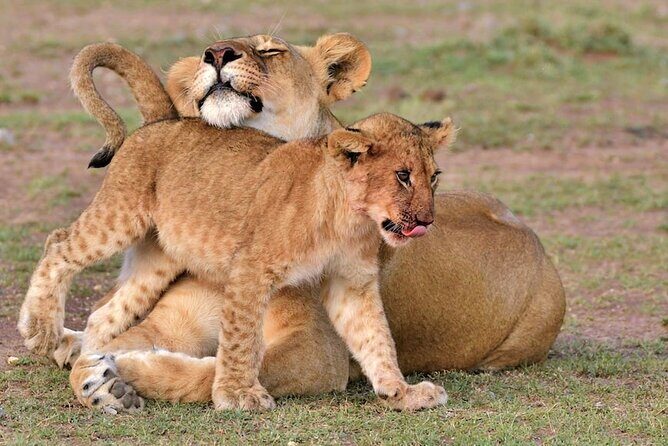
- Big Five + lots more: lions, elephants, leopards, rhinos, buffalos, plus giraffe and more
- Food is handled: breakfasts, lunches, and dinners are included during the safari days
- Solid operator track record: it holds a 5.0 rating across 4 reviews
Entering the Masai Mara by road from Nairobi
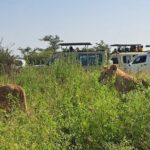
This is not a quick in-and-out day trip. Your days are structured so you spend real time inside the reserve, scanning grasslands and river corridors where animals feed, rest, and move. That alone changes the feel of the trip: you’re watching behavior, not just checking boxes.
The fact that it’s a private tour matters, too. You’re not trapped in a rigid group schedule with strangers, and you can usually stay flexible as wildlife appears. It also helps if you’re traveling with kids, since the safari flow can stay steady instead of constantly re-grouping.
And yes, the “road safari” piece is part of the charm. Nairobi to the Mara is a classic Kenya road journey, and once you’re in the reserve, the driving becomes part of the wildlife experience—slow, patient, and guided by what’s happening.
A few more Nairobi tours and experiences worth a look
Private pickup and mobile ticket: how you’ll start
The package includes pickup offered, plus a mobile ticket, so you’re not stuck guessing where to meet people. Your confirmation is set to arrive within 48 hours, based on availability, which is helpful when you’re trying to lock your Kenya plans in a hurry.
You’ll also be on daily drinking water, which is a small detail that makes a big difference when you’re moving between drives. For many people, that’s the hidden value of a well-run safari: basic comfort handled without you having to think about it.
One small practical note: the start time is listed as 12:00 am. In reality, safaris like this are usually timed to match the game-drive rhythm once you’re confirmed, so treat the exact start window as something to verify in your booking message.
Day 1: your first Mara game drive plus a picnic lunch
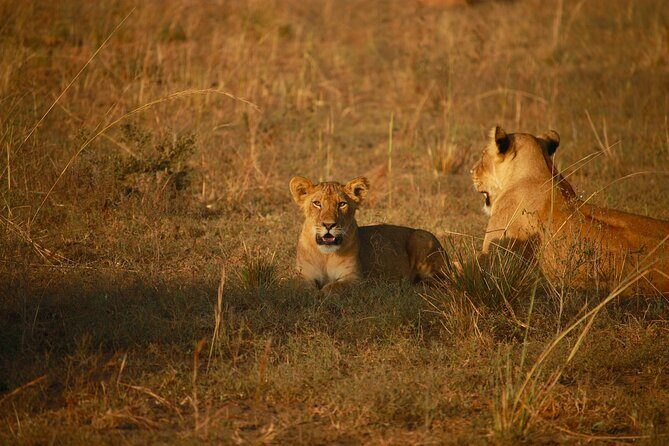
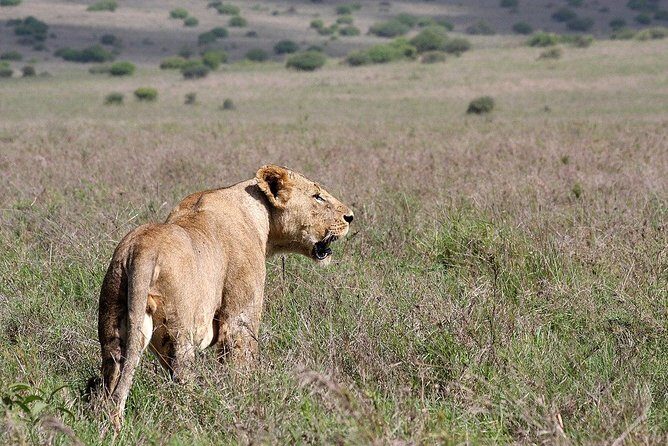
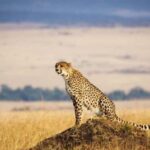
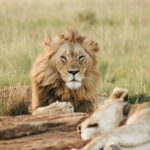
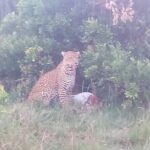
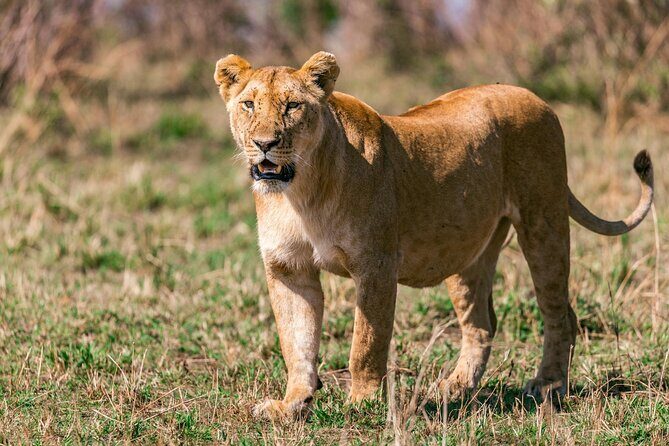
Day 1 starts with a morning game drive. Early is when you’re most likely to spot predators on the move and catch the reserve waking up—lions hunting, leopards positioning, and cheetahs doing what cheetahs do best. This morning window is also when the light is often easier for spotting and photography.
Then you shift into a mid-day picnic lunch right in the Mara. That matters because it keeps you in the wildlife rhythm instead of driving back and forth to a restaurant. You’ll feel more like you’re part of the landscape than a visitor passing through it.
After lunch, the plan continues with another block of game viewing in areas you haven’t explored yet. That approach helps if your first sightings are slow, because you’re not starting over—you’re just moving to a fresh section of the reserve.
You end the day by returning to your lodge or camp for dinner and downtime. That structure is smart: it gives you time to reset before the second full day of drives.
Day 2: two drives, Big Five odds, and sunset viewing
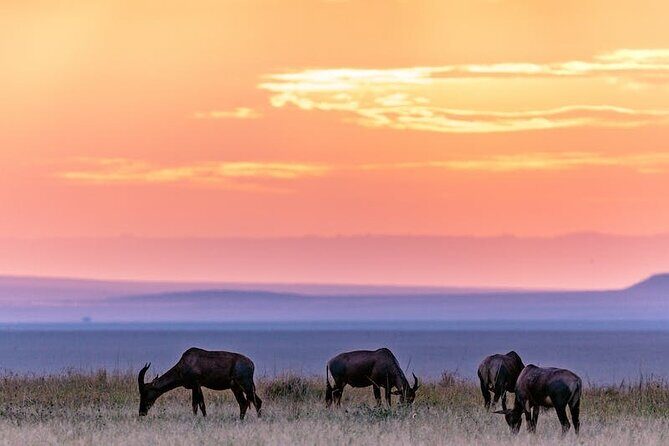
Day 2 is built around morning and afternoon game drives, and it’s where the safari “density” really starts to feel real. Your search is explicitly aimed at the Big Five, and the reserve is also described as holding animals all across the areas you drive through.
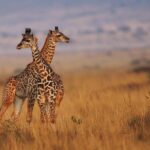
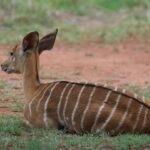
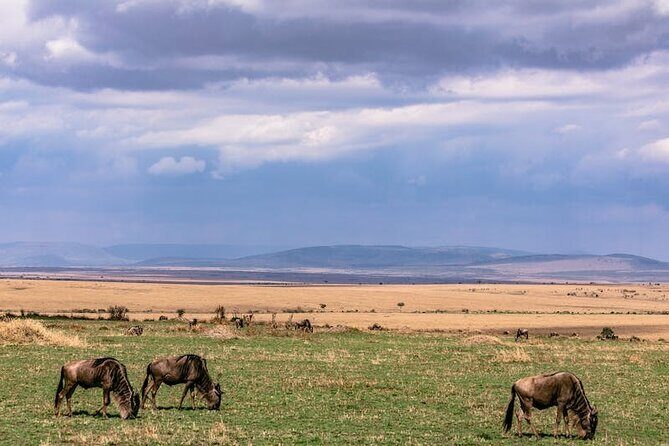
You’ll be watching for a long list of creatures that can show up at different times and in different habitats. The information provided points to animals like giraffe, baboons, warthogs, bat-eared foxes, grey jackals, spotted hyena, topis, impala, hartebeests, wildebeest, elephants, buffaloes, zebras, and hippos—so your eyes stay busy even when a big cat isn’t visible.
A big reason Day 2 feels special is the mention of orange-tinged sunsets on clear days. That’s not just for photos. The sunset break is a moment to absorb the scale of the Mara after hours of scanning, and it gives you a natural “wrap” to the day’s momentum.
The safari rhythm continues without a hard reset. You’re still learning the reserve patterns as the days progress, which is exactly how you turn sightings into something that feels meaningful instead of random.
Day 3: final targeted sightings and a calm last dinner
On Day 3, you get one more morning game drive, and the plan shifts into a more personal mode: you can focus on specific animals you want to see. That’s a useful difference. Early on, you’re hunting broadly. By the third day, you’re more likely to have an idea of what stood out and what you want to prioritize.
Mid-day includes returning to your lodge or camp for lunch and relaxation. Then you go back out again for more game viewing, focusing on areas you haven’t explored yet. That gives you variety without losing the safari core.
In the evening, the plan returns to dinner and reflection. After three days, that downtime is often when the trip “lands.” You’ve had time to see enough behavior and enough different species that it stops being a list and starts becoming a memory.
One helpful detail from earlier accounts: the operator has successfully handled multi-day logistics smoothly, even when families are involved. In one example, a group with children was picked up at the airport and driven into the safari with a well-maintained jeep and a confident guide setup.
A few more Nairobi tours and experiences worth a look
Day 4: sunrise farewell, Nairobi return, and an optional Maasai village
Day 4 is lighter on reserve time but still keeps the best parts. You get a final morning to catch sunrise, then a breakfast before checking out from your lodge or camp. After that, you begin the drive back to Nairobi, with drop-off at your hotel or the airport in the evening.
There’s an additional optional stop: a traditional Maasai village visit after breakfast, which may incur an extra fee. This can be a nice cultural add-on if you want context alongside the wildlife. If you’re purely wildlife-focused, you can treat it as a bonus rather than a requirement.
You’ll also have time for a leisurely lunch en route. That helps the return day feel less like a rushed transfer and more like a gentle landing back into Nairobi.
Big Five chances and the Great Wildebeest Migration timing
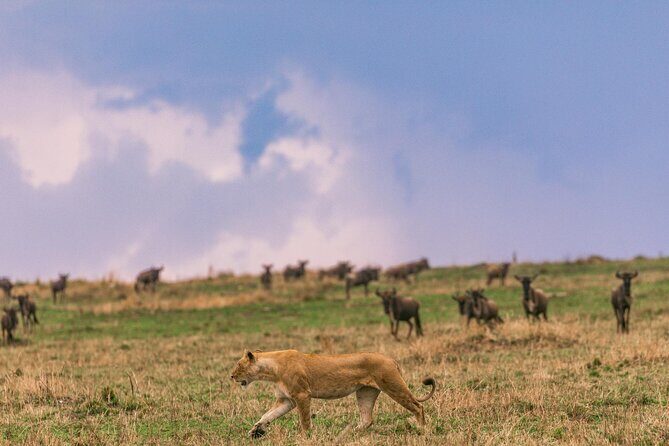
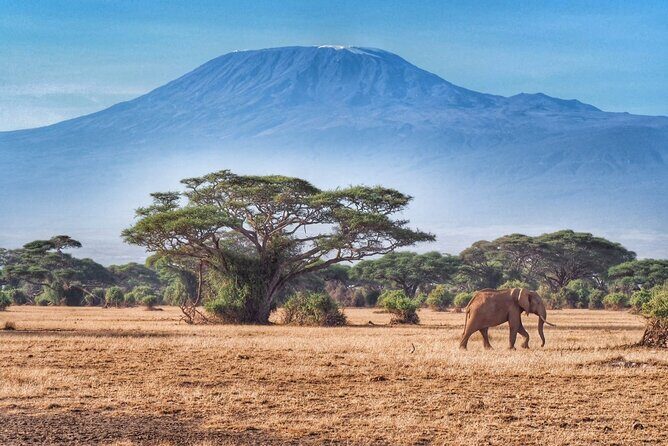
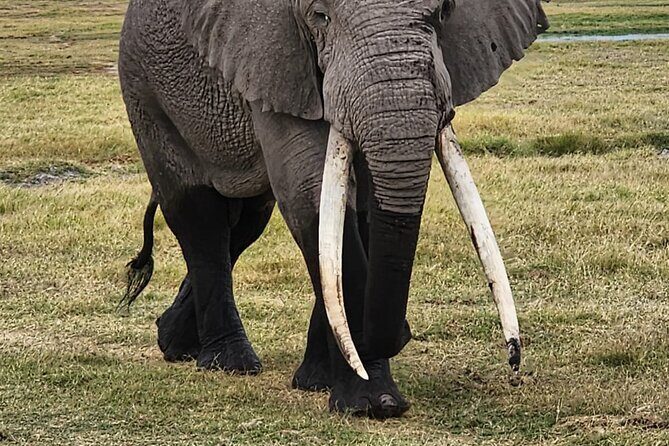
Let’s talk odds and timing without hype. The Mara is described as having healthy populations of lions, elephants, leopards, rhinos, and buffaloes, which is the core of the Big Five target. The safari is also designed to put you in motion across the reserve on multiple drives, which is the practical way to increase your chances.
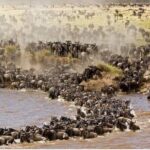
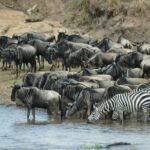
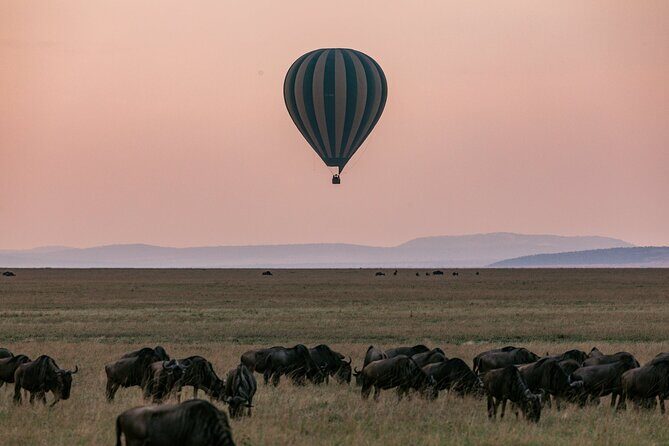
Where timing matters most is the Great Wildebeest Migration. If your trip falls between July and October, the information you provided frames the migration as a seasonal highlight. If you’re traveling outside that window, you won’t be going in blind—you’ll still see wildebeest and plenty of predators because the reserve supports year-round wildlife—but the drama of the migration may be less likely depending on the month.
Also, keep your expectations flexible about what you see first. The provided animal list is long, and safari days often go to the animal that wants to be seen, not the one you planned for. That’s why the multiple-drive structure matters: you keep stacking chances instead of betting the whole trip on one perfect day.
Food, comfort, and the value of included meals
One of the easiest ways to judge value is to look at what you don’t have to arrange. This safari includes breakfast (3), lunch (4), and dinner (3), plus daily drinking water. That’s not just convenience—it reduces decision fatigue when your days start early and end late.
Private transportation also helps comfort. You’re not sharing cramped space with an unpredictable mix of strangers, and that can matter on long drives. It can be especially helpful for families, and at least one group with children described an airport pickup and a maintained jeep that felt like a real safari setup.
The lodges or camps themselves aren’t named in the core tour details you provided, but your day still follows a predictable rhythm: morning drive, picnic or camp lunch, afternoon drive, then camp dinner. That balance is what keeps safari days from turning into one long grind.
Price and logistics: does $1,600 feel like good value?
At $1,600 per person for an about 4-day safari, the big question is what you get for the money. Here, the package includes private transportation, all fees and taxes, and multiple meals. In safari pricing, the fees and taxes part can be the difference between a cheap-looking rate and a true all-in experience.
It also looks like park admission is covered during the days you enter the reserve, with the tour details showing admission as included or free depending on the day. The practical takeaway for you: you should expect that the reserve entry costs are handled as part of the safari package, not something you pay separately at the gate.
What’s not included is clear and worth planning for: souvenirs and tips, visa fees, and international flights. If you’re budgeting a Kenya trip end-to-end, those last items are often where people get surprised. The safari itself is structured to minimize those surprises by handling most on-the-ground costs.
A small bonus: the operator states it’s a private tour/activity with only your group participating. That can be a value play, because you’re paying for access and flexibility, not just transportation.
Family fit and long-drive reality
Safari is fun, but it’s still road time. The schedule includes full days built around morning and afternoon drives, with day lengths described as around 10 hours on some days and 12 hours on another. That means you’ll want to be okay with being in the vehicle for long stretches.
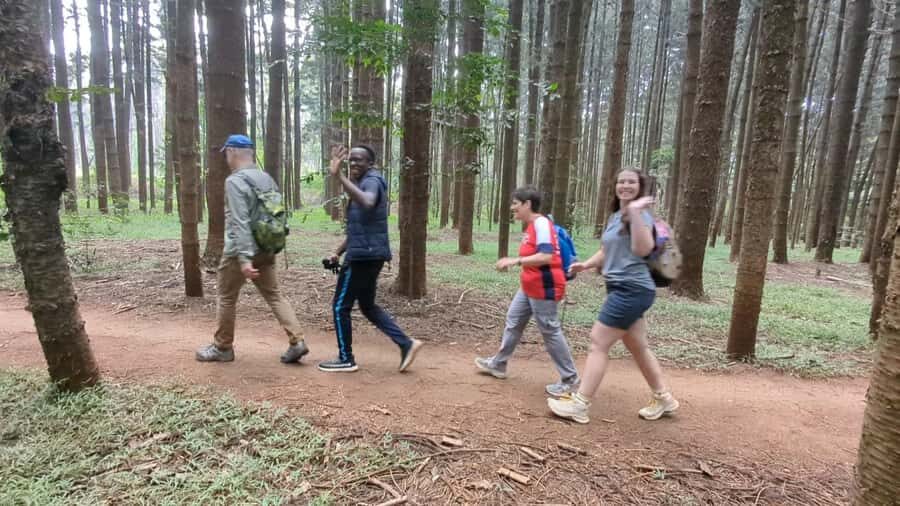
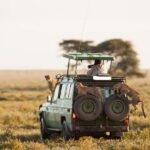
The good news is that the tour style described in accounts includes well-maintained jeeps and an experienced driver setup. One family itinerary included airport pickup by Moses and driving by Sakutu, with an authentic, maintained jeep. Another guide experience mentioned Boniface taking on guiding duties, which can make the day-to-day flow feel more organized.
So if you’re traveling with kids, this kind of private, guided structure can work well because you’re not constantly coordinating with a big group. Still, it’s best to choose this safari if everyone in your party can handle a long day of waiting, scanning, and occasional bumpy roads.
Should you book this 4-day Masai Mara road safari?
Book it if you want a real wildlife-focused Kenya trip with multiple chances to see the Mara’s big predators and plenty of other animals, plus meals and fees handled. The structure—morning drives, picnic or camp lunches, afternoon drives, and camp dinners—fits the way safaris actually deliver sightings.
Skip it or rethink if you can’t handle long days in a vehicle. This experience is built for game viewing time, so it’s not the “short and sweet” version of the Mara.
If your travel dates fall between July and October, the migration timing adds extra appeal. And if you care about smooth, human-guided logistics, the strong rating and named driver/guide examples from past trips are encouraging signals.
FAQ
How much does the Masai Mara road safari cost?
It costs $1,600.00 per person.
How many days is the safari?
The safari is listed as 4 days (approx.).
What’s included in the price?
Included are private transportation, all fees and taxes, daily drinking water, and meals: breakfast (3), lunch (4), and dinner (3).
Do they offer pickup and drop-off?
Pickup is offered, and the tour ends with drop-off at your hotel or the airport in Nairobi.
Is the Great Wildebeest Migration part of this trip?
It is described as a seasonal highlight if your trip falls between July and October.
Can I add a Maasai village visit?
A traditional Maasai village visit is optional on Day 4 and may incur an extra fee.
Is it a private tour and is it refundable if I cancel?
It is a private tour/activity with only your group participating. It is non-refundable and cannot be changed for any reason.