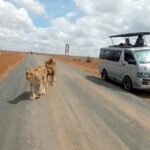
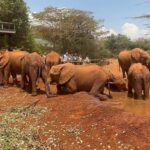
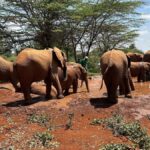
Masai Mara hits fast, then keeps hitting. This private 3-day safari is built around long game-drive time in a single focus: the Masai Mara National Reserve. I like that your day starts early, when animals are most active and the light makes every sighting easier to spot.
Two things I especially like are the private 4×4 Jeep setup and the way the schedule gives you repeats, not just one drive. You get lunch, breakfast, and dinner included, so you’re not spending safari time chasing logistics. Plus, the itinerary is paced so you can actually compare what you see each morning and evening.
One consideration: the total price is $2,650 per person, so you’ll want to be sure the private timing (and your camp/meal package) matches your priorities. In the end, Masai Mara can deliver big wildlife days, but no one can guarantee a specific animal on any specific hour.
In This Review
- Key highlights
- Masai Mara in Three Days: What You’re Really Buying
- Nairobi to Masai Mara: The Drive That Sets the Mood
- Day 1: Arrival, Lunch at Camp, and Your First Big-Game Search
- Day 2 Sunrise Drives and the Big-Cat Focus
- Day 3: Final Morning Checklists, Breakfast, and the Return to Nairobi
- Camp Comfort, Food Included, and Why It Matters
- Price and Logistics: Is $2,650 per Person Good Value?
- The Human Factor: Guides, Driving Style, and How Private Feels Different
- When to Go: Timing for Best Chances (and Less Waiting)
- Should You Book Africa Kenya Safaris for This Masai Mara Private Trip?
- FAQ
- How long is the 3-day private Masai Mara safari?
- Is this tour private?
- What meals are included?
- Is the Masai Mara admission ticket included?
- When is pickup scheduled in Nairobi?
- Does the itinerary include the Great Migration?
- Can I cancel for a full refund?
Key highlights
- Private 4×4 game drives with only your group
- Early morning starts for golden light and prime viewing
- Unlimited-style drive time across the savannah on day 2
- Mara River action timing matters, especially for Great Migration season (July–October)
- Meals included (lunch x3, breakfast x2, dinner x2) for less stress
Masai Mara in Three Days: What You’re Really Buying
If you’ve heard people talk about the Masai Mara like it’s a living movie set, there’s a reason. The reserve is famous for big-cat density, herd movement, and predator-and-prey drama, especially around the Mara River.
This tour is valuable because it doesn’t treat your trip like a checklist. It’s structured for time in the park across multiple mornings, not a single rushed drive and a quick exit.
You’re paying for convenience and control. With a private safari Jeep and pickup from your chosen Nairobi location (or the airport in the itinerary notes), you avoid the chaos of hopping between vehicles while wildlife is doing the one thing that matters: showing up.
You can also read our reviews of more private tours in Nairobi
Nairobi to Masai Mara: The Drive That Sets the Mood
The tour starts with a pickup around 7:00am–7:30am, depending on how your day is scheduled. From Nairobi, your driver/guide heads out past the Great Rift Valley escarpment, which is one of those early visual reminders that you’re leaving city time behind.
Along the route, you may stop for breaks and you may also see herdsmen in colorful shukas as you get closer to Masai country. Those roadside moments are short, but they help your brain switch from travel mode to safari mode.
Most of the “real safari” begins once you reach the park around lunchtime. You’ll freshen up, then settle into lunch at your safari lodge or tented camp before the first game drive. That order matters. It keeps day 1 from feeling like nonstop bouncing right from the gate.
Day 1: Arrival, Lunch at Camp, and Your First Big-Game Search
Day 1 is your entry point, and the goal is simple: get you into the reserve with enough comfort to enjoy the drive. After pickup, you’re looking at arrival around lunchtime, then lunch and rest time before your first safari session.
Then comes that first round of game drives. This is where you start building your own map in your head: which direction holds activity, where herds move, and what the predator signs look like in that area. Even if you don’t hit your “dream animal” on day 1, you’re training your eyes for day 2.
One small practical plus: your tour notes say admission ticket is free, so you’re not dealing with an extra line-item once you’re in the park. Also, you’re with a driver/guide who can explain what you’re seeing as it happens, including how to read animal behavior during drives.
Day 2 Sunrise Drives and the Big-Cat Focus
Day 2 is the day you want to be ready early. The itinerary calls for an early start to catch golden light and the first stirrings of wildlife activity.
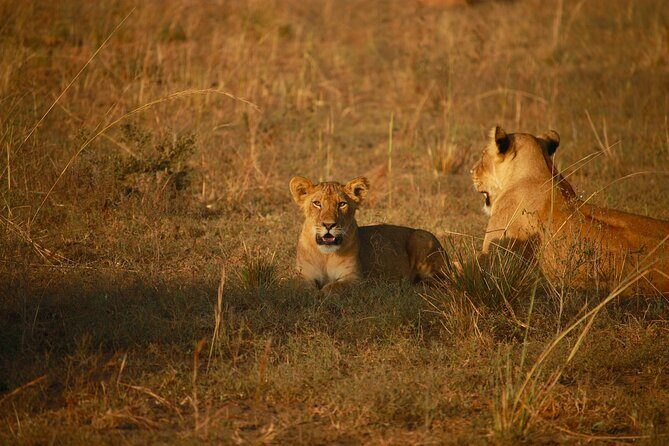
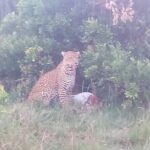
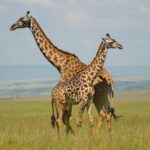
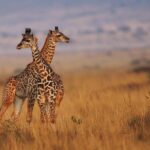
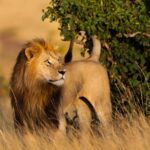
This is also the day with the strongest emphasis on maximum viewing. You’ll have extended game-drive time across the savannah, with tracking that aims at big cats as well as elephants, giraffes, buffalo, and the broader mix of mammals in the reserve.
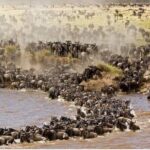
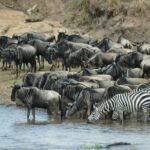
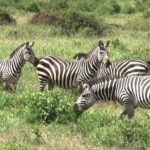
If you’re traveling during Great Migration season (July–October), day 2 takes on extra weight. This is when the Mara River becomes the headline: thousands of zebra, gazelle, and wildebeest moving into the park as they search for better grazing. The river isn’t just scenic; it’s where crocodiles, lions, and other predators stake their claim.
Even outside peak migration weeks, the river corridor still tends to concentrate activity. The tour’s structure helps here: more time inside the park means more chances to catch sightings that are time-sensitive.
Day 3: Final Morning Checklists, Breakfast, and the Return to Nairobi
Day 3 keeps the rhythm with another early game drive. The “last day” approach is smart because it’s when you can go back for what you missed or spend more time on what you loved.
If cheetah is on your list, this is the day to keep an extra close eye on movement in the bush. The itinerary also points out chances for jackal and hyena sightings, which often come down to patience and positioning more than luck.
After the morning drive, you’ll have breakfast, then one more game drive as you head back toward Nairobi. There are rest stops and lunch on the way, and you should reach Nairobi in the late afternoon, with drop-off at your hotel or the airport.
That return timing is useful because it avoids the “half-day scramble” feeling. You can still plan an evening meal in Nairobi without it taking over your whole last day.
A few more Nairobi tours and experiences worth a look
Camp Comfort, Food Included, and Why It Matters
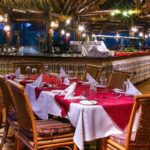
This is not just a drive-and-go safari. Your package includes breakfast (2), lunch (3), and dinner (2), which is a big deal on a multi-hour, multi-drive itinerary.
Food coverage reduces decision fatigue. You don’t need to guess where to grab a quick meal between park sessions, and you can stay focused on being outside for wildlife viewing instead of managing hunger logistics.
Your lunch is specifically scheduled either at the safari lodge or tented camp on day 1. Dinner and breakfasts are built into the overnight rhythm, which also suggests you’re spending nights in the park-area camp setup rather than doing a day trip style tour.
One note from past experiences shared with this operator: camps and in-park stays can vary by date and booking. Some guests reported stays like Osero Camp and Ashnil Mara Camp, and that lines up with the idea that the tour aims for true safari lodging rather than commuter hotels.
Price and Logistics: Is $2,650 per Person Good Value?
At $2,650 per person, this is definitely not a budget safari. But it isn’t priced like a “seat on a shared vehicle” either. The tour is private, and the itinerary emphasizes multiple game drives spread across three days, including early starts and meal coverage.
Here’s how I’d judge the value for you:
- If you care about private Jeep flexibility and fewer distractions, the price starts to make more sense than a cheaper shared departure.
- If your priority is more time in the Mara (not just one quick visit), the schedule supports that.
- Included meals help offset some cost, since safari meals can add up quickly when you’re not on a fixed package.
The biggest cost-side question is what kind of camp experience you’re getting for your dates. Your tour notes show food is included, but they don’t list the exact lodge or tented camp name in the information provided. Before you book, it’s worth confirming what your specific accommodations are and whether the camp location affects your drive time.
The Human Factor: Guides, Driving Style, and How Private Feels Different
On safari, your driver isn’t just a taxi. They’re your wildlife interpreter and your time manager.
Across experiences connected with this operator, names like Kimani, Peter Njenga, Ben, Abu, Charles, Patrick, Rama, and James come up as guides/drivers who helped guests see a lot and keep the tone positive through long days. You’ll also see examples of support staff helping with bookings, including references to people like Humphrey for park-area hotel arrangements and Steve in sales for trip coordination.
Even without naming every person involved in your departure, the pattern is clear: this tour works best when you get a guide who stays focused on spotting and explains what you’re seeing. Private format makes that easier because your drive style and questions don’t get mixed with strangers’ pace.
Also, some vehicles have had extra viewing tools like binoculars mentioned in past experiences. That’s not “guaranteed” in the tour facts you provided, but it’s a smart thing to ask about when you confirm your exact Jeep setup.
When to Go: Timing for Best Chances (and Less Waiting)
The itinerary is built around early mornings, which is good year-round. But wildlife patterns shift by season, and your best odds depend on what you want to see.
If your “must-see” is the Great Migration, aim for July–October. That’s when the Mara River crossing energy is most intense, with the big movement into the reserve and the predator opportunities that come with it.
If you’re going outside those months, don’t assume you’ll miss everything. You’re still targeting lions, elephants, giraffes, buffalo, and a wider mammal mix, and the Mara River corridor often remains a strong viewing area. The key is to trust the schedule and give your guide enough time to reposition when sightings change.
Should You Book Africa Kenya Safaris for This Masai Mara Private Trip?
I’d recommend this tour if you want:
- Private time in the park with a dedicated driver/guide
- A schedule built for early starts and multiple game drives
- Included breakfasts and dinners so you can stay fully in safari mode
- A trip that gives extra weight to Mara River and big-cat chances, especially if you travel during July–October
I would hesitate if:
- Your budget is tight, because the $2,650 per person cost is a real jump
- You’re the type who needs a guaranteed animal list (this is wildlife, not a museum ticket)
My practical advice: confirm the exact camp/lodge for your dates, and ask how they handle wildlife timing when migration isn’t at peak. If those pieces match your expectations, the structure of this safari is strong.
FAQ
How long is the 3-day private Masai Mara safari?
The experience runs for approximately 3 days.
Is this tour private?
Yes. It is a private tour/activity, and only your group will participate.
What meals are included?
The tour includes lunch (3), breakfast (2), and dinner (2).
Is the Masai Mara admission ticket included?
Yes. The itinerary notes admission tickets as free.
When is pickup scheduled in Nairobi?
Pickup starts at 7:00am, and the day 1 itinerary lists departure around 7:30am from your hotel or selected location.
Does the itinerary include the Great Migration?
It can. The tour notes that during the Great Migration season (July–October), you may see large crossings involving wildebeest, zebra, and gazelle around the Mara River.
Can I cancel for a full refund?
Yes. You can cancel up to 24 hours in advance for a full refund. If you cancel less than 24 hours before the experience starts, you won’t receive a refund. The tour can also be canceled due to poor weather, with an alternative date or a full refund offered.