REVIEW · DIANI BEACH
Sunset Canoe Tour on a River within the Mangroves
Book on Viator →Operated by Travel4Purpose · Bookable on Viator
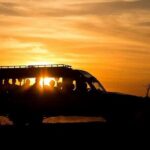
Mangroves at sunset are hard to beat. This short trip on the Kongo River feels special because you ride in a no-engine wooden canoe with guide Omari, and you get real time to watch birds and creeks as the light drops. The main thing to consider is weather: the tour runs best in good conditions, and rain can happen partway through.
I like the human scale here. With a small group (up to 8) and a captain rowing, the pace stays relaxed and you can even try paddling if you want. One more consideration: it’s a 2-hour sunset slot, so if you hate early evenings, plan your day so you’re not rushing to the meeting point.
What also makes this tour worthwhile is how it’s tied to the mangroves and the local community around Diani. The trip supports local employment and community needs like healthcare, education, and jobs, while also putting attention on protecting the ecosystem you’re floating through.
In This Review
- Key Highlights You’ll Want to Know
- Kongo Mosque Meeting Point and the 4:45 pm Sunset Timing
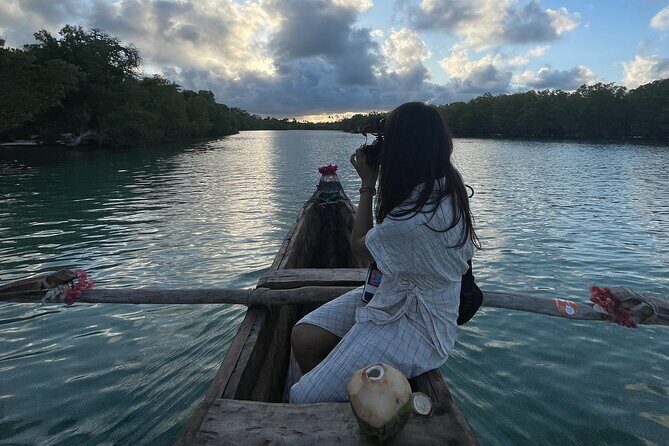
- The Wooden Canoe Ride Through Diani’s Mangrove Creeks
- Birds, Trees, and Village Life Along the Kongo River
- Why a No-Engine Canoe Changes Everything at Sunset
- The Impact You’re Supporting (and What It Means for You)
- Weather, Rain, and What to Pack for a Smooth Ride
- Who This Tour Suits Best (Couples, Families, and Solo Travelers)
- Price and Value: Why $28 Feels Fair for a 2-Hour Sunset
- Safety and Pace: What to Expect During the Ride
- Should You Book This Sunset Canoe Tour?
- FAQ
- What time does the sunset canoe tour start?
- How long is the tour?
- Where do we meet for the tour?
- Does the activity end back at the meeting point?
- Is the canoe motorized?
- How many people are in a group?
- How much does it cost?
- What if the weather is poor?
- Is there free cancellation?
Key Highlights You’ll Want to Know
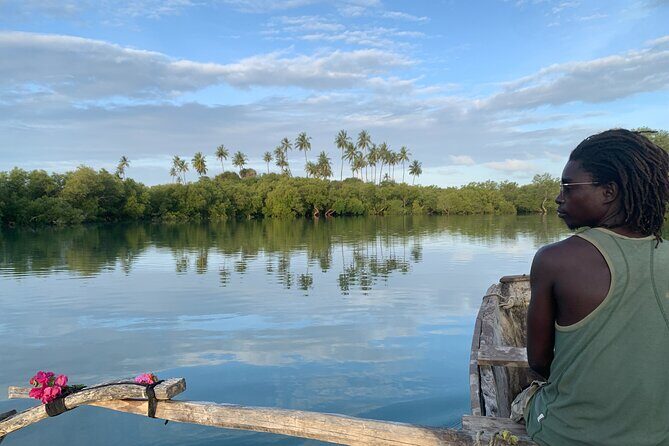
- Omari’s bird and tree spotting while you glide through mangrove creeks
- Human-powered, no engines keeps the water cleaner and the ride calmer
- Small group size (max 8) makes it feel personal, not crowded
- Village encounters from the water as you move between river and sea
- Sunset timing at 4:45 pm for golden light over the mangroves
- Community impact through locally hired canoe operators and community support
Kongo Mosque Meeting Point and the 4:45 pm Sunset Timing
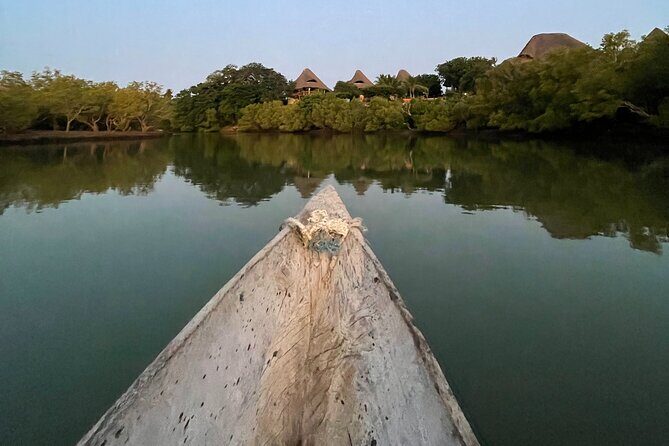
This tour starts at Kongo Mosque on Diani Beach and it begins at 4:45 pm. That time is smart. In the late afternoon, you’re not battling harsh midday sun, and you’re building toward that slow shift into evening colors over the creeks.
The meeting point being on Diani Beach also helps your logistics. You’re not trekking across the whole coast to reach a remote start—just plan to arrive a bit early, so you can check in, meet your guide, and get comfortable before pushing off.
The sunset plan matters because mangroves look different at different times. At golden hour you get softer reflections on the water, plus birds and smaller wildlife often feel more active. Even if you’re not a bird person, you’ll notice you’re watching instead of just passing time.
You can also read our reviews of more evening experiences in Diani Beach
The Wooden Canoe Ride Through Diani’s Mangrove Creeks
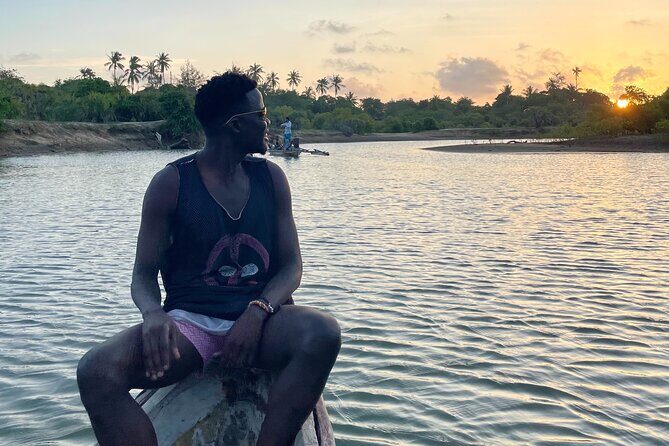
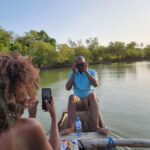
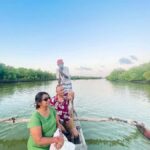
Once you’re on the water, the experience is simple: you ride in a wooden canoe down the river, surrounded by mangroves, palms, and birdlife. Your guide directs the route through the creeks and you’ll get moments where the channel narrows and the vegetation feels close—exactly the kind of setting where you can slow down and stop thinking about schedules.
The canoe is powered by human energy. The captain rows, and you can paddle if you want. That small option changes the feel. Even if you don’t take the paddle, you’re still part of the rhythm—gentle forward motion, no engine noise, and a real sense that this ecosystem is the main character.
The ride itself is about 2 hours. You’ll want to keep that in mind for planning your evening afterward. This isn’t a long full-day outing; it’s a focused sunset experience, so plan dinner after you’re back at the meeting point.
Birds, Trees, and Village Life Along the Kongo River
One of the most praised parts of this tour is the guide-led spotting and storytelling. Omari is passionate about preserving the mangroves around his home area, and he talks through what you’re seeing—especially birds. This turns the ride from pretty scenery into something you can remember.
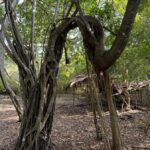
You’ll also learn about the local ecosystem and the history of the area as you move through the mangrove system. Mangroves aren’t just scenery; they’re a living buffer between land and sea, and the creeks are like natural corridors for wildlife and people who rely on the coastline.
You’ll meet villagers from the water too. That’s a key reason this experience feels more grounded than a purely nature-focused activity. From the canoe you get a window into daily life along the channels—what the water means, who uses it, and how communities are connected to the mangroves.
If you’re traveling with family or friends, the mix of wildlife plus village scenes gives you something for everyone: calmer kids might enjoy spotting birds and tracking movement in the mangroves, while more energetic travelers can focus on the human side—watching how local life connects to the river.
Why a No-Engine Canoe Changes Everything at Sunset
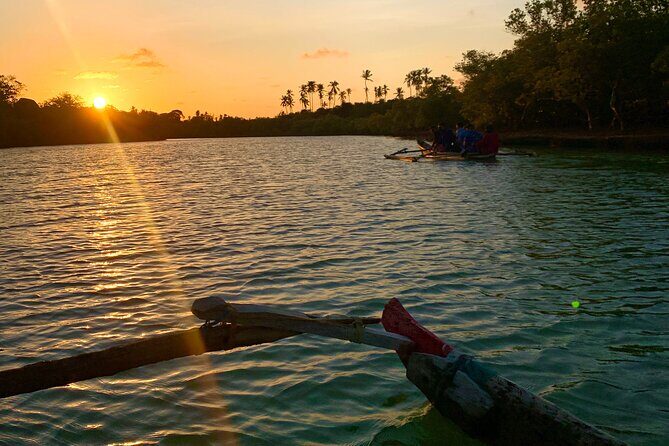
I love rides where the water stays quiet, and a no-engine canoe makes that happen. With the captain rowing, you don’t get the blur of motor noise or fumes cutting through the experience. Instead, you’re floating in a way that matches the setting—still enough to notice subtle sounds and movements.
There’s also a practical benefit. When the ride is quieter, your guide’s bird spotting becomes easier. Birds are skittish. Lower noise and gentler motion help you stay in the moment rather than constantly fighting to hear or see through distractions.
And yes, this matters for your own comfort. You’re not dealing with exhaust smell during your ride, and you’re less likely to feel that strong “tour bus” vibe. It feels like you’re borrowing the water, not taking over it.
The Impact You’re Supporting (and What It Means for You)
It’s not just about looking at nature—it’s about how the experience connects back to people and protection.
First, the trip supports a place that sits off the busiest paths. This area may be surrounded by villages, but it’s still quieter than many well-trodden stops. Your visit helps bring income and attention to the mangrove area.
Second, local employment is built into the experience. The canoe is locally hired and so is the captain. That means you’re not only paying for a ride—you’re also supporting someone who understands the channels and the ecosystem firsthand. You also get the benefit of real local context from Omari, who speaks about the mangroves as his home environment.
Third, the trip funds help the community with healthcare, employment, and education. You’re essentially choosing a form of travel that has a clearer “after-effect,” which is one of the best ways to feel good about a nature activity.
Weather, Rain, and What to Pack for a Smooth Ride
This experience requires good weather. If conditions are poor, you’ll be offered a different date or a full refund. That’s important in coastal mangrove areas where wind and rain can change how comfortable and safe it feels on the water.
Rain can also show up even when you didn’t plan for it. One ride included light rain about halfway through, and the overall tone stayed calm and safe. So even if showers happen, the trip doesn’t necessarily turn into chaos—it just becomes a more “real” coastal experience.
What you should bring:
- A light rain layer or compact poncho (easy to use without turning the trip into a clothing struggle)
- Sun protection for earlier parts of the ride (hat/sunglasses help)
- A way to keep your phone secure if you tend to reach for pictures often
Since you’re on water for around two hours, think “comfortable and light,” not “outfit perfection.” The best photos come from you looking relaxed, not from you wrestling with clothing.
Who This Tour Suits Best (Couples, Families, and Solo Travelers)
This ride works for different travel styles because it stays flexible in tone.
For couples, it’s romantic in a low-key way. You’re watching the sunset over mangrove creeks on a calm canoe route, and the small-group setting makes it feel more intimate than a big sightseeing group.
For families, it’s a good mix of nature and human life. There’s bird spotting, mangrove scenery, and village encounters, so you’re not stuck with one kind of activity the whole time.
For solo travelers, this is a peaceful option. A small group size and a guide focused on what you’re seeing helps you feel connected without needing to constantly talk.
Most people can participate, but still remember it’s a water activity on a canoe. If you have mobility concerns or prefer very stable ground for long periods, consider how comfortable you are in a seated ride.
Price and Value: Why $28 Feels Fair for a 2-Hour Sunset
At $28 per person, you’re paying for a short, very focused outing rather than a long, multi-stop day tour. The value is strongest when you care about the experience details: a real local guide, mangrove habitat, and a quiet ride without engines.
You also get two kinds of value at once:
1) Experience value: sunset scenery, wildlife spotting, and village views from the water, all in about two hours.
2) Impact value: locally hired canoe and captain plus community support for healthcare, employment, and education.
If you’re staying around Diani Beach anyway, this is an easy add-on that doesn’t demand all-day energy. It’s the kind of activity that can make a beach trip feel more connected to place rather than just time in the sand.
Safety and Pace: What to Expect During the Ride
You’re in the hands of the captain and guide, and the overall pace is designed to be relaxed. Because the canoe is human-powered, the motion tends to be steady rather than fast. That helps with comfort and also makes bird and tree spotting practical.
It’s also worth knowing that participants join at their own risk. That’s standard for many outdoor activities, especially water-based ones. If you’re prone to motion sickness or have health concerns, it’s smart to think about how you handle boats and movement before committing.
The good news is that the tone from the experience is consistently described as safe and caring, with guides taking care of the group during the ride.
Should You Book This Sunset Canoe Tour?
Book it if you want a calm, small-group sunset on the water that connects wildlife, local life, and community support. The mix of mangroves, bird spotting, and village encounters is the rare combo that feels both peaceful and meaningful.
Don’t book it if you need a strict schedule with lots of buffer time afterward. This is a timed sunset slot (starting 4:45 pm) and it runs about 2 hours, so you’ll want your evening plans to match that rhythm. And if you’re traveling at a time when weather is often rough, be ready for possible rescheduling.
FAQ
What time does the sunset canoe tour start?
It starts at 4:45 pm.
How long is the tour?
The ride lasts about 2 hours.
Where do we meet for the tour?
The meeting point is at Kongo Mosque on Diani Beach, Kenya.
Does the activity end back at the meeting point?
Yes, it ends back at the meeting point.
Is the canoe motorized?
No. The canoe is powered by human energy, with the captain rowing. You can paddle if you wish.
How many people are in a group?
There is a maximum of 8 travelers.
How much does it cost?
The price is $28 per person.
What if the weather is poor?
This experience requires good weather. If it’s canceled due to poor weather, you’ll be offered a different date or a full refund.
Is there free cancellation?
Yes. You can cancel up to 24 hours in advance for a full refund. If you cancel less than 24 hours before the start time, the amount paid is not refunded.