REVIEW · MOMBASA
Visit to Fort Jesus and the Old Town of Mombasa
Book on Viator →Operated by Omar Juma French/English Tour Guide · Bookable on Viator
Mombasa compresses centuries into a few street blocks. This Fort Jesus and Old Town experience pairs a UNESCO Portuguese fortress with Swahili, Arab, and colonial-era sights, plus the lively Spice Market energy. Fort Jesus and the Old Town walk are the main acts, and the guide connects them so the city feels like one story, not separate stops.
I really like the way Omar Juma brings the details down to earth, with smooth English and French and lots of room for questions. I also love that the tour is built around a human pace, including practical things like shade and time to breathe between sights. The result is a tour that feels thoughtful, not rushed, even though you cover a lot in 3 to 4 hours.
One consideration: Fort Jesus admission isn’t included (KSH 1,200), so you’ll want to budget that extra cost. Also, this is not recommended for children, and the walking through narrow lanes may not feel easy for younger kids.
In This Review
- Key highlights to know before you go
- Fort Jesus and the Old Port: what you’re really seeing
- Entering Fort Jesus Museum: start with the right context
- Old Town narrow lanes and the Arab-Swahili vibe
- Mackinnon Market: spices, produce, and local commerce
- A stop inside faith: Shri Cutch Satsang Swaminarayan Temple
- Pembe Mbili and the elephant tusks finish: a memorable landmark moment
- Transportation, pacing, and who will enjoy it most
- Price and value: $40 plus one key extra cost
- What you’ll learn (and why it sticks)
- Tips to make the most of your 3–4 hour loop
- Should you book the Fort Jesus and Old Town tour?
Key highlights to know before you go
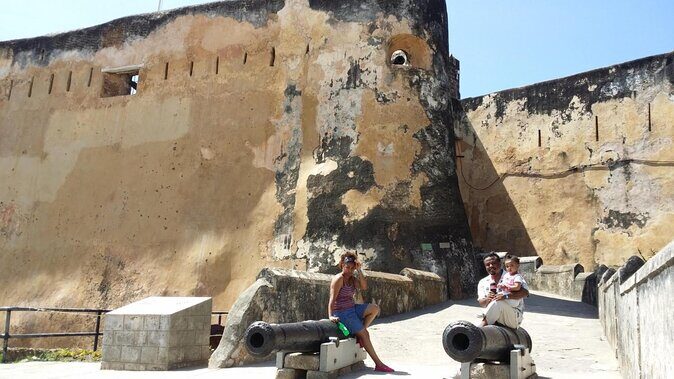
- Fort Jesus UNESCO site: A Portuguese-built fort dating to 1593, officially a World Heritage treasure since 2011.
- Omar Juma, French/English guide: Clear explanations, patient answers, and a steady pace that suits your questions.
- Swahili + Arab architecture on the move: Narrow streets where the old port culture still shows itself.
- Mackinnon Market stop: Legumes, fruits, and spices—good for seeing everyday commerce up close.
- Cultural mix, not just monuments: A visit to the Shri Cutch Satsang Swaminarayan Temple adds context beyond the fort.
- Finish at Pembe Mbili and the elephant tusks area: A memorable landmark moment as the walk wraps up.
Fort Jesus and the Old Port: what you’re really seeing
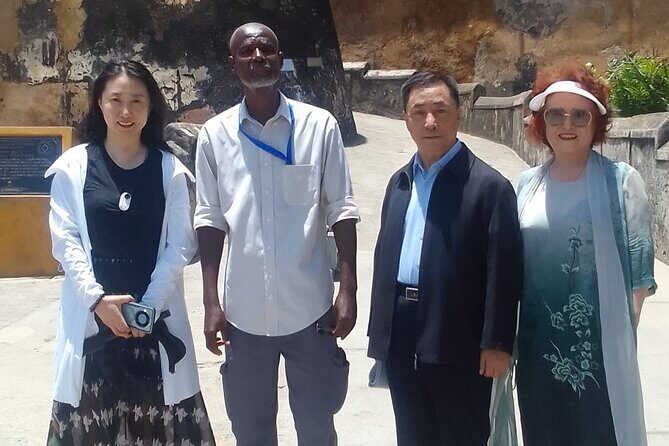
If you care about trade routes, mixed cultures, and how cities grow around harbors, Fort Jesus is the anchor point. It was built by the Portuguese in 1593, and it’s still standing because the location mattered—Mombasa sat on a key stretch of the Indian Ocean world where people, goods, and ideas moved constantly.
The Old Town part matters just as much. You’re not just looking at pretty architecture; you’re getting a sense of how the old port worked and what’s left of it. That contrast—fortress on one side, streets of daily life on the other—is where Mombasa clicks.
A neat bonus is that colonial and literary history quietly lives here too. The British built the African Colonial Hotel in 1901, and Danish writer Karen Blixen, famous for Out of Africa, stayed during a visit in 1914. Even if you only catch it from the street, it adds another layer to why this town has so many fingerprints.
You can also read our reviews of more tours and experiences in Mombasa.

Entering Fort Jesus Museum: start with the right context
Your tour begins at Fort Jesus Museum (Fort Jesus, Nkurumah Rd, Mombasa). Expect a brief history orientation first—about 40 minutes—with the guide setting the scene so you understand what you’re looking at before you start moving through the surrounding area.
This starting point is smart for two reasons. First, Fort Jesus looks like a fort even if you don’t know the details. Second, once you understand who built it and why, you’ll notice more: how it fits into the Portuguese era and why this site was worth fighting over and preserving.
Also, plan for the one practical snag: Fort Jesus admission is not included. You’ll need to pay KSH 1,200 for entry. If you want a smooth start, bring cash and a little patience for the ticket process.
Old Town narrow lanes and the Arab-Swahili vibe
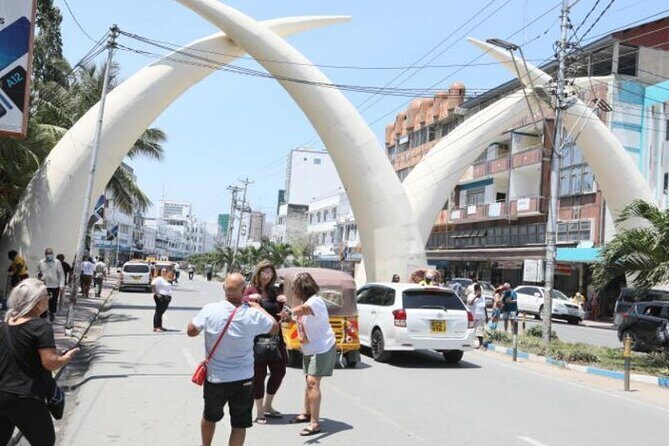
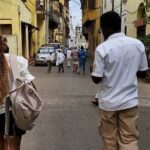
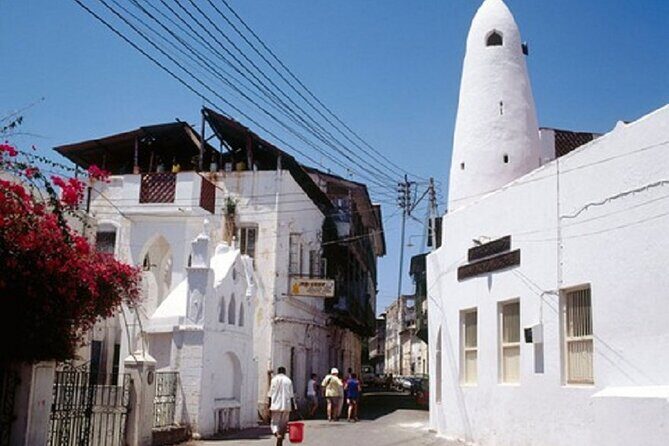
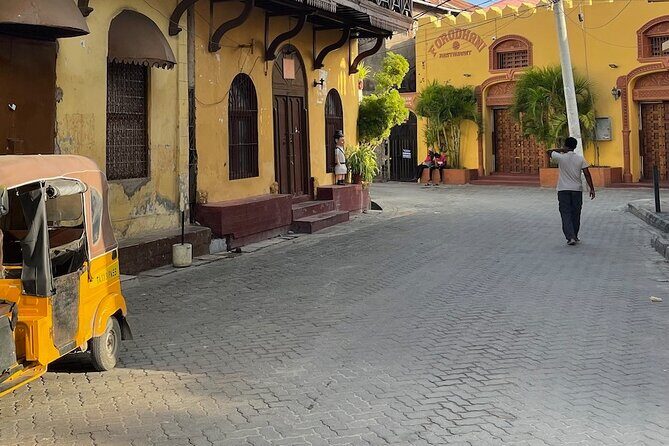
After Fort Jesus, the route turns into a walking experience focused on the Old Town. You’ll move through narrow streets where the architectural style reflects Swahili culture shaped by centuries of Indian Ocean contact, including Arab influence. The guide helps you appreciate what you’re seeing instead of just scanning for photo spots.
One detail I found especially valuable is that the walk isn’t only about buildings. You also get a sense of how people live alongside the old structures. That’s where the Old Town stops being a museum-like area and becomes a real neighborhood.
If you like history that still has fingerprints today, this is the section. You’ll also see remnants connected to the old historic Port of Mombasa—enough to understand the layout and importance of the harbor without turning it into a long archaeological lesson.
Mackinnon Market: spices, produce, and local commerce
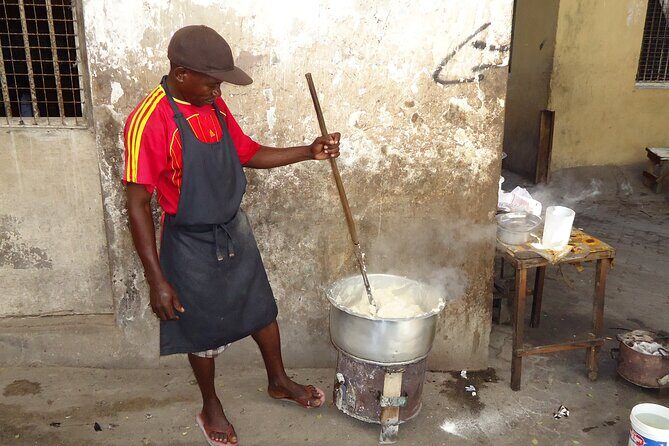
Then comes Mackinnon Market, a classic stop for anyone who wants to see Mombasa through the lens of what’s bought, sold, and traded every day. The time is short—around 35 minutes—but it’s the kind of quick stop that lands well inside a 3 to 4 hour tour.
You can expect to see legumes, fruits, and spices. Even if you don’t plan to buy much, this is a good way to read the city with your eyes. Spices aren’t just a theme here; they’re part of how people earn a living, and the market gives you that direct, human angle.
If you’re the type who likes to pick up a small edible souvenir, this is the area to focus on. The tour includes time here, so you’re not left sprinting or guessing where the market stalls are.
A stop inside faith: Shri Cutch Satsang Swaminarayan Temple
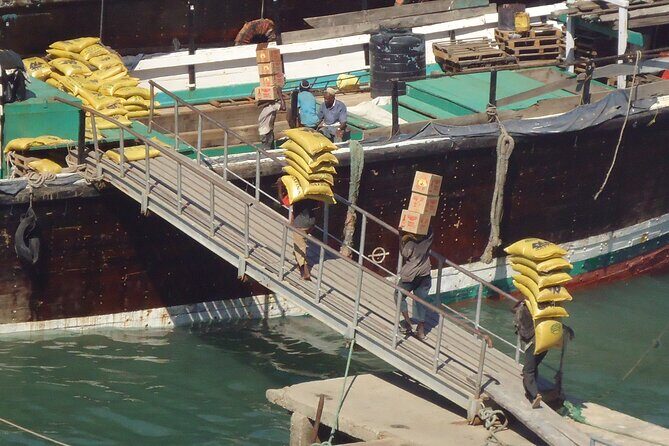
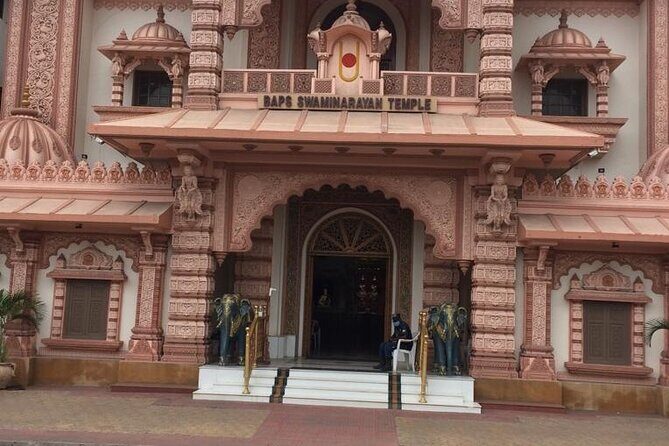
The walking route also includes a visit to the Shri Cutch Satsang Swaminarayan Temple. This is about cultural context. Forts and old ports explain power and geography; a temple helps explain everyday beliefs and the city’s religious mix.
The visit is about 35 minutes. You’ll have enough time to look around thoughtfully and follow the guide’s explanation without feeling like you’re stuck in a long ceremony.
Practical note: dress modestly and be respectful of quiet areas, especially in a place of worship. Even though the tour time here is fixed, the temple atmosphere matters more than the clock.

Pembe Mbili and the elephant tusks finish: a memorable landmark moment
Near the end, you reach Pembe Mbili, described as a historical landmark of Mombasa, with about 30 minutes allotted. From there, the tour concludes at the elephant tusks area—Four Elephant Tusks on Moi Avenue—opposite Uhuru Gardens.
This ending point is worth it because it’s visual and specific. The elephant tusks were erected in 1952 for the arrival of the Queen of England, and they’re the kind of landmark that makes you stop and look twice. It also ties back nicely to the tour’s theme: Mombasa keeps layers of history in public spaces, not hidden behind ticket gates.
If you want to end with photos that actually mean something, this is a strong closer.
Transportation, pacing, and who will enjoy it most
The tour includes transportation by tuk tuk plus guide fees. That helps because you’re mixing Fort Jesus and Old Town without turning your whole afternoon into nonstop walking.
The best part is how the day is paced for a small group. The tour caps at a maximum of 10 travelers, which usually means you don’t get shoved forward while the guide talks like a tour megaphone. In the same way, Omar Juma is known for maintaining a calm speed and answering questions instead of pushing everyone through.
A couple of practical realities:
- The Old Town lanes can feel tight, so comfortable shoes matter.
- The tour is listed as not recommended for children, likely because the walking and attention to historical sites may not fit younger ages.
Who this fits best:
- History and culture lovers who want more than a photo checklist
- Travelers who like stories with context—Portuguese fort, Indian Ocean port culture, and colonial-era connections
- Solo visitors too, especially since the guide’s communication is strong in both English and French
Price and value: $40 plus one key extra cost
The price is $40.00 per person for about 3 to 4 hours. For what you get, that’s fairly straightforward value: transportation (tuk tuk) and guide fees are included, and the experience covers several high-interest stops in one loop.
The one extra thing you must plan for is the Fort Jesus admission ticket (KSH 1,200). Because that’s the only listed admission cost, the math is easy to budget. If you’re already planning to visit Fort Jesus anyway, this tour can make the ticket worthwhile because you’re pairing it with the Old Town context and multiple added cultural stops.
Also check the timing. It’s usually booked around 36 days in advance on average, which suggests it’s popular with people who want a timed, structured way to do Fort Jesus plus Old Town in a single outing. If your schedule is tight, booking ahead helps you lock in the 9:00 am start.
What you’ll learn (and why it sticks)
One reason people like this tour is that it doesn’t treat history like trivia. The guide ties the fortress, the port area, and the city’s living neighborhoods into one thread.
For example, knowing that Fort Jesus was Portuguese-built in 1593 gives you a framework for why Mombasa’s coast drew attention. Then seeing Old Town architecture and port remnants helps you understand that Mombasa was never isolated—it was part of a wider ocean-facing network.
The tour also pays attention to how different cultures show up in physical places: Swahili and Arab influences in the streets, a Hindu temple stop that adds spiritual context, and the English-built Spice Market style (built in 1914) that brings you back to the everyday side of this trading city.
And yes, the Spice Market energy matters. It’s not just a set piece. It’s colorful, lively, and a reminder that port cities are defined by movement and exchange.
Tips to make the most of your 3–4 hour loop
Here are practical moves that line up with how the tour runs:
- Bring cash for the Fort Jesus admission (KSH 1,200).
- Wear comfortable walking shoes. You’ll be on foot through Old Town streets.
- If you get heat easily, plan for shade breaks. The guide is used to managing comfort, including shade and drinks.
- Have questions ready. The best tours here are the ones where you chat, not just listen.
- If you like photography, you’ll appreciate the time spent near key viewing areas, including the finish at the elephant tusks.
And because the group size stays small (up to 10), your questions are less likely to get lost in the crowd.
Should you book the Fort Jesus and Old Town tour?
I’d book this if you want a compact, high-value introduction to Mombasa that links major sites with everyday culture. You’re getting a UNESCO Portuguese fortress, Old Town streets that show Swahili and Arab influences, market life at Mackinnon Market, and a temple visit, then finishing with the elephant tusks landmark tied to 1952.
Skip it if you’re traveling with young children, or if you only want one monument and zero walking. Also consider your budget: the tour price is $40, but Fort Jesus admission is an extra KSH 1,200, so plan for it.
Overall, this is a strong choice for first-timers who want a guided route that feels like Mombasa, not just Mombasa on a map.