REVIEW · NAIROBI
Nairobi: Kibera Slum Half-Day Guided Tour With Pick-up
Book on GetYourGuide →Operated by Safari Ride Expeditions · Bookable on GetYourGuide
Kibera teaches you to slow down. This half-day guided tour is built around a real walk through Kibera, with street-level stops for local snacks, a food market visit, and time with community projects that support residents and youth. I especially like the focus on meeting locals and hearing personal resilience stories, plus the chance to see artisan workshops and small businesses instead of just taking photos. The main drawback to consider: this tour includes street food and close-up sights, so you should be ready for an emotional, hands-on experience—not a comfort-first sightseeing loop.
You’ll start with a guide who sets expectations and a quick safety briefing, then you’ll spend about three hours moving through the area with local snacks, tastings, and guided explanations. It’s also a private group, so you can ask questions without a crowd noise problem. If you want a polished, distant look at Nairobi, this won’t match that mood.
In This Review
- Quick reasons this Kibera tour works
- First stop: Prestige Plaza and the start of your Nairobi context
- Getting around Kibera: a guided walk with a safety briefing
- The Kibera segment: photo stop, food tasting, and street life
- Artisan workshops and small businesses you can actually picture
- Community projects: where support is meant to land
- Meeting locals and hearing resilience stories with context
- Portable Wi‑Fi and bottled water: small comforts that matter
- Price and value: what $24 actually gets you
- Drop-off in Nairobi: planning your afternoon
- Who should book this Kibera half-day tour?
- Should you book with Safari Ride Expeditions?
- FAQ
- How long is the Kibera Slum half-day guided tour?
- Where do I meet for the tour?
- Is hotel pickup and drop-off included?
- What languages does the live guide speak?
- Is the tour a private group?
- What’s included in the price?
- Are meals and drinks included?
- Is airport pickup available, and what does it cost?
- Can I cancel for a refund or reserve without paying today?
Quick reasons this Kibera tour works

- A guide-led walk that centers daily life, not just landmarks or photos
- Food market and snack tastings that help you understand the local economy
- Community projects visits focused on youth and women’s empowerment groups
- Artisan workshops and small businesses you can actually see in action
- Support through proceeds, with part of what you pay going toward local projects
- A praised guide named David, singled out for strong guiding
First stop: Prestige Plaza and the start of your Nairobi context

Your day starts at Prestige Plaza Shopping Mall on Ngong Road. You’ll meet just outside Java House inside the mall, and from there you’ll connect with your guide and group. If you’re staying in Nairobi, hotel pickup and drop-off are included, so you can keep the morning simple and avoid extra haggling.
I like that the meeting point is clear. It matters more than people think. In a big city, “start where you can find” beats “start somewhere vague.”
You can also read our reviews of more guided tours in Nairobi



Getting around Kibera: a guided walk with a safety briefing

Once you’re with your guide, the tour turns into a practical, on-the-ground walk. The structure is designed around getting oriented first—there’s a safety briefing and a guide-led route through Kibera Slum.
That orientation isn’t about being dramatic. It’s about helping you navigate tighter spaces, street interactions, and situations where your normal tourist behavior needs adjustment. The guide also keeps the focus respectful, with meaningful engagement rather than a quick drive-by.
Because this is a private group, you’re not competing with other people for attention. If you’re the type who likes to ask questions and clarify what you’re seeing, this format helps.
The Kibera segment: photo stop, food tasting, and street life
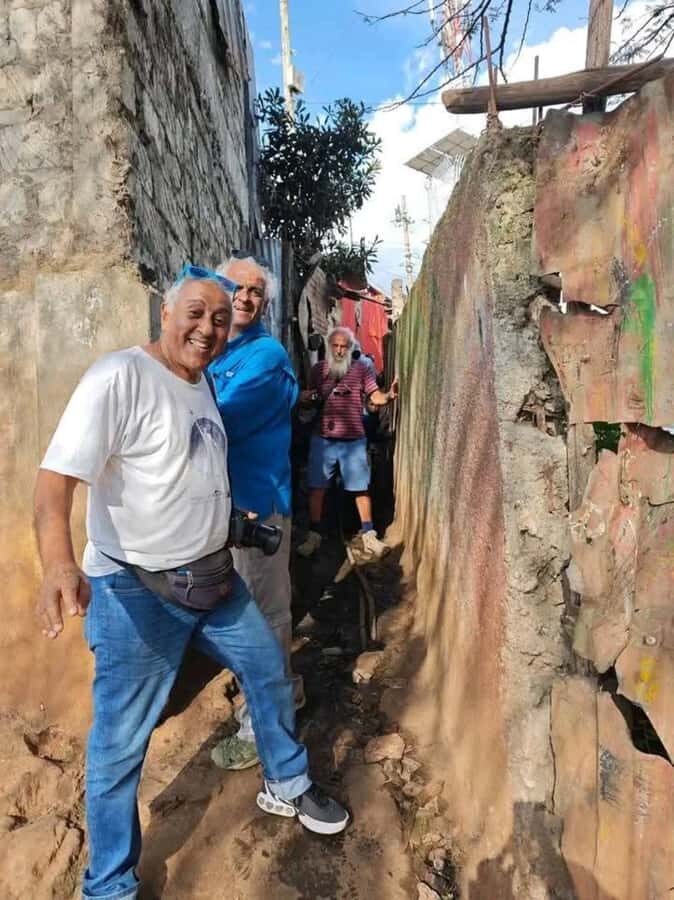
The heart of the experience is about three hours in Kibera, filled with guided sightseeing and walking. You should expect a photo stop, guided visits, and plenty of time for observation.
And yes, you’ll eat. Part of the experience includes street food, local snacks, and food tasting, plus a visit to a food market. For me, food is one of the fastest ways to understand daily life here. You’ll see what people buy, what’s affordable, and what keeps routines going day to day.
Practical tip: come prepared to ask before you photograph people closely. A guide is there to help you handle that the right way.
Artisan workshops and small businesses you can actually picture
As you move through the area, you’ll also pass by and visit artisan workshops and small businesses. This is one of the most valuable parts of the tour because it shifts the mental picture from a stereotype to something real and specific: skills, work, and small-scale entrepreneurship.
You may also see an arts and crafts market visit. In plain terms, that’s where your money and your attention meet. If you want souvenirs, this is the kind of place where a purchase can feel connected to the community’s economy, not just a tourist trap.
I’d treat any shopping time as part of the learning. Don’t rush your questions. Ask what’s made and who makes it—your guide can translate the context.
Community projects: where support is meant to land
A major focus of this tour is visiting community projects that empower residents and youth. The guide introduces you to the history of Kibera and the challenges residents face, but the tour doesn’t stop there.
You’ll spend time with initiatives such as:
- schools
- youth programs
- women’s empowerment groups
The value here is that you get to see the “doing” side of support, not just the problems side. When you only hear about informal settlements from a distance, it’s easy to lose the thread of progress. Project visits help you understand how communities organize solutions.
Some versions of the tour may also include visits to local homes. If that’s offered for your departure, it can turn your understanding from general to personal—but only if your guide is comfortable managing respectful interaction and boundaries.
A few more Nairobi tours and experiences worth a look





Meeting locals and hearing resilience stories with context

You’ll have chances to interact with locals and hear their personal stories of resilience. That’s a big theme throughout the experience. The guide’s job is to provide context—why people live the way they do, what pressures shape everyday decisions, and what hope looks like in practical forms.
One verified booking highlighted that the guide David was a great guide, and that lines up with what you want from this kind of tour: someone who can translate lived reality without turning it into a performance.
Tone matters. You’re walking into a real neighborhood. The guide’s respectful approach is what turns the experience from curious sightseeing into genuine learning.
Portable Wi‑Fi and bottled water: small comforts that matter

This tour includes bottled water and portable Wi‑Fi. It sounds minor, but in practice it’s useful. Water keeps you comfortable during the walking time. Wi‑Fi can help you stay oriented, check directions, or update plans once you’re done.
Also, think about your phone battery. Three hours of photos, notes, and mapping can drain it fast.
Price and value: what $24 actually gets you

The price is $24 per person for 3–4 hours, with hotel pickup and drop-off included. At that rate, you’re not paying just for a walking tour. You’re paying for guidance, local coordination, and direct support.
The highlights mention that part of the proceeds aids local projects, which is where the value argument gets stronger. When a tour includes project visits and community support, it’s easier to justify the cost as more than just a ticket to watch.
Still, be clear on what’s not included. Meals and drinks aren’t listed as fully covered. The tour includes street food, snacks, and tastings, plus bottled water, but if you want extra drinks or additional personal items, you’ll pay yourself.
My rule of thumb: if you want to buy into the community story in a practical way—food stops, market time, and project visits—this price feels fair. If you want a quick photo session and then out, you might find it too slow and too real.
Drop-off in Nairobi: planning your afternoon
After the main Kibera walk, you’ll be dropped off at two possible locations in Nairobi, including Brides & Maids. Because pickup and drop-off depend on your selected option, it’s smart to confirm the exact return point so you don’t end up guessing where to meet your driver.
The tour length is short enough that you can keep your afternoon open. I like that. You can go out after and not feel trapped in a long day of logistics.
Who should book this Kibera half-day tour?
This experience is a good match if you:
- want to understand Nairobi through everyday life
- enjoy guided explanation and Q&A
- are comfortable with street-level walking and tastings
- like tours that include community projects and support
It might not be the right fit if you’re seeking:
- a purely scenic, low-interaction sightseeing day
- lots of free time with no guidance
- a trip focused only on photos, without context or responsibility
If you’re sensitive to tough topics, go anyway—but go with respect for what you’ll see and hear. This type of tour is designed to make you think, not just look.
Should you book with Safari Ride Expeditions?
If your goal is a guided, respectful introduction to Kibera—with market stops, artisan workshops, and project visits—this is a solid choice. The combination of a private group, hotel pickup/drop-off, bottled water, and portable Wi‑Fi removes friction. Add in the note that guide David is praised, and you have a strong signal that the human side of the tour matters here.
I’d book it if you want more than a box-checking stop in Nairobi. And I’d check your expectations first: this isn’t a “nice neighborhood” postcard tour. It’s about seeing how people live, work, support each other, and build programs for youth and women.
FAQ
How long is the Kibera Slum half-day guided tour?
It runs for about 3 to 4 hours.
Where do I meet for the tour?
You’ll meet at Prestige Plaza Shopping Mall on Ngong Road, just outside Java House.
Is hotel pickup and drop-off included?
Yes. Hotel pickup and drop-off are included.
What languages does the live guide speak?
The guide speaks English, French, and Swahili.
Is the tour a private group?
Yes, it’s listed as a private group.
What’s included in the price?
Included items are the guided tour, hotel pickup and drop-off, bottled water, and portable Wi‑Fi.
Are meals and drinks included?
Meals and drinks are not listed as included. The tour does include street food, local snacks, and food tastings, but personal meals and drinks are not covered.
Is airport pickup available, and what does it cost?
Airport pickup is available for a $25 fee.
Can I cancel for a refund or reserve without paying today?
Yes. You can cancel up to 24 hours in advance for a full refund, and there’s also a reserve now & pay later option.