REVIEW · NAIROBI
David Sheldrick Elephant Orphanage Half-Day Tour in Nairobi
Book on Viator →Operated by Gracepatt Safaris · Bookable on Viator
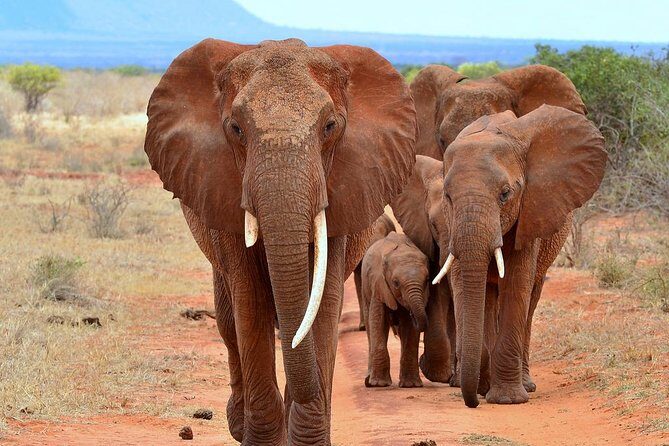
Elephants, milk bottles, and strict timing in Nairobi. This half-day outing focuses on the David Sheldrick Wildlife Trust, where you’ll watch baby elephants bottle-feed and play during the daily feeding window.
I love two things most: the hotel pickup that keeps the morning simple, and the way the guide helps you get early viewing placement when the youngest calves trot out. In fact, past groups have highlighted guides such as Patrick and Stephen for keeping everyone on schedule.
One consideration: the $75 price is not the full experience cost, since Nairobi National Park entry is mandatory and adds about $45 per person, plus the viewing area can feel crowded.
In This Review
- Key highlights to know before you go
- Why this Nairobi elephant orphanage tour is built for real viewing
- Price and value: what you really pay for the half-day
- Getting there: pickup time, morning timing, and why it affects your photos
- The Sheldrick Wildlife Trust visit: milk bottles, rope fences, and playtime
- What the guide teaches: rescue timelines and threats to Kenya’s elephants
- The 4-hour schedule: what fits in and what you might feel
- Group size, guide quality, and the day-to-day reality
- Photos, souvenirs, and elephant adoption options
- Who should book this tour—and who might want a different option
- Should you book the David Sheldrick half-day tour?
- FAQ
- What time is the pickup for the David Sheldrick half-day tour?
- How long does the tour last?
- Is hotel pickup and drop-off included?
- What is included in the price?
- Do I need to pay extra for Nairobi National Park?
- How many people are in the group?
- Do I get a mobile ticket?
- Are children allowed?
- Can I cancel for a full refund?
Key highlights to know before you go
- Daily elephant feeding runs on a tight schedule, so arriving early matters for the best sightlines.
- Your main time is at the orphanage (not a long bus tour of extra stops).
- A small group size (up to 7 people) makes it easier to move and settle in for feeding.
- Rope-fenced, close-up viewing lets you see the bottle-feeding details and playful interactions.
- You’ll learn what threatens elephants in Kenya today and how the rescue pipeline works.
- Souvenir add-ons cost extra, including souvenir photos (if you want them).
Why this Nairobi elephant orphanage tour is built for real viewing

The David Sheldrick Elephant Orphanage visit is one of those Nairobi experiences that rewards timing more than speed. This tour is designed around one core moment: the baby elephants coming in for milk, then hanging around for play.
Instead of trying to cram in multiple attractions, you get a focused half-day plan centered on the Sheldrick Wildlife Trust. That focus is a big deal. It means you’re not constantly rushing between places—you’re waiting for a feeding that you actually get to watch.
I also like that this is a small-group setup, with a maximum of 7 people. With that size, you’re more likely to find a spot that lets you see the action without constantly shifting around.
A few more Nairobi tours and experiences worth a look


Price and value: what you really pay for the half-day
The headline price is $75 per person, and the experience runs about 4 hours total. That includes a professional guide plus hotel pickup and drop-off, which is worth real money in Nairobi because getting in and out on your own can turn into time-consuming logistics.
But here’s the part you must plan for: Nairobi National Park entry is mandatory to access the orphanage, and it’s listed as an extra $45 per person. So your realistic base cost is closer to $120 per person before any souvenirs.
That higher total changes how I’d judge value. The question isn’t whether $75 is a deal. It’s whether you’re willing to pay the “park fee + orphanage access” bundle for a short, very concentrated feeding session and a guided conservation story.
From a value perspective, this tour makes sense if:
- you want the orphanage experience without adding extra stops
- you care about seeing feeding time clearly (not just passing by)
- you prefer pickup and a guide rather than handling transport and entry yourself
If you’re on a super tight budget, the extra $45 is the line item that can sting. If you’re comfortable with the total, the experience is easier to justify.
Getting there: pickup time, morning timing, and why it affects your photos
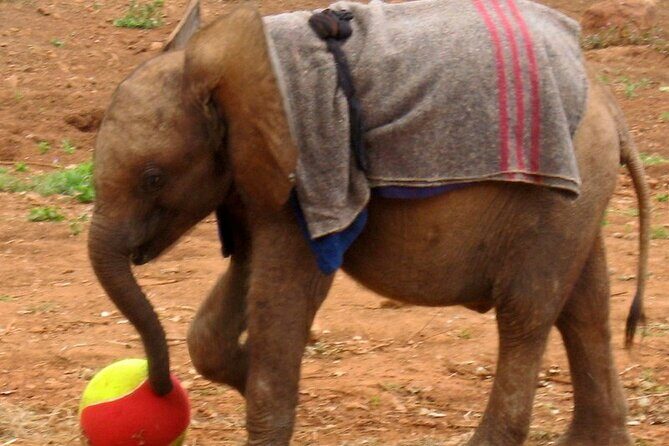
Pickup starts at 9:30 a.m. from your hotel or home within Nairobi. This matters because the orphanage visit itself is scheduled for 11 a.m. to 12 p.m. in that on-site walking window.
That timing creates a key travel reality: you’re not just commuting. You’re lining up for a daily routine with strict visiting hours. Multiple people have noted how important it is to arrive early for a good viewing position.
What I recommend: treat this as a “show up ready” morning. Wear comfortable shoes, because once you’re inside, you want to be able to stand and move a little without fuss. And keep your phone charged—your route and exact instructions depend on the day’s flow.
There’s also a small logistics lesson from past experiences: even when communication is decent, the day can go sideways if ticketing and entry procedures aren’t handled smoothly by the operator. So bring your confirmation and be ready to pay the mandatory park entrance clearly and promptly when required.
The tour uses a mobile ticket, which is convenient—just make sure you have it accessible offline or on your phone before you’re on the road.
The Sheldrick Wildlife Trust visit: milk bottles, rope fences, and playtime
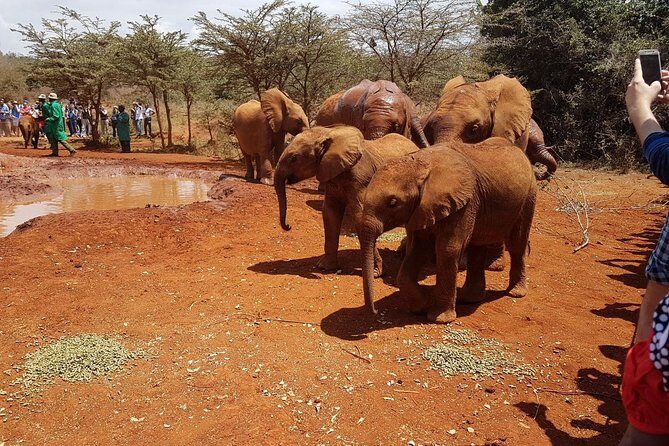
The heart of the tour is the walk-through at the Sheldrick Wildlife Trust. You’ll be in an open viewing space with a rope fence that keeps visitors at a respectful distance while still letting you see details up close.
Then the elephants arrive.
The youngest baby elephants “trotting out of the bush” to greet their keepers is exactly what makes this visit emotionally powerful. The keepers stand at the ready with giant bottles of milk, and the feeding period is described as lasting roughly 10–15 minutes per baby while you watch them slurp and gargle.
After feeding, the scene shifts. There’s water to play with, and the keepers guide interactions—nudging toward play, encouraging closeness, and helping create those moments where the babies look curious and relaxed instead of stressed.
This is one of the best reasons to choose the half-day format: you can focus your attention on one place at one time. You’re not rushing through multiple stops to chase quick photo moments.
Also, the guided part matters here. You’re not only watching feeding—you’re getting context about the babies’ stories and what it means that they’re in care.
What the guide teaches: rescue timelines and threats to Kenya’s elephants
A good chunk of the value of this tour sits in what you learn during the center walk. The experience highlights that you’ll hear about elephant conservation and care, including what threatens Kenya’s elephant population.
You’ll also learn about the orphaned calves you’re seeing—where they were rescued from and their approximate age when they arrived at the orphanage. That timing is useful because it turns the “cute feeding show” into something more grounded.
You’ll hear how the trust approaches rehabilitation—how keepers provide consistent feeding, stimulation, and care while working toward the longer-term goal of helping elephants recover. Even if you’re not a science person, the guide’s explanations help you interpret what you’re seeing: why certain interactions are encouraged, and why routines matter to young elephants.
A side benefit: this kind of conservation talk gives your visit a “why” to go with the “wow.” And that’s what makes the experience memorable after the photos are done.




The 4-hour schedule: what fits in and what you might feel
On paper, it’s 4 hours (approx.), and the orphanage walking window is about 1 hour. That leaves time for the morning drive and for the return.
Here’s the expectation check I’d use: even if the total tour is half a day, your most intense viewing time is concentrated. Some people have felt the sanctuary time is closer to 45 minutes of main action even though there’s a set visiting window. So plan your mindset accordingly. Don’t treat it like a long sit-down event.
That said, the schedule is structured so you’re not stuck waiting all day. Pickup gets you moving early, you’re at the trust during the feeding window, then you’re done and back out.
If you’d like to build the rest of your day around Nairobi, this kind of timed visit can work nicely. One past group even shared that their guide helped them line up next steps after the orphanage stop, though that isn’t guaranteed in the tour description.
Group size, guide quality, and the day-to-day reality
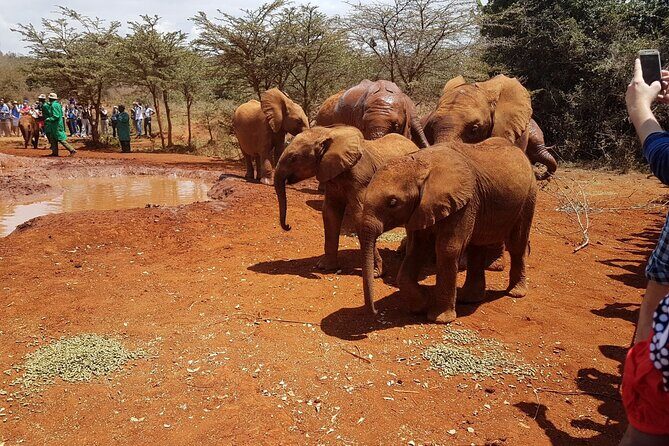
With a maximum of 7 travelers, this is not the typical huge bus scene. It’s much easier to manage your viewing position, ask questions, and keep track of the timing.
Guide quality shows up in how smoothly the day runs. Reviews have singled out guides like Patrick and Stephen for being pleasant and for helping groups arrive early for ideal viewing spots. That “timing + friendly guidance” combo is exactly what you want for a place with strict hours.
Now, I’ll balance this with realism: a couple of people had issues with organization—like confusion around ticketing, getting lost, or the overall handling of the day. Those experiences were in the minority, but they’re a signal.
So here’s my practical advice:
- Keep your contact info and confirmation handy.
- Ask (or confirm in advance) how the mandatory park fee will be handled when you arrive.
- If anything feels off, speak up early. The orphanage schedule doesn’t wait for problems.
Photos, souvenirs, and elephant adoption options
There’s a line between photos you can take yourself and souvenir photos you buy on-site. The experience notes that souvenir photos are available to purchase, which means your own camera photos may not be the only visual record you can leave with.
If you want to budget ahead, decide early whether you’ll buy souvenir photos. On a short visit, it’s easy to lose track of time while the babies are feeding, then remember later that add-ons cost extra.
Adoption is also a common part of this type of visit. Past visitors mentioned that they adopted an elephant during the visit, which gave them a deeper connection to the story. If this is appealing to you, it’s worth thinking about before you arrive so it doesn’t feel rushed.
Who should book this tour—and who might want a different option
This is a great match if you:
- want a single-focus Nairobi experience built around baby elephant feeding
- prefer hotel pickup and a guide to simplify the day
- enjoy structured, time-based wildlife experiences with strict visiting hours
- care about conservation education, not just photos
It may not be the best fit if:
- you hate paying mandatory add-ons (the $45 park fee is unavoidable)
- you want a lot of free time for lingering, since the feeding window is short and scheduled
- you’re extremely sensitive to crowded viewing areas (the feeding space can get tight)
If you’re traveling with kids, note that children must be accompanied by an adult. That’s a basic rule, but it also tells you the tour is paced for families rather than “adult-only adventure.”
Should you book the David Sheldrick half-day tour?
I’d book it if you value one thing above all: seeing the baby elephants during feeding time with guided context and minimal logistical hassle. The focused format, rope-fenced close viewing, and conservation explanation make the day feel purposeful.
I’d hesitate only if the extra Nairobi National Park entry fee would strain your budget or if you’re looking for a long, slow visit with lots of flexibility. In that case, you might consider whether a different format in Nairobi gives you more time for the money.
My final tip: set yourself up for success by being ready for the morning—because at Sheldrick, the experience really starts before you even walk in. Arrive on time, keep your ticket info accessible, and then let the feeding window do its job. That’s when this tour becomes hard to forget.
FAQ
What time is the pickup for the David Sheldrick half-day tour?
Pickup starts at 9:30 a.m.
How long does the tour last?
The tour is listed as 4 hours (approx.)
Is hotel pickup and drop-off included?
Yes. Hotel pickup and drop-off are included.
What is included in the price?
The tour includes a professional guide, hotel pickup and drop-off, and an admission ticket for the center visit.
Do I need to pay extra for Nairobi National Park?
Yes. Nairobi National Park entry is mandatory and costs $45 per person extra.
How many people are in the group?
This tour has a maximum of 7 travelers.
Do I get a mobile ticket?
Yes. The tour includes a mobile ticket.
Are children allowed?
Yes, but children must be accompanied by an adult.
Can I cancel for a full refund?
Yes. You can cancel up to 24 hours in advance for a full refund.