REVIEW · NAIROBI
6 Days in Masai Mara- Lake Nakuru- Amboseli
Book on Viator →Operated by STERLING TRAVEL LIMITED · Bookable on Viator
Three parks in six days means less waiting.
This Kenya safari strings together Masai Mara, Lake Nakuru, and Amboseli, so you can spend your daylight hours looking for animals instead of logistics.
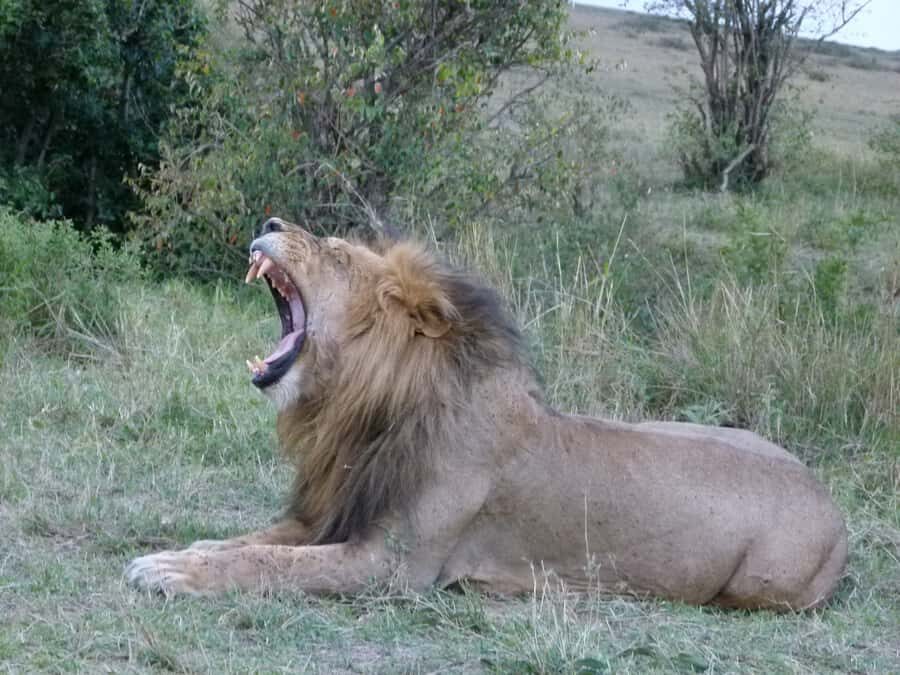
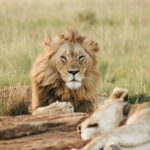
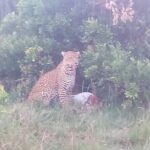
I really like the way Masai Mara’s road and track network helps with close-range wildlife viewing and better photos.
The second big win is that you’re not paying extra for the core safari parts since park fees and game drives are covered.
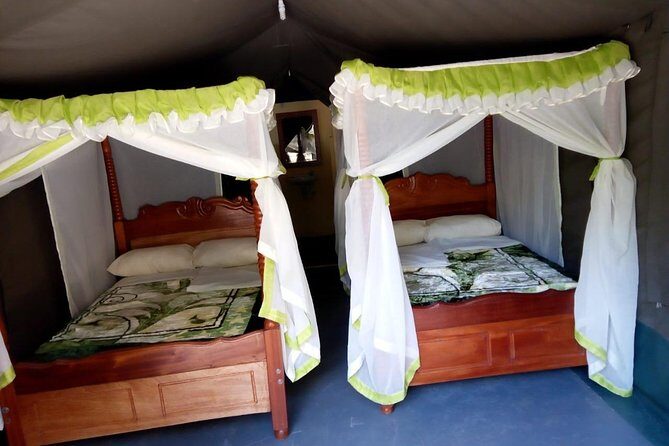
I also appreciate the practical camp comforts, especially the focus on hot showers and basics like beds and mosquito nets after long drive days.
The only real drawback is the pace: you’re moving regions several times, so expect long travel blocks and early starts to make the most of safari hours.
In This Review
- Key highlights (what makes this trip work)
- The safari route: three parks, one efficient rhythm
- Pickup, hatch-roof van, and a group capped at 8
- Day 1 in Masai Mara: Rift Valley viewpoint + first game drive
- What to watch for on Day 1
- Day 2 in Masai Mara: full-day viewing with a hippo pool picnic
- A practical note for Day 2
- Day 3: Lake Nakuru National Park and optional add-ons near Naivasha
- Why Lake Nakuru fits into this circuit
- Day 4: Lake Nakuru birdlife, then onward to Amboseli
- Day 5 in Amboseli: elephants, hippos, and possible Kilimanjaro views
- What to do with the long drive hours
- Day 6: early viewing in the area, then Nairobi and the Mombasa connection
- If you’re pairing safari + beach
- Price and value: what $45 includes, and what you’ll still budget for
- Camps, comfort level, and the real meaning of included amenities
- Who this safari is best for
- Should you book this Masai Mara–Nakuru–Amboseli safari?
- FAQ
- What is the duration and route of this safari?
- What’s included in the price?
- What costs extra during the trip?
- Do you handle pickup and tickets?
- Is there a time in the itinerary for Kilimanjaro views?
- Can I cancel for free?
Key highlights (what makes this trip work)
- Small group size (max 8) keeps things easier and more flexible during drives and stops
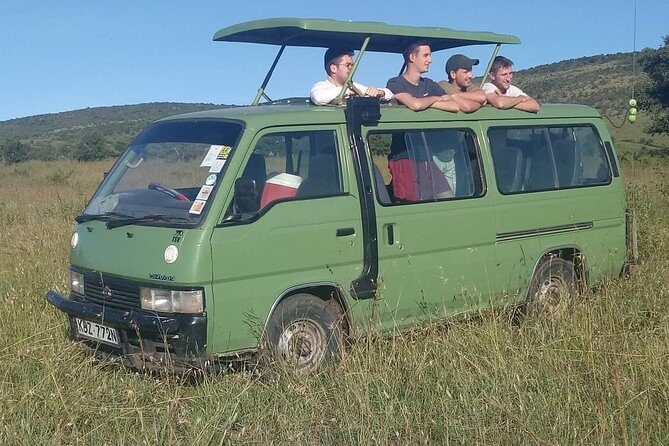
- Hatch-roof safari van helps you shoot over heads and spot animals faster
- Masai Mara’s road/track system is built for close-range viewing and photography
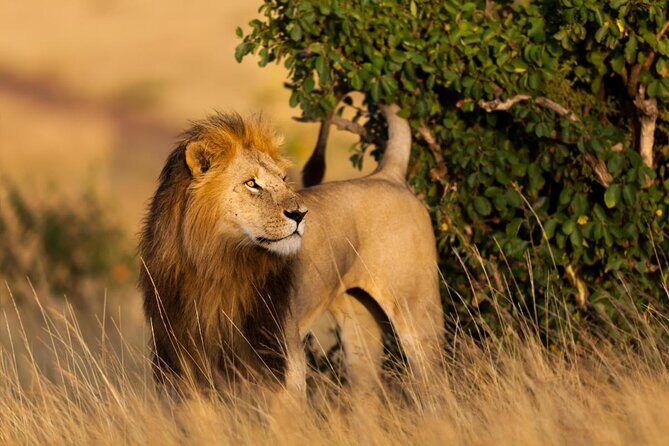
- Lake Nakuru rhino target plus prolific bird life like flamingos
- Amboseli elephant country with a possible Mt. Kilimanjaro peak depending on weather
The safari route: three parks, one efficient rhythm
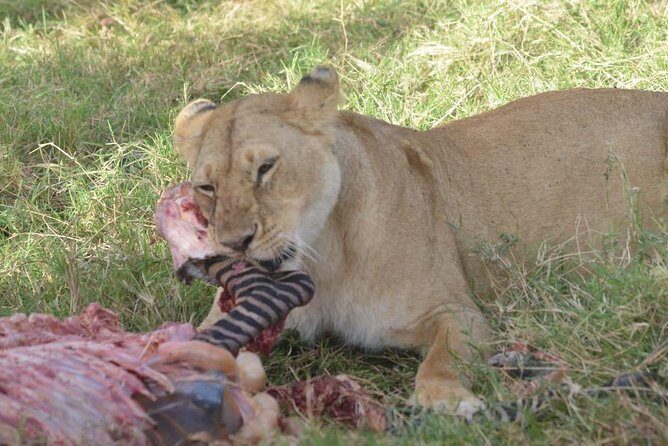
This is a classic Kenya loop built around three different kinds of wildlife country.
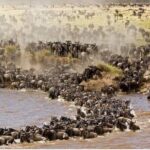
Masai Mara brings the savannah game-drive feel, Lake Nakuru adds focused rhino viewing and big bird energy, and Amboseli delivers the famous elephant scenes and mountain backdrop when skies cooperate.
What I like about the structure is how it balances long game-drive days with travel days that are still productive.
You’re not just “getting to the next place.” You’re usually arriving with enough time to settle in, then hitting animals during peak hours the next morning.
The tour also feels geared toward people who want a straightforward plan—pickup, transfers, and park access handled—without turning the trip into a self-managed puzzle.
That matters if you’re traveling solo or simply want the itinerary to run smoothly.
A few more Nairobi tours and experiences worth a look
Pickup, hatch-roof van, and a group capped at 8
You start with pickup from your hotel for orientation at 8am, which is a nice way to reduce the usual early stress of finding a meeting point.
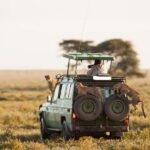
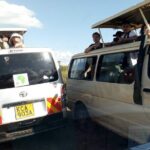
The safari uses a transport van with a hatch roof, which is a big deal in parks where you’ll be scanning and shooting constantly.
When you can look higher and over the crowd, you waste less time on the road and get better angles when something good appears.
This tour keeps the group small, with a maximum of 8 travelers.
That often means more personal attention from the driver/guide, and it can help during quick stops like picnic lunch breaks or guided moments.
You’ll also receive a mobile ticket, which is usually easier to handle than printed paperwork.
And based on the operator’s communication style (noted in past solo-trip feedback), it’s the kind of service that tries to keep you informed from start to finish—airport to drop-off included.
Day 1 in Masai Mara: Rift Valley viewpoint + first game drive
Day 1 moves from Nairobi toward Masai Mara with a stop at viewpoint country linked to the Great Rift Valley.
Then there’s the practical leg via Narok Town for lunch, which helps break up the drive so you’re not arriving exhausted.
Once you reach the reserve, the day shifts quickly into safari mode with your first game drive.
Masai Mara is the highlight because it’s built for regular road and track movement, which supports close-range viewing and photography.
That means you’re not limited to one thin path through the park; you have more chances to adjust when animals show up.
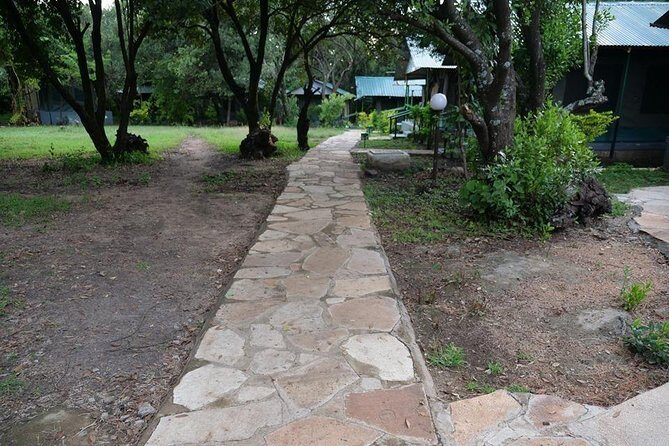
At night, you settle into the camp setup included in the package.
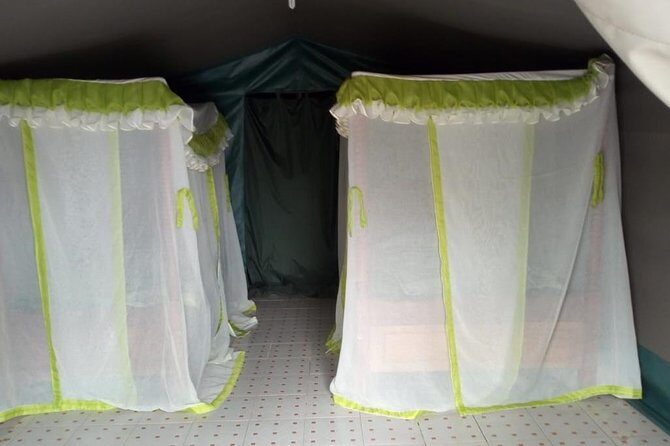
You should expect basics that matter after a long day: beds, electricity, hot showers, and mosquito nets.
It’s a solid comfort baseline for a safari itinerary, especially if your travel style is more comfort-forward than ultra-roughing-it.
What to watch for on Day 1
- Your biggest wins will come from early afternoon scanning as you find your rhythm in the reserve
- Bring gear you can quickly access, since game viewing often becomes a stop-and-go routine
Day 2 in Masai Mara: full-day viewing with a hippo pool picnic
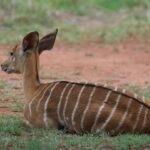
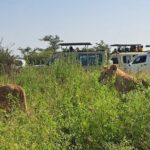
Day 2 is the “stay in the park” day, with a full day of game viewing in Masai Mara.
This is where the experience really pays off for people who want hours—not minutes—spent looking for wildlife.
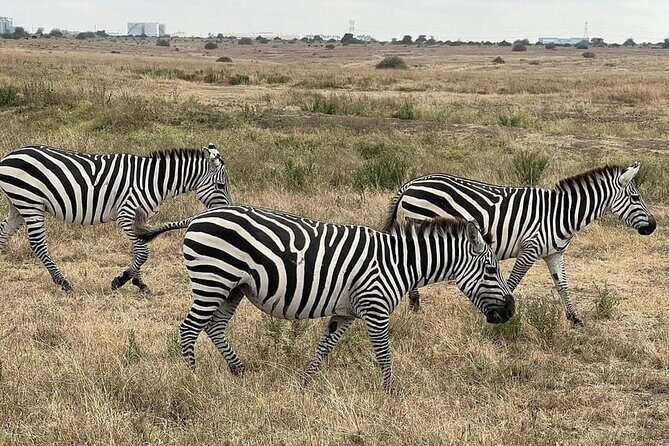
The reserve’s savannah grassland on rolling hills gives it that open, classic safari feel.
And because the park has a strong network of roads and tracks, you often get better access to sightings and better chances to photograph what you’re seeing.
Your picnic lunch break happens at the hippo pool area.
This stop is specifically timed for wildlife moments, with opportunities to look for hippos and crocodiles around the water.
If you’ve ever wondered what makes safari lunch feel different from a normal meal, this is a good example: the food is the pause, not the point.
After lunch, you continue the game drive loop through the reserve.
Then it’s dinner and an overnight at the camp again, with the same included comfort basics like electricity and hot showers.

A practical note for Day 2
A full day in the reserve can be tiring in a good way.
Plan on sitting long periods, then staying alert for short bursts when animals move or a new sighting appears.
Day 3: Lake Nakuru National Park and optional add-ons near Naivasha
After breakfast, the route shifts toward Lake Nakuru National Park.
This day is partly about travel and partly about making sure you arrive with enough time to start the next leg smoothly.
There’s an option to visit a Maasai Village for an extra cost.
If you’re interested, it’s listed as $20 per person, so you can decide based on your priorities for cultural time versus strictly wildlife time.
You may also pass Lake Naivasha on the way, with an optional boat ride for an extra cost.
That boat ride is also listed as $20 per person.
This is the kind of choice that’s worth thinking about in advance: boat time trades off against other safari time, but it can add a different wildlife scene than the vehicle game drive.
Then you arrive in the evening and are dropped off at City Max Hotel for dinner and overnight.
That city-night finish is helpful because it gives you a normal hotel setup after two nights in camp environments.
Why Lake Nakuru fits into this circuit
Lake Nakuru is where the safari adds a very different kind of wildlife focus.
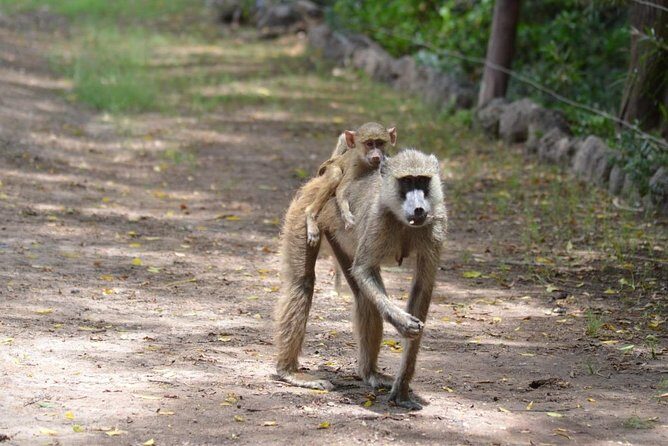
It’s known for prolific bird life, and the rhino presence is a major draw, including both white and black rhinos in the area.
If you’re coming for rhinos, this park is the anchor stop in the itinerary.
Day 4: Lake Nakuru birdlife, then onward to Amboseli
Day 4 starts with game viewing connected to Lake Nakuru’s animal and bird opportunities.
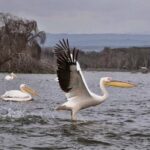
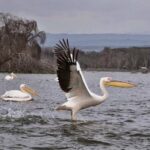
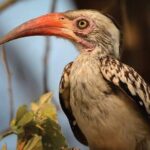
The park is highlighted for birdlife, including flamingos, and for a rhino conservation sanctuary for white rhino viewing.
The package also points out that you can see species like cape buffalo and water-buck near the shoreline areas.
That’s helpful because Lake Nakuru doesn’t only deliver the dramatic rhino moments; it also supports steady viewing for other animals if your timing is good.
Later in the day, you drive to Amboseli National Park.
This is a long-shift day in spirit, because you’re doing both a park morning and a transfer evening.
That’s also why the inclusion of meal support and camp arrangements becomes more valuable here—you don’t want your energy spent chasing logistics.
Once in Amboseli, you have dinner and overnight at the camp.
The included camp setup again matters: beds, hot showers, electricity, and mosquito nets are part of the included comfort package.
Day 5 in Amboseli: elephants, hippos, and possible Kilimanjaro views
Day 5 is your full game-drive day in Amboseli.
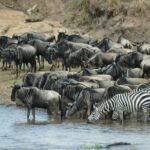
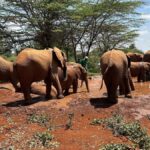
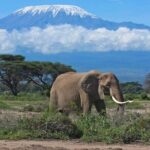
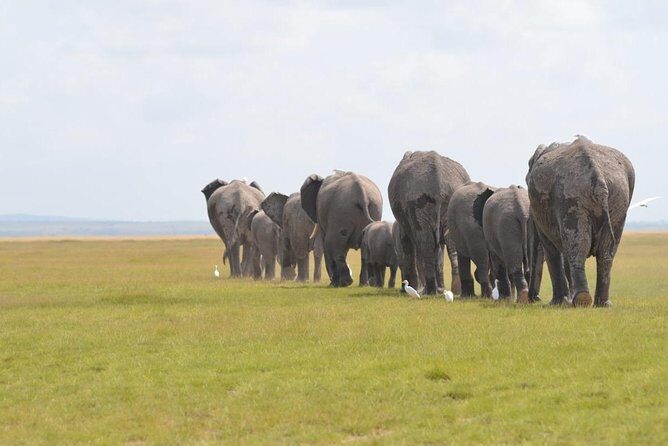
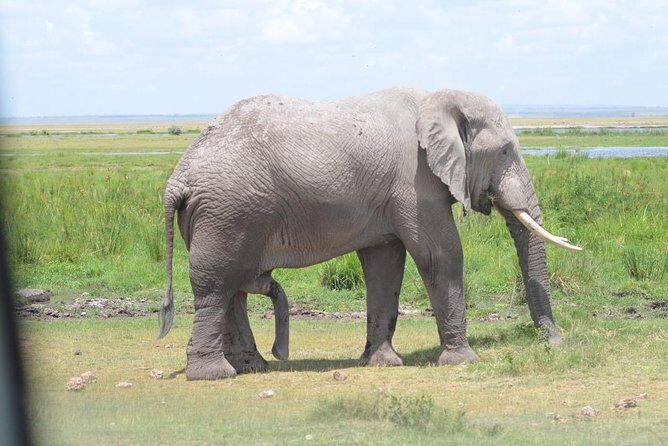
Amboseli is described as having swamp grounds and bathing elephants, which is exactly the kind of behavior-focused wildlife viewing many people hope for on a Kenya trip.
You’re also looking for hippos as part of the park’s animal mix.
There’s a weather-dependent element on this day: Mt. Kilimanjaro’s peak may be visible depending on conditions.
Even if you don’t get clear mountain views, the elephant-and-water scenes still make the day feel worth it.
But if you want that iconic mountain-photo moment, keep your expectations tied to weather.
Picnic lunches are included, and you’ll return to the camp for dinner and overnight.
Again, it’s the included “after drive” comfort—hot shower and electricity—that makes the long day feel manageable.
What to do with the long drive hours
On safari days like this, I recommend thinking in terms of patience.
Elephants and other big animals often reveal themselves when you stop scanning and start watching for movement in the distance.
The driver/guide’s spotting skills matter here because the best moments can be brief.
Day 6: early viewing in the area, then Nairobi and the Mombasa connection
Day 6 has early morning game viewing, followed by breakfast back at the camp.
Then you drive back toward Nairobi.
From Nairobi, you’ll continue to Mombasa for beach holiday time by road or air connections.
The package outlines two practical options: you’ll be dropped off at Emali to board a bus to Mombasa, or dropped at the airport to catch a connecting flight.
This is one of those “plan your next move” days, and it’s good that it’s spelled out.
Instead of ending abruptly, you’re guided toward the easiest transition into coastal time.
If you’re pairing safari + beach
This kind of ending works well because it avoids a chaotic last day in Nairobi.
It’s also a smart order: wildlife first, then reset with ocean days.
Price and value: what $45 includes, and what you’ll still budget for
The posted price is $45 for an approximately 6-day safari, which is low enough that it’s worth pausing and checking your expectations.
The good news is that the package includes the key things that usually make or break safari value: transport in a safari van, professional driver/guide services, park entrance fees, and all game drives.
Meals are also included, with lunch for 6 days and breakfast/dinner counts built in.
Here’s what this means for you as a traveler:
- You’re not paying per park entry at the gate
- You’re not figuring out how to get between reserves
- Most meals are handled, so your daily spending stays predictable
What’s not included is also clear, and you should plan your budget around it:
- Alcoholic drinks and soft drinks like sodas
- Personal insurance
- Tips
- Balloon safari (listed as not included)
- Maasai Village visit ($20 per person)
- Boat ride ($20 per person)
- Visa
So the real value test is simple.
If you’re okay sticking mostly to the scheduled game drives and included meals, this pricing can feel like a bargain.
If you want lots of extras—cultural stops, boat time, and activities beyond the core circuit—you’ll need extra cash.
Camps, comfort level, and the real meaning of included amenities
Safari camps aren’t all the same, and that’s why the included basics matter.
Across the overnight stays in the circuit (especially at the camps), the package specifies bed and bedding, electricity, hot showers, and mosquito nets.
Those are the comfort points that reduce the friction of early mornings and long days in the vehicle.
Another detail I like: these aren’t described as optional add-ons.
You’re not just promised a place to sleep; you’re told what the camp environment includes, so you can pack and plan accordingly.
One day, you stay at City Max Hotel with dinner and overnight.
That shift gives you a different feel—more like a normal hotel night—after days spent in camp life.
Who this safari is best for
This itinerary is a strong match for you if:
- You want a focused route across Masai Mara + Lake Nakuru + Amboseli
- You like the idea of wildlife-heavy days without planning every step
- You’re traveling with a small group vibe (max 8)
- You want practical comfort basics like hot showers and mosquito nets
It’s also a good choice if you’re a first-time Kenya visitor who values steady support.
In earlier solo-trip feedback, the operator Sterling Travel Limited—and especially Ms. Diana, who handled airport pick-up through drop-off and sent daily texts—was specifically credited for keeping things calm and organized.
Should you book this Masai Mara–Nakuru–Amboseli safari?
I’d say yes if your goal is a straightforward, wildlife-forward Kenya circuit with core costs handled: park fees, game drives, transport, and most meals.
The mix of Masai Mara’s close-range safari viewing, Lake Nakuru’s rhino and bird focus, and Amboseli’s elephant experiences is a smart “best-of” triangle.
I’d pause if you’re someone who hates travel days.
This itinerary moves between regions and includes a couple long shifting points, so you’ll want to accept early mornings and time on the road as part of the bargain.
If you like wildlife more than extra activities, this format makes sense.
If you’re hoping to stack lots of add-ons beyond the core safari—Maasai Village, boat rides, balloon—build those costs into your plan from the start.
FAQ
What is the duration and route of this safari?
It’s approximately 6 days, starting in Nairobi and covering Masai Mara, Lake Nakuru National Park, and Amboseli National Park before finishing back in Nairobi for onward travel to Mombasa.
What’s included in the price?
Transport in a safari van with hatch roof, services of a professional driver/guide, all park entrance fees, all game drives, statutory taxes, and meals (lunch, breakfast, and dinner) are included.
What costs extra during the trip?
Personal insurance, personal items, alcoholic drinks and soft drinks, tips, balloon safari, a Maasai Village visit ($20 per person), boat ride ($20 per person), and your visa are not included.
Do you handle pickup and tickets?
Pickup is offered from your hotel for orientation, and you receive a mobile ticket. The itinerary also includes drop-off at City Max Hotel for the Lake Nakuru night and later transportation back toward Nairobi.
Is there a time in the itinerary for Kilimanjaro views?
Yes, Mt. Kilimanjaro’s peak is listed as something you may see in Amboseli depending on weather conditions.
Can I cancel for free?
Yes, free cancellation is available. You can cancel up to 24 hours in advance for a full refund, and changes within 24 hours are not accepted. If canceled due to poor weather, you’ll be offered a different date or a full refund.