REVIEW · NAIROBI
7 Days Mara/L.Naivasha/L.Nakuru/Amboseli
Book on Viator →Operated by Alphadean tours and safaris · Bookable on Viator
Seven days, four parks, one great wildlife rhythm. This safari strings together Maasai Mara game drives, Lake Naivasha and Hell’s Gate scenery, then ends with elephant-heavy Amboseli and possible views of Mt. Kilimanjaro on clear days. Expect Big Five chances, flamingoes, and a mix of classic safari drives plus optional extras like a Maasai village visit or a hot air balloon ride.
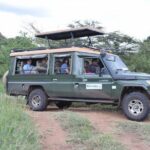
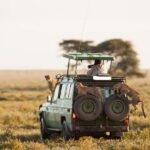
I especially like the small-group setup: you’re capped at 7 travelers, and you travel in an air-conditioned vehicle with hotel pickup and drop-off. I also like that the trip doesn’t feel like one long repeat. You get a different pace at Hell’s Gate where cycling in the gorge or a boat ride to Crescent Island can be added.
One thing to keep in mind: the driving days are long, and several days are structured around early starts and plenty of time on the road between parks. If you get car-sore or hate rushing, you’ll want to plan for that.
In This Review
- Key highlights you should care about
- The Big-Picture Route: Mara to Naivasha to Nakuru to Amboseli
- Maasai Mara: Game drives with Big Five odds and migration season context
- Lake Naivasha and Hell’s Gate: A break from the usual safari loop
- Lake Nakuru region: Birdlife and flamingoes, plus Mt. Longonot in the distance
- Amboseli: Elephants first, Kilimanjaro views if the sky allows
- What you’re really paying for: inclusions that cut friction
- Small-group driving and real support: Jemimah, Boniface, Raphael
- Optional experiences that can add meaning: Maasai village, balloon, and other add-ons
- Price and logistics: how to decide if this fits your trip style
- Should you book 7 days Mara / Lake Naivasha / Lake Nakuru / Amboseli?
Key highlights you should care about
- Small group (max 7) keeps the driving and game-drive vibe more flexible.
- Maasai Mara’s wildlife density supports strong Big Five odds and year-round sightings.
- Hell’s Gate options add variety beyond standard vehicle game drives (cycling or a boat trip to Crescent Island).
- Lake Nakuru region flamingoes are a big draw, especially when you time it well.
- Guides named by real travelers like Jemimah (planning) plus Boniface or Raphael (guiding) suggest hands-on support.
The Big-Picture Route: Mara to Naivasha to Nakuru to Amboseli
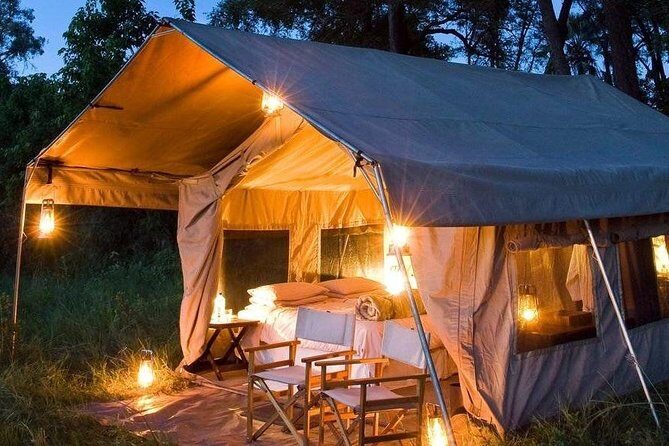
This is a classic Kenya safari route, but what makes it feel practical is the rhythm. You spend the trip in four wildlife zones that change character: Mara’s wide open grassland safari energy, Naivasha’s lake-country vibe, Nakuru’s bird-and-shore focus, and Amboseli’s famous elephant country backed by Kilimanjaro views when the weather behaves.
You’re also not just hopping between parks with no structure. The trip includes entrance fees, statutory taxes, and drinking water, so your day-to-day admin is lighter. You’ll have meals built in too: breakfast is included 6 times, lunch 7 times, and dinner 6 times across the week.
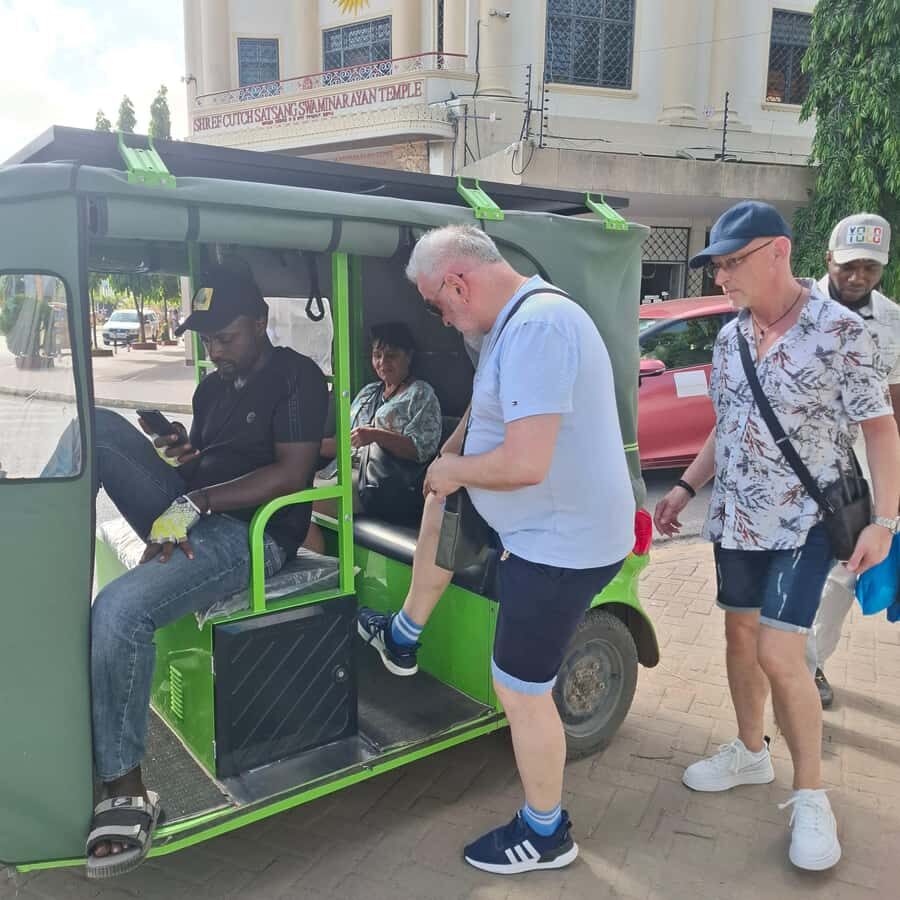
The other practical win is transport. You get hotel/residence pickup and drop-off, plus airport pick up and return drop-off in Nairobi. That means you’re not left juggling transfers after a long travel day. For a week like this, that matters more than people think.
A few more Nairobi tours and experiences worth a look
Maasai Mara: Game drives with Big Five odds and migration season context
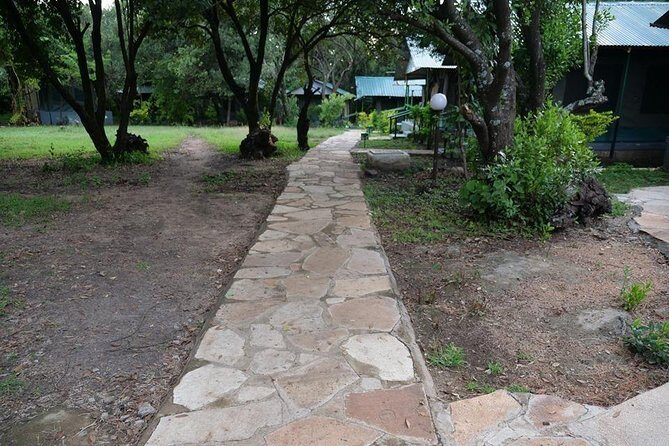
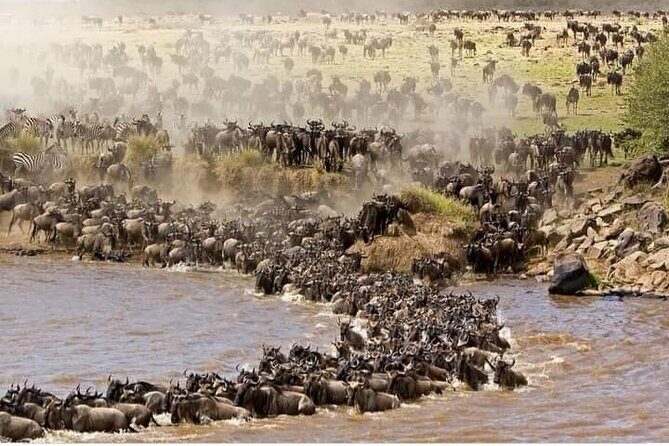
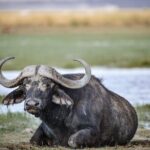
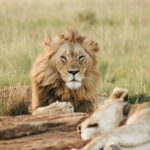
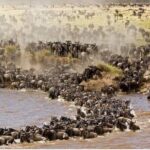
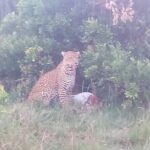
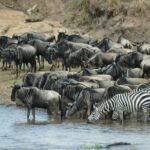
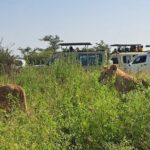
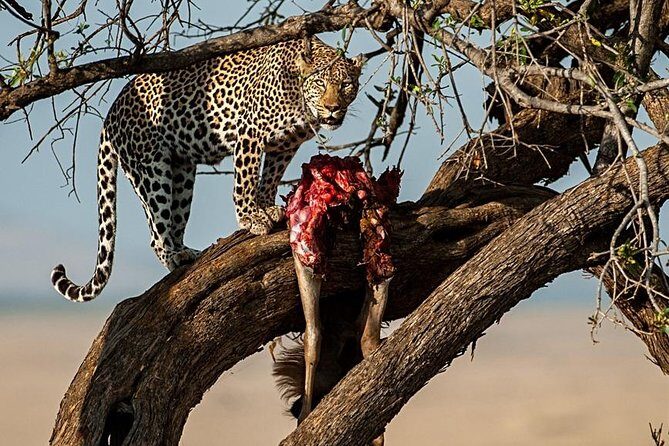
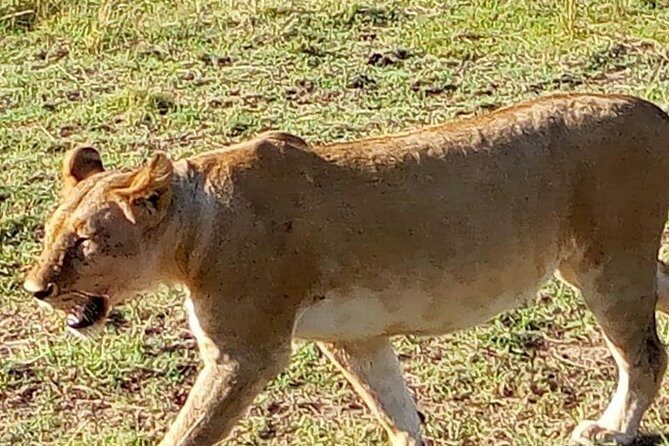
Your first full safari focus lands in Maasai Mara National Reserve, Kenya’s best-known wildlife playground. Mara is famous for the wildebeest migration (typically July to October), but the important part for your planning is this: wildlife viewing is good all year round. In other words, even if you’re outside peak migration, you’re still paying for a place that’s stacked with animals.
You’ll arrive in the afternoon, check in, then head out for an evening game drive. That’s smart because it often gives you your first real look at predators and big herds without wasting the whole day on travel. Then the next morning brings breakfast followed by a game drive that’s timed for morning activity.
Mara also has a strong bird-and-wildlife profile. The reserve is described as hosting 400 bird species and 95 mammalian species. That’s useful if you’re the type who likes to keep score (I am). Even when the Big Five sightings aren’t constant, you still get variety.
Lunch includes a stop at the Hippos pool, which is a nice change from the typical drive-stop rhythm. And if you want to go beyond the vehicle, you can add optional activities, including a Maasai community visit or a hot air balloon safari over the reserve (at extra cost). Ballooning is one of those choices you’ll remember, but it’s weather-dependent and can cost extra, so ask early and plan for flexibility.
Lake Naivasha and Hell’s Gate: A break from the usual safari loop
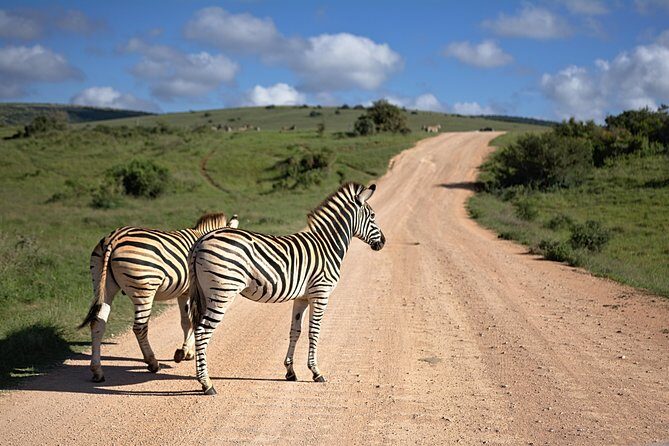
After Mara, the route shifts toward Lake Naivasha, which changes the feel of the day. You start with an early game drive, then breakfast, then head out to Naivasha for lunch. This timing matters because it keeps the day from turning into a pure transit grind.
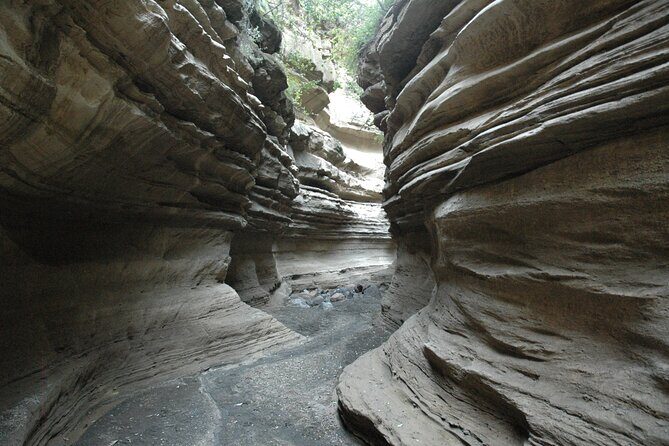
Once you’re there, you head to Hell’s Gate National Park for a game drive. Hell’s Gate is different from Mara in one key way: it’s built for additional on-the-ground activities, not just car-based viewing. If you want your safari to feel more hands-on, this is where it happens.
Two optional add-ons are clearly spelled out:
- Cycling in the gorge using a bicycle
- A boat ride to Crescent Island (extra cost)
You don’t have to choose these, but if you like movement and views, they can break up the long-drive sameness that sometimes happens on safaris. In a week that also includes major parks like Nakuru and Amboseli, Hell’s Gate gives you a chance to see the area in a different way.
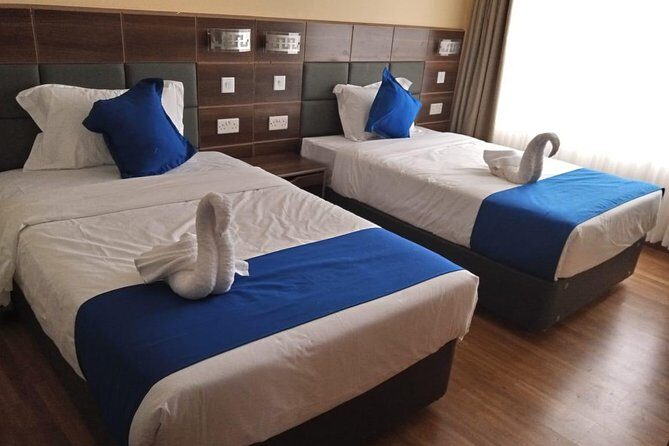
That night is in a budget hotel, which is good to know. Camps are romantic, but budget hotels can also mean simpler rooms and fewer frills. Either way, you’ll likely sleep better if you’re prepared for the switch from camp to hotel style.
Lake Nakuru region: Birdlife and flamingoes, plus Mt. Longonot in the distance
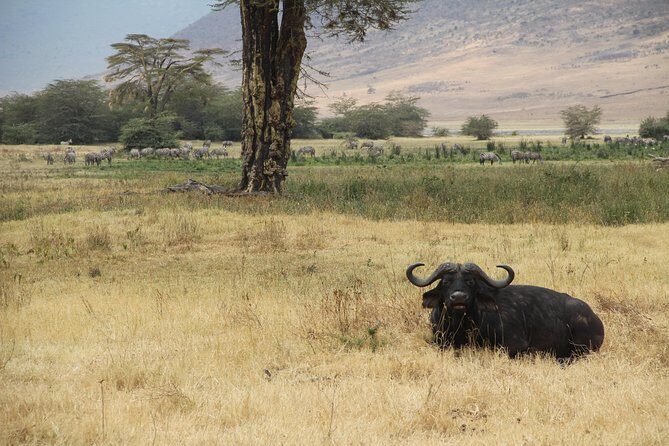
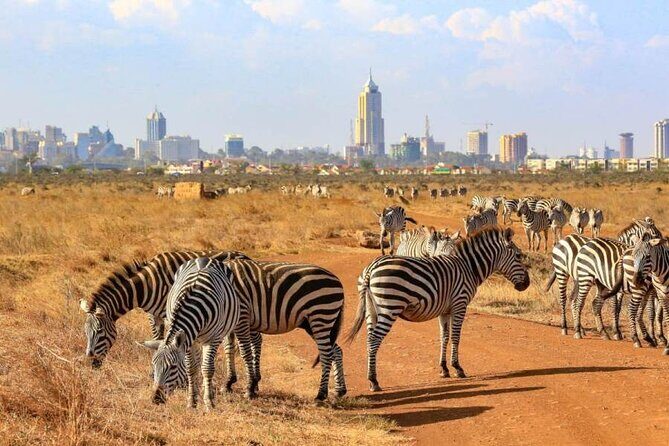
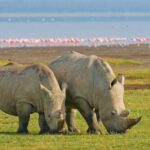
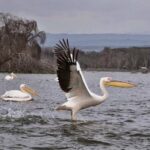
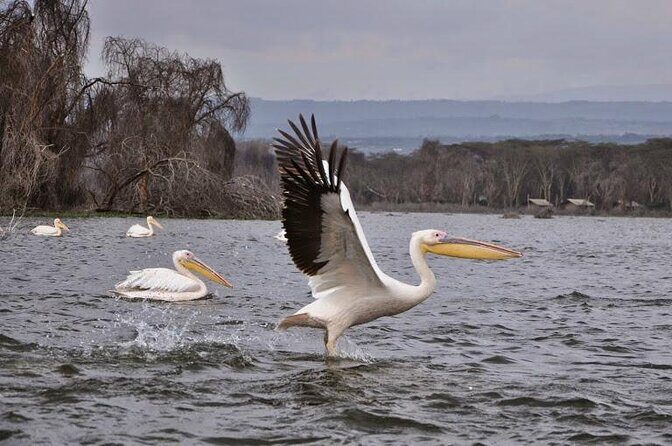
Next up is Lake Nakuru National Park, a stop that’s all about birds and shoreline drama. The Nakuru region is highlighted as known for prolific birdlife, with the most famous moment being thousands of flamingoes nesting at the shoreline. This is exactly the kind of safari detail that can turn into a core memory when you get the timing right.
Your day starts with an early morning game drive, then breakfast. After that, you depart from Naivasha toward Nakuru. Lunch is served en-route, and there are scenic distant views of Mt. Longonot and the Naivasha area. That matters because some road days feel like dead time—here, at least, you’re given moments to look up from the window and enjoy the region.
When you arrive in the afternoon, you check in, relax, then have dinner and overnight in self-contained hotel rooms. That self-contained setup can be a comfort advantage compared to more basic lodging—especially after multiple early mornings.
One note for your expectations: Nakuru’s reputation is huge for birds, flamingoes, and scenery, but the animals you spot can feel different from Mara’s open-grass predator energy. If you go in thinking you’re chasing the same sightings, you might feel slightly underwhelmed. If you go in expecting birds, shoreline, and variety, you’ll likely enjoy it more.
Amboseli: Elephants first, Kilimanjaro views if the sky allows
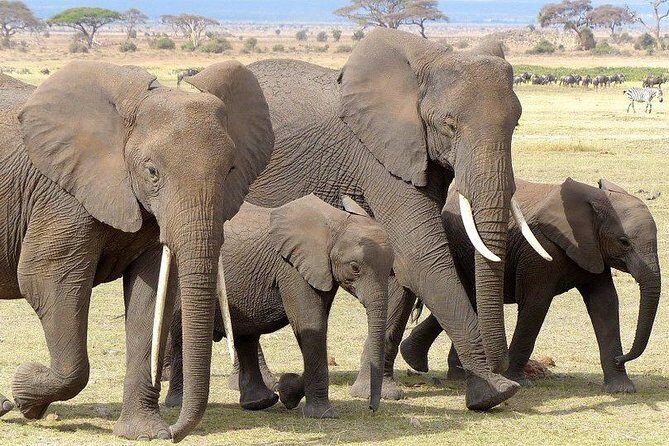
Amboseli is the closer of this safari loop, and it’s the right kind of dramatic ending. You head there after morning game viewing in the Nakuru area, then the drive continues toward Amboseli with a highlight of large elephants and the possibility of spectacular views of Mt. Kilimanjaro.
The key phrase here is possible. The trip notes that you get Kilimanjaro views in fine weather. That’s true of most Kilimanjaro-focused experiences, and the practical advice is simple: don’t build your whole day around a single perfect view. Build it around wildlife, and treat the mountain as a bonus when it shows itself.
Once you arrive, you check in at camp, then you’ll have dinner and overnight. The next day structure repeats the pattern that works: early morning game drive, breakfast, then another game-drive session after lunch. The final morning includes one more game drive before leaving Amboseli for Nairobi.
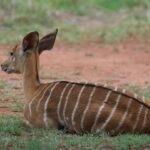
Amboseli is described as home to elephants plus other wildlife like giraffes, zebras, cheetahs, and hundreds of bird species. That mix is why Amboseli works as a finale. Even if you don’t catch a rare predator moment on every drive, you’ll keep seeing different animals and different behaviors.
The last day ends with breakfast, a final game drive, then a drive back to Nairobi. You’ll have lunch en route and then arrive in Nairobi in the afternoon for drop-off at your hotel or the airport.

What you’re really paying for: inclusions that cut friction
At $1,040.70 per person for about 7 days, the value isn’t just the parks—it’s what’s handled for you. Your package includes:
- Entrance fees and statutory taxes
- Accommodation as per the plan (camps, a budget hotel, and self-contained rooms)
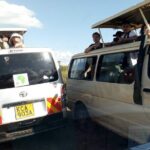
- An air-conditioned vehicle
- Hotel/residence pickup and drop-off plus airport pick up
- Drinking water
- Meals: breakfast 6x, lunch 7x, dinner 6x
That’s a big deal when you’re comparing safari packages. Many cheaper deals advertise the price, then start adding line items like park fees, meals, or transport later. Here, those core costs are folded in.
What’s not included is also clear, and you should plan for it:
- Tips
- Alcoholic drinks
- Personal insurance
- Visa
So when you budget, you’re not just budgeting for the safari price. You’re budgeting for the extras that make the trip comfortable and secure. If you don’t already have travel insurance, I’d get it before you go. It’s the kind of purchase that feels annoying until the day it matters.
Small-group driving and real support: Jemimah, Boniface, Raphael
One reason safaris go smoothly or fall apart is the human layer: planning, timing, and the ability to answer questions quickly. Real traveler feedback highlights a consistent pattern: Jemimah is described as highly responsive during planning, including personalization and adding extras.
You’ll also see named guides in the mix. Boniface is credited in one review for making the experience memorable, and Raphael is mentioned as an English/Spanish-speaking guide. That kind of naming matters to me because it suggests you’re not getting a generic, throw-you-in-a-vehicle operation. You’re getting people with names and roles.
There’s also a balance to keep in mind. One review complains about a trip cancellation after confirmation, with poor communication afterward. I can’t fix that for you, but I can tell you what I’d do if I were booking: I’d confirm in writing what happens if dates shift, and I’d keep your own backup plan for nonrefundable costs like flights.
If you want to travel with less stress, the small group size (max 7) plus responsive operators is a serious advantage. With big tours, you can feel like cargo. With a smaller setup, your questions get answered, and your day-to-day feels more controlled.
Optional experiences that can add meaning: Maasai village, balloon, and other add-ons
This safari already includes strong nature time, but the optional activities are what can make it feel more personal.
Two options are explicitly part of the experience:
- Maasai community visit
- Hot air balloon safari over the reserve
Both are worth considering if you’re the kind of traveler who wants a little more than just animals behind glass. A Maasai village visit can help you understand local culture and livelihoods. A balloon ride can give you a bird’s-eye view and a different feel for the terrain—just remember it depends on weather.
One extra theme shows up in real feedback from travelers: the consultant was able to help add other experiences such as visiting the Giraffe Center during planning. That doesn’t mean it’s included for everyone, but it does suggest the operator is willing to personalize when there’s room.
If you want to add options, ask early. With safaris, “optional” still has real-world limits—time, availability, and weather.
Price and logistics: how to decide if this fits your trip style
Let’s be honest: $1,040.70 per person for 7 days is not a throwaway price. But compared to doing a safari piecemeal (transfers + park fees + meals + guides), it’s positioned as a package that takes away a lot of friction.
Here’s what you’re buying:
- Four major destinations in one week
- Transport in an air-conditioned vehicle
- Meals and lodging across the trip
- Entrance fees and taxes already handled
- A max of 7 travelers, which usually improves pacing and flexibility
Who this suits best:
- You want a solid safari overview without stretching into a longer trip
- You like structured days but still want optional cultural or balloon add-ons
- You prefer smaller groups and direct communication during planning
Who might want to think twice:
- If you strongly dislike long road hours, you’ll feel the schedule. Several days are built around 7–9 hour blocks.
- If you only care about one type of wildlife (like Big Cats every day), you may need to reframe expectations. This route balances elephants, birds, flamingoes, and predator chances.
Should you book 7 days Mara / Lake Naivasha / Lake Nakuru / Amboseli?
I’d book it if you want a well-paced Kenya sampler that still feels like a real safari, not a checklist. The mix of Maasai Mara game drives, Hell’s Gate options, Lake Nakuru flamingoes, and Amboseli elephants gives you variety without losing the classic wildlife focus.
Before you commit, do two quick things:
- Ask what optional activities cost in addition to the base price (balloon and the Crescent Island boat ride are noted as extras).
- Confirm your date expectations clearly in writing, especially if you’re coordinating flights and hotels you can’t easily change.
If you want Big Five potential plus the bird-and-elephant highlights of Kenya, this route is a strong bet for a first-time safari week.