Nairobi changes fast on foot, and this walk works. I love the local guides’ stories that connect Nairobi’s big buildings to what Kenya lived through, and I also like the mix of landmark photos with real shopping stops like the Gikomba second-hand market. One possible drawback: it’s packed into 150 minutes, so a few sights are brief photo-and-stroll moments rather than long stays inside.
The payoff is a quick, practical intro to Central Nairobi: government buildings, museums and gardens, and the kind of street-life you only notice once you’re walking. Pickups run from multiple neighborhoods, the tour runs in English, Spanish, and Swahili, and you’ll get a safety briefing before you start moving through busy areas.
In This Review
- Key things you’ll notice on this Nairobi walk
- Entering Nairobi’s Central Business District on Foot
- Meeting point, pickups, and the smooth start
- Nation Centre to McMillan Memorial Library: where Nairobi shows its priorities
- Nyayo House and the government core: stories behind the stone
- Religion, symbols, and the places people actually use
- Markets that teach you Nairobi’s daily rhythm
- Nairobi Railway Museum, Electricity House, and Jivanjee Garden
- Nyamakima Matatu Stage and the Smoking Zone: loud culture, quick context
- The guide is the real upgrade: Williams, Ezequiel, Daniel, Ibrahim
- Price and value: what $27 buys you in 150 minutes
- What to pack and how to make the walk easier
- Who this Nairobi walking tour is best for
- FAQ
- What duration is the Nairobi hidden gems walking tour?
- Where can pickup be arranged?
- What languages is the live guide available in?
- Are meals included?
- Is the tour wheelchair accessible?
- Do I need to arrange transport to the start point?
- Should you book this Nairobi walking tour?
Key things you’ll notice on this Nairobi walk

- Guide-led storytelling tied to the places you pass, not just names on a sign
- Major CBD landmarks like Parliament, KICC, and the Nairobi GPO post office
- Markets with a purpose: Gikomba for second-hand clothing, Muthurwa for daily groceries
- Matatu culture stop at Nyamakima Matatu Stage, plus a quick look at the Smoking Zone
- Real neighborhood variety, from Gikomba and City Market to Maasai Market and Jamia Mosque
Entering Nairobi’s Central Business District on Foot

This tour is built for people who want Nairobi context without needing a full day of planning. In about 150 minutes, you’ll cover a lot of Central Nairobi, moving between official buildings, faith sites, and markets where locals handle daily business.
The rhythm matters here. You’ll be walking and stopping often, but not lingering in every spot. If you like slow travel and deep museum time, you might feel a bit rushed. If you want to get your bearings fast and understand what you’re seeing, this format is a strong match.
You can also read our reviews of more walking tours in Nairobi


Meeting point, pickups, and the smooth start
You get five pickup options in the Nairobi area: Nairobi, Embakasi, Parklands, Westlands, and Kilimani. Your meeting is set at the hotel entrance or your chosen meet-up area, and the driver shares the car details like plate color before you connect with the guide.
Right at the start, there’s a short safety briefing. That matters in a city where you’re mixing sidewalks, crossings, and crowds. You’ll also go through a separate entrance for certain stops, which helps you avoid that slow line-wait feeling.
One practical note: you should come ready to walk. Comfortable shoes are a must, and you’ll want water and some sun protection since you’re outdoors for most of the tour.
Nation Centre to McMillan Memorial Library: where Nairobi shows its priorities

You begin with a quick sightseeing stop at the Nation Centre, then continue through the Central Nairobi area with short stops at well-known hotels and landmarks. One highlight is the McMillan Memorial Library, where you get both a visit and scenic views on the way.
This part of the walk does something useful: it teaches you how Nairobi’s public buildings sit alongside commerce and everyday street life. You’re not just staring at architecture. You’re getting the context for why these places exist where they do.
You’ll also see the kinds of landmarks that tend to frame Nairobi in photos, including the area around Uhuru Park and the Fairmont Norfolk Hotel. Think of these as orientation markers. They help you understand the city’s layout and what locals consider important in their day-to-day world.
Nyayo House and the government core: stories behind the stone

Nyayo House is a key stop on this route, and it’s there for a reason. You get time to visit and hear about its historical significance, which helps the later government stops click into place.
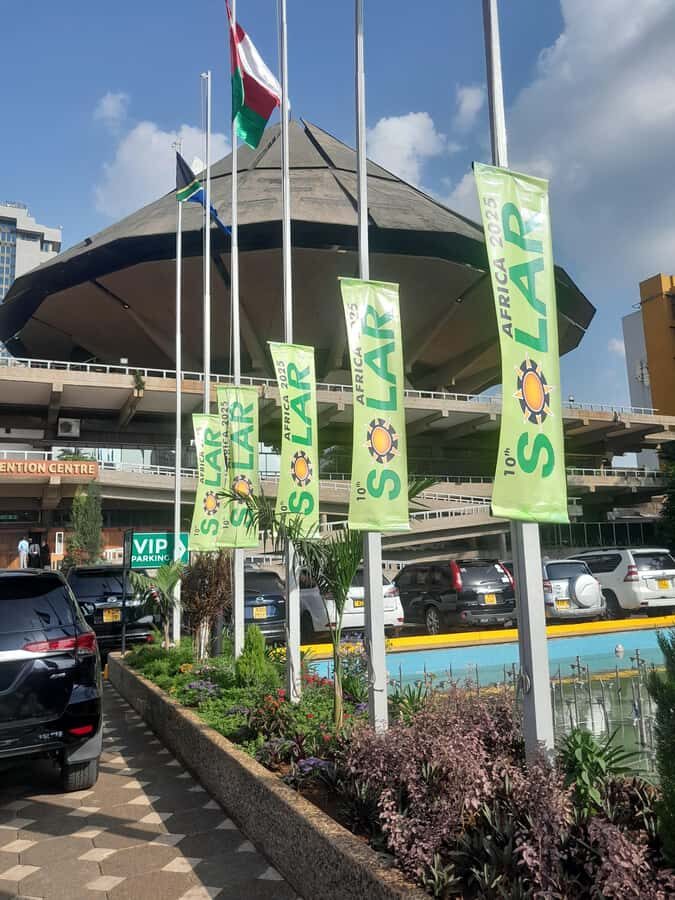
From there, the tour keeps tightening into the government-and-politics zone with photo stops and visits around major civic sites. You’ll have photo opportunities at the Nairobi Governor’s Office, pass by the Holy Family Basilica area for photos, and spend time around the Kenyatta International Convention Centre (KICC).
Then comes the big one: Parliament of Kenya. It’s a visit plus sightseeing time, so you’re not only photographing the outside. You’ll also stop at Kipande House, which adds another layer to the story of how identity, administration, and governance have played out in Nairobi over time.
Even if politics isn’t your main interest, this section is the heart of the tour. It’s where the guide’s explanations make sense of the buildings you’ve probably heard about, but never understood.
Religion, symbols, and the places people actually use
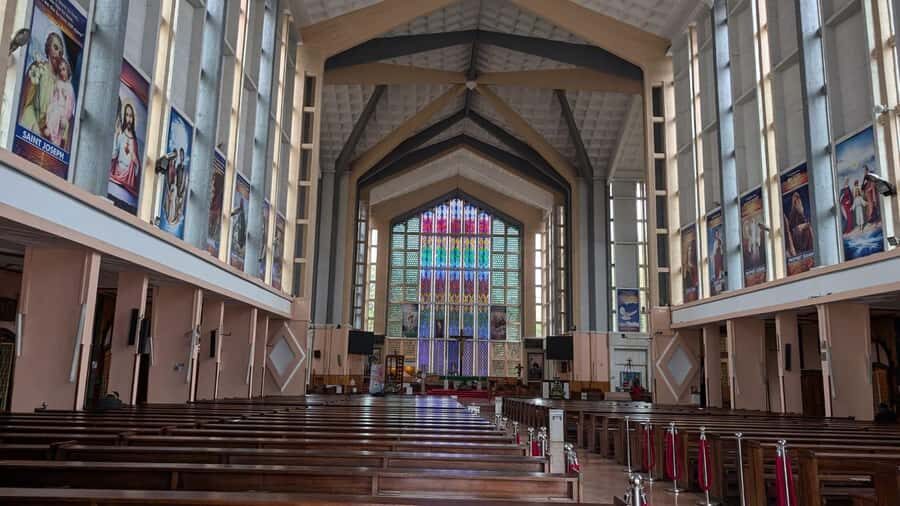
This walk also includes faith sites, and you’ll notice how they operate as community spaces, not just sights. Jamia Mosque is included with a photo stop and sightseeing time, and the Holy Family Basilica area is also part of the route for photos and viewing.
How to think about this section: don’t treat it like a checklist. It’s more like learning how Nairobi’s different communities share space—sometimes calmly, sometimes with noise and movement all around.
A quick heads-up for attitude: some spots here can feel busy and attention can come your way, especially near markets. A good guide helps keep your focus on the story, and that’s exactly what you’re paying for.
You can also read our reviews of more guided tours in Nairobi






Markets that teach you Nairobi’s daily rhythm

This is where the tour gets real in a way that no brochure can do. You’ll spend time at Gikomba Market, described as the largest second-hand clothing market, and also visit Muthurwa Market, a busy grocery hub.
Gikomba is the kind of place you understand instantly once you’re there: clothes, browsing, and the steady flow of people checking quality and price. It’s not fancy, and it doesn’t try to be. It’s practical, and it shows how people stretch resources and keep wardrobes moving.
Muthurwa Market adds the food-and-staples side. It’s a different scene, but the same idea: Nairobi markets run on energy and local knowledge. You’ll learn why these hubs matter and what they represent in everyday life.
You’ll also visit the Maasai Market and spend time at City Market, with photo stops plus sightseeing and shopping time at City Market. If you like buying small souvenirs or just watching how people interact while they shop, these stops deliver.
Nairobi Railway Museum, Electricity House, and Jivanjee Garden

Not every moment is about government or crowds. The tour also includes places that help you see Nairobi as a changing city with infrastructure and public spaces, not only institutions.
You’ll stop by the Nairobi Railway Museum, which gives you a window into how rail history shaped movement and trade. Electricity House and Jivanjee Garden add variety, breaking the walk into moments where you can slow down mentally even if you’re still moving physically.
These are the stops that make the tour feel balanced. You’re not stuck in only one theme. You get a sense of how the city developed and what kinds of public works show up in the middle of daily streets.
Nyamakima Matatu Stage and the Smoking Zone: loud culture, quick context
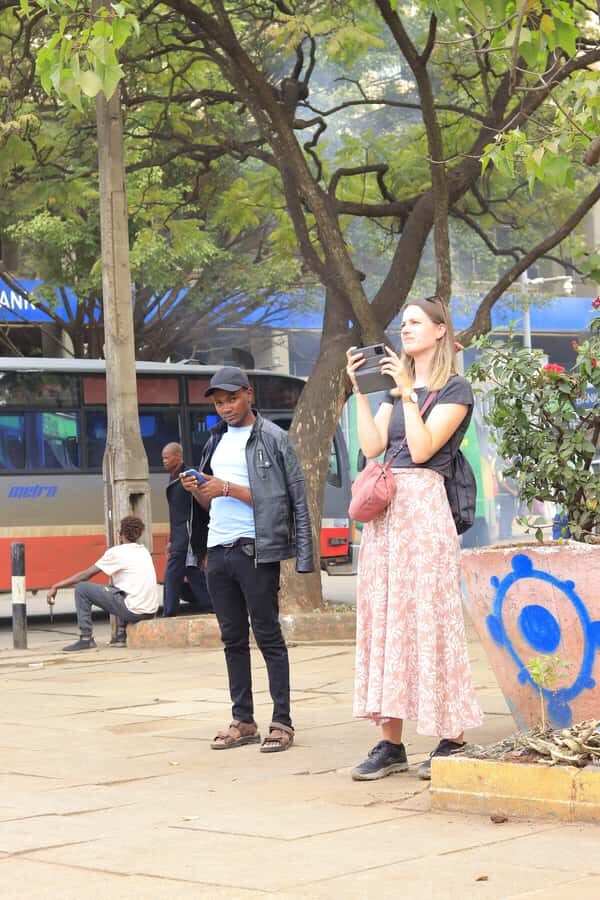
If you want to understand Nairobi’s movement, you need to understand matatus. The tour includes a stop at Nyamakima Matatu Stage, where you get time to experience and learn about matatu culture.
It’s usually energetic, and you may find the noise level surprising if you’re used to quieter streets. That’s part of the point. Matatus aren’t just transport here—they’re social space and identity, too.
You’ll also visit the Smoking Zone. This is one of those stops that can feel awkward depending on your comfort level, since it’s included as an actual viewing/visit moment rather than a passing reference. If you’re sensitive to smoke smells or prefer cleaner air around you, go in with that awareness.
The guide is the real upgrade: Williams, Ezequiel, Daniel, Ibrahim
This tour lives or dies by the guide’s storytelling, and the feedback around guides is consistently strong. Names like Williams, Ezequiel, Daniel, and Ibrahim show up with a clear theme: they explain history and culture in a way that feels clear and human.
Ezequiel gets praised for very strong Spanish, and Daniel is noted for passion and making curious details easy to follow. Ibrahim stands out not only for his insight into culture and traditions, but also for practical help—like assisting with booking an Uber back to the hotel.
There’s also an important service detail: when kids selling or begging attention becomes overwhelming, a good guide can step in and reduce that distraction. That kind of gentle boundary-setting can protect your focus, especially near market areas where interaction can happen fast.
Language can still be a consideration. The tour offers English, Spanish, and Swahili, but you should still expect that your experience depends on the guide assigned that day. If you want a specific language, plan to communicate clearly at the start.
Price and value: what $27 buys you in 150 minutes
At about $27 per person for roughly 150 minutes, the value comes from coverage, not just the walk itself. You’re paying for a guide who connects multiple categories of Nairobi in one route: government landmarks, faith sites, infrastructure spots, and major markets.
You also get a separate-entrance benefit at certain sights, plus a structured flow that keeps you from wandering blindly in an unfamiliar CBD. That’s time you save, and time has value, especially when you only have a half-day in Nairobi.
Meals and drinks aren’t included, so budget a snack or water you can buy yourself as needed. Also note that transportation to and from the starting point isn’t included, so your pickup is the main get-in/get-out plan.
In short: if you want a guided “Nairobi orientation plus shopping and culture stops” package, this price is in the sensible zone.
What to pack and how to make the walk easier
Come prepared for walking and sun. Comfortable shoes are non-negotiable here, and you’ll want water. Sun protection helps a lot since you’re outdoors across multiple city blocks.
If you plan to shop at Gikomba, Maasai Market, or City Market, keep your bag strategy simple. Bring only what you need, and keep essentials close since crowded market areas can attract attention.
And yes, you may encounter a lot of street motion. The guide’s job is to keep you moving safely and help you understand what you’re seeing, so don’t stress—just follow the pace.
Who this Nairobi walking tour is best for
This fits best if you’re:
- In Nairobi for a short stay and want Central Nairobi context fast
- Interested in how government, infrastructure, and markets connect
- Comfortable walking through busy areas and stepping into market energy
- Looking for guided explanations in English, Spanish, or Swahili
It might be less ideal if you:
- Want long, quiet time inside one museum or building
- Hate crowds and noise
- Prefer a car-based itinerary for most of the day
FAQ
What duration is the Nairobi hidden gems walking tour?
The tour lasts 150 minutes.
Where can pickup be arranged?
Pickup is available from Nairobi, Embakasi, Parklands, Westlands, and Kilimani.
What languages is the live guide available in?
The guide is available in English, Spanish, and Swahili.
Are meals included?
No. Meals and drinks are not included.
Is the tour wheelchair accessible?
Yes, the tour is wheelchair accessible.
Do I need to arrange transport to the start point?
Transportation to and from the starting point is not included, but pickup is included based on your selected meet-up area.
Should you book this Nairobi walking tour?
If you want a smart half-day introduction to Nairobi’s Central District—Parliament and policy buildings, plus real market life—this tour is a solid choice. It’s also a good fit when you care about learning the stories behind what you see, because the guide focus comes through strongly.
Just be honest with yourself about the pacing: you’ll see a lot, but you won’t linger everywhere. If that sounds like your style, book it and bring comfortable shoes—you’ll get your bearings fast.