REVIEW · NAIROBI
Nairobi city walking tour
Book on GetYourGuide →Operated by champs tours and adventure · Bookable on GetYourGuide
Nairobi on foot feels like a fast lesson in how a city works. This tour is a 3-hour walk in the central business district with real stops, practical context, and time to shop. I especially like the way the guide connects places to everyday life, and how Swahili basics help you talk to vendors at the markets. One thing to consider: it’s not wheelchair-friendly, and there’s walking involved from start to finish.
I also like that you don’t just “see buildings.” You get the stories behind them, including spots tied to Kenya’s colonial-era past and what Kenyans use now. With a guide like Michael, the tour earns strong praise for feeling safe and for sharing lots of specific history and facts.
Here’s what you can expect, stop by stop, plus how to judge whether this is a good match for your style of travel.
In This Review
- Key Highlights Worth Your Attention
- Why This 3-Hour Nairobi Walk Works for First-Timers
- Jeevanjee Gardens: The Smart Start Point
- McMillan Memorial Library: A Stop That Adds Meaning
- Colonial-Era Landmarks in Nairobi’s Center: What You’ll Learn on the Move
- Kipande House: Big Meaning, Clear Visual Impact
- Soldiers of War: Don’t Rush This One
- Nairobi Gallery and Time for Viewing
- Kenyatta International Conference Centre (KICC): The Break and the Sunset Moment
- Masai Market: Shopping That’s Built Into the Experience
- City Market and the Artifacts Moment
- Pace, Safety, and What to Bring
- Price and Value: What $17 Really Buys You
- Who This Tour Suits Best (and Who Should Skip It)
- Should You Book This Nairobi City Walking Tour?
- FAQ
- Where does the tour start and end?
- How long is the walking tour?
- What does the tour cost?
- What languages are used during the tour?
- What’s included in the tour price?
- What is not included?
- Is there a private group option?
- Is the tour suitable for wheelchair users or visually impaired people?
- What cancellation option do you have?
Key Highlights Worth Your Attention

- Michael-style guiding: a history-focused guide who keeps the group feeling safe
- Jeevanjee Gardens to KICC: a smooth central route with clear start and finish points
- Kipande House and Soldiers of War: landmarks with strong backstories and strong visuals
- KICC break + sunset timing: a set moment for views and a breather
- Market time for souvenirs: City Market and Maasai Market for shopping and photos
- English + Swahili support: you’ll learn some Swahili words for real-world use
Why This 3-Hour Nairobi Walk Works for First-Timers

At about $17 per person for three hours, this tour targets a sweet spot: long enough to learn the city’s logic, short enough that you’re not stuck rushing. You get a guided route through Nairobi’s center, with landmark stops and shopping breaks built in.
The biggest value here isn’t just the photos. It’s the framing. You’ll hear how Nairobi grew and how colonial-era structures were repurposed by Kenyans, which gives you a “why” behind what you’re seeing. That makes your self-guided time after the tour much easier.
You can also read our reviews of more walking tours in Nairobi



Jeevanjee Gardens: The Smart Start Point
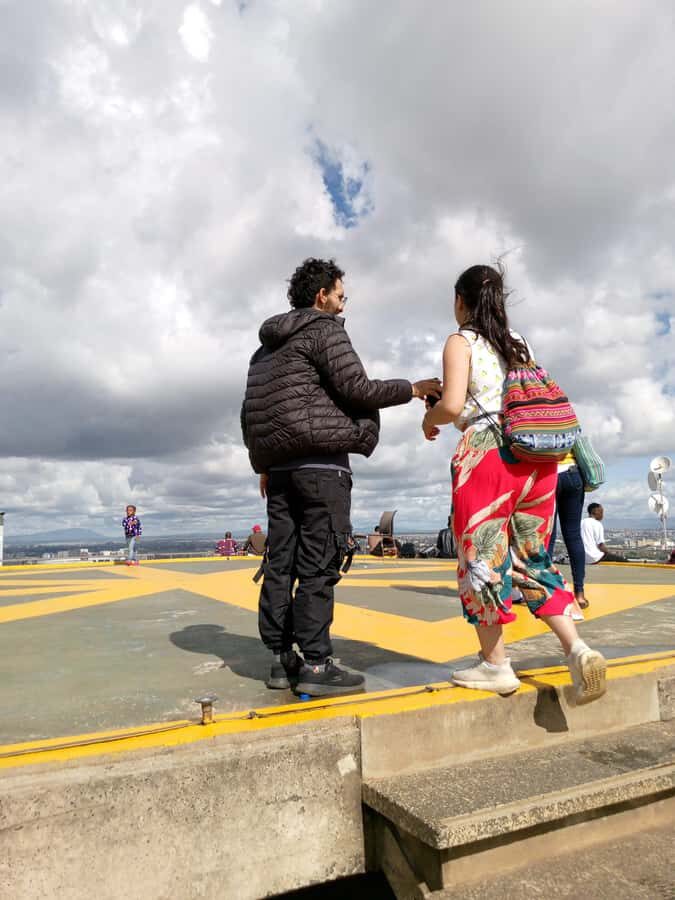
You meet at Jeevanjee Gardens, which is a good way to begin because it puts you right in Nairobi’s central flow. From there, you’ll start with context—Kenya’s story at a high level and how Nairobi became the capital—so the buildings you’ll see later make more sense.
Then you shift from orientation to walking. Your guide shows you land marks left behind by colonialists and explains what they became later. This is the kind of learning that sticks because you’re watching the evidence go by one block at a time.
Tip: wear comfortable shoes. This is a city-walk format, not a “sit and talk” format, so your feet will do the work.
McMillan Memorial Library: A Stop That Adds Meaning
One included highlight is McMillan Memorial Library. Even if you don’t spend ages inside, it’s the kind of place that signals “this is a civic space,” not just a sightseeing spot. It helps connect Nairobi’s center to education and public life, which is a theme your guide keeps coming back to.
I like this stop because it nudges you to see the city beyond politics and monuments. Libraries, galleries, and public buildings are part of how communities organize knowledge, identity, and daily culture.
Colonial-Era Landmarks in Nairobi’s Center: What You’ll Learn on the Move
A core part of the experience is walking through the CBD and hearing the history behind prominent buildings—especially the structures tied to colonial-era influence. The guide explains how these buildings were used then, and how Kenyans use them now.
This matters because it helps you interpret details you might otherwise miss. Instead of seeing “old architecture,” you understand what power, purpose, and change looked like over time. That makes your photos feel more grounded, and it helps you ask better questions later.
You’ll also get practical street-level learning: where the city’s energy concentrates, what tends to cluster around public spaces, and how markets fit into the urban rhythm.
Kipande House: Big Meaning, Clear Visual Impact
Kipande House is one of the featured stops, and it’s the kind of landmark that can hit hard visually once you know the background. Your guide ties it to Kenya’s past and explains why it’s remembered.
Even if you’re not a “history museum” person, you’ll probably appreciate this stop because it’s a real building in a working city. The story stays anchored to physical place, not just a story told in the abstract.
You can also read our reviews of more city tours in Nairobi




Soldiers of War: Don’t Rush This One

Another included highlight is Soldiers of War. This stop is worth slowing down for, especially for photos, because the design and location tend to stand out.
More importantly, it’s the kind of place where context changes your reaction. Without the explanation, you might see only memorial-style imagery. With the explanation, it becomes part of how Nairobi acknowledges conflict, service, and national memory.
If you like tours that mix emotional weight with factual detail, this is one of the best “turning points” on the route.
Nairobi Gallery and Time for Viewing
The route also includes Nairobi Gallery. In a short walking tour, a gallery stop can be tricky: either you get rushed or you miss the value. Here, you’re given a guided component, which helps you know what to look for without getting overwhelmed.
This is also a smart option if you want a cultural break from shopping and street scenes. A gallery gives you a chance to shift pace, even briefly.
Kenyatta International Conference Centre (KICC): The Break and the Sunset Moment
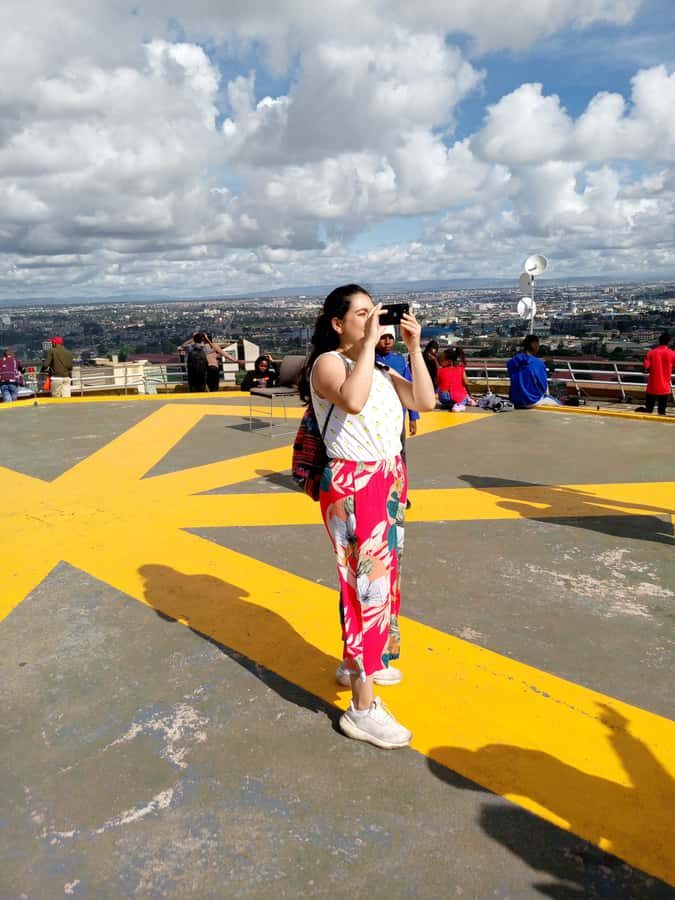
The tour’s endpoint is the top of Kenyatta International Conference Centre (KICC). Expect a break time, a guided visit, and free time, plus time set aside for sunset views (about 30 minutes).
This is a great payoff moment because the CBD looks different when the light changes. Even if you’ve only been on the street for a couple of hours, the skyline view helps you mentally zoom out. It’s also a natural pause after walking through multiple landmark stops.
Important budget note: there’s an entrance fee at KICC of 500 KSH that’s not included in the tour price. So bring a plan for that extra cost.
Masai Market: Shopping That’s Built Into the Experience
Your route includes Masai Market with a photo stop, a visit, guided time, shopping, and sightseeing, followed by passing by again. In other words, it’s not just “go browse and hope you like it.”
This is where you’ll likely use some of what you learned. Since the tour includes learning some Swahili words, you can try simple greetings or phrases while browsing. It makes the market feel less transactional and more human, especially when you’re talking to artisans.
For souvenirs, the best strategy is to go with a light plan:
- Decide what category you want first (small crafts, textiles, something wearable)
- Compare prices casually, not obsessively
- Buy what you genuinely like, because you’ll carry it
City Market and the Artifacts Moment
You’ll also have shopping time at the City Market, which is a highlight of the tour. This is the “souvenir and handmade goods” part of the day, and it’s ideal if you want something local rather than generic gifts.
The tour gives you a guided lead-in, then you get room to browse. That’s a better setup than a purely guided shopping push, because you can stop for what catches your eye.
One practical detail: the tour does not include bottled water, so plan to buy water before you hit the market phase or keep it within easy reach during the walk.
Pace, Safety, and What to Bring
This is a private group walking tour, and it’s designed for a straightforward route in the city center. In the strongest feedback, the guide is praised for making people feel safe, which is exactly what you want when you’re walking through busy areas.
What to bring:
- Comfortable walking shoes
- Sun protection (it’s Kenya, and central streets can feel exposed)
- A plan for KICC entrance (500 KSH) if you want to go up
- Extra money for shopping at the City Market and Masai Market
- A small energy snack, if you tend to get hungry on walks (not provided in the info)
What not to bring:
- Baby strollers (not allowed)
- Alcohol and drugs (not allowed)
- Crutches (not allowed)
Price and Value: What $17 Really Buys You
At $17 per person for 3 hours, you’re paying for three things: a local guide, multiple central stops, and structured time at markets. Given the scope—history context plus several landmarks plus KICC sunset viewing—this is good value if your travel style matches walking tours.
Where the price can change your total spending is outside the tour fee:
- KICC entrance fee: 500 KSH
- Shopping purchases
- Bottled water
So I’d judge the price like this: the tour cost is affordable, but you should still budget for the “real city costs” like water and attractions. If you like learning while moving and you want market time without planning your own route, $17 is a fair deal.
Who This Tour Suits Best (and Who Should Skip It)
This is a good match if you:
- Want a first look at Nairobi’s CBD without building a route yourself
- Enjoy guided history tied to real buildings, not just lecture-style talk
- Like markets for souvenirs and you want guidance while shopping
- Prefer a private group setup
It may not be ideal if you:
- Use a wheelchair (not suitable)
- Are visually impaired (not suitable)
- Need a stroller, crutches, or other mobility supports (not allowed items)
If you fall outside the listed limitations, this format can feel very efficient. You cover several major stops in a short time, and the payoff view from KICC is a strong way to end.
Should You Book This Nairobi City Walking Tour?
Book it if you want a clear, walkable route with a guide who can connect the city’s look to Kenya’s story—and you’re excited about a market-and-souvenirs segment. The strongest signal from the experience is the guide: people rate Michael highly for safety and for sharing a lot of specific Kenya/Nairobi history in a way that makes the landmarks make sense.
Skip it if you can’t do steady walking or you need accessibility accommodations, since it’s not suitable for wheelchair users and visually impaired people, and strollers/crutches are not allowed.
If your goal is a memorable, practical Nairobi introduction in only three hours, this tour is one of the better choices: structured, affordable, and focused on central sights with real shopping time.
FAQ
Where does the tour start and end?
The tour starts at Jeevanjee Gardens. It ends back at Jeevanjee Gardens after visiting Kenyatta International Conference Centre.
How long is the walking tour?
The duration is 3 hours.
What does the tour cost?
The price is $17 per person.
What languages are used during the tour?
The live guide speaks English and Swahili.
What’s included in the tour price?
Included items are city market, McMillan Memorial Library, a local guide, Kipande House, Soldiers of War, and Maasai Market.
What is not included?
Not included are bottled water and the entrance fee at KICC, which is 500 KSH.
Is there a private group option?
Yes, it’s listed as a private group.
Is the tour suitable for wheelchair users or visually impaired people?
No. It is not suitable for wheelchair users or visually impaired people.
What cancellation option do you have?
Free cancellation is available up to 24 hours in advance for a full refund.