REVIEW · NAIROBI
Nairobi; City Walk Tour
Book on GetYourGuide →Operated by XTREME REPUBLIC · Bookable on GetYourGuide
Skyscrapers, fossils, and trains in one walk. This Nairobi city walk mixes big city views with hands-on museum time—so you get context for Kenya’s capital in just a few hours.
I especially like the small-group setup (up to 10 people) and the fact that you have a live English guide guiding the whole route.
One thing to plan for: the ticket prices for the KICC rooftop, Nairobi Museum, and the Railway Museum are not included in the $22 tour price.
In This Review
- Key highlights worth your attention
- Nairobi’s KICC Rooftop: Your Big-Picture Orientation in 30 Minutes
- Nairobi Museum: Fossils, Crafts, and Why Kenya’s Story Spans Centuries
- Railway Museum: The Real-World Past Behind Kenya’s Movement
- Price and Logistics: How Much Value You’re Getting for $22
- Small-Group Walk in the CBD: Easier Questions, Better Flow
- What to Do With Your Time Inside Each Stop
- Who This Tour Fits Best (and Who Should Skip It)
- Should You Book This Nairobi City Walk Tour?
- FAQ
- How long is the Nairobi City Walk Tour?
- Where does the tour start and end?
- What are the main stops on the tour?
- Are entrance fees included in the $22 price?
- Is a guide included?
- Is the group size small?
- Do I need to bring any ID?
- Do you skip lines at the attractions?
- What’s the cancellation policy?
Key highlights worth your attention

- KICC rooftop panorama with a guided look at the skyline and surrounding hills
- Nairobi Museum with exhibits covering fossils, early human history, and wildlife conservation themes
- Railway Museum featuring vintage locomotives, carriages, and transport history
- Skip-the-line access via a separate entrance at included stops
- Small group limit (10), which usually means more time for questions
- Materials and practical guiding style noted in guide-focused feedback from past guests
Nairobi’s KICC Rooftop: Your Big-Picture Orientation in 30 Minutes

Your tour starts in Nairobi’s CBD area at International House, and the first major payoff comes fast: a skyline view from the Kenyatta International Convention Centre (KICC) rooftop. This stop is more than a photo break. It’s how the guide helps you read the city—where the action concentrates, how the skyline frames daily life, and how the city sits with the Ngong Hills in the background.
I like rooftop stops on city walks because they do something practical: they help you orient. Once you’ve seen Nairobi from above, street-level details make more sense. You’re not just moving from one building to another—you can start placing neighborhoods and major landmarks in your mind.
The KICC portion also tends to set the tone. Your guide explains Nairobi’s transformation and why the city became a hub for business, commerce, and diplomacy in East Africa. That matters because the rest of the tour isn’t just museum browsing. It’s a guided story connecting Nairobi’s present with what shaped Kenya before and beyond it.
One practical detail: the KICC rooftop has a separate entrance and you avoid waiting through general lines. That’s real value in a city where time can disappear fast, especially if you’ve got another plan later the same day.
You can also read our reviews of more walking tours in Nairobi

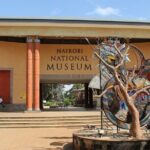

Nairobi Museum: Fossils, Crafts, and Why Kenya’s Story Spans Centuries

After the big view, the tour shifts indoors to Nairobi Museum, one of the best places to understand Kenya as more than a single headline. Here, you’ll see exhibits that cover natural history and Kenya’s cultural heritage—from prehistoric fossils to artifacts and even contemporary art and traditional crafts.
If you like learning with your eyes (not just listening), this stop delivers. You’ll move through galleries that highlight early human ancestors and the country’s role in human history. One standout you should look for is the famous fossil discovery Turkana Boy. Even if you’ve heard the name before, seeing how it’s presented here gives it a clearer sense of scale and importance.
The museum also connects history to the present in a way that feels useful for visitors. You’ll learn about wildlife conservation efforts and how Kenya’s natural world has shaped life and priorities over time. That connection matters because it helps explain why conservation shows up in so many Kenyan conversations—tourism, policy, community decisions, and long-term planning all link back to this theme.
Then there’s the cultural side. You’ll come across items like tribal masks and other crafted objects. Again, the value here isn’t just seeing objects—it’s understanding how different communities represent identity, spirituality, and tradition through art and materials. If you’re the type who wants to leave a museum with new mental “anchors,” this is the kind of stop that does that.
Do note the one drawback of any major museum: it can tempt you to speed up. The tour gives you guided structure, but it’s still a lot of content. If you’re the kind of visitor who wants to linger over every display, you might feel a little time pressure. For most first-timers, though, it’s a strong “overview with meaning,” not a rushed hit-and-run.
Railway Museum: The Real-World Past Behind Kenya’s Movement
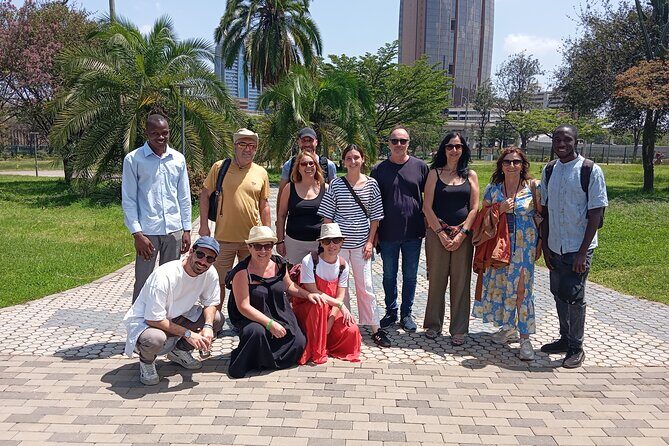
The final major stop is the Nairobi Railway Museum, focused on Kenya’s rail history. This is where the tour gets especially practical. People often think of rail as just transportation, but railways shaped where commerce grew, how goods moved, and how different regions connected.
Here you’ll see vintage locomotives, carriages, and railway artifacts. The museum presents engines and carriages in a way that helps you picture what travel and logistics looked like when rail was the backbone of long-distance movement.
What I like about this stop is the cause-and-effect framing. The guide explains how rail supported economic growth by linking regions. Once you hear that, the museum items stop being static displays. They become evidence of how Kenya’s development moved forward—literally on rails.
The “back in time” feeling can be strong in a place like this because locomotives have scale. They’re hard to forget once you’ve stood near them. If you’re a history fan, this stop gives you a change of pace after the museum galleries. If you’re not, it still works because it’s story-based and objects-based.
Also, since skip-the-line access is included via a separate entrance, you’re less likely to lose time to queues. That’s handy if you have dinner plans—or if you’re, say, heading toward the airport later the same day.
Price and Logistics: How Much Value You’re Getting for $22

Let’s do the math in plain terms.
The tour itself costs $22 per person and lasts about 270 minutes (around 4.5 hours). But the entrance fees for the main paid stops are not included. The additional tickets are listed as:
- Nairobi Museum: $15
- Railways Museum: $6
- KICC rooftop: $5
That means your total day cost is closer to $48 per person once you add entry fees, assuming you visit all included stops (which is the point of booking).
Is it worth it? In my view, yes—if you value guided context and you like a well-paced sampling of three different themes:
1) A skyline orientation from KICC
2) Natural history + culture at Nairobi Museum
3) Transport history at the Railway Museum
Where you get value is not only the guide, but also the saved time from the skip-the-line setup. For a 4.5-hour tour, that matters. You’re buying momentum.
The only “watch this” part is budgeting. If you’re trying to keep costs ultra-low, you’ll need to plan for those entrance fees up front. And because you’re time-limited, it’s smart to mentally choose what to focus on at each museum so you don’t feel like you’re trying to see everything.
Small-Group Walk in the CBD: Easier Questions, Better Flow
This tour is limited to 10 participants, and that small-group cap changes the feel of the day. You can actually ask questions, and you’re less likely to get stuck behind a crowd at viewpoints or while moving between sites.
You also have a live guide in English, and past feedback highlights a few things that matter in real life:
- Guides tend to come prepared with materials and a clear teaching style.
- Groups appreciated that the guide was pleasant and informative.
- In one case, a guide helped with practical timing when someone was rushing to catch an airport connection, including help arranging an Uber.
I don’t count on that for every booking, but I do see the pattern: the guide role here isn’t only giving facts. It’s also helping you manage the day so the tour fits your schedule.
One other helpful detail: you start and end at International House, with a central meeting point in the CBD. That’s convenient because it reduces “where do we go next?” stress.
You can also read our reviews of more city tours in Nairobi

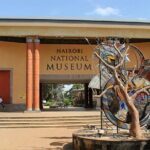


What to Do With Your Time Inside Each Stop

If you want to get the most out of this tour, here’s how I’d approach it as a visitor.
At KICC, don’t just scan the skyline. Pause and look for how the city spreads, then listen to how the guide frames Nairobi’s role in regional diplomacy and commerce. That’s the foundation for everything else.
At Nairobi Museum, pick two or three themes to anchor on:
- one exhibit tied to human origins (Turkana Boy is a strong anchor),
- one tied to wildlife conservation, and
- one cultural craft item you find visually striking (like masks).
At the Railway Museum, slow down just enough to notice how the museum presents locomotives and carriages. The value is in understanding rail as a system—movement, connections, and growth—not just individual objects.
This focus helps because the tour length is fixed. You’ll get plenty, but not endless.
Who This Tour Fits Best (and Who Should Skip It)
I’d recommend this Nairobi city walk if you:
- are a first-time visitor who wants a structured overview of Nairobi in about half a day,
- enjoy mixing city views with museum learning,
- want a small-group experience with a live English guide, and
- like practical history topics like transport networks (not only art or only fossils).
You might want to choose something else if:
- you have a very tight schedule and can’t handle a full 4.5-hour block plus museum entry time,
- you prefer free-choice museum time without a set route,
- you’re on a strict budget where added entrance fees stretch your daily plan.
Should You Book This Nairobi City Walk Tour?
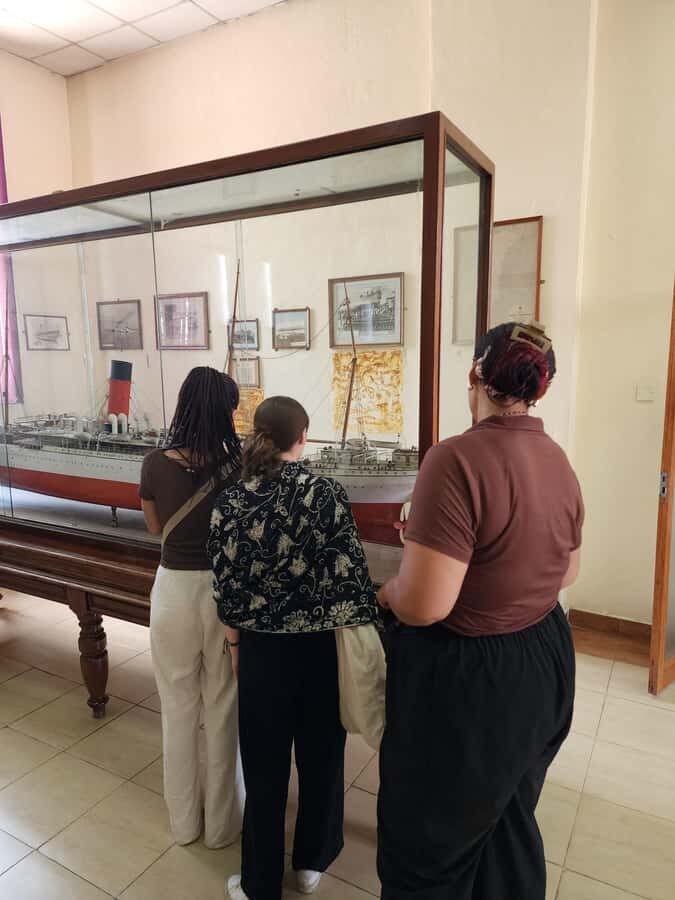
I think this is a smart booking for the right traveler. If you want Nairobi context without spending your whole day locked inside one place, this route gives you a balanced mix: KICC rooftop orientation, Nairobi Museum’s science-and-culture mix, and the Railway Museum’s transport story. The small group and skip-the-line setup help you keep the day moving.
Book it if you like guided interpretation and you’re okay budgeting for entrance fees on top of the $22 tour price. If you’d rather wander freely or you’re hoping to pay only the headline price, then this one may feel pricier than it looks.
FAQ

How long is the Nairobi City Walk Tour?
The duration is 270 minutes, which is about 4.5 hours.
Where does the tour start and end?
It starts at International House and returns to International House. There’s also a central meeting point in the CBD.
What are the main stops on the tour?
You’ll visit the KICC rooftop for a skyline view, Nairobi Museum, and the Nairobi Railway Museum.
Are entrance fees included in the $22 price?
No. The tour price does not include entrance fees: Nairobi Museum is $15, the Railways Museum is $6, and the KICC rooftop is $5 per person.
Is a guide included?
Yes. The tour includes a live guide in English.
Is the group size small?
Yes. The group is limited to 10 participants.
Do I need to bring any ID?
Yes. Bring a passport or ID card (a copy is accepted).
Do you skip lines at the attractions?
Yes. There is skip-the-line access through a separate entrance.
What’s the cancellation policy?
You can cancel up to 24 hours in advance for a full refund.