REVIEW · NAIROBI
Nairobi: Kibera Slum storytelling tour with a Local
Book on GetYourGuide →Operated by Visit Kibera Expeditions · Bookable on GetYourGuide
Kibera isn’t a stop; it’s a story. In Nairobi’s City of Hope, local guides like Elijah or Lucas guide you through unmarked lanes, show you Toi Market, and explain daily life beyond the headlines.
I love how personal the tour feels: you’re not hearing facts from far away—you’re hearing stories from people who grew up there. I also like the practical impact, with a visit to a Kibera school and community projects such as the Hope and Shine Kibera Centre.
One thing to think about: this is a walking tour on narrow, uneven streets and it needs good weather. It’s also marked as not suitable for people with back or heart problems.
In This Review
- Key things that make this Kibera storytelling tour worth your time
- Starting at Greenhouse Mall: where your Kibera walk begins
- The “City of Hope” walk: what the streets teach you
- Hope and Shine Kibera Centre: education and support in action
- Toi Market: where you see trade, style, and everyday needs
- A home visit: the most personal part (and where respect matters)
- School visit and how your ticket supports the community
- Safety, timing, and what to expect with afternoon or darker streets
- Price and value: why $20 can feel like a lot and a little
- What to pack and how to act (so the experience stays respectful)
- Who this Kibera storytelling tour is best for (and who should skip it)
- Tour provider and guide style: what helps make it work
- Should you book Kibera Slum storytelling with a local?
- FAQ
- FAQ
- Where do we meet for the Kibera storytelling tour?
- How long is the tour?
- Is this tour private?
- What language is the live guide?
- Is there an audio guide?
- How much does it cost?
- What places do you visit during the tour?
- Is shopping available?
- What is included in the price?
- Are there any rules or restrictions?
Key things that make this Kibera storytelling tour worth your time

- Local guides from Kibera sharing stories tied to their own lives, not stock descriptions
- Toi Market stop, the largest market in Kibera, plus chances to shop for small crafts
- Hope and Shine Kibera Centre visit focused on education and resident support
- A home visit for a real sense of space, routines, and community feel
- A Kibera school visit that turns your ticket into school support (some guidance says ~20%)
- Safety built into the experience, including staying with your guide through darker afternoon streets
Starting at Greenhouse Mall: where your Kibera walk begins
You meet at the entrance of Greenhouse Mall in Kilimani. If you’re early, there’s a bench near the fountain on the ground floor where you can wait without stress. This matters more than it sounds—having a clear, public meeting spot helps you start calm instead of wandering and guessing.
The tour runs for about 3 hours and is private for your group. You’ll have an English live guide on the walk, and an audio guide is included in French, Spanish, German, and Chinese. In practice, the guide’s storytelling is the main course, but the audio option is a nice backup if you want extra context in your preferred language.
You can also read our reviews of more tours and experiences in Nairobi.



The “City of Hope” walk: what the streets teach you
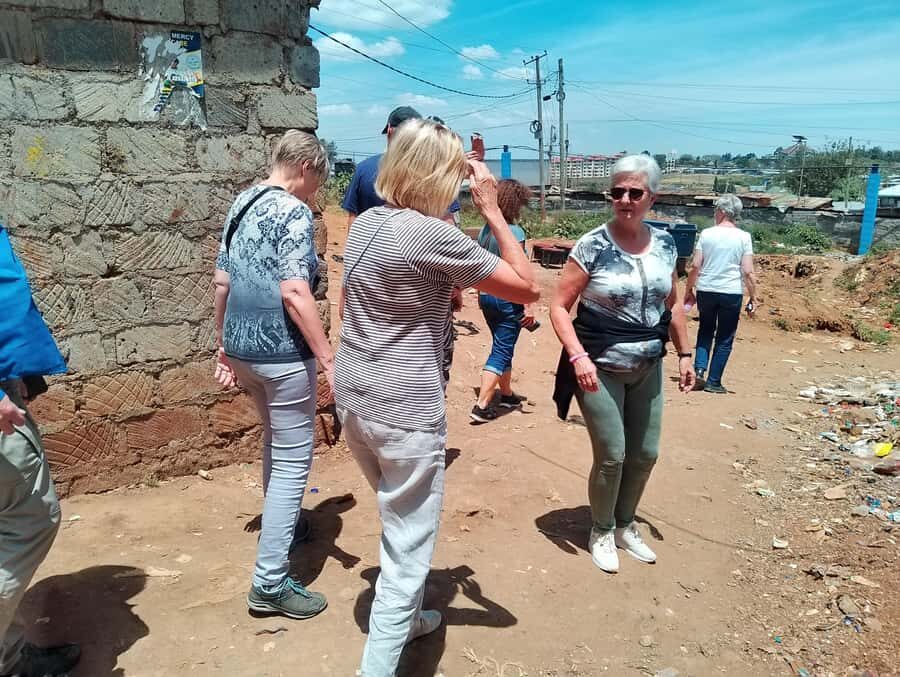
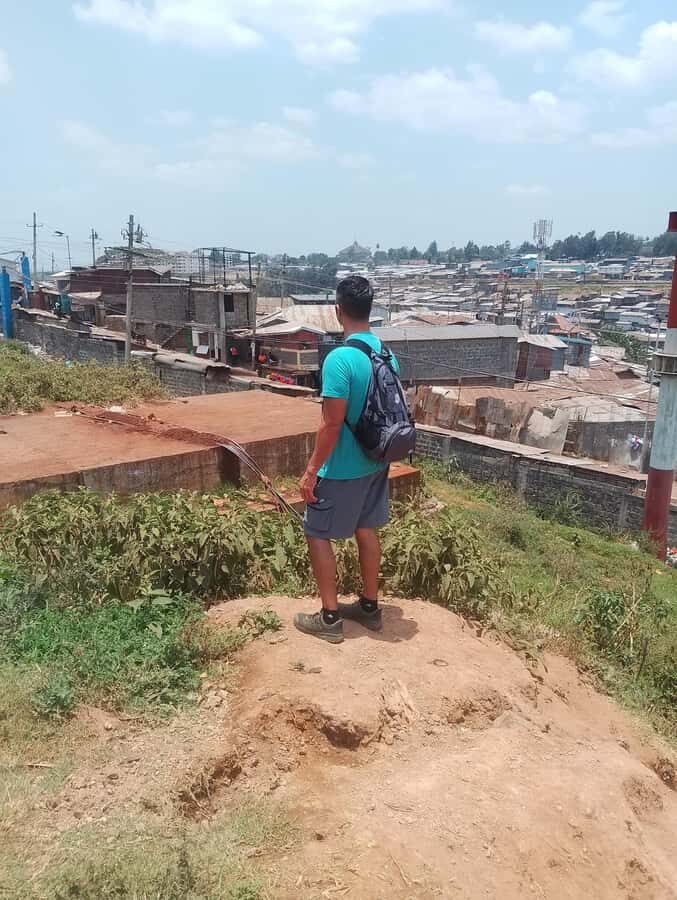
Kibera is East Africa’s largest informal settlement, and the tour is designed around walking the place—unmarked streets and narrow alleys included. Expect a route that feels like a maze because, well, it is. Your guide helps you read what you’re seeing: how people move through the area, where daily needs get handled, and how community life works when resources are limited.
This is where the tour earns its keep. A sightseeing bus can show you poverty. A guided walk shows you systems. You start noticing things like shared spaces, small services close to where people live, and the way neighbors support one another when government support is inconsistent.
Also, be prepared for a “real streets” experience. Even when the mood is welcoming, you’re still walking on ground that isn’t meant for tourists in clean sneakers. Bring shoes you can trust and clothes you don’t mind getting scuffed.
Hope and Shine Kibera Centre: education and support in action

One of the big stops is Hope and Shine Kibera Centre. The centre is described as a place that provides education and support to residents of Kibera, and it’s a key part of why people call this area the City of Hope. This isn’t just a feel-good photo stop. It’s where the tour’s message becomes concrete: hope shows up as classrooms, programs, and daily help.
In the same spirit, guides often explain how community-led initiatives grow over time—using local knowledge and local trust. You’ll likely hear why education is treated as a long-term solution, not a quick fix. It’s also the moment where your brain stops thinking in terms of statistics and starts thinking in terms of people and routines.
If you’re someone who doesn’t like “organized charity” vibes, you might still appreciate this stop because it feels community-shaped rather than performative.
Toi Market: where you see trade, style, and everyday needs

Next comes Toi Market, described as the largest market in Kibera. This is the place where the neighborhood shows you its practical side. You can see how goods move, how people shop, and how local makers sell what they can—often with items that make great souvenirs if you want something small and meaningful.
From the experience perspective, the market stop is also about listening. Your guide usually points out details about how the area functions: what people prioritize, what gets sold nearby, and why shopping here looks different than shopping in a mall.
Cash helps. Several visitors recommend bringing money for small purchases like beads and jewelry, especially items made by local groups. And if you do buy something, do it with the same respect you’d use at a craft market anywhere—ask questions, don’t rush, and enjoy the conversation.
A home visit: the most personal part (and where respect matters)
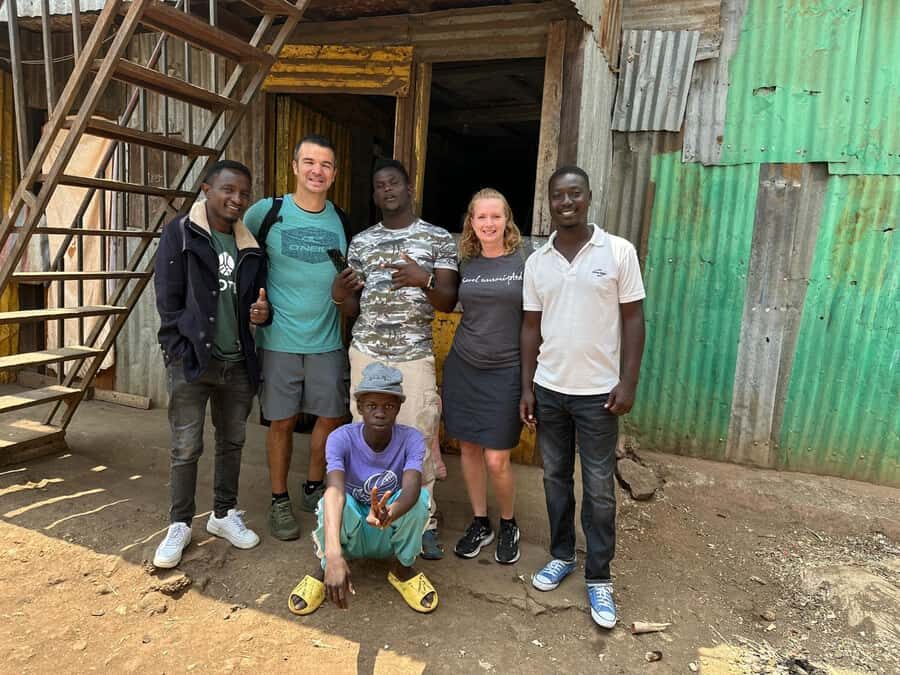
A highlight is the chance to visit a local home. This is one of those moments that can’t be faked. You get a sense of how families organize daily life in a tight footprint—where people spend time, how rooms work, and how community ties shape everything.
It can also be emotionally intense. The point isn’t to stare. It’s to understand. Guides often keep the tone respectful, and you’ll get context before you start taking pictures. Still, your best move is simple: ask before photographing people or inside spaces, and treat the visit like a conversation, not a show.
Many guides also bring family members into the story. Some tours include meeting a guide’s mother or being shown the home space with personal pride. That personal touch is exactly why this tour lands for so many people.


School visit and how your ticket supports the community
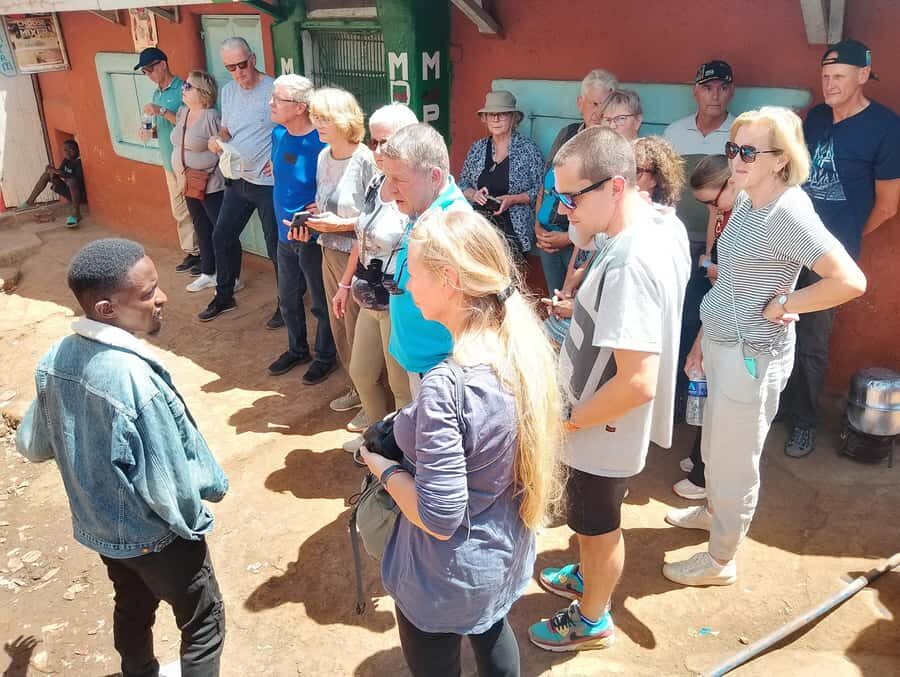
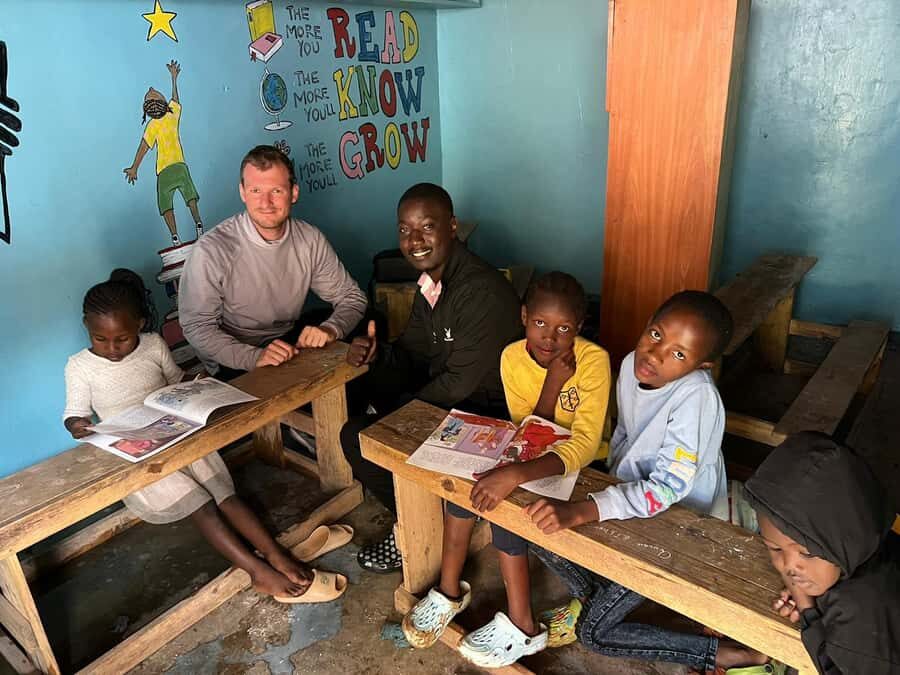
You also visit a Kibera school during the tour. The value here goes beyond “seeing a school.” You’re seeing a project that exists because people organized locally to support children and education.
In the guidance around the tour, some people note that a portion of ticket proceeds goes to the school—one figure shared is around 20%. Even if you don’t cling to exact percentages, the effect is clear: the tour isn’t just sightseeing. It helps keep education running and grows opportunities for kids who might otherwise be left out.
A school visit also changes your mental math. Instead of thinking Kibera equals hardship, you start thinking Kibera equals people building futures inside tough constraints. That shift is the heart of the tour.
Safety, timing, and what to expect with afternoon or darker streets
The tour includes safety throughout. In past experiences, many people report feeling safe even when part of the walk happened as it got dark—because the pace and route are controlled by the guide.
That said, this is still a walking tour in a real neighborhood. It’s not a “go at your own speed” type of plan. Listen to your guide, stay with the group, and don’t drift for better angles.
Timing also matters. The experience is listed as requiring good weather. If it’s canceled due to poor weather, you’re offered another date or a full refund. In rainy conditions, the streets can get slippery and the alleys feel even tighter, so I’d treat that weather requirement as part of your comfort plan, not fine print.
Price and value: why $20 can feel like a lot and a little
At $20 per group (listed as up to 1), this is priced as a low-cost, local-led activity. The best way to think about value isn’t just “cheap.” It’s where the money goes and what you get for it.
You’re paying for:
- a guide who lives the stories you’re hearing
- time spent walking places a map can’t explain
- visits that include Hope and Shine Kibera Centre and a Kibera school
- a safe, structured route through unmarked streets
If your Nairobi plan is mostly museums and viewpoints, this offers something totally different: a guided look at how people create support systems without much outside infrastructure. That perspective is rare, and it’s why the tour draws such strong ratings.
If you’re on a super tight budget, you might also consider this as your “one meaningful cultural stop” for the day—because it’s both educational and personally moving.
What to pack and how to act (so the experience stays respectful)
You can’t “brute force” a good experience here. A little preparation makes a big difference.
Practical tips based on what’s consistently recommended:
- Wear comfortable shoes that can handle uneven ground
- Dress in a way you don’t mind getting dusty or scuffed
- Bring small bills for market purchases like beads and jewelry
- If your guide suggests small gifts for kids, some visitors recommend things like biscuits or candy bags—but always ask first and follow your guide’s lead
And keep your photo habits kind. The tour includes the chance to take pictures, but the home visit only works if the relationship stays respectful.
Who this Kibera storytelling tour is best for (and who should skip it)
This tour is best if you want more than surface-level impressions. If you like meeting locals through direct conversation, and if you’re ready for real context about daily life in Nairobi, you’ll likely love it.
It’s also a good match if you care about education and community projects and want your money to support something you can actually see.
It’s not a fit if you have back problems or heart problems, since the experience involves walking through narrow areas and moving at neighborhood pace.
Tour provider and guide style: what helps make it work
The experience is run by Kibera Expeditions. What really powers the tour, though, is the guide team—people like Elijah, Lucas, Peter, and Effie, who are described as calm, kind, and deeply connected to Kibera.
A recurring theme from guide-led tours is responsiveness: they answer questions directly, explain context patiently, and keep visitors safe while still making the experience feel human. That balance—practical safety plus real storytelling—is hard to fake, and it’s exactly what you’re paying for.
Should you book Kibera Slum storytelling with a local?
If you want a meaningful Nairobi experience that doesn’t feel like a checklist, I’d book this. The combination of Toi Market, Hope and Shine Kibera Centre, a Kibera school visit, and a local home creates a full picture in just 3 hours—not because it’s “everything,” but because it’s the right mix of daily life, support systems, and personal stories.
Book it if:
- you want local voices and real context
- you’re comfortable with walking and close quarters
- you can travel in good weather
Skip it if:
- narrow streets and walking won’t work for your body
- you want a low-movement, hands-off sightseeing day
If you’re on the fence, here’s my simple test: if you care about learning how communities function from the inside, not just looking from the outside, this tour is the kind of Nairobi stop that stays with you.
FAQ
FAQ
Where do we meet for the Kibera storytelling tour?
You meet at the entrance of Greenhouse Mall in Kilimani. If you arrive earlier, there is a bench near the fountain on the ground floor where you can wait.
How long is the tour?
The tour lasts 3 hours.
Is this tour private?
Yes. It’s listed as a private group experience, so only your group participates.
What language is the live guide?
The live tour guide is English.
Is there an audio guide?
Yes. An audio guide is included in French, Spanish, German, and Chinese.
How much does it cost?
The price is listed as $20 per group, up to 1.
What places do you visit during the tour?
You visit Toi Market, the Hope and Shine Kibera Centre, a Kibera school, and a local home. The tour ends at Equity Bank Kibera.
Is shopping available?
Toi Market is part of the experience, so you’ll have a chance to shop while you’re there.
What is included in the price?
Included: all fees and taxes, safety throughout the tour, and a visit to a Kibera school.
Are there any rules or restrictions?
Smoking is not allowed. The experience is also marked as not suitable for people with back problems or heart problems.