REVIEW · NAIROBI
Nairobi City Guided Walking Tour
Book on Viator →Operated by Crabvince Tours · Bookable on Viator
A skyline view from Nairobi hits fast. This 2-hour guided walking tour strings together the city’s big political landmarks, independence-era statues, and a memorable rooftop look from the tallest building in Nairobi. I like the mix because you get both the sights and the meaning behind them, from public monuments to the 1998 US Embassy bombing memorial. Calvince (Crabvince Tours) keeps the pace moving and the explanations clear while you’re walking.
Two things I really like: first, the KICC rooftop view—this is the quickest way to get your bearings in Nairobi from above. Second, you get built-in context for what you’re seeing, including statues of Dedan Kimathi and Tom Mboya plus key national sites around the center of the city.
One consideration: the Maasai Market stop is a shopping zone, so if you dislike pushy sales and bargaining, you may find it a little stressful. If that’s you, I’d plan to shop smart—or skip the market crowd and look at other nearby shopping options like Langata Link or Spinners Web.
In This Review
- Key highlights at a glance
- Price and what you actually get for $40
- Meeting point to city center flow: starting where it’s easy
- Stop 1: Kenyatta International Conference Center and the KICC rooftop view
- Stop 2 and 3: Dedan Kimathi and Tom Mboya statues—independence in human scale
- Stop 4: National Archives from the outside—why it still matters
- Stop 5: Kipande Road and Kipande House—identity and growth made visible
- Stop 6: Maasai Market shopping time—with real guidance and a reality check
- Stop 7: Jamia Mosque—architecture plus community context
- Stop 8: August 7th Memorial Park—remembering the 1998 bombing
- Getting fed after the tour and getting back by Uber
- Who this walking tour suits best
- Should you book this Nairobi City Guided Walking Tour?
- FAQ
- How long is the Nairobi City Guided Walking Tour?
- How much does the tour cost?
- Is the KICC rooftop admission included?
- What’s the maximum group size?
- Where does the tour start and end?
- What’s included with the tour?
- Do I go inside the National Archives?
- Does the tour include the US Embassy bombing memorial?
- Is there a refund or change option if I cancel?
Key highlights at a glance
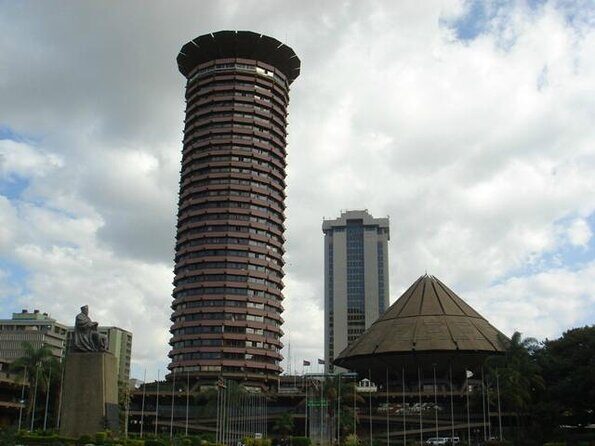
- Rooftop Nairobi views at KICC: Nairobi from above, plus the first-president statue area.
- Independence hero statues: Dedan Kimathi and Tom Mboya are covered with real context.
- Monuments you can’t really fake: Kipande Road/Kipande House and Jamia Mosque.
- Outside-only history stops: National Archives and August 7th Memorial Park are explored from the exterior.
- Shopping help that can save money: Maasai Market time with a guide focused on local pricing.
- Easy wrap-up: a recommended restaurant and an Uber back after the walk.
Price and what you actually get for $40

At $40 per person for about 2 hours, this tour is priced like a “first-day orientation” experience. You’re not just seeing random landmarks—you’re getting a guided route through major monuments, plus a rooftop viewpoint from KICC that helps you connect the dots.
One extra cost to factor in: the KICC admission ticket is $5 per person. That’s separate from the tour price, so think of the trip as $40 plus $5 for the rooftop if you want that aerial view.
What you do get included is practical: Wi‑Fi during the tour and a mobile ticket. Small details matter when you’re moving around central Nairobi—especially if you’re trying to coordinate phones for directions or quick translation apps.
Also note the scale. The group is capped at 8 travelers, which is big enough to keep energy up but small enough for questions to land.
You can also read our reviews of more walking tours in Nairobi


Meeting point to city center flow: starting where it’s easy

The tour starts at Globetrotter of Scandinavia Hilton Hotel, at City-Hall Way in Nairobi, and ends at City Market on Muindi Mbingu St in Starehe. It’s a logical route end point because you’re already close to common pickup zones—then your guide helps you get an Uber back to your hotel.
Why this matters: when you’re doing a short tour, the last thing you want is a complicated ending. Here, you finish at a central shopping/food area, and the guide doesn’t disappear after the last stop.
If you like to plan your day tightly, this route also works well as a morning or early afternoon activity. It’s short, and it gives you a map in your head for the rest of Nairobi.
Stop 1: Kenyatta International Conference Center and the KICC rooftop view

Your first big moment is at Kenyatta International Conference Center (KICC). This is where you see the statue of the first president of Kenya and—if you choose to pay the $5 admission—go up to the rooftop for an aerial view of Nairobi.
The payoff here is real: once you’re looking down from height, Nairobi starts to make sense. Streets, neighborhoods, and the “shape” of the city become easier to understand for the rest of your trip.
Two practical tips I’d give you:
- Bring a little patience for the rooftop part. Even with a short tour, climbing and entering can add a few minutes.
- Dress for sun and wind. Roof time is exposed, and Nairobi light can be strong.
This stop is also where timing can matter for views. Depending on when your tour runs, you may have the chance to catch sunrise or sunset conditions from above, which changes the whole feeling of the city.
Stop 2 and 3: Dedan Kimathi and Tom Mboya statues—independence in human scale
After the first skyline moment, you move to two independence-era national heroes, both focused on freedom and political change.
At the Dedan Kimathi Statue, you get a short stop (about 5 minutes) and learn why he’s considered a national hero—one of the people who helped Kenya fight for independence. This is a good “reset” after the rooftop because you’re back at human scale: statues, names, and the stories attached to them.
Then you stop at the Tom Mboya Statue. Here, the emphasis is on his role in independence through political action—specifically that he spoke at the congress hall to help Kenya reach independence. It’s a quick stop for photos, but the guide’s context makes it more than a selfie moment.
What I like about these statue stops is that they turn “history” into something you can point to while you walk. You aren’t just hearing names—you’re connecting them to specific monuments in the city.
Stop 4: National Archives from the outside—why it still matters

Next up is the National Archives. You only explore it from the outside, and entry is optional. That means you don’t need to plan your energy around extra queues or indoor time.
Still, this stop helps you understand Nairobi in a deeper way. National Archives is a national monument and a place where you get the documented history of Nairobi. Even without going inside, standing near the building gives you context for how the city preserves its story.
A quick decision rule for you: if you’re traveling with a tighter schedule, you’ll appreciate the outside-only approach. If you’re a history reader and want extra time, you might choose the optional inside visit—but the tour itself keeps moving.
You can also read our reviews of more guided tours in Nairobi






Stop 5: Kipande Road and Kipande House—identity and growth made visible
At Kipande Road, you’ll see Kipande House, another national monument tied to how Kenya grew as a country. This stop is brief, around 5 minutes, but it’s meaningful because it’s about more than politics—it’s about systems and identity.
This is one of those “small stop, big concept” moments. The building isn’t huge compared to the skyline pull of KICC, but the idea behind it adds a different layer to your understanding of national development.
If you like to take photos that help you remember a concept later, this is a good place to do it. The stop is short, so don’t let it pass without at least a couple of angles.
Stop 6: Maasai Market shopping time—with real guidance and a reality check

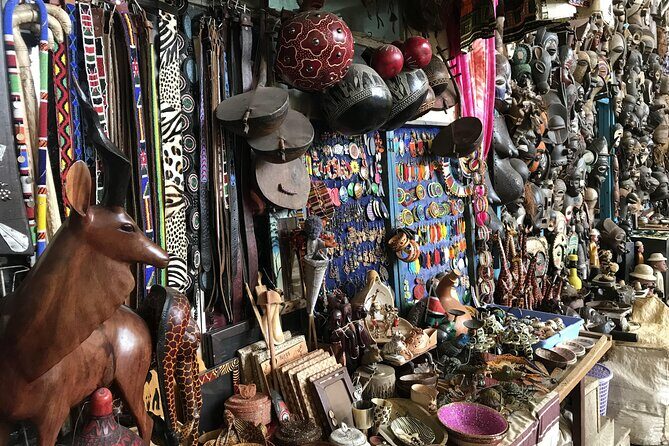
The walk ends at the Maasai Market after the monument stops, with about 30 minutes there. This is where you can buy African handcrafts, souvenirs, and other curios.
Here’s what makes this stop more valuable than a random market walk: your guide’s job is to help you get what you need at a local price. That usually means you’re not standing alone trying to guess what’s fair.
That said, I’ll be honest about the tradeoff. The market scene can feel intrusive if you’re not into constant attention or bargaining. If you want a calmer shopping experience, I’d keep your goals focused:
- Set a budget before you arrive.
- Decide what you want (small gifts, crafts, specific items) before the crowd intensity ramps up.
- Expect to bargain—and if you hate that, plan to limit your time.
If you do want alternatives for shopping (and a more relaxed vibe for food), consider Langata Link and Spinners Web. They came up as better options for souvenirs, and they’re also noted for coffee and lunch.
Stop 7: Jamia Mosque—architecture plus community context

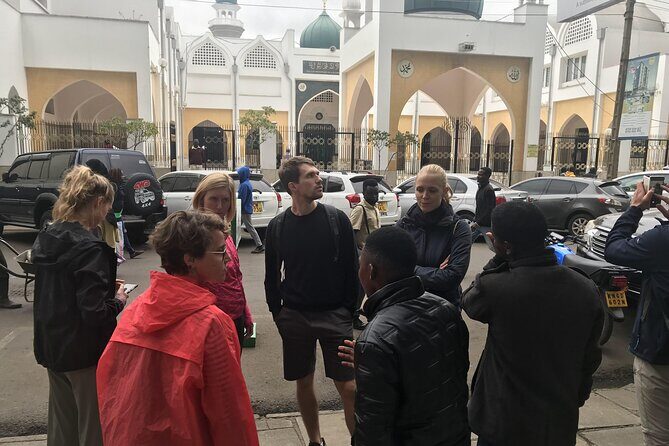
Next is Jamia Mosque, a national monument and the center of worship for the Muslim community in Nairobi. This stop runs about 10 minutes. You can see the mosque, take pictures, and learn more about what it represents.
Why it’s a strong stop: it adds balance to the tour. The earlier sites lean political and commemorative. Jamia Mosque brings in a different kind of Nairobi story—one tied to community life, faith, and public space.
Practical note: even if you’re just sightseeing, be respectful of how people are using the space. This is a worship center, not a theme park.
Stop 8: August 7th Memorial Park—remembering the 1998 bombing
The final monument is August 7th Memorial Park, connected to where the US Embassy was bombed in 1998. This is another outside-only stop (about 10 minutes), with time for photos.
This part of the tour matters because it moves from national heroes and government buildings into a shared, modern history that Nairobi carries. It’s not a long stop, but it’s a grounding one.
If you’re the type who likes to understand places beyond their appearance, pay attention to what the guide explains here. A memorial shouldn’t be treated like a backdrop—it’s more meaningful when you slow down just slightly.
Getting fed after the tour and getting back by Uber
When the tour ends at City Market, the guide recommends a restaurant for you. That’s a small service, but it helps a lot. Instead of wandering around hungry, you get a suggestion that fits the area you’re already in.
Then the guide makes sure you get an Uber back to your hotel. For a short walking tour, this is huge value. Nairobi traffic and pickup logistics can be tricky, and not having to figure it out alone is peace of mind.
Who this walking tour suits best
I think this tour is ideal if you want:
- A fast start to Nairobi with major landmarks covered in one go
- A guide who connects monuments to Kenya’s independence story
- A mix of viewpoints (rooftop) and street-level history (statues and memorials)
- A shopping stop where you’re guided so you can shop more confidently
You might skip or adjust expectations if you:
- Hate bargaining and don’t want any sales pressure (the Maasai Market stop can feel intense)
- Need lots of indoor time (National Archives is only outside unless you choose entry)
- Prefer longer guided time at fewer stops (this is designed to cover a lot quickly)
Should you book this Nairobi City Guided Walking Tour?
I’d book it if you’re aiming to get oriented fast and you like history that lives in public spaces. The strongest reason to choose it is the pairing of the KICC rooftop view with the independence monuments and key national sites. It’s a compact route that helps Nairobi click into place.
I wouldn’t book it blindly if you’re sensitive to shopping pressure. Go in with a plan for the market—or keep your spending limited, and consider Langata Link or Spinners Web instead for a calmer shopping break.
Bottom line: if you want an efficient, meaningful introduction to central Nairobi—with rooftop city views and practical help shopping and getting back—this one is worth your time.
FAQ
How long is the Nairobi City Guided Walking Tour?
It runs for about 2 hours.
How much does the tour cost?
The price is $40 per person.
Is the KICC rooftop admission included?
No. The KICC admission ticket costs $5 per person and is not included in the tour price.
What’s the maximum group size?
The tour has a maximum of 8 travelers.
Where does the tour start and end?
It starts at Globetrotter of Scandinavia Hilton Hotel (City-Hall Way, Nairobi) and ends at City Market on Muindi Mbingu St in Starehe.
What’s included with the tour?
Wi‑Fi is included, and you’ll receive a mobile ticket.
Do I go inside the National Archives?
You only explore the National Archives from the outside. Entry is optional.
Does the tour include the US Embassy bombing memorial?
Yes. You visit August 7th Memorial Park, where the US Embassy bombing in 1998 is connected, and you explore it from the outside.
Is there a refund or change option if I cancel?
No. This experience is non-refundable and cannot be changed for any reason.