REVIEW · NAIROBI
Maasai Mara 2-Day Safari Tour from Nairobi
Book on Viator →Operated by Karibu Safaris in Kenya · Bookable on Viator
A 2-day safari makes your time count. This route takes you from Nairobi to Maasai Mara with a round-trip transfer and then focuses on action with two game drives. I like that your meals and overnight stay are built in, so you’re not doing constant decision-making in the middle of the trip. One real drawback to plan for: the Mara needs time, and a tight schedule can mean fewer sightings than you’d get on a longer safari.
You also get the comfort of a small group (max 8) and a safari van pickup from your hotel or the airport, with a qualified driver-guide to handle the driving. I especially appreciate that the plan includes packed lunch and an early start on day two, since that’s when you want to be out searching. The trade-off is that any hiccup—road timing, check-in rhythm, or missed sighting windows—can shrink your time in the park.
In This Review
- Key Things I’d Focus On
- Why a 2-Day Maasai Mara Trip Works From Nairobi
- Getting There: The Rift Valley Drive and Narok Town Transfer
- Camp Arrival, Lunch, and How the First Game Drive Slot Usually Feels
- Afternoon Game Drive: Chasing Lions, Elephants, and the Big Five Energy
- Night at the Camp: Dinner, Overnight, and Resetting for the Mara’s Morning
- Day Two Early Morning Drive Through 8:30am
- Return to Nairobi by 4:00pm: What You’ll Actually Have Left
- Price and Value: What $450 Buys You (and What It Doesn’t)
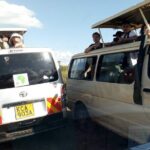
- Small-Group Safari Van: Comfort, Control, and Seeing More
- Food, Water, and the One Detail That Can Ruin the Day
- Who This Tour Suits Best (and Who Should Choose Longer)
- Should You Book This Maasai Mara 2-Day Tour?
- FAQ
- What time does the safari start?
- Where will you be picked up from?
- How many game drives are included?
- What meals are included in the price?
- Is bottled drinking water included?
- Is alcohol included?
Key Things I’d Focus On
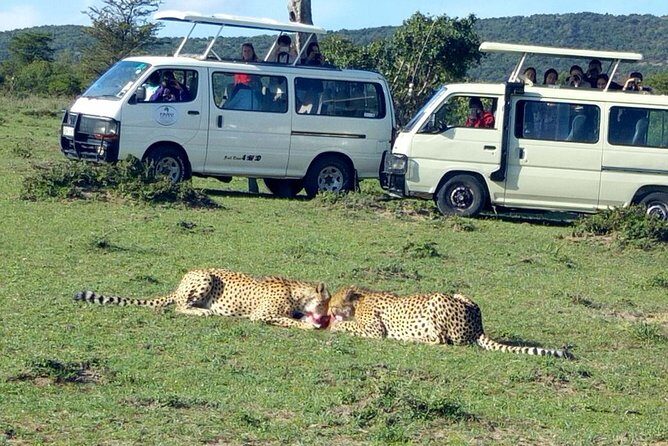
- Two game drives over two days, including an early morning session
- Round-trip transfer from Nairobi with transport by safari van
- Camp stay plus 3 meals (and coffee/tea), so budgeting stays simple
- Small-group limit of 8, which usually keeps the safari feel more personal
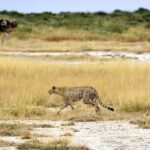
- Big Five targets (lion, elephant, buffalo, plus cheetah and other wildlife you may see)
Why a 2-Day Maasai Mara Trip Works From Nairobi
If you only have a short window, a 2-day Maasai Mara safari is a practical way to get the classic Kenya safari experience without turning your whole trip into a bus ride. You cover the distance with a direct transfer from Nairobi and then concentrate your time on game viewing instead of constant logistics.
The other reason I like this style is mental. When your plan is already mapped—park time, camp time, meals time—you can focus on the actual safari. You’re not spending energy comparing options each time you’re hungry or deciding where to sleep.
That said, I want you to know what you’re buying: a “best effort” safari in limited time, not a full, slow, all-day wildlife immersion. Maasai Mara is huge, animals roam, and sightings are never guaranteed.
A few more Nairobi tours and experiences worth a look
Getting There: The Rift Valley Drive and Narok Town Transfer
Day one begins with a morning pickup from your Nairobi hotel or the airport, with the tour starting at 8:00am. Then you drive through the Great African Rift Valley and stop along the way via Narok Town before arriving in time for lunch at the camp.
This drive matters more than you might think. It’s the stretch where you’ll notice the scenery changing and your route “sets the tone” for the safari. The Rift Valley scenery is the kind of background drama that makes you feel like you’re moving toward something special.
Practical tip: during this kind of transfer, you’ll enjoy the day more if you travel light and keep essentials easy to reach. You’ll likely be settling in, eating, and then heading back out for the afternoon game drive.
Camp Arrival, Lunch, and How the First Game Drive Slot Usually Feels
You arrive in time for lunch, check in at the camp, eat, and then head out in the afternoon for your first game drive. That sequence is smart for time-limited travelers: it avoids the worst-case scenario of arriving too late to start viewing.
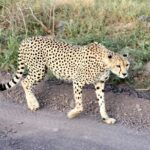
After lunch, you’ll typically have a short window to get settled—rooms, showers if available, and getting your gear ready. Then the main work starts: scanning for lion, cheetah, elephant, buffalo, and other big names.
Here’s the drawback to keep in mind. Afternoons can be great for animal activity, but the light is different and animals sometimes linger in cover. If you’re hoping for “best light” photography, you’ll likely get better results on the early morning drive on day two.
Afternoon Game Drive: Chasing Lions, Elephants, and the Big Five Energy
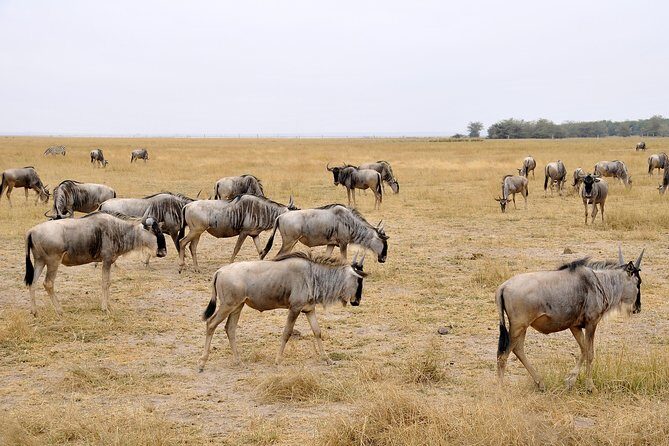
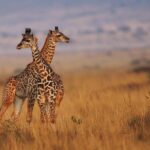
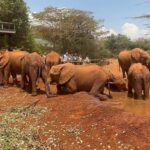
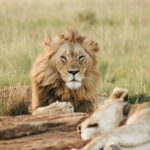
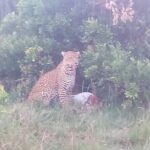
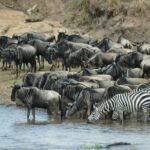
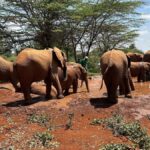
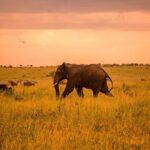
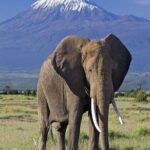
The plan is built around hunting for the African Big Five categories: lion, elephant, buffalo, and the other target species included in the itinerary focus. Even with that goal, the Mara can be unpredictable, and the best sightings often depend on where the animals are that day.
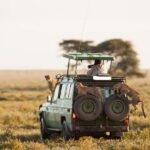
Your safari van game drive is the core of the experience, and it’s where the value shows. You’re paying for organized park access plus driving and guiding, not just a car transfer. When it’s working well, the driver-guide helps you read the landscape—where animals likely move, what signs might mean, and how to position your vehicle for safer viewing.
One caution from a real-world example: in at least one past experience, bottled water wasn’t delivered as described, and the guide reportedly said he didn’t carry waters. That’s not something you should ignore. Even if bottled water is listed as included, I’d still bring your own bottle(s) for peace of mind.
Night at the Camp: Dinner, Overnight, and Resetting for the Mara’s Morning
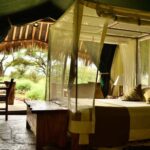
After the afternoon drive, you’ll have dinner and then overnight at the camp. This overnight stop is key. Without it, you’d be making the drive twice in a rush, and you’d likely lose your best viewing window.
Sleeping in camp also changes your timing on day two. You’ll do an early breakfast, then move straight into the next push—checkout, packed lunch, and another game drive through the early morning hours.
What I like about this rhythm is that it protects the safari mood. You’re not dragging your day into the night or spending time searching for dinner. You’re eating, resting, and then getting back out quickly when wildlife activity tends to be strong.
A few more Nairobi tours and experiences worth a look
Day Two Early Morning Drive Through 8:30am
Day two starts with breakfast, then checkout and a packed lunch. The morning game drive runs until 8:30am, and you’ll continue searching during that window before heading back toward Nairobi.
This early schedule is the reason short safaris can still feel worthwhile. Dawn and the early morning stretch often give you a better chance at activity, clearer visibility, and animals that haven’t yet retreated from the day’s heat.
If you want to maximize what you see, this is when you pay attention and keep your posture ready. Have your phone/camera charged. Keep a lens cloth handy. And if you feel like you’re waiting, remember waiting is part of safari math.
At the end of the morning drive, you’ll eat lunch on the way back and then arrive in Nairobi around 4:00pm, dropped at your hotel.
Return to Nairobi by 4:00pm: What You’ll Actually Have Left
The plan includes lunch on the return trip and hotel drop-off in the evening, around 4:00pm. For many people, that timing is the best part of a 2-day trip: you still get a real finish to your safari day rather than stumbling back at midnight.
When I travel this way, I like to keep the next day light. Even if you’re not exhausted, the mental loop of “did we see everything?” can linger. A slower schedule helps you enjoy the photos and process what you saw.
Also, because the day ends fairly early, you can sometimes rejoin real life—laundry, a simple dinner, or just a shower that doesn’t involve “camp life.”
Price and Value: What $450 Buys You (and What It Doesn’t)
At $450 per person, you’re paying for more than a car to the park. Your included items are the heart of the value equation:
- park fees
- transport by safari van
- accommodation at the camp
- 3 meals a day
- bottled drinking water
- coffee/tea
- two game drives
- services of a qualified driver-guide
That matters because Maasai Mara add-ons add up fast if you’re doing it piecemeal. Here, you avoid the “surprise bills” that can turn a $X estimate into a $XX reality.
What you don’t get: alcoholic drinks, which are available to purchase. That’s pretty standard, but it’s worth planning for if you like to unwind with a beer after dinner.
The one price reality to accept: in only 2 days, you’re not buying guaranteed wildlife. You’re buying access, planned driving time, and a realistic shot at seeing major species if luck and animal movement cooperate.
Small-Group Safari Van: Comfort, Control, and Seeing More
This tour caps the group at 8 travelers. That’s a big deal on safari. Fewer people usually means:
- less time wasted with stop-and-start boarding
- a smoother flow when searching for wildlife
- a more flexible feel if the guide needs to adjust positioning
Your driver-guide handles the driving and interpretation. When the guiding is strong, you learn to spot patterns—where tracks might lead, how animals respond to vehicles, and how the terrain influences movement.
And yes, timing is everything. In a short safari, if you lose a chunk of park time to logistics or pacing, you feel it immediately. The schedule is built to use your daylight well—one afternoon drive and one morning drive—so try to show up ready at the start.
Food, Water, and the One Detail That Can Ruin the Day
Meals are included: breakfast, lunch, and dinner, plus coffee/tea. That’s genuinely helpful. Safari days can drain you, and hunger makes it harder to enjoy the quiet moments when wildlife finally shows.
Bottled water is also listed as included, and bottled water is one of those “small” items that actually controls the whole day comfort level. Because there was a reported case where bottled water wasn’t provided and the guide reportedly didn’t carry waters, I strongly suggest bringing your own backup bottle(s) too. It doesn’t mean the whole trip fails—it means you protect your experience.
If you have dietary requirements, the tour asks you to advise at booking. That’s important. Since meals are part of the package, telling them up front gives you the best shot at getting what you need.
Who This Tour Suits Best (and Who Should Choose Longer)
This 2-day Maasai Mara safari from Nairobi fits best if you:
- have limited time but want the real safari experience
- like the structure of pickups, camp stay, and planned game drives
- want two solid wildlife-search windows instead of trying to DIY everything
It’s less ideal if you:
- want long hours in the park and a slower pace
- get easily frustrated by the randomness of wildlife sightings
- need very consistent, uninterrupted game drive time (because short safaris can feel tight)
If you’re the kind of traveler who counts every minute as “wasted” when animals aren’t visible, you may find the total park time feels short compared to longer itineraries.
Should You Book This Maasai Mara 2-Day Tour?
I think you should book if you want a structured, small-group safari that makes good use of limited time, with camp stay, meals, and two game drives already handled. The price includes major costs like park fees and accommodation, which helps you control your budget.
I’d be careful before booking if you’re the type who needs flawless service details. A past experience included missing bottled water and complaints about the guide’s approach, and that’s the kind of issue that can sour the whole trip fast. If you book, protect yourself: bring your own water backup, pack essentials for quick wildlife viewing, and set your expectations for a 2-day “chance to see” safari rather than a checklist guarantee.
If you’re ready for a short, high-energy safari with strong planning and an element of wild unpredictability, this is a solid way to hit Maasai Mara without sacrificing your Nairobi schedule.
FAQ
What time does the safari start?
The tour starts at 8:00am.
Where will you be picked up from?
Pickup is offered from your Nairobi hotel or from the airport.
How many game drives are included?
You’ll have two game drives included—an afternoon drive on day one and a morning drive on day two (until 8:30am).
What meals are included in the price?
Breakfast, lunch, and dinner are included, along with coffee and/or tea.
Is bottled drinking water included?
Bottled drinking water is listed as included.
Is alcohol included?
No. Alcoholic drinks are not included, but they are available to purchase.