REVIEW · NAIROBI
Nairobi: Volunteer at KCOOP Children’s Centre in Kibera Slum
Book on GetYourGuide →Operated by OAC Kenya Tours · Bookable on GetYourGuide
Kibera volunteering is hands-on, not sightseeing. In a single day with KCOOP Children’s Centre, you get community-led support and real time with kids, in a safe space where food, education, and play matter every day. The best part is how practical it feels: you’re not just visiting, you’re helping with the feeding program and classroom-style support.
I like that KCOOP is rooted in local community care, not a distant charity model. I also like that you can show up with no special training and still contribute, from serving snacks to reading or tutoring basic literacy and math. One consideration: this isn’t a soft, tourist-friendly experience, and you should be emotionally prepared for the reality of children growing up in Kibera.
In This Review
- Key things to know before you go to KCOOP in Kibera
- Kibera Community Outreach Project: what this centre actually does
- Getting oriented at the KCOOP office and meeting the team
- The feeding program: where your help turns into immediate support
- Games, storytelling, and singing: the fun part that matters
- Tutoring basics: reading and math support without needing special training
- Assisting staff with educational and creative sessions
- Learning about daily life in Kibera: challenges and resilience
- Price and value: is $35 fair for what you’re supporting?
- What to bring and how to dress for a day with kids
- How long should you volunteer: 3 hours or several weeks?
- Who this volunteering experience is best for
- Should you book this KCOOP volunteering day through OAC Kenya Tours?
- FAQ
- How much does the Nairobi volunteer experience at KCOOP Children’s Centre cost?
- What will I do during the volunteer day?
- Where is the activity located and what language is used?
- What should I bring?
- Is the program suitable for long stays, and what is included for long-term volunteers?
- How does booking and cancellation work?
Key things to know before you go to KCOOP in Kibera

- A safe space run from Kibera: KCOOP Children’s Centre is a care hub for needy children to learn, play, and get support.
- Hands-on help during feeding and activities: you can serve food or snacks and join games like drawing, storytelling, and singing.
- Learning basics with real needs: you may support basic literacy or math through reading and simple tutoring.
- Your help supports a small, growing nonprofit: KCOOP (Kibera Community Outreach Project) was founded and registered in 2022.
- Flexible volunteering options: you can volunteer for 3 hours or longer, and there’s even a virtual option for fundraising or grant writing.
- You’ll learn from people who live it: you’ll hear about daily life in Kibera, including challenges and resilience.
Kibera Community Outreach Project: what this centre actually does
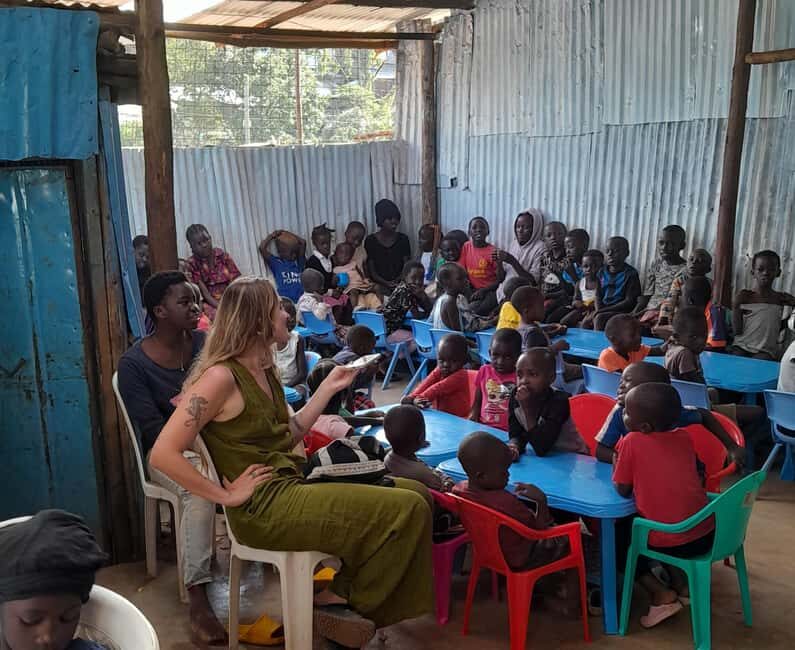
KCOOP stands for Kibera Community Outreach Project, and it’s a nonprofit connected directly to the Kibera area of Nairobi. The centre’s mission is simple and urgent: provide a safe space where orphans and vulnerable children can learn, play, and receive care.
What I like about this setup is that it’s not a vague promise. The day is structured around things children need on a daily basis: food, education support, and time for fun. That mix matters. In many volunteer trips, you end up doing mostly “activities.” Here, the emphasis is on the day-to-day rhythm—helping in the feeding program and supporting learning and creative sessions alongside the KCOOP team.
There’s also a strong signal of local ownership. KCOOP is led by community members, founded and registered in 2022, and the organization is actively seeking partners, including other social enterprises and nonprofits. The goal is expansion: more support for more vulnerable children, without losing the community foundation.
If you’re coming to Nairobi hoping for a meaningful experience with less performance and more purpose, this is the kind of program that tends to feel grounded.
You can also read our reviews of more tours and experiences in Nairobi.



Getting oriented at the KCOOP office and meeting the team
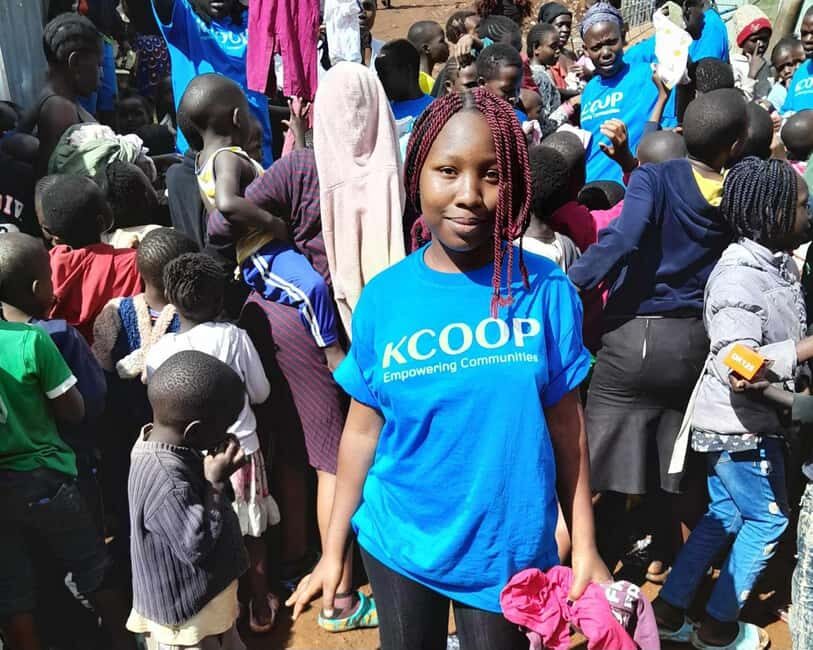
Your experience starts with a welcome and orientation at the KCOOP Organization office. From there, you’ll interact with the KCOOP team members and get a sense of what matters most for the children that day.
This orientation piece is more important than it sounds. When you’re working in a small centre, having context helps you avoid the two common mistakes: arriving excited but unsure where you fit, or guessing what children need. Orientation is how you figure out your role—whether that’s food support, games, reading support, or helping staff organize sessions.
The experience provider is OAC Kenya Tours, and the meeting point is coordinated by WhatsApp (you can call or text to connect). The session ends back at the meeting point, so you’re not left figuring out logistics on your own once the day starts.
English is the working language, which makes communication straightforward for most visitors. If you’re comfortable speaking English and you’re open to learning through doing, you’ll likely settle into the day quickly.
The feeding program: where your help turns into immediate support
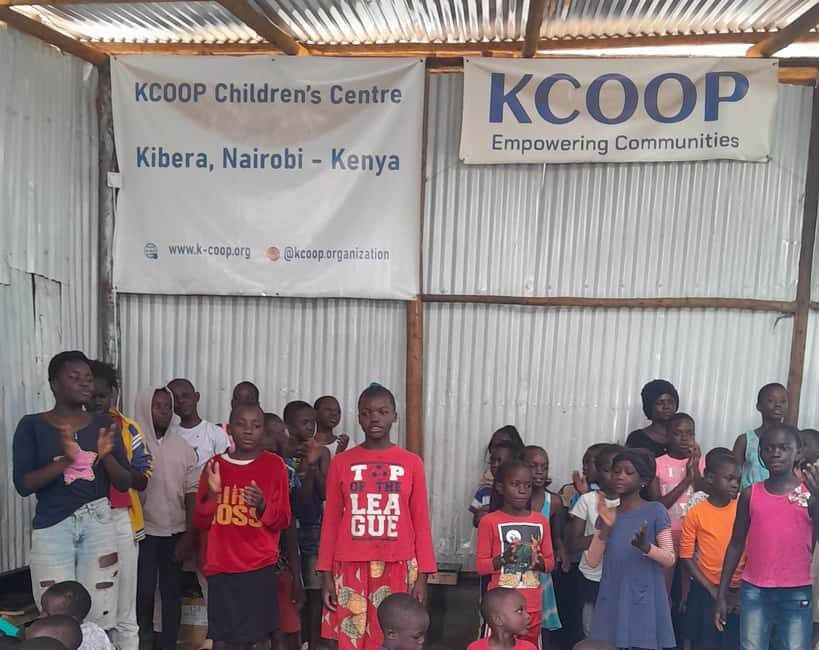
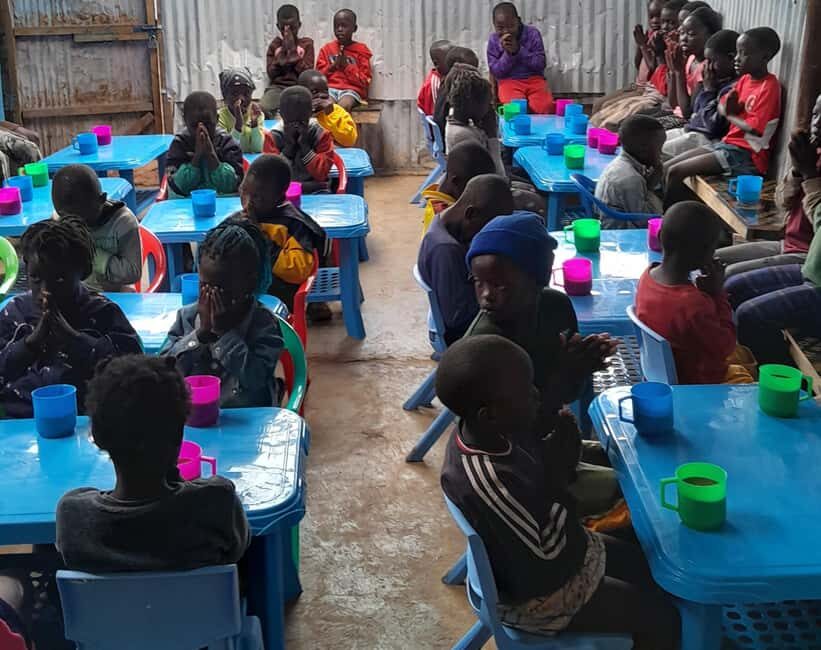
A big part of what you’ll do centers on the feeding program—serving food or snacks. Even if you’ve never worked in childcare before, this is one of the most practical ways to contribute. It’s action-based, clear, and directly connected to children’s needs.
Here’s how to think about it: serving food isn’t just about the meal. It’s also about routine, dignity, and social connection. When children expect to eat and learn in the same safe space, the centre becomes more than a place to pass time. Your role helps keep that routine going.
You should show up with comfortable shoes and be ready for a hands-on day. The practical details matter because when you’re standing, moving, and working around children, small discomforts become big distractions.
Also, bring sunscreen and water. Nairobi sun can be intense, and even if you’re not outside for long stretches, you’ll be moving enough to notice the heat.
Games, storytelling, and singing: the fun part that matters
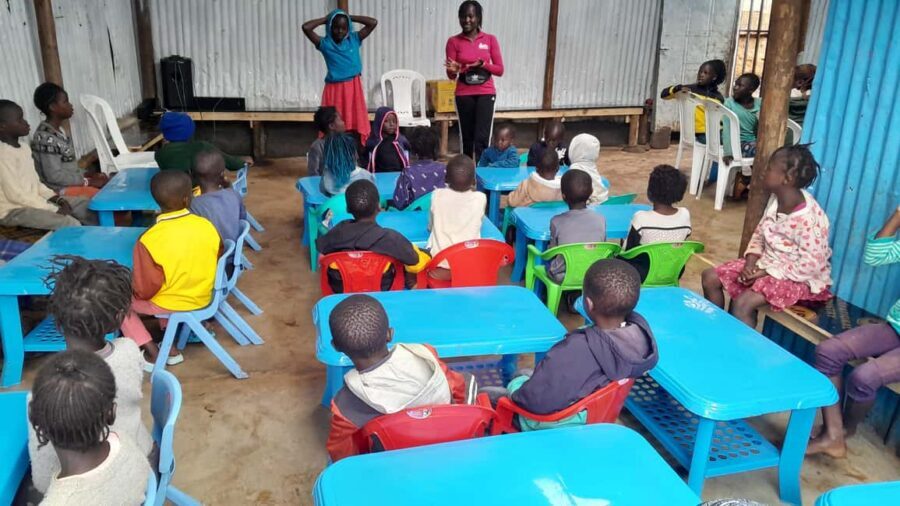
Volunteering here isn’t only about helping with tasks. You’ll also engage children in fun activities like drawing, storytelling, and singing.
This is one of the most praised parts of the experience, and it makes sense. Children respond to play—especially in a setting where they may not have many safe, consistent opportunities. When you sit down for drawing or join a storytelling moment, you’re doing something that feels simple but carries a lot of emotional weight.
If you’re an extrovert, you might find it easy to jump into games. If you’re more quiet, you can still participate. In a centre like KCOOP, what helps most is patience and attention—showing up with a calm presence and letting kids lead the interaction style.
One practical tip: if you’re worried about not knowing what to say, you don’t have to turn every moment into a performance. Let the children set the pace, and focus on helping the activity move forward.
The goal isn’t to “entertain.” It’s to share time in a safe, structured way.
Tutoring basics: reading and math support without needing special training
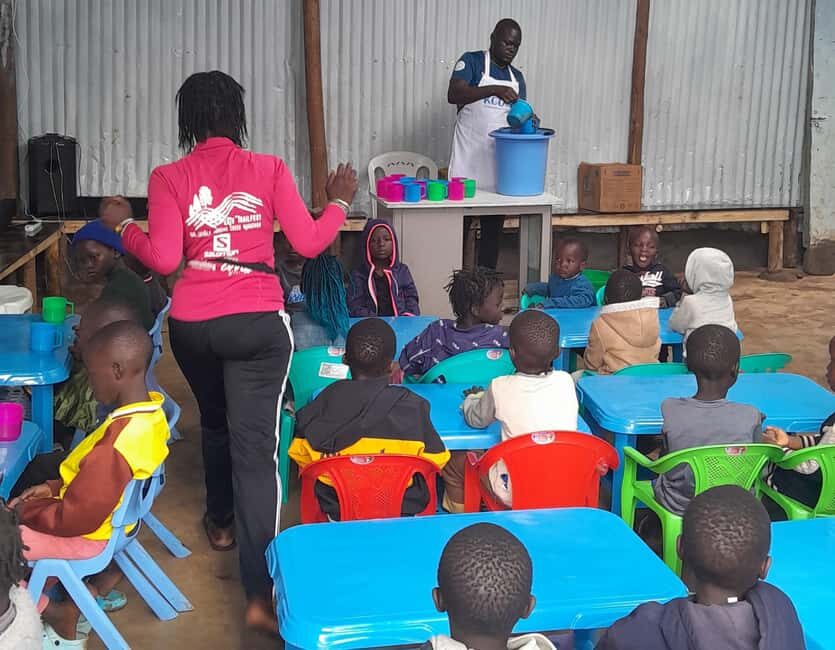
Another key activity is supporting basic literacy or math. You may read with children, tutor them, or assist with learning in a simple, practical way.
What I appreciate here is that the program doesn’t require prior training. That lowers the barrier for volunteers while still matching real needs. Basic literacy and math support are the kinds of help that can make a difference when consistent support is hard to access.
If you’re thinking, I’m not a teacher, don’t worry. The program is set up for volunteers to plug in. Often, tutoring here doesn’t mean advanced schooling. It’s more about practicing foundational skills with encouragement and repetition.
If you have a background in education, you can likely add extra value by helping staff organize educational or creative sessions. If you don’t, you can still help by reading out loud, guiding simple exercises, or supporting children with calm, steady repetition.


Assisting staff with educational and creative sessions
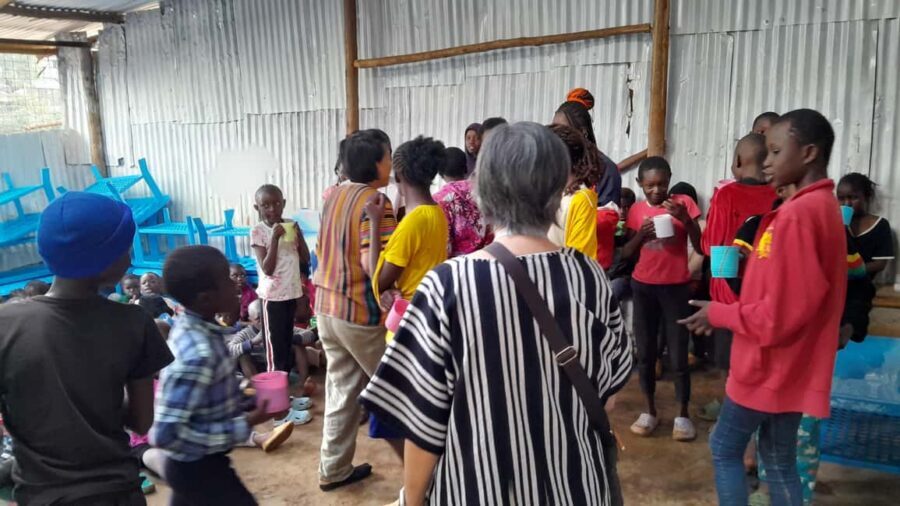
Beyond direct tutoring, you’ll assist KCOOP staff with organizing educational or creative sessions. That could mean helping get activities ready, supporting group flow, or supporting smaller breakouts where individual attention helps.
This part is worth taking seriously. Staff often juggle schedules, food support, and learning support at the same time. When volunteers help with organization, it reduces chaos and helps children feel secure.
It’s also one of those areas where you can have value even if your strengths aren’t “teaching.” If you’re good at staying calm under pressure, noticing who needs attention, and helping the session run smoothly, you’re exactly the kind of support a small centre needs.
Learning about daily life in Kibera: challenges and resilience
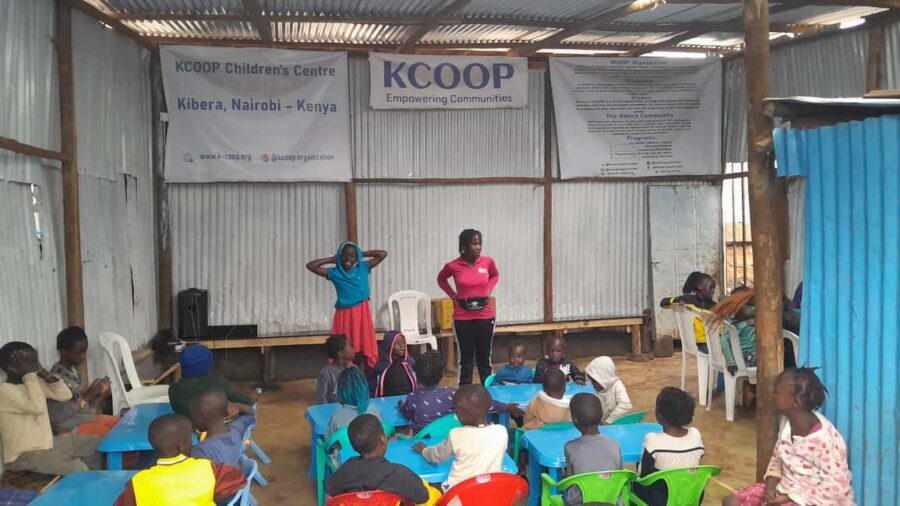
You’ll learn first-hand about daily life in Kibera from people who live it. The program also focuses on the challenges and resilience of children growing up there.
This kind of learning is different from a typical cultural talk. You’re not only hearing information; you’re seeing how the centre provides structure and care in a challenging environment. That’s often what makes the experience feel meaningful. It connects your help to a bigger reality.
If you’re prone to turning everything into facts and statistics, try a different approach. Pay attention to patterns you notice: how routine works, how kids react to safety and attention, and how the centre’s staff manage needs. Those day-to-day details teach more than a lecture.
And keep your expectations realistic. This is about community care, not a theme park version of Africa.
Price and value: is $35 fair for what you’re supporting?
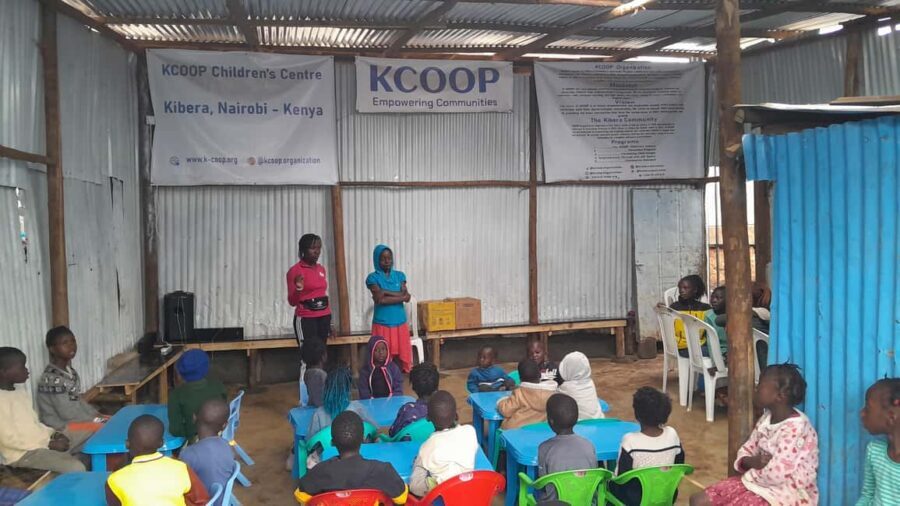
The price is $35 per person. That’s a big part of what makes this opportunity accessible. For that cost, you get welcome and orientation at KCOOP’s office, interaction with the KCOOP team, participation in multiple activities at the children’s centre, and inclusion of meals and accommodation for long-term volunteers.
Now, what does that mean for value?
- You’re paying for structure: orientation plus organized placement at the centre.
- You’re paying for impact channels that match urgent needs: feeding support and learning help.
- You’re supporting a grassroots nonprofit that’s still young (registered in 2022) and actively looking to expand.
If you compare volunteering that’s organized, guided for first-timers, and tied to a real local centre, $35 is fairly direct. The program’s value comes from being practical, not flashy. You’re not just consuming an experience—you’re helping run it.
One thing to note: the data also says volunteering duration can be flexible, from 3 hours to several weeks. If you book the shorter end, you’ll likely get a focused taste of the centre’s day. If you can commit longer, your support can become more consistent, which typically helps children and staff.
What to bring and how to dress for a day with kids
Your comfort affects how helpful you can be. Bring:
- Comfortable shoes
- Sunscreen
- Water
- Comfortable clothes
You’re likely spending time standing, moving, and interacting closely. Clothes that let you move easily will make the day easier for you and safer around children. If you’re used to city walking, dial it up slightly—think sturdy, breathable, and low-fuss.
Also, pack a mindset, not just gear. This day calls for patience and a steady tone. Kids can sense when adults are stressed or rushed. Move a little slower than you usually would.
How long should you volunteer: 3 hours or several weeks?
KCOOP volunteering can be customized based on your interests and skills. The duration can be flexible, from 3 hours to several weeks.
Here’s a useful way to choose:
- If you have limited time in Nairobi, a 3-hour slot can still give you a real role in feeding, play, or basic learning support.
- If you can stay longer, you’ll likely build better familiarity with routines and get more meaningful connection with children and staff.
There’s also a virtual volunteering option for fundraising or grant writing. If you can’t travel right now but you want to help KCOOP grow, that path may suit you.
Who this volunteering experience is best for
This is ideal for compassionate travellers, gap year students, and people traveling with teens. It also fits families with teens who are ready for meaningful work with kids rather than a sightseeing day.
It’s also a good fit if you want a hands-on volunteer day without special preparation. No prior training or experience is needed—just show up with an open heart and the ability to follow guidance from the KCOOP team.
That said, it isn’t suitable for everyone:
- Children under 3 years are not suitable for participation.
- People with mobility impairments should not plan to join.
- Wheelchair users are not suitable for this experience.
So if you have mobility needs, it’s best to ask OAC Kenya Tours and KCOOP about other ways to support that don’t rely on the physical demands of centre-based volunteering.
Should you book this KCOOP volunteering day through OAC Kenya Tours?
I’d recommend booking if you want a volunteer day in Nairobi that’s clearly structured, community-led, and built around real needs—feeding, play, and basic learning support. The KCOOP model is exactly the kind that tends to deliver meaningful connection because you’re spending time where care is actually happening.
You should also feel confident if you’re a first-time volunteer. The program is designed for people with no training, and orientation helps you plug into tasks that matter.
You might skip this if you’re looking for a comfortable, tourist-style cultural outing or if you can’t handle the physical demands of working closely with kids in a centre setting. It’s not the kind of program where you’ll be happy if you prefer passive participation.
If you do book, be ready to be useful right away, and keep your focus on small consistent help. That’s where the impact shows up.
FAQ
How much does the Nairobi volunteer experience at KCOOP Children’s Centre cost?
It costs $35 per person.
What will I do during the volunteer day?
You can help serve food or snacks during the feeding program, engage children in fun activities such as drawing, storytelling, or singing, read with or tutor children in basic literacy or math, and assist staff with organizing educational or creative sessions.
Where is the activity located and what language is used?
It takes place at KCOOP Children’s Centre in Kibera, Nairobi. The listed language for the experience is English.
What should I bring?
Bring comfortable shoes, sunscreen, water, and comfortable clothes.
Is the program suitable for long stays, and what is included for long-term volunteers?
The volunteering duration can be flexible from 3 hours to several weeks. Meals and accommodation for long-term volunteers are included.
How does booking and cancellation work?
You can reserve & pay later, booking your spot and paying nothing today. Cancellation is allowed up to 24 hours in advance for a full refund.