REVIEW · NAIROBI
8 Days Kenya and Tanzania Private Lodging Safari from Nairobi
Book on Viator →Operated by PERFECT WILDERNESS TOURS AND SAFARIS · Bookable on Viator
A safari that hops countries needs tight planning. This one strings together Maasai Mara wildebeest drama, endless Serengeti plains, and a crater day at Ngorongoro, all with mid-luxury tented comfort and full-board meals. I also like that the trip is set up for convenience: park access costs, conservation fees, and transfers are handled, so you can focus on game drives instead of paperwork.
The main thing I’d weigh first is the pace. You’re doing early starts and long travel blocks, including the Kenya-to-Tanzania border crossing, so it’s best if you’re happy spending real hours in the vehicle for big wildlife payoff.
In This Review
- Key takeaways before you book
- Kenya and Tanzania in 8 Days: What This Route Gets You
- Mid-Luxury Tented Lodges and Full-Board Comfort
- Day 1 in Maasai Mara: Rift Valley Views and a Golden-Hour Drive
- Day 2 in Maasai Mara: Mara River, Migration Odds, and Maasai Culture Time
- Day 3 Crossing to Tanzania: Border Process and Serengeti Arrival
- Days 4 and 5 in Serengeti: Hippo Pool, Big Cats, and Ngorongoro Prep
- Day 6 at Ngorongoro Crater: Morning Timing and a High-Density Day
- Day 7 in Lake Manyara and Arusha: Birds, Tree-Climbing Lions, and Pink Flamingo Odds
- Day 8 Back to Nairobi: Private Shuttle, Namanga Border, and PCR Prep
- Price and Value: Is $4,594.60 Worth It?
- What the Guides Actually Change (Chris, Nathan, David, and More)
- Who Should Book This 8-Day Kenya and Tanzania Safari
- Should You Book It?
Key takeaways before you book
- Maasai Mara timing at the Mara River for migration season, plus a full-day drive with picnic lunch
- Serengeti plains time with morning-to-afternoon flexibility and chances at big cats and big herds
- Ngorongoro Crater and Lake Manyara for variety: dense wildlife in a caldera plus birds and tree-climbing lions
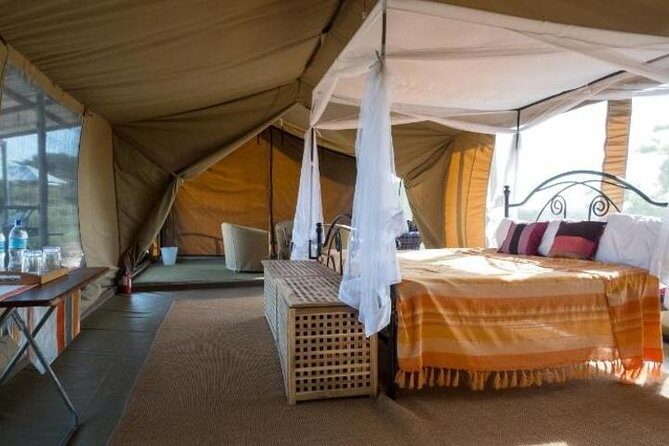
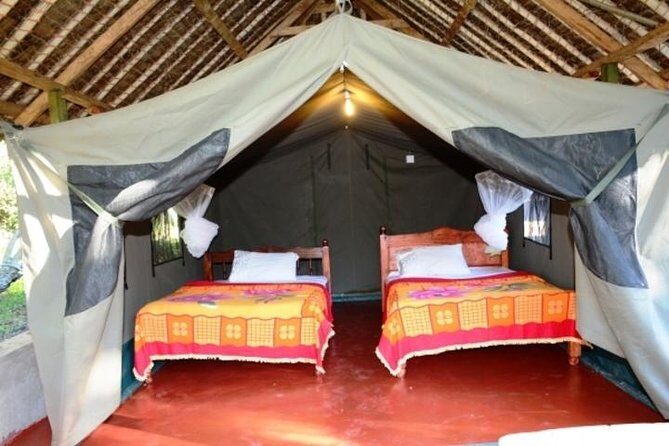
- Comfort-focused lodging: mid-luxury tented stays with toilet, hot showers, and mosquito nets
- Guides who spot well (including Chris the Safari Doctor) which can make the difference between seeing and truly seeing
Kenya and Tanzania in 8 Days: What This Route Gets You
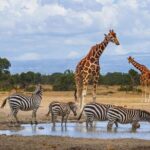
This is the kind of safari that works because it’s built around three different wildlife “styles.” Maasai Mara gives you grassland action and migration energy. Serengeti delivers wide-open views with predators working the kopjes and edges. Then Ngorongoro shifts the game—same region’s species list, but with a tight, concentrated space that changes what sightings feel like.
For you, that variety matters more than squeezing in extra stops. Your days are structured so you get long enough game-drive time at the key parks, not just a quick drive in and out. And since you’ll be picked up from Nairobi (or the airport) and dropped back near the end, you don’t lose vacation hours fighting local logistics.
One small practical win: the tour provides bottled water in the car (at least 1 liter per person per day). When you’re bouncing around in open vehicles, that’s not a luxury. It’s the difference between feeling okay at midday and feeling cooked.
You can also read our reviews of more private tours in Nairobi

Mid-Luxury Tented Lodges and Full-Board Comfort
The stay style here is a big reason this tour feels doable. You’re not sleeping rough. Your tented rooms come with a toilet, hot shower, bed, and mosquito nets—the basics that let you actually enjoy the evenings instead of counting bugs.
Full-board is also a quality-of-life feature. Meals are included (breakfast, lunch, dinner), which means you’re not constantly hunting food after a long drive. On safari, you want your energy for the next sighting, not for deciding where to eat.
The schedule is also built around recovery time. Some days have a full morning game drive, then you’re back for dinner and overnight. That helps if you don’t want your whole trip to feel like an all-day marathon in “transfer mode.”
Day 1 in Maasai Mara: Rift Valley Views and a Golden-Hour Drive
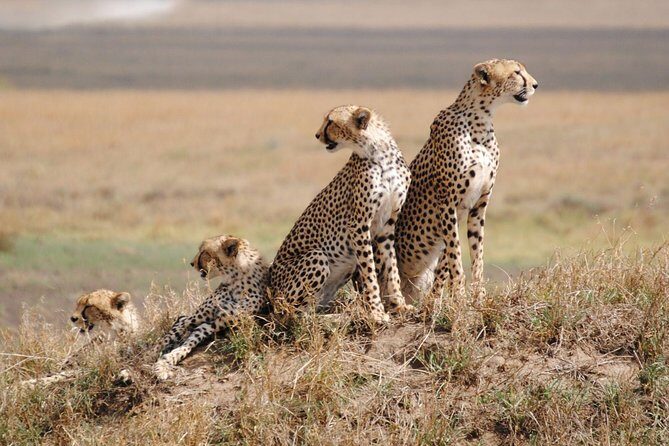
You start early, around 7 a.m., with pickup at your accommodation or at the airport. The first stop is Maasai Mara National Reserve, with a short break at the Rift Valley viewpoint. This is your chance to see the escarpments and the flatlands stretching below—one of those moments where the geography actually explains why the wildlife patterns look the way they do.
By the time you reach your lodge for lunch, you’re ready for the best part of the first day: an evening game safari drive at about 4 p.m. for around two hours. That late-day light is when animals often feel most active and when photos turn out better.
What to consider: if you’re coming in from a long flight, this first day is still a full safari day. You’ll want to land hydrated and ready, because the tour begins as soon as you’re picked up.
Day 2 in Maasai Mara: Mara River, Migration Odds, and Maasai Culture Time
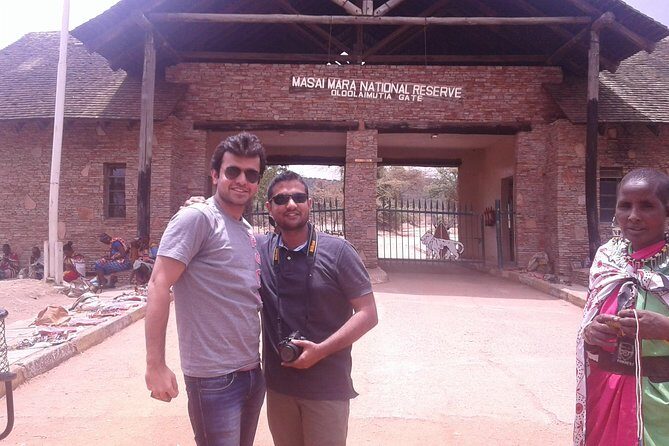
Day two is where Maasai Mara turns from a landscape into an event.
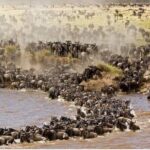
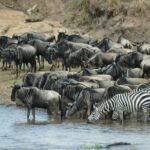
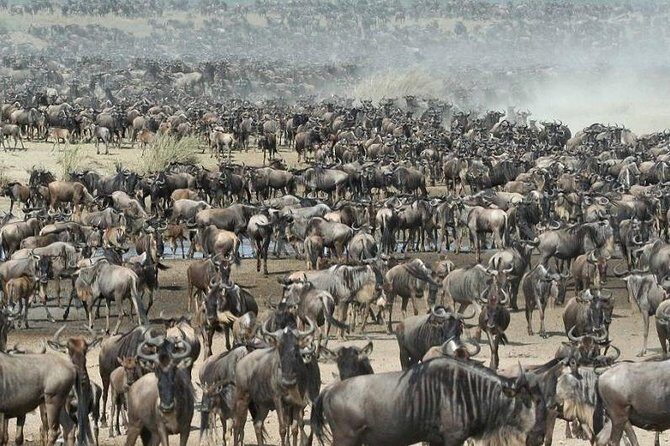
You’ll do a full-day game drive starting about 7:30 a.m., with a picnic lunch, and you’ll go all the way toward the Mara River. During migration season, that river corridor is the big drama zone. The tour’s description calls out that the annual wildebeest migration involves over 1.5 million animals, with arrivals typically in July and departures running through November.
You’ll also spend real time in the reserve rather than just passing through. Mara is known for concentrated wildlife along the western escarpment, and the driving plan is geared for viewing.
In the evening, there’s also a Maasai village cultural visit planned for about an hour. Here’s the practical note: the Maasai village visit is listed as not included, with a cost of $20 per person. So you can budget for it if you want that extra cultural layer.
My take: this is the day to be mentally patient. Wildlife isn’t guaranteed on a timer. A good day like this comes from long, consistent searching with the vehicle positioning done right.
Day 3 Crossing to Tanzania: Border Process and Serengeti Arrival
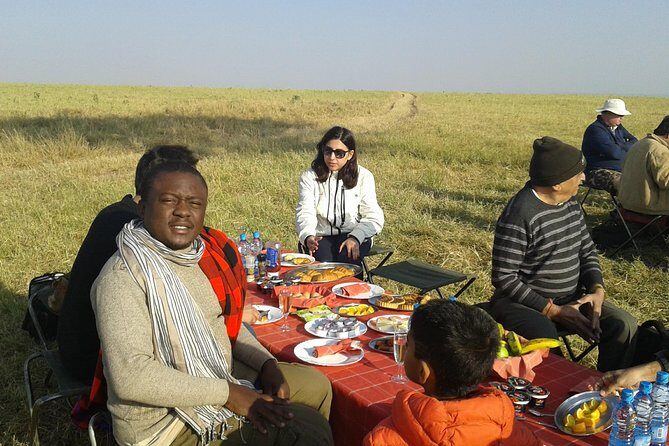
Day three is a transition day that still keeps you in safari mode.
You’ll breakfast around 6 a.m., exit the Maasai Mara area, and drive toward the border for about three hours. Then you go through the border process (listed as about an hour). After you meet your Tanzanian driver/guide, you’ll continue on to Serengeti, with an evening game drive en route to the lodge.
Two things make this kind of day work for you:
- You don’t spend the whole day waiting around in transit with nothing to see.
- Your guides stay active in the “find animals” part of the schedule, not just the “get there” part.
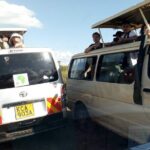
The tour also follows a private structure for your group, so you don’t get stuck sharing a tight vehicle and timing with strangers.
A few more Nairobi tours and experiences worth a look

Days 4 and 5 in Serengeti: Hippo Pool, Big Cats, and Ngorongoro Prep
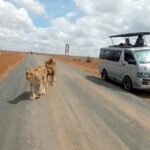
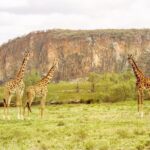
Serengeti is often described as endless plains for a reason. On day four, you’ll start with breakfast around 7 a.m., then head into a full-day game drive with picnic lunch around 1 p.m. You also have a specific stop called the Serengeti Hippo Pool, paired with long time in the park.
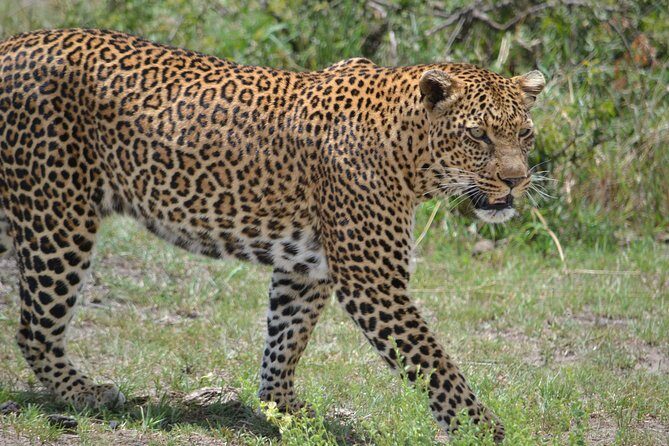
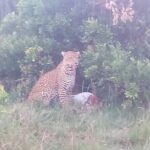
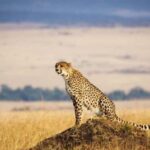
The tour’s plan focuses on seeing wildlife across plains dotted with trees and kopjes. That matters because predators often use those rocky outcrops as vantage points. If you’ve ever looked at Serengeti photos and wondered how lions seem to appear from nowhere, this is the answer: they use terrain, and the driving plan is built to put you near that terrain.
For day five, you’ll leave Serengeti around 7 a.m. for Ngorongoro. You’ll drive with a game safari focus en route, with picnic lunch. The tour also mentions a stop at Olduvai (Oldupai) Gorge, a major paleoanthropological site. The big practical point for you: the gorge visit is listed inside the day description, but the provided info doesn’t clearly state whether its admission is included. If you’re keen on it, ask your guide what’s covered and what time it will take.
Day 6 at Ngorongoro Crater: Morning Timing and a High-Density Day
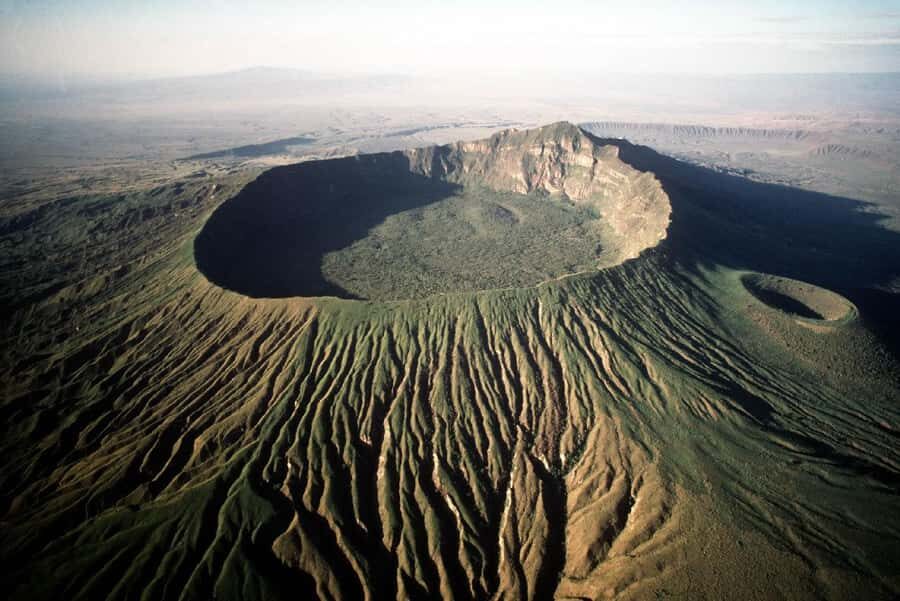
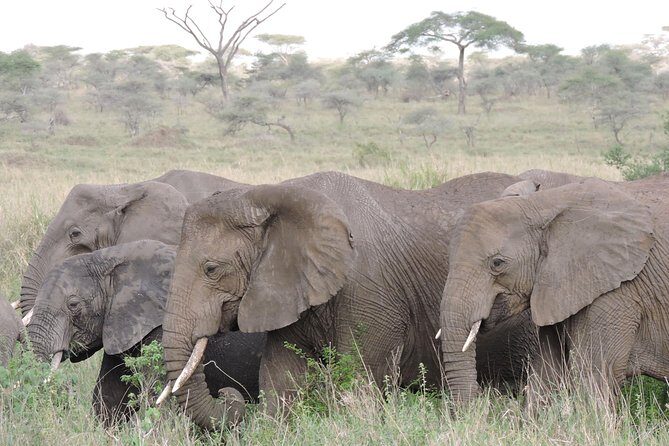
Ngorongoro is famous because it compresses wildlife into a small, intense viewing zone. You’ll depart early—about 6 a.m.—for a half-day Ngorongoro exploration, with picnic lunches, and you’ll be back by about 1 p.m.
The best part of a crater day is the density effect. Instead of searching huge distances, you’re scanning a concentrated bowl. That changes how the game drives feel: more “watching and reacting,” less “driving and hoping.”
The schedule also gives you downtime after. You’ll return to your lodge to relax in the afternoon, and there’s an optional coffee farm visit. If you want a break from vehicle time, this is when you’ll appreciate it.
What to consider: mornings in safari country start early. If you like your sleep, this is not the trip for late starts every day.
Day 7 in Lake Manyara and Arusha: Birds, Tree-Climbing Lions, and Pink Flamingo Odds
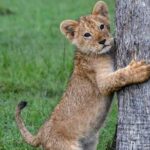
After Ngorongoro, you switch to Lake Manyara National Park for a morning drive starting around 7 a.m. The tour notes this park for birdlife and for tree-climbing lions—a standout feature if you’re chasing something unusual.
It also calls out a chance (if you’re lucky) to see pink flamingoes on shallow waters. Even when conditions don’t cooperate, the driving plan is still built around frequent stops for sightings and photography.
After the morning in Lake Manyara, you’ll head to Arusha and arrive around 4 p.m. You check into the Venus Premier Hotel for a relaxing dinner.
This is a smart end to the wildlife-heavy run. Arusha gives you a proper base before the final transfer back to Nairobi.
Day 8 Back to Nairobi: Private Shuttle, Namanga Border, and PCR Prep
The last day is travel, but it’s planned like part of the safari, not a total loss.
You’ll have breakfast around 6:30 a.m., depart around 7 a.m. by private car shuttle, and arrive in Nairobi around 3 p.m. You’ll cross back through the Namanga Border.
The tour states that PCR tests for the return are organized while you’re in Tanzania. That’s a huge practical help if you’re dealing with travel rules and deadlines. You’ll then be dropped off at the airport or your hotel within Nairobi.
Price and Value: Is $4,594.60 Worth It?
Let’s talk value like adults.
At $4,594.60 per person for about 8 days, you’re paying for:
- Park entrance fees for all the parks
- Ngorongoro area conservation fees
- Mid-luxury tented lodge comfort on a full board basis
- Bottled water included daily in the car
- Complimentary airport transfer
- A private car shuttle drop-off back to Nairobi
- A complimentary first night at Raha Suites (helpful when your trip needs a Nairobi base before or after the safari)
Those items add up fast on any Africa safari. The secret isn’t that this is the cheapest option. The secret is that it’s structured to reduce random add-ons and last-minute “surprise costs.”
Not included means you should plan for:
- Drinks (including alcohol)
- Maasai village visit at $20 per person
- Balloon safari at $420 (optional)
So who is this best for? People who want the big parks—Maasai Mara, Serengeti, Ngorongoro, Lake Manyara—without spending your time budgeting and coordinating each entrance ticket, transfer, and meal stop yourself.
If you’re the type who hates uncertainty, this tour style fits you.
What the Guides Actually Change (Chris, Nathan, David, and More)
This kind of safari lives and dies on vehicle skills: where the driver positions, how the guide reads behavior, and how quickly they spot what you’d miss.
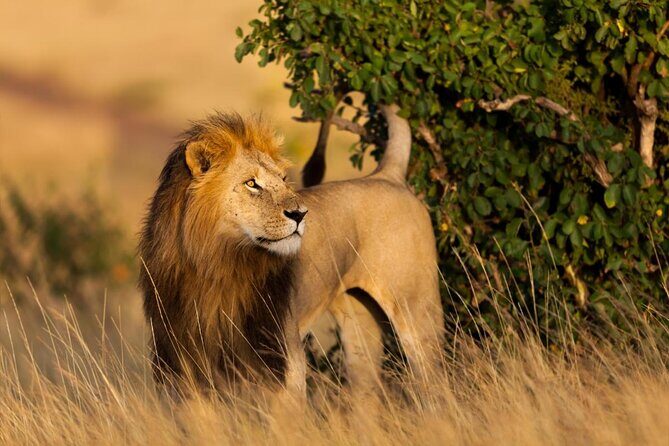
The reviews highlight that guides like Chris, often called the Safari Doctor, make a real difference. One review notes Chris spotting a camouflaged male lion and guiding everyone through a pride encounter. Another mentions guides providing strong guidance and helping with lots of photos and video moments.
Other named guides show up too: Nathan and Hussain are credited with excellent viewing and special sightings in the Mara and Serengeti, and David is mentioned as a trustworthy, flexible guide in Kenya.
I can’t guarantee which guide you’ll get, but I can say this: when you see repeated mentions of guides who spot and explain animal behavior, that’s usually a sign the operation puts real effort into guiding, not just driving.
Who Should Book This 8-Day Kenya and Tanzania Safari
This is a great fit if you:
- Want private touring with your own group
- Care about comfort (hot showers, mosquito nets, real toilets) while still being in safari country
- Want major parks in one trip: Maasai Mara + Serengeti + Ngorongoro + Lake Manyara
- Like the idea of adding an extra day if you want more time in Kenya or Tanzania (the trip can be customized by adding days)
It’s less ideal if you:
- Hate early starts and long driving segments
- Are looking for a super relaxed vacation where every day is light and short
Should You Book It?
If your priority is a serious Kenya-and-Tanzania safari with strong value in included park access and lodging comfort, I’d book it with confidence—especially if you’re aiming for migration-season Mara time or you want crater-and-lake variety.
Before you lock it in, I’d do just two checks:
- Confirm whether the Olduvai Gorge stop time and costs match your expectations.
- Decide if you want the Maasai village visit and whether the balloon safari is worth the extra money for you.
If you like getting your wildlife from multiple angles—plain, river, crater, and lake—this route is built for that.