REVIEW · NAIROBI
7 Days of Kenyan Wonders: A Mid-Range Safari Adventure
Book on Viator →Operated by Dream Voyage Safaris · Bookable on Viator
Seven days can change how you see Kenya. This mid-range safari tour strings together Amboseli, Lake Naivasha, Lake Nakuru, and Masai Mara with private game drives and comfortable lodges, so you spend more time spotting wildlife and less time figuring logistics.
I love two things most: the private transportation (you’re not stuck waiting on other groups), and the way the itinerary builds in early sightings like sunrise drives and a walking safari. One consideration: you’ll rack up serious road time between parks, including long transfer days and early mornings, so this is best if you like a steady safari pace.
In This Review
- Key highlights at a glance
- Entering Kenya from Nairobi: what the private setup means
- Day 1 and Day 2 in Amboseli: elephants against Kilimanjaro
- Lake Naivasha: boat time, flamingos, and hippos at the shoreline
- Lake Nakuru and Crescent Island walking safari: close animal encounters
- Masai Mara Day 5: getting into the reserve and finding your rhythm
- Masai Mara Day 6: full-day drives and migration season timing
- Day 7 in Masai Mara: a final village moment, then back to Nairobi
- Price and value: what $3,000 per person really covers
- The best way to enjoy the drives (and not hate them)
- The human side: why guides matter in Kenya
- Who this safari fits best
- Should you book this Kenya mid-range safari?
- FAQ
- What parks and areas does the safari cover?
- Where does the tour start and end?
- Is this tour private?
- What’s included in the price?
- What additional costs should I expect?
- Do I need a ticket for the parks?
- What is the cancellation policy?
Key highlights at a glance
- Private safari flow: You go as your own group, with driver-guide time built into the schedule.
- Amboseli for elephants + Kilimanjaro views: One of Kenya’s most famous photo combos.
- Naivasha by boat: Birdlife first, hippos and shoreline wildlife as you scan the water.
- Crescent Island walking safari: A smaller, safer-feeling way to get close to grazing animals.
- Masai Mara game drives near the action: The lodges are placed close to the reserve entrance for efficient days.
- Optional add-ons on your terms: A Maasai village visit and a hot air balloon safari (extra cost).
Entering Kenya from Nairobi: what the private setup means
The tour starts at Jomo Kenyatta International Airport (NBO), so you’re not piecing together transfers or hunting for connections after a long flight. From there, the plan is straightforward: you drive from one wildlife region to the next, with game drives built around the best daily light.
What matters is the rhythm. You’ll spend mornings and afternoons outdoors, and midday hours are used for food, rest, and moving to the next park. This style works well for first-timers because you’re not wondering where to be and when.
A few more Nairobi tours and experiences worth a look
Day 1 and Day 2 in Amboseli: elephants against Kilimanjaro
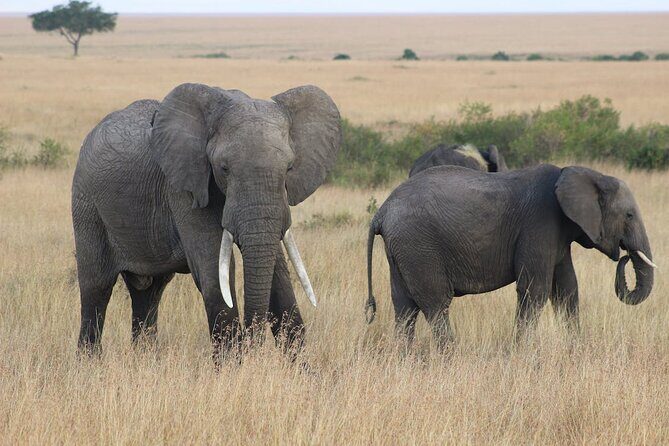
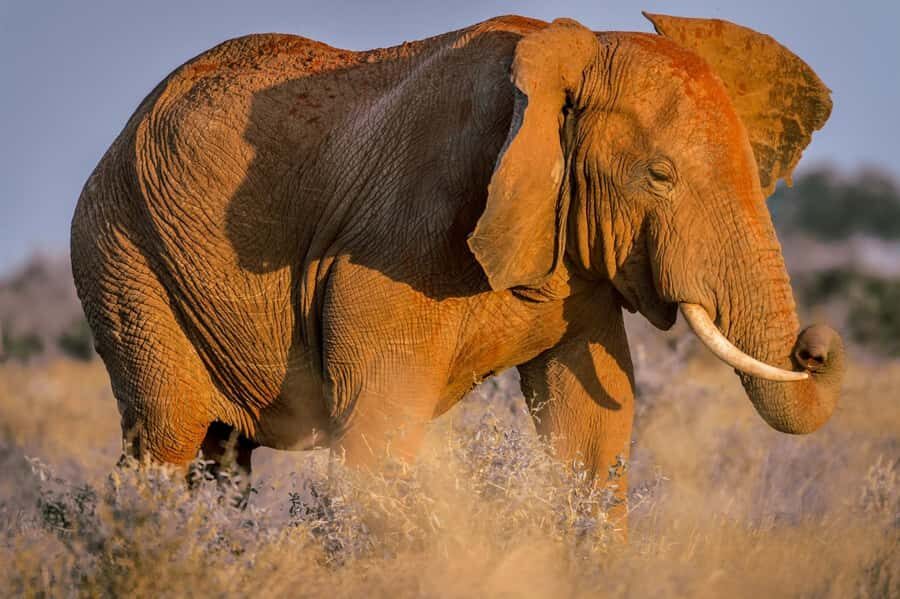
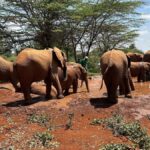
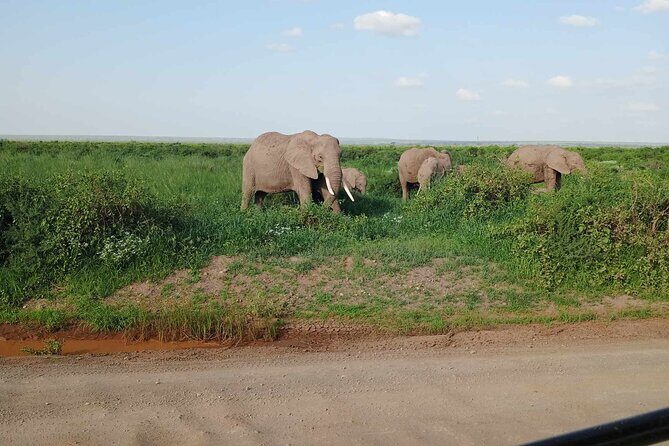
Amboseli is the showpiece if you want that Kenya elephant feeling right away. The park is known for large elephant herds, and on clear days you can get the famous background view of Mount Kilimanjaro from the region. You arrive and settle in outside the park, then head out for your first afternoon game drive.
Day 2 is all about getting ahead of the day. You’ll do a sunrise game drive, when animals are active and the light makes wildlife photography much easier. Between swamps, acacia woodlands, and open plains, you’re not limited to one kind of habitat, so your odds of seeing a variety of species stay strong.
You’ll also enjoy a picnic lunch inside the park, which is one of those small safari touches that makes the day feel fully part of the ecosystem, not just a drive-through. And if you want cultural context, there’s an optional Maasai village visit where you can learn about customs and crafts while supporting the local community.
A quick consideration for Amboseli: this is a place you’ll want to keep your camera handy, because sightings can happen fast and stop-start traffic is normal. Bring patience, and keep your eyes scanning the edges of the open areas—not just the center of the road.
Lake Naivasha: boat time, flamingos, and hippos at the shoreline
After Amboseli, you drive toward Lake Naivasha, which is a nice change of pace. Instead of the big savanna feel, you get a lake setting where wildlife sightings come from the waterline and the air above it.
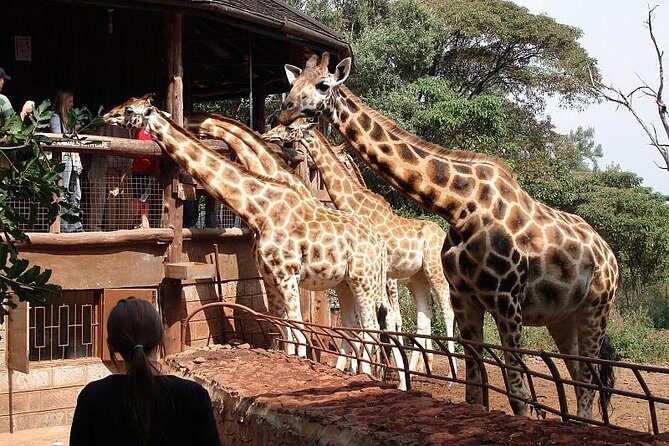
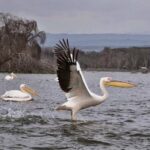
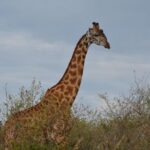
Once you check in near the lake, the afternoon plan is simple and effective: a boat ride. Naivasha is well known for birdlife, and you’ll be watching for fish eagles, kingfishers, and flamingos. You can also spot hippos wallowing in shallow areas, plus giraffes grazing along the shore.
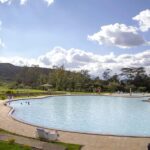
This is one of the days where you’ll feel the value of a guided setup. On your own, it’s hard to know where to look from the water, and a good driver-guide helps you read the landscape quickly. You also get dinner at the lodge with the lake atmosphere in the background, which is a welcome reset after two heavier wildlife days.
Lake Nakuru and Crescent Island walking safari: close animal encounters
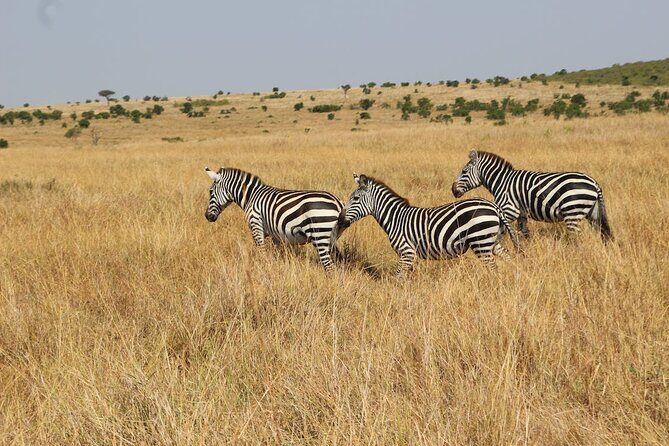
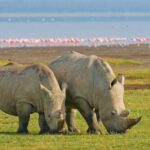
Lake Nakuru is known for two big things: flamingos and rhinos. You’ll check into a lodge near the park, then start with an unusual experience first—a walking safari on Crescent Island, described as a private sanctuary within Lake Naivasha.
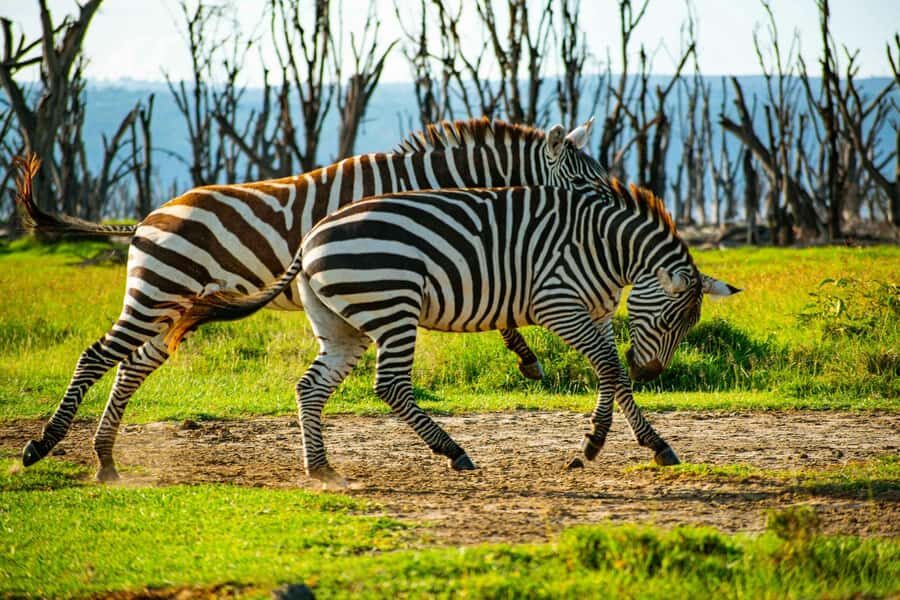
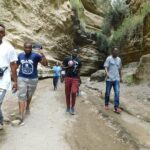
A walking safari changes your experience in a good way. You’re not just watching from a vehicle through glass; you’re experiencing animals at walking pace in a controlled setting. You can expect giraffes, zebras, wildebeest, and other antelope species during the guided walk, which makes it feel more intimate and personal.
After lunch, you head to Lake Nakuru National Park for an afternoon game drive. This is the classic flamingo zone, but the real thrill is the mix: white rhinos, Rothschild giraffes, lions, and leopards are all part of the possible sightings. You’ll end the day back at your lodge for dinner and a calmer evening.
The tradeoff to know: an afternoon drive means you’re depending on daylight for sightings. So if you’re serious about spotting predators, it helps to stay alert and adjust quickly when the vehicle stops—don’t assume the best viewing will be obvious right away.
Masai Mara Day 5: getting into the reserve and finding your rhythm
Masai Mara is where your safari brain turns on. After leaving Lake Nakuru, you drive to the reserve, passing rolling hills and areas with Maasai villages along the way. When you arrive, you’re placed at a lodge near the entrance, which matters because it reduces wasted time just getting to wildlife viewing areas.
The first Mara game drive is in the afternoon. That’s a smart way to start: you ease in after the road trip, then let the reserve show you what it’s good at. The Mara is famous for high wildlife density, and depending on timing, it can also be tied to the Great Migration.
You’ll have dinner at the lodge and listen to the sounds of the Mara at night. Even when you don’t see something new at night, the atmosphere helps you feel like you’re in the real thing, not just passing through.
A few more Nairobi tours and experiences worth a look
Masai Mara Day 6: full-day drives and migration season timing
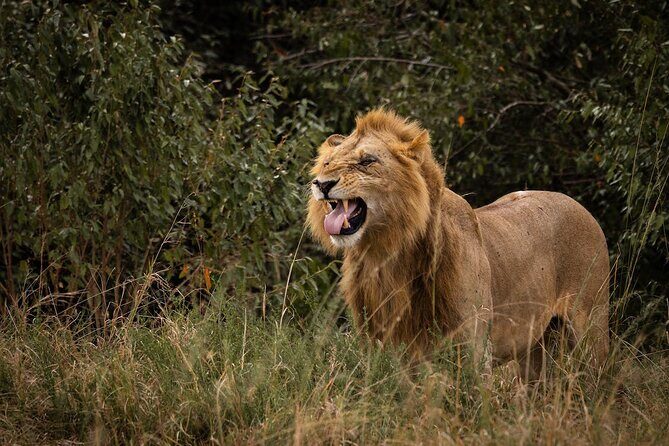
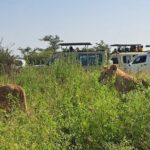
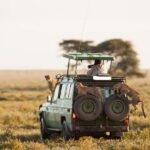
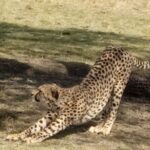
Day 6 is your big Mara day. You’ll do a full-day game drive with a packed lunch, and the goal is deep time in the reserve rather than quick stops. This is the day when you’re most likely to rack up multiple predator sightings, plus the big herbivore parade.
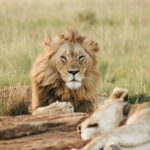
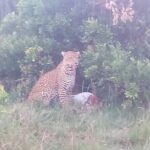
Think lions, leopards, elephants, giraffes, zebras, wildebeest, and various antelope species. The reserve’s strength is that wildlife density means you don’t wait long between changes in what’s happening—one area can turn into a new scene fast.
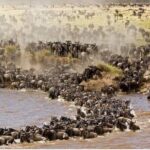
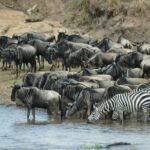
If you’re traveling during migration season (roughly July to October), there’s the famous Mara River drama to watch for. The tour notes the crossing of millions of wildebeest and zebras, and even if the exact timing varies, the fact that the park is set up for this spectacle means it stays on your radar all day.
There’s also an optional hot air balloon safari at sunrise for extra cost. This isn’t included, so it’s for people who want one more bucket-list moment beyond game drives. If you hate early starts, skip it and sleep in a bit—you’ll still have a full day on the ground.
Day 7 in Masai Mara: a final village moment, then back to Nairobi
Your last morning begins with a visit to a Maasai village in the Mara area. This is your final cultural note before the long drive back to Nairobi. It’s a chance to see how communities live alongside the conservation story you’ve been watching in the parks.
After breakfast, you drive back to Nairobi, roughly 5–6 hours. Along the way, you’ll stop for lunch and souvenir shopping, and if your flight schedule allows, you may have time for shopping in Nairobi before transfer to NBO.
This final day is a good reminder of how much travel a safari includes. The goal isn’t to rush. It’s to give you a smooth landing back into the city so you’re not scrambling right before your departure.
Price and value: what $3,000 per person really covers
At $3,000 per person for about 7 days, this tour sits in the mid-range category. What makes it feel more reasonable is what’s included.
You get park fees, private transportation, and meals: breakfast (6), lunch (7), and dinner (8). You also get bottled drinking water (1 litre per day), which is a small thing that makes a big difference when you’re out in the heat all day. Having private logistics also reduces friction. You’re not negotiating different departure times with other groups.
What’s not included is also important to budget. Visa fee and international flight tickets aren’t included. There’s also an optional Maasai village visit and the hot air balloon safari (additional cost), so plan for those extras only if they fit your travel style.
One more value point: multiple parks in a single week. The route moves from Amboseli to lakes and then to the Mara. That’s not cheap, mainly because each park has its own access fees and driving demands.
The best way to enjoy the drives (and not hate them)
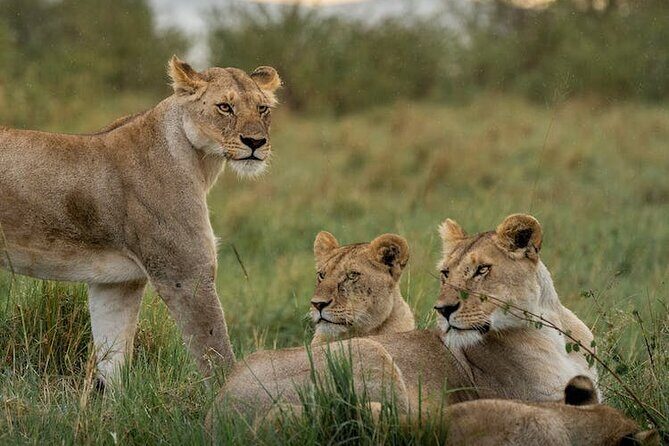
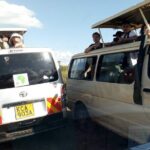
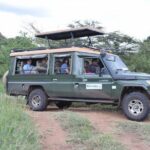
This itinerary is built on game drives plus transfers. The good news is transfers come with scenery changes, and wildlife can still show up at roadside pull-offs. The hard part is endurance—your schedule includes 4–6 hour drives on transfer days and early starts for sunrise.
Here’s how I’d play it to keep the day fun:
- Plan on being flexible with sightings. If the driver stops, it’s usually worth it.
- Keep water handy even when you think you have enough.
- Wear shoes you can stand in for quick viewing moments.
- Use light layers. Mornings can feel cooler, then the day warms fast.
Also, don’t judge a park by one hour. Amboseli, Naivasha, Nakuru, and the Mara each have their own rhythm, and wildlife often rewards repeat scanning.
The human side: why guides matter in Kenya
In Kenya safari, the guide is half the experience. You’re relying on them for animal spotting, safe driving, timing, and knowing where the best chances are.
Dream Voyage Safaris comes up in the feedback for being responsive and organized. One name you’ll see connected to planning is Moses Wagura, praised for patience with lots of questions and for making sure lodges and camps were a strong match. Another name mentioned is Azan, described as kind and recommended by someone who clearly liked the personal touch.
This is the part that’s hard to measure from a brochure. But it shows up in small ways: smooth lodge changes, clear communication, and a calmer day when plans shift due to conditions in the parks.
Who this safari fits best
I’d point this one at you if:
- You want a private tour and don’t want to share the schedule with strangers.
- You like a structured 7-day route that covers multiple iconic regions without stretching into two weeks.
- You want mid-range comfort, with lodges just outside parks as the plan.
It’s also a good fit for couples and small friend groups, since the tour is private and you’ll feel the benefit of that. If you’re extremely sensitive to long car days, you might find the pacing intense, so be honest with yourself about how you handle road time.
Should you book this Kenya mid-range safari?
If you’re aiming for a classic Kenya combination—Amboseli elephants, Naivasha lake wildlife, Nakuru flamingos and rhinos, and the Mara’s full safari energy—this is a strong choice. The best reason to book is the balance: private logistics, meals and park fees included, and enough time in the Mara to make more than one day meaningful.
I’d hesitate only if you hate early mornings and long transfers. This is not a slow, stay-put trip. It’s a well-run route where you trade convenience for more wildlife variety in a week.
If that trade feels fair to you, I think you’ll love how fast Kenya becomes real—one game drive at a time.
FAQ
What parks and areas does the safari cover?
It covers Amboseli National Park, Lake Naivasha, Lake Nakuru National Park, and Masai Mara National Reserve, with Nairobi as the start and end point.
Where does the tour start and end?
It starts at Jomo Kenyatta International Airport (NBO) in Nairobi and ends back at the same meeting point.
Is this tour private?
Yes. It’s a private tour/activity, so only your group participates.
What’s included in the price?
Park fees, private transportation, bottled drinking water (1 litre per day), and meals are included: breakfast (6), lunch (7), and dinner (8).
What additional costs should I expect?
Visa fees and international flights are not included. Also, a hot air balloon safari is listed as optional with additional cost, and a Maasai village visit is optional.
Do I need a ticket for the parks?
Park fees are included as part of the tour. Specific admission ticket notes appear in the itinerary, with park time included and some activities marked as free in the schedule.
What is the cancellation policy?
You can cancel up to 6 days in advance for a full refund. If you cancel 2–6 days before, you receive a 50% refund, and canceling less than 2 days before does not get refunded.