REVIEW · NAIROBI
3 Day Private 4×4 Jeep Tour in Masai Mara Safari
Book on Viator →Operated by African Breeze Tours · Bookable on Viator
Three days in the Mara changes your photos. With a private 4×4 and serious time on the hunt for wildlife, I like how this trip puts you in position for the Big Five. You’re not sharing your game-drive schedule with strangers who might scroll their phone at the wrong moment.
The other thing I really enjoy is the rhythm: an early start, then time at the Mara River where you have lunch near the hippos pool before heading back out. It turns the day from driving-for-drama into something calmer and more real.
One possible consideration: it can get hot in the middle of the day, and the schedule is full, so you’ll want sunscreen, water, and patience for long stretches.
In This Review
- The most interesting parts of this 3-day private Masai Mara safari
- Masai Mara in three days: what you’re really signing up for
- Day 1: early Nairobi pickup, first entry into the reserve
- Day 2: Mara River picnic lunch and all-day game viewing
- Day 3: dawn for big cats, then back to Nairobi
- The private 4×4 Jeep: why it changes your safari
- Guides make the difference: how African Breeze Tours support shows up
- Big Five odds and the Great Migration window you should plan around
- What the $840 per person price gets you, and why it can be good value
- What it’s like day-to-day: timing, comfort, and photo reality
- Who should book this Masai Mara private safari
- Should you book it? My take for the decision
- FAQ
- What time does the tour start from Nairobi?
- Is this safari private or shared?
- Does the package include entry admission for Masai Mara?
- Is lunch included?
- Is there a best time to see the Great Migration?
- What happens if weather affects the safari?
The most interesting parts of this 3-day private Masai Mara safari
- Private 4×4 Jeep time so your guide can adjust the route to where animals are moving
- Two distinct game-drive blocks on Day 1 to build your odds from morning light through evening viewing
- Mara River lunch by the hippos pool (with picnic lunch) gives you a wildlife “pause,” not just more driving
- Early drives on Day 2 and Day 3 when predators tend to be more active
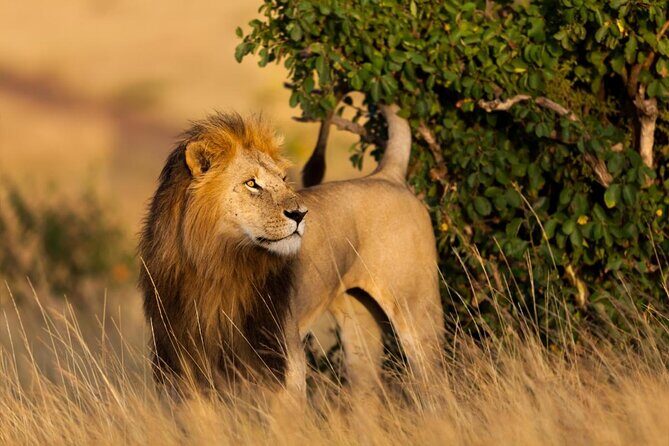
- Big cat focus with a realistic shot at hunting behavior rather than just sightseeing
- Good value in a tight package, with a strong track record (92% recommended; 4.4 rating from 13 reviews)
Masai Mara in three days: what you’re really signing up for
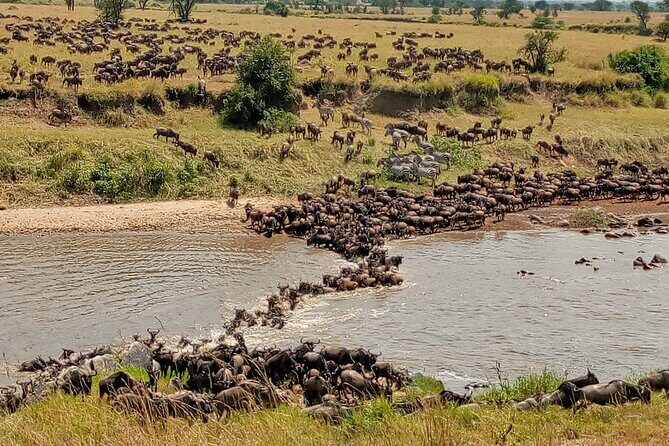
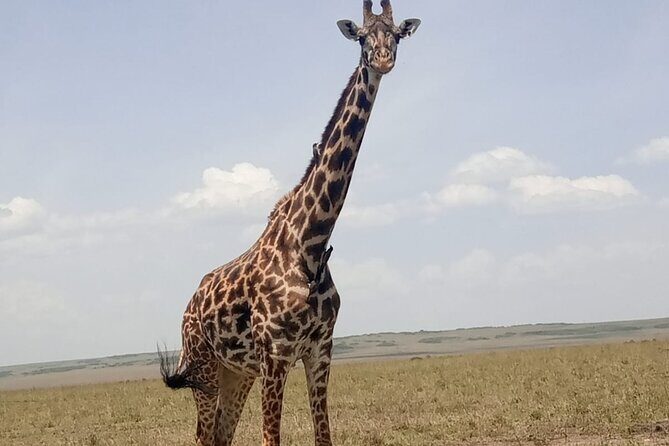
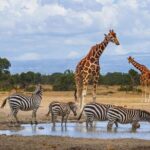
Masai Mara is famous for a reason: huge savannah, acacia trees, and animals that make sense together like a living map. This 3-day private format matters because it’s built around movement and timing, not checklists.
The tour is based in Nairobi, with pickup offered and the trip run in your own private 4×4 Jeep. It’s also listed as having park admission included as free in the package, so you’re not constantly doing mental math at the gate.
You’ll get a mix of drives and breaks: first contact with the reserve, a full day anchored around the Mara River, then one more early game drive before returning to Nairobi. The result is a safari that feels like a trip, not a blur.
You can also read our reviews of more private tours in Nairobi
Day 1: early Nairobi pickup, first entry into the reserve
Day 1 starts early with pickup from your Nairobi hotel, residence, or Jomo Kenyatta airport. One note for your planning: the schedule shows 07:00 hours in the day-by-day outline, but it also lists a start time of 8:00 am. I’d confirm your exact pickup time with African Breeze Tours before you go to bed the night before.
Once you’re in the private 4×4 Jeep, you head to Masai Mara and get a short briefing. Then you’re into your first afternoon game drive after lunch time. That first push matters because you’re learning the rhythm of the reserve right away: where sightings cluster, how animals use cover, and how the light changes their behavior.
If your itinerary includes extra stops such as a local Maasai village visit, it can add cultural context to the wildlife focus. In one set of experiences, that kind of add-on helped make the first day feel less like transport and more like a story.
You’ll finish Day 1 with more wildlife time. In the feedback I saw, at least one group was thrilled by the sound of a lion during an evening drive, which is exactly why evening hours are worth it here.
Day 2: Mara River picnic lunch and all-day game viewing
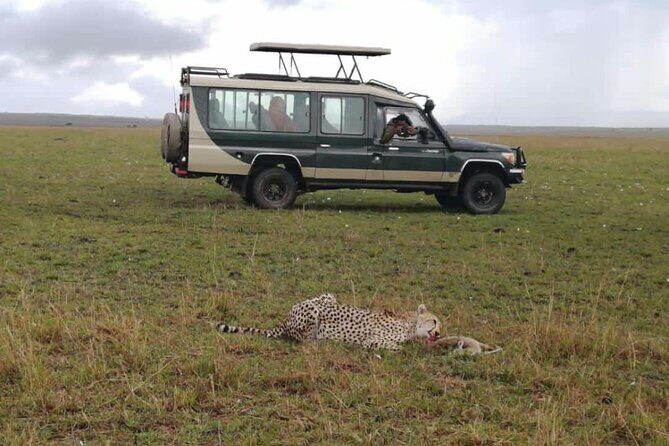
Day 2 is the long one. You’ll be up early for game viewing over the plains and golden fields where the acacia trees break up the distance. This is where you’re most likely to see a mix of everyday savannah action: grazers moving in groups, predators positioning themselves, and constant small signs of life.
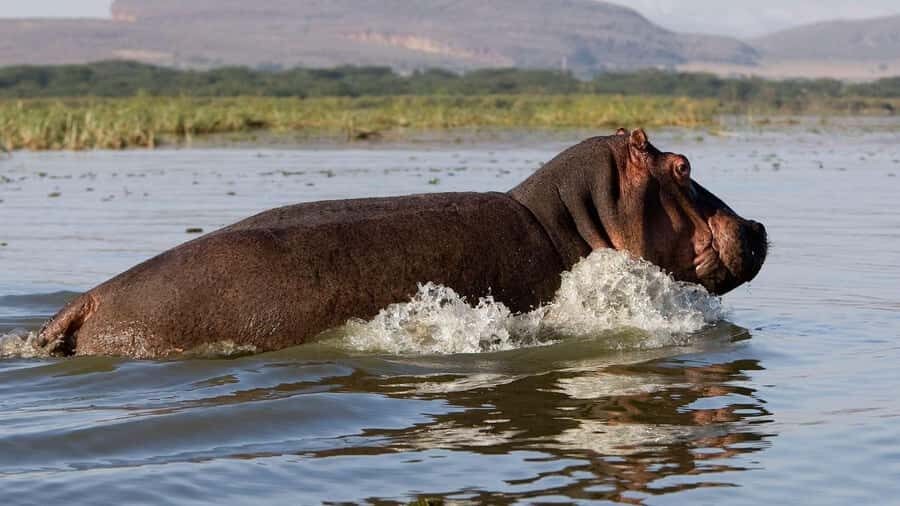
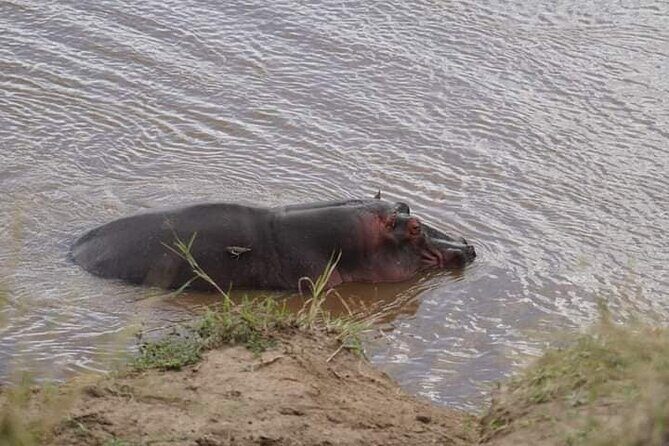
The plan includes a picnic lunch and then a stop at the Mara River, with lunch near the hippos pool. That hippo-area proximity changes how you experience the day. Instead of eating in a vehicle while watching passing grass, you get a wildlife backdrop while you eat, and it naturally slows everything down for a bit.
After lunch, you’re back out for more game drives. The big advantage of doing the Mara River day in the middle of your safari is that you can compare what you saw on Day 1 to what shows up during the next day’s morning and afternoon cycles. You start noticing patterns fast.
Practical reality check: you can’t control what you’ll see. But early hours plus a river-focus day is a strong approach because animals concentrate around water and movement corridors.
Day 3: dawn for big cats, then back to Nairobi
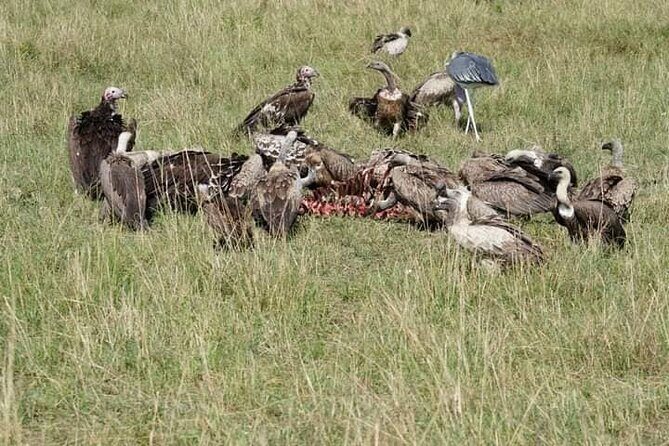
Day 3 is your wrap-up day, and it’s timed like one: early rise and a final game drive. Early morning is when you get the best odds for active predator behavior, including big cats hunting and stalking. This is also the easiest time to catch animals against a softer background light, which makes photography less brutal than midday.
After your last game drive, you exit Masai Mara and return to Nairobi. There’s also a lunch stop to break up the drive back to town, which helps if you’re arriving at Nairobi without turning the day into a full-on travel marathon.
If you’ve been building excitement on the earlier days, Day 3 is where you try to cash that excitement in with one last sighting. In the experiences shared, guides often timed their efforts around animal behavior rather than just chasing the biggest name animals, which is why Day 3 can feel purposeful instead of repetitive.
The private 4×4 Jeep: why it changes your safari
A private safari is more than a pricing category. It’s how you get better odds of seeing wildlife well, because you’re not stuck following a rigid convoy.
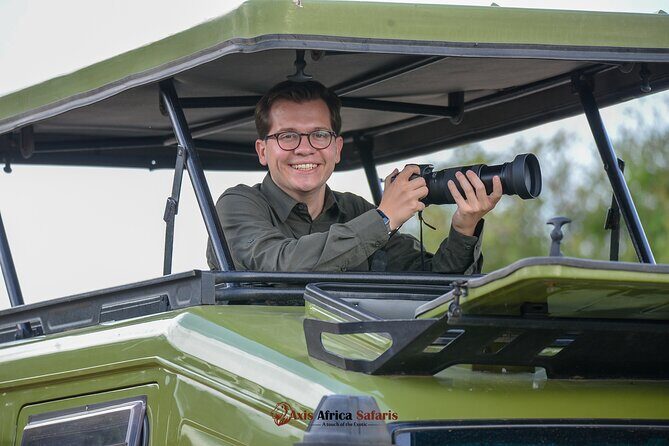
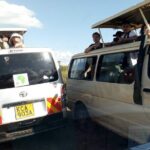
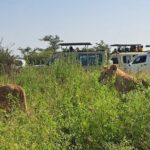
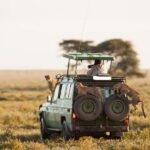
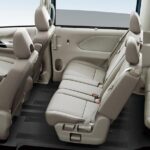
With a private 4×4 Jeep, your driver/guide can typically reposition faster and adjust the route based on tracks, movement, and what the group needs at that moment. And because you’re not sharing the jeep with unrelated travelers, you can keep your attention where it belongs: scanning, listening, and deciding what to watch next.
One thing that comes up in feedback: the road to and from the reserve can include rough stretches, with one experience noting around 90 km of rough road. That’s normal for the region, but it’s a reason to pack comfort items seriously—grip-friendly shoes, a light layer for morning chill, and something to keep dust under control.
If you’re thinking about comfort, I’d treat this like a safari-first trip, not a hotel comfort fantasy. The payoff is that you’re positioned to see more when the animals cooperate.
A few more Nairobi tours and experiences worth a look
Guides make the difference: how African Breeze Tours support shows up
In the feedback you shared, guides stand out for two reasons: they’re active spotters, and they share context instead of treating the drive like a silent bus ride.
Names that come up include Dennis, Isaac, and Jason (plus a note that the director coordinated changes). Dennis is described as good with animals and taking groups to strong viewing moments. Isaac is mentioned for being articulate and spotting animals well. Jason is referenced as helping keep people comfortable and answering questions quickly, while also handling last-minute changes.
Even when you do everything “right,” safari is still a wild place. A good guide helps you read what you’re seeing: what animal signs mean, what to watch for next, and how to keep expectations realistic without killing the excitement.
Also, the experiences shared mention feeling safe and looked after from pickup to drop-off. That matters because you’re spending most of your waking hours off the highway, in a remote area, and a steady operator makes the whole trip feel smoother.
Big Five odds and the Great Migration window you should plan around
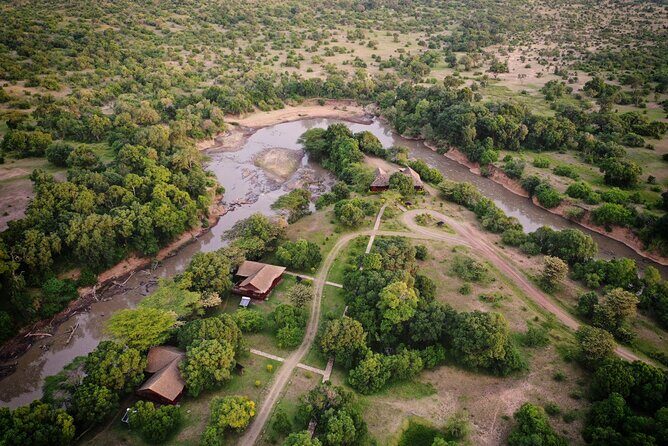
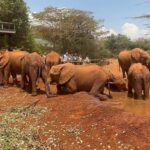
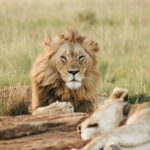
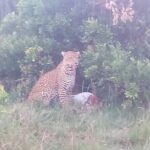
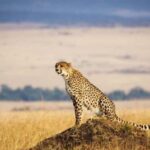
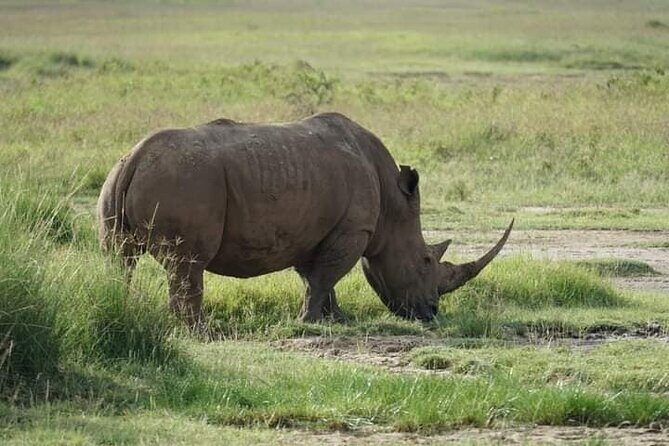
Masai Mara is home to the Big Five: lion, leopard, elephant, rhino, and buffalo. On this safari, you’re spending multiple days on game drives, including early drives when predators are often more active. That’s your best setup for seeing big cats like lions and cheetahs, which are generally seen more easily than elusive animals that prefer thicker cover.
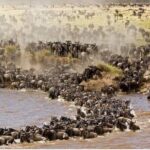
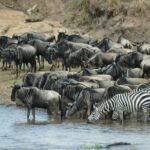
The tour also points out the Great Migration timing: the big wildebeest movement typically happens from mid June to end September. If you travel in that window, you’re adding the chance to see herds and migration energy that makes Masai Mara feel even bigger than usual.
If you travel outside the migration months, you still shouldn’t worry. The reserve is described as productive for wildlife year-round, so you’re not signing up only for a seasonal show. In practice, you may see more of the “everyday” ecosystem—predator-prey interactions, birds, and constant movement—rather than a single massive river-crossing moment.
What the $840 per person price gets you, and why it can be good value
This is listed at $840.00 per person for a roughly 3-day private safari. That’s not a cheap weekend getaway, but it is priced like a real private safari rather than a shared shuttle.
Here’s why the value math can work:
- Pickup is offered from Nairobi areas, which saves you time and hassle
- The tour is private, so your schedule isn’t compromised by random group coordination
- Park admission is listed as free in the package
- Day 2 includes picnic lunch, and you also have lunch near the hippos pool during that day
You’ll still want to budget for personal expenses like water, snacks, and souvenirs (those aren’t spelled out as included). Also remember that safari value is about sighting opportunities and time on the ground, not about luxury extras.
With a 4.4 rating and a 92% recommendation rate, the overall experience signal is strong. But do your due diligence: confirm exactly what meals are included across the three days, because the data explicitly mentions picnic lunch and the hippo-area lunch stop on Day 2.
What it’s like day-to-day: timing, comfort, and photo reality
Expect long days built around animal activity. You’ll be driving most of your safari time, with breaks that are meant for meals and resets, not endless downtime.
Heat is the biggest practical issue. One feedback note mentions it being hot during the day, but the experience still felt worth it. That lines up with reality in the Mara: mornings and evenings are usually the friendliest, and midday is when you want sun protection and hydration.
Photo-wise, the best shots tend to come from dawn light and when you’re stopped for viewing rather than bouncing through dust at every second. A private jeep helps because you can pause where your guide thinks the action will be, instead of rushing to satisfy a group timetable.
And yes, you’ll likely end up with that mix of dust and sun on your gear. Bring lens wipes, or at least be ready to accept some gritty character in your photos.
Who should book this Masai Mara private safari
This tour fits best if you want:
- More time in the reserve than a single-day safari can provide
- A private setup with your own 4×4 Jeep
- Early morning drives and at least one day focused around the Mara River area
It’s also a solid choice for families, based on the experiences shared where pickup-to-drop-off coordination felt organized and safe. If you like a guided rhythm with a driver who explains what you’re seeing, you’ll likely enjoy the experience more than a purely self-drive style.
If you hate long drives, dislike heat, or want a slower pace with lots of downtime, you might find the schedule intense. This safari is built for wildlife.
Should you book it? My take for the decision
Book this tour if you want a classic Masai Mara experience with enough days to matter. The combination of multiple game-drive blocks, an anchored Day 2 at the Mara River with lunch near the hippos pool, and early starts on the days that count is a strong structure.
Also, the guide experience in the feedback is encouraging. When you see names like Dennis and Isaac tied to spotting and good scenes, and Jason tied to comfort and quick help, that’s the kind of support that helps safari days go smoothly even when animals don’t cooperate on cue.
If you’re sensitive to heat or you’re planning around a very tight schedule, plan your days like a safari, not like a city break. Confirm your exact pickup time (there’s both 07:00 and 8:00 listed), pack for sun and dust, and you’ll be in good shape.
If you’re aiming for the Great Migration, focus your travel dates on mid June to end September. If not, you’re still getting a wildlife-rich reserve with year-round action.
FAQ
What time does the tour start from Nairobi?
The tour start time is listed as 8:00 am, and the itinerary day-by-day notes a 07:00 pickup. I recommend confirming your exact pickup time with African Breeze Tours when you book.
Is this safari private or shared?
This is a private tour/activity. Only your group will participate.
Does the package include entry admission for Masai Mara?
Admission tickets are listed as free in the tour details, including on the game drive days.
Is lunch included?
Day 2 includes a picnic lunch, and you’ll have lunch at the Mara River near the hippos pool area. Lunch is also mentioned as a stop during the drive back to Nairobi on Day 3.
Is there a best time to see the Great Migration?
The wildebeest migration is noted as taking place from mid June to end September, which is the prime window mentioned for migration viewing.
What happens if weather affects the safari?
The experience requires good weather. If it’s canceled due to poor weather, you’ll be offered a different date or a full refund.
Would you like me to tailor advice to your travel month (and your rough budget for meals, tips, and drinks), so you can judge how realistic Big Five sightings feel for your exact dates?