REVIEW · NAIROBI
vibrant nairobi city tour
Book on GetYourGuide →Operated by Royal safaris · Bookable on GetYourGuide
Nairobi hits you fast when you’re walking. This 2-hour city tour strings together major sights, market time, and museum stops with a live guide in multiple languages. You’ll start at GPO, then work your way through the parts of downtown that make the city feel real.
I especially like the Kenyatta International Conference Centre (KICC) stop. From there, you get an aerial look at the city layout, which is a big help when you’re new to Nairobi. I also enjoy how the route captures matatu culture and day-to-day shopping at the Maasai Market and City Market, so it’s not just monuments—it’s street life with context.
One thing to plan for: language and meeting-point problems do pop up. A few past bookings reported trouble finding the meeting point, and others found the guide language didn’t match what they requested. I’d confirm the exact meeting details and your preferred language before you go.
In This Review
- Key highlights to pay attention to
- Starting at GPO: a practical launch point for first-timers
- KICC: the aerial view that makes the city click
- August 7th Memorial Park: reflection with a walking pace
- Maasai Market and matatu culture: souvenirs and real street rhythm
- Nairobi Railway Museum: colonial-era echoes, made human
- Downtown modernity meets everyday life
- Nairobi Gallery: Kenya’s art as a language
- Jeevanjee Gardens: a green pause in the middle
- City Market: fresh produce vibes and local flavors
- Nairobi National Museum to finish: the big-picture wrap-up
- Price and value: $35 for a guided 2-hour orientation
- Guide quality and language: how to avoid the common snags
- Who this tour fits best
- Should you book this Nairobi city tour?
- FAQ
- How long is the Nairobi city tour?
- How much does it cost?
- Where does the tour start?
- Where does the tour end?
- What’s included in the price?
- Are entry tickets included?
- Is pickup included?
- What languages are available for the live guide?
- What’s the tour cancellation policy?
- Can I book without paying right away?
- Is the tour only in English?
Key highlights to pay attention to

- KICC aerial view that helps you understand Nairobi’s shape quickly
- August 7th Memorial Park for reflection and local historical context
- Maasai Market and City Market for crafts, souvenirs, and fresh local atmosphere
- Matatu culture you’ll spot up close while you move through downtown
- Nairobi Railway Museum and Gallery for Kenya’s colonial-era and arts perspective
- Jeevanjee Gardens as a green pause between busier streets
Starting at GPO: a practical launch point for first-timers

The tour begins at GPO, which is helpful because you can use it as a reference point for the rest of your Nairobi days. When you’re only in town for a short time, starting from somewhere central makes the whole plan feel less stressful.
Right away, you’ll head toward KICC, and you won’t just be sitting in transit. You’re walking through downtown with your guide, which means you’ll notice how people actually move, shop, and talk. That’s the difference between seeing Nairobi on a map and feeling it under your feet.
You can also read our reviews of more city tours in Nairobi

KICC: the aerial view that makes the city click
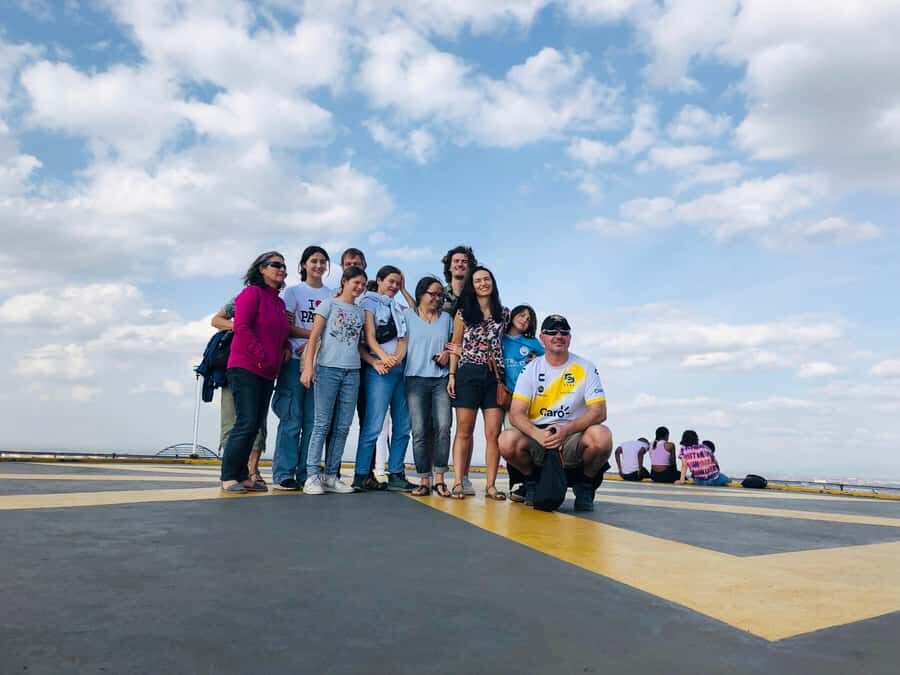
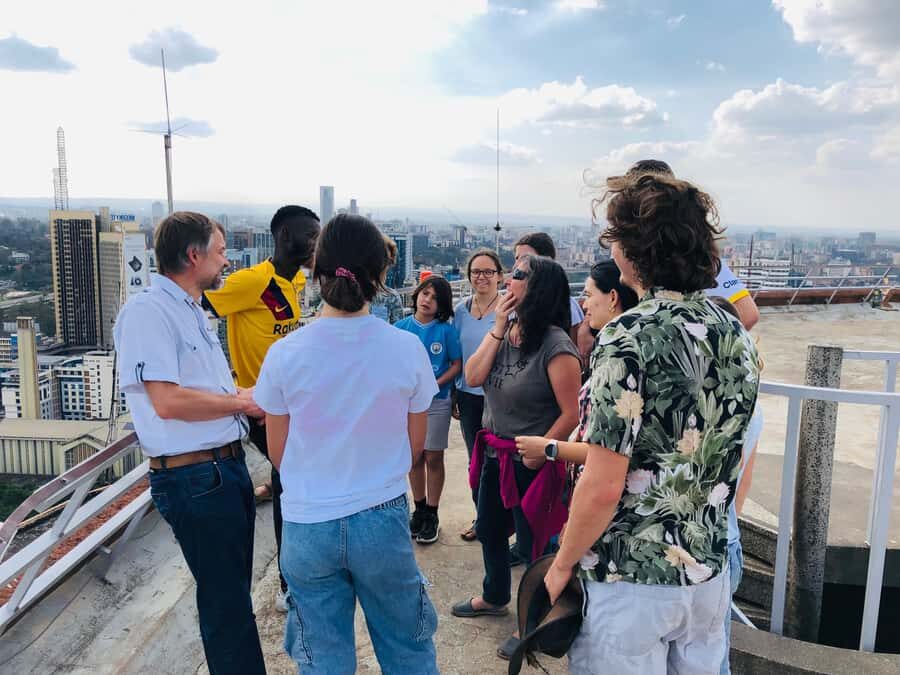
At KICC, expect a guided visit with scenic viewpoints along the way. The payoff here is the big-picture perspective. Nairobi can feel sprawling and confusing at first, so any elevated view helps you connect neighborhoods to what you’re seeing street level.
Also, KICC is a landmark with real weight in Nairobi. Even if you’re not into architecture, the guide can connect the building to the city’s role and timeline. Time is limited on a walking tour, so this is one of those stops designed to give you maximum orientation value per minute.
Practical tip: bring sun protection. Views mean standing around, and Nairobi light can be strong even when you’re not expecting it.
August 7th Memorial Park: reflection with a walking pace

After KICC, you’ll continue toward August 7th Memorial Park. This stop is built for walking and reflection. It’s not about shopping or photos; it’s about understanding why this place matters.
A guided park visit is especially valuable here because Nairobi has layers—political history, national memory, and everyday street life living side by side. Without a guide, it’s easy to see the site but miss the context.
Possible drawback: because it’s a reflective setting, the pace may feel a bit slower. If you’re the type who wants constant motion and nonstop sights, this is still worth it, but plan to trade speed for meaning.
Maasai Market and matatu culture: souvenirs and real street rhythm
The tour then turns into the part many people enjoy most—market time plus matatu culture. You’ll visit the Maasai Market, where you can browse colorful crafts and souvenirs. This isn’t a quick photo stop; you’ll have time to look around and get a feel for what’s on offer.
Matatus are central to Nairobi’s visual identity. Even on foot, you’ll notice them through sound, movement, and how people interact around them. That’s useful because it explains Nairobi’s “city energy” beyond generic travel photos.
How to get value at the market:
- Ask prices early, before you start comparing items in your head.
- Decide what you want before you get overwhelmed by choices.
- If something is a gift, prioritize something you can carry easily after the tour.
And yes—this is where you’ll probably want your small cash ready.
Nairobi Railway Museum: colonial-era echoes, made human
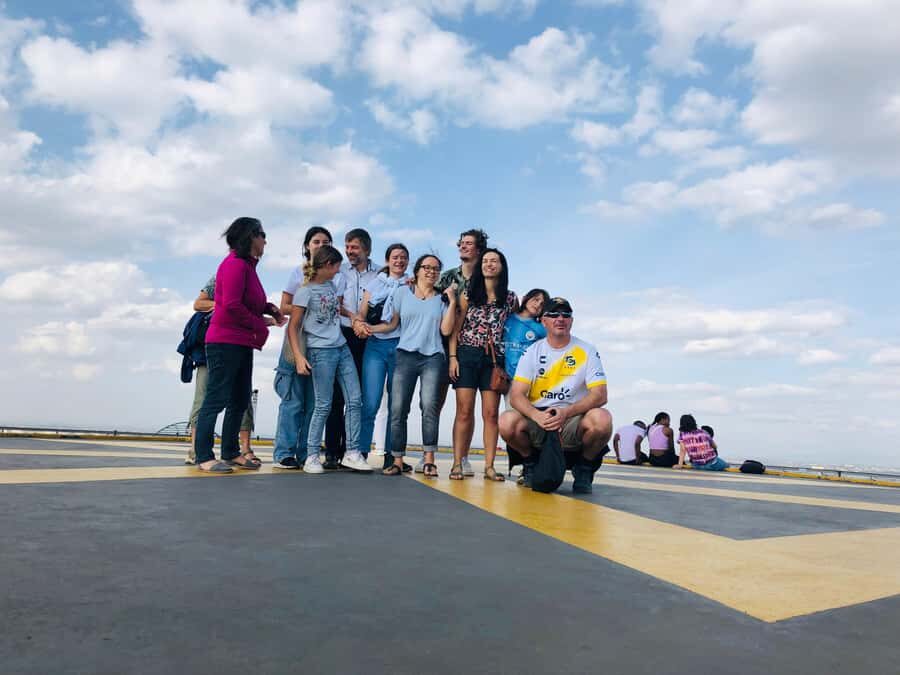
Next comes the Nairobi Railway Museum, a stop that helps connect Kenya’s broader story to something you can actually see. Railway heritage is one of those topics that can sound abstract until you stand in the museum and hear the guide’s explanation.
On a 2-hour tour, this is a smart inclusion. It gives you more than street-level impressions. You get a historical angle that helps you interpret why certain areas and institutions developed the way they did.
Drawback to keep in mind: museum exhibits can be harder to experience fully when you’re on a strict walking schedule. If you’re a detail person, you might wish you had more time. Still, as an orientation stop, it hits the mark.






Downtown modernity meets everyday life

You’ll also spend time in the downtown area, watching the mix of modern and traditional elements. This is the kind of walking segment that’s easy to underestimate, but it’s actually the thread that ties the whole tour together.
At street level, you learn how the city functions day to day: foot traffic patterns, informal commerce, and how people use public space. Even without specific “sight” landmarks, this segment can give you the confidence to navigate later on your own.
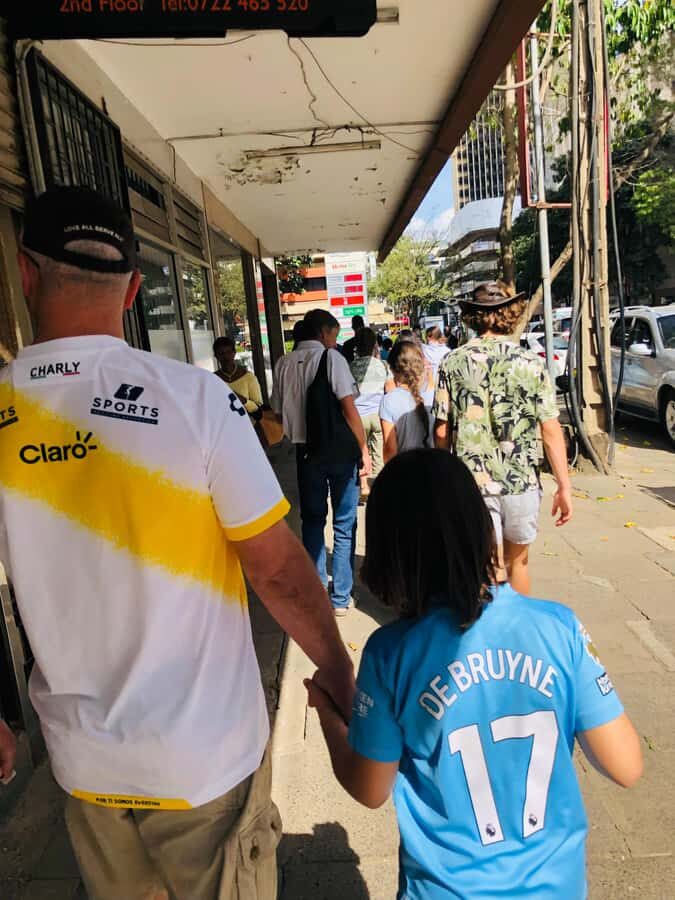
If you dislike walking through busy areas, you may want to pace yourself. Take breaks when your guide pauses, and don’t rush your photos. You’re paying for guidance, not speed.
Nairobi Gallery: Kenya’s art as a language
A stop at the Nairobi Gallery adds something different from markets and monuments: visual art and culture. If you like art, you’ll likely enjoy the chance to slow down and look at how Kenyan creators express identity and history.
This stop also works as a contrast. Markets can be loud and fast. A gallery is a mental reset. It’s a good place to ask your guide questions, because art often leads to broader cultural explanations.
Possible downside: if you’re not in the mood for galleries, this could feel like the most “optional” stop on the route. But even then, it can be worth it for the perspective change.
Jeevanjee Gardens: a green pause in the middle
Then you’ll reach Jeevanjee Gardens, which offers a calmer break from city streets. This is exactly the kind of stop that makes a short walking tour feel balanced. Without a pause like this, the whole experience can feel like one long sprint.
The gardens also give you a moment to recover before the last stretch. Think of it as time to reset: water break, quick photos, and letting your brain process what you’ve already seen.
If you’re traveling with kids or anyone who gets tired easily, these garden stops can be the difference between a good day and a drained one.
City Market: fresh produce vibes and local flavors
Next comes the City Market, where you’ll experience the local food and fresh produce atmosphere. This is where the tour becomes sensory. You’re not just looking at history now—you’re seeing what people buy and cook day to day.
This stop is valuable even if you don’t buy much. Market layouts teach you how Nairobi neighborhoods support themselves. They also help you understand local shopping habits, which can come in handy later when you want to eat like locals instead of only relying on restaurants.
Practical note: markets are active environments. Move carefully, watch your footing, and keep your valuables secure—simple stuff that matters.
Nairobi National Museum to finish: the big-picture wrap-up
The tour ends with a visit to the Nairobi National Museum, where you can explore exhibits on Kenya’s history, culture, and natural heritage. This is a logical closing stop. Earlier parts of the tour give you the street view; the museum helps you zoom out.
If you’ve been to markets and monuments already, the museum can put them into context. You’ll also likely find it helps with future planning—because it gives you background you’ll use later when you visit other parts of Kenya.
One consideration: because entry is not included, you should budget for museum admission if you plan to fully use it. If the museum feels like too much after the walking stops, you can still use it as a finishing orientation point.
Price and value: $35 for a guided 2-hour orientation
At $35 per person for about 2 hours, this tour is priced like a “first-day orientation” experience. You’re paying mainly for the guided route and the selection of stops that stack Nairobi context into a short time window.
What you get included:
- a tour guide
- the guided route through major downtown points and key cultural stops
What you should expect to pay extra for:
- entry fees (not included)
So the real value depends on your plans for museum/gallery time. If you want to walk the route, learn the stories, and potentially pay for entry at the museum, it can be a solid deal. If you skip most paid entrances, it becomes more of a guided stroll—which can still be enjoyable, just less “bang for your buck.”
Guide quality and language: how to avoid the common snags
A great guide makes this tour. Some bookings praised a guide named Daniel for being excellent and patient with questions, including broad topics about Nairobi life. That kind of responsiveness can turn a short walk into a real learning experience.
But there’s also clear warning from past experiences: language doesn’t always land the way you expect. There were reports of guests requesting certain languages (like German or Italian) but receiving an English-speaking guide due to language issues. And there were also reports about trouble finding the meeting point.
Here’s how I’d protect your time:
- Choose your language carefully when you book, and double-check that it’s confirmed.
- Plan to arrive a bit early at GPO.
- If you have special needs or want a specific language, message ahead.
This isn’t about expecting perfection. It’s about making sure your one short window in Nairobi doesn’t get eaten by avoidable confusion.
Who this tour fits best
This Nairobi city tour works especially well if:
- you’re new to Nairobi and want fast orientation
- you like mixing landmarks with everyday street life (markets plus matatu culture)
- you want a guided route that reduces decision fatigue
- you appreciate a short mix of history, art, and nature pauses (museum + gallery + gardens)
It might be less ideal if:
- you prefer to move at your own pace with lots of solo exploration
- you’re very sensitive to delays from language/meeting-point confusion
- you don’t like markets or walking through active areas
Should you book this Nairobi city tour?
Yes, if you want a structured introduction that covers the main angles of Nairobi in just 2 hours: KICC views, memorial context, market culture, and a wrap-up at the National Museum. It’s a good value when you use it like an orientation tool and plan for entry fees.
But book with eyes open. Confirm your meeting details at GPO and make sure your requested guide language is actually available. If you get the right guide, this tour can make Nairobi feel readable fast—and that’s exactly what you want on a first trip.
FAQ
How long is the Nairobi city tour?
The tour duration is 2 hours.
How much does it cost?
The price is $35 per person.
Where does the tour start?
The starting location is GPO.
Where does the tour end?
You’ll arrive back at GPO after visiting the stops, including Nairobi National Museum.
What’s included in the price?
A tour guide is included.
Are entry tickets included?
No, entry is not included.
Is pickup included?
No, pick up is not included.
What languages are available for the live guide?
The live guide is available in English, French, Spanish, German, Chinese, and Italian.
What’s the tour cancellation policy?
Free cancellation is available up to 24 hours in advance for a full refund.
Can I book without paying right away?
Yes. You can reserve now and pay later.
Is the tour only in English?
No. The guide can be live in several languages, depending on availability.