REVIEW · NAIROBI
3 days Masai Mara
Book on Viator →Operated by Besh African Adventures · Bookable on Viator
A trip to Masai Mara can feel like a dream. This one runs on big wildlife time plus Rift Valley views and a sundowner moment that’s hard to forget. I like the way the schedule stacks day and night game drives, and I also like that you get built-in pacing with picnic lunch and meals handled. One thing to think about: park fees are not included, so you’ll want to budget that extra cost before you go.
You start early from Nairobi and you end back at the same meeting point, with pickup offered and a mobile ticket to keep things simple. It’s a private safari for your group, which helps the guiding stay personal when sightings are slow. Based on how this operator handles hiccups, they take responsibility fast when something goes off track, including at least one case tied to payment confusion during confirmation.
In This Review
- Key things to know before you go
- 3 Days in Masai Mara: What You’re Really Buying
- Getting From Nairobi Without Stress
- Great Rift Valley Viewpoint: A Short Stop With Real Payoff
- Maasai Mara Evening Drive and Sundowner: Where the Magic Usually Starts
- Full Day Game Drive: Big Five Style Search Over 8 Hours
- Mara River: The 3-Hour Stretch Where Animals Gather
- Day 3 Early Morning Drive: One Last Shot at Fresh Sightings
- Meals and Comfort: What’s Included, What You Should Plan For
- Price and Logistics: Is $1,600 Worth It?
- Who This Safari Fits Best (and Who Might Reconsider)
- Should You Book Besh African Adventures for Masai Mara?
- FAQ
- What time does the 3-day Masai Mara tour start?
- Where does the tour start and end?
- Is pickup included?
- Is this a private tour?
- Are park fees included in the price?
- Are meals included?
- Are admission tickets included?
- Will I receive confirmation after booking?
- Is free cancellation available?
Key things to know before you go
- Rift Valley viewpoint + Maasai cultural souvenirs on Day 1, with a quick 30-minute stop that still lets you shop.
- Evening game drive with a sundowner drink in the reserve, when animals often get more active.
- One full day of hunting-for-big-5 energy over 8 hours, with a picnic lunch included.
- Mara River viewing for the migration and water-time drama, with a dedicated 3-hour stretch.
- Early morning drive on Day 3 for the best odds of fresh sightings before the day heats up.
- Private tour, mobile ticket, pickup available, so you’re not stuck juggling details on your own.
3 Days in Masai Mara: What You’re Really Buying
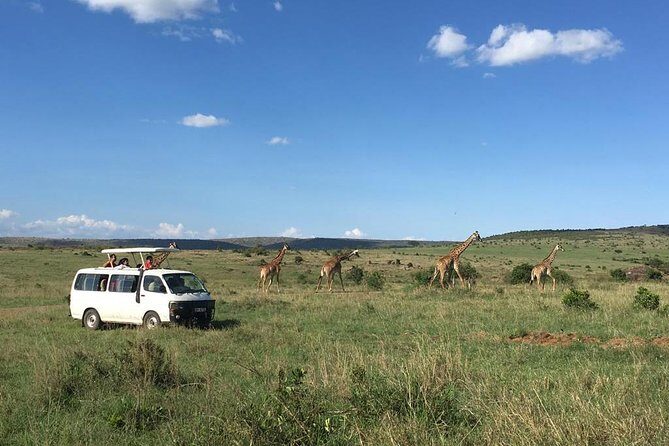
At $1,600 per person, you’re paying for more than transportation and a checklist. You’re paying for time in the reserve when animals show up, and for a guide who can keep your day moving while still giving you chances to stop, watch, and react.
The biggest value here is how the days are structured around animal behavior. You get an evening drive, a full day drive, a Mara River session, and then one last early morning drive. That rhythm matters. Wildlife doesn’t act on your schedule, but it does follow patterns—light, temperature, and watering needs.
This is also a private tour for your group. That’s not just comfort. It means you’re more likely to get adapted to what’s happening that day rather than being locked into a rigid, stop-and-hope plan.
A few more Nairobi tours and experiences worth a look

Getting From Nairobi Without Stress
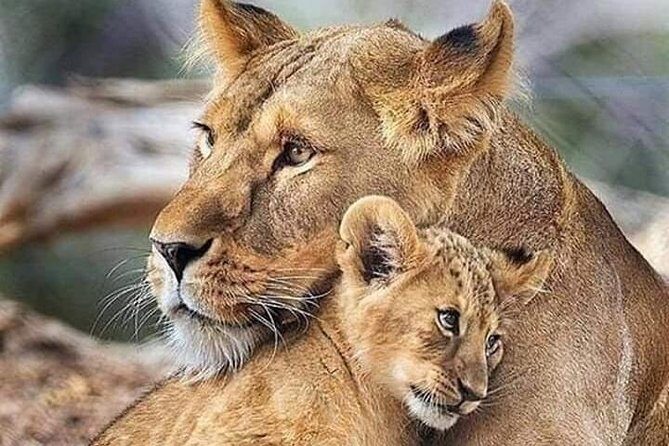
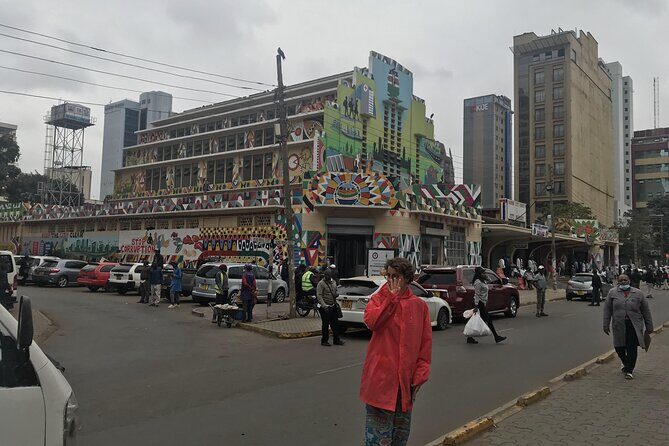
The tour starts back in Nairobi (7:00 am) and ends at the meeting point again. Pickup is offered, and you’ll have a mobile ticket. If you’ve ever started a safari with a confusing handoff, you know how much that affects your mood. Here, the plan is set up so the first moments are straightforward: meet, load up, and get moving.
Also, the tour is described as near public transportation and “most travelers can participate.” That’s a friendly signal if you’re weighing this against other safari options that can be more restrictive. Still, safaris are real travel days. You’ll likely spend long stretches in a vehicle and do typical game-drive standing/sitting, plus time outside around dawn or dusk.
Based on feedback about the provider’s response when there was a pickup or payment confirmation mix-up during a late arrival, the service approach seems to focus on fixing problems quickly. That matters because safaris can go sideways in small ways: timing, messaging, or confirmation details.
Great Rift Valley Viewpoint: A Short Stop With Real Payoff
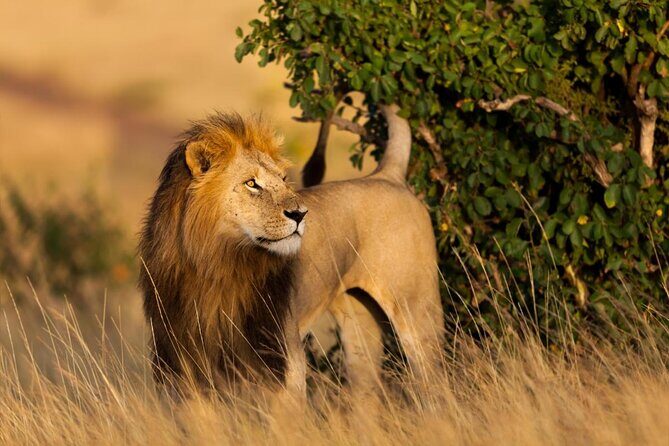
Day 1 begins with the Great Rift Valley viewpoint. You get about 30 minutes, including free admission for this stop, plus time to buy souvenirs connected to Maasai culture.
Is 30 minutes long? Not really. But it’s long enough to stretch your legs, get the big panorama moment, and pick up something meaningful without turning it into a chore. Rift Valley viewpoints are one of those places where the scenery helps you understand what you’re about to see in the reserve—this region is shaped by deep geological forces, and the Mara sits in a wider landscape system.
Practical tip: souvenirs are part of the stop, so be ready to browse and decide fast. If you like the items, great. If the prices feel high, you can still walk away. You’re not trapped. The schedule keeps moving.
Maasai Mara Evening Drive and Sundowner: Where the Magic Usually Starts
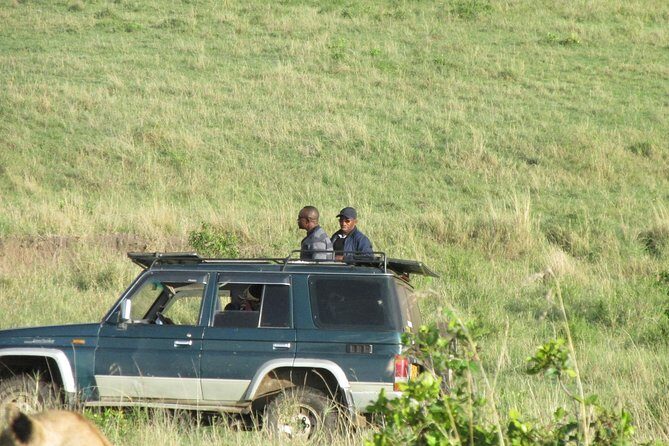
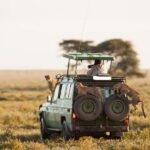
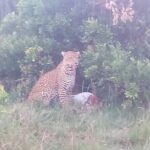
That first drive goes into Maasai Mara National Reserve for about 3 hours in the evening. This is prime safari timing. In the hours before dark, animals often move more. Predators and prey both tend to use cooler conditions, and visibility can feel just right—enough light to see action without the harsh glare of midday.
The sundowner drink adds something that’s hard to manufacture on your own. It’s not a theme-park stop. It’s more like a pause that lets you process what you’re seeing. You can sit, watch the light change, and soak in the fact that you’re inside wildlife country rather than just looking at it from a road.
What to consider: evenings can get cool fast, especially once you’re away from city warmth. Bring layers you can handle at a moment’s notice. Also, the reserve can feel darker quicker than you expect. If you’re prone to feeling cold or disoriented in low light, plan for that.
Full Day Game Drive: Big Five Style Search Over 8 Hours
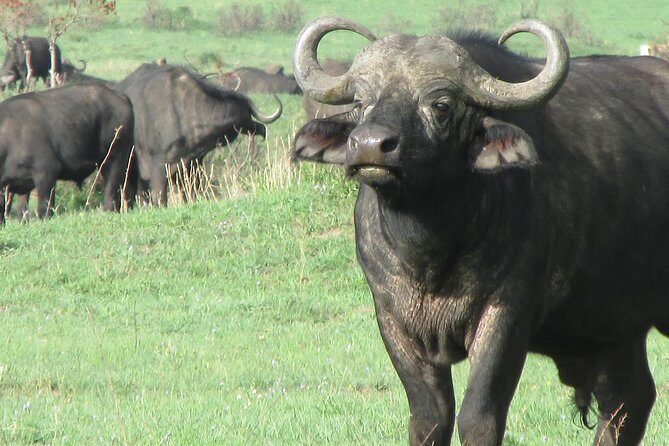
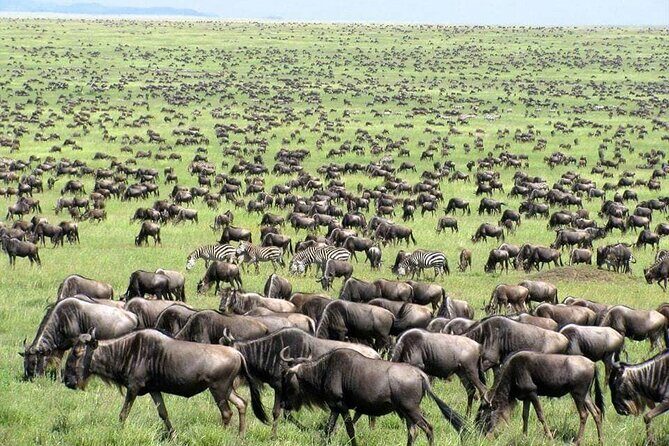
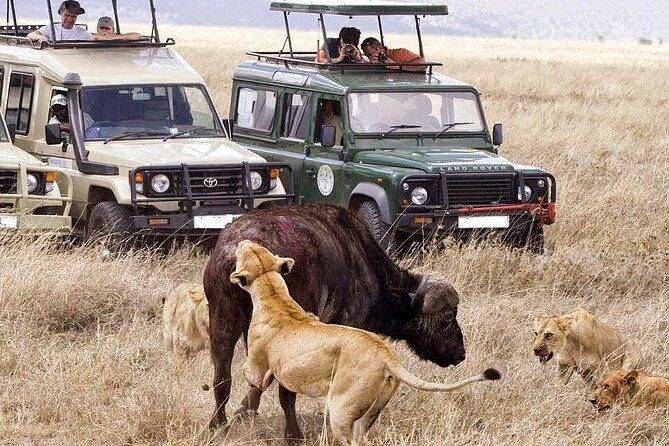
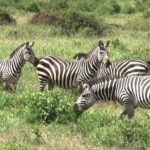
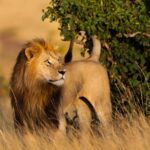
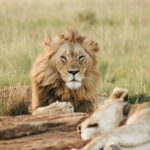
Day 2 is the workhorse. You’ll spend about 8 hours on a full day game drive in the reserve, aimed at seeing the big five animals and also catching the excitement around the wildebeest migration.
Big picture: the big five framing is useful because it sets expectations for the kind of animal encounters guides will focus on. But in real life, you might see some of the stars clearly and miss others. The value is the time and the guiding approach. With 8 hours, you’re not stuck doing a quick loop. You have room for detours and for patience when the best sightings are just around the next corner—or just downwind of where you’re positioned.
You also get picnic lunch during this long day. That’s a smart detail. It saves you from hunting for food in a remote area and keeps you on the wildlife schedule. When you’re in Mara country, every interruption costs you animal time.
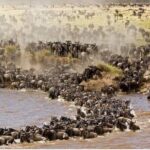
About the migration: the schedule explicitly mentions the great wildebeest migration. Migration is not guaranteed like a train schedule, because it depends on rainfall and local conditions. But having a dedicated full day drive that’s designed to find the migration action increases your odds. You’re not casually passing through; you’re targeting it.


Mara River: The 3-Hour Stretch Where Animals Gather
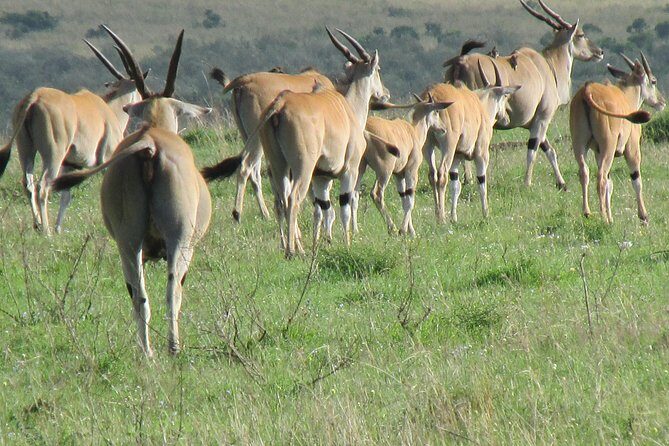
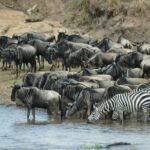
After the full day, Day 2 shifts to the Mara River for about 3 hours. This stop is all about animals quenching their thirst, and it’s tied to the migration story.
Here’s why this part matters: water concentrates life. When animals need to drink, they show up in predictable patterns, and that creates the kind of viewing that feels electric. You may see herds moving, clusters of animals gathered at shorelines, and the attention of predators drawn in by easy opportunities.
A drawback to keep in mind: river viewing can feel wait-heavy. Sometimes the best part is watching the rhythm—approach, drink, move on. That’s part of the thrill, but if you need constant action every minute, this might test your patience. I’d treat it as a chance to slow down, watch carefully, and let the river do the work.
Practical tip: keep your camera ready, but also keep your eyes on the horizon. The best moments often start with a distant movement you only notice if you’re paying attention.
Day 3 Early Morning Drive: One Last Shot at Fresh Sightings
Day 3 gives you an early morning game drive inside the reserve for about 2 hours. Morning drives often produce great visibility and active animals, especially when the air is still cool and animals are moving before the heat takes over.
Two hours is shorter than the other driving blocks, but the key is timing. You’re going out when the day is young, when sight lines can be better and the first waves of animal movement happen.
If you want one practical strategy: be ready to sit still and pay attention. In early light, details matter—tracks, distances, how animals react to nearby grass or shade. The guide’s job is spotting and positioning, but your job is giving your eyes time to adjust.
Meals and Comfort: What’s Included, What You Should Plan For
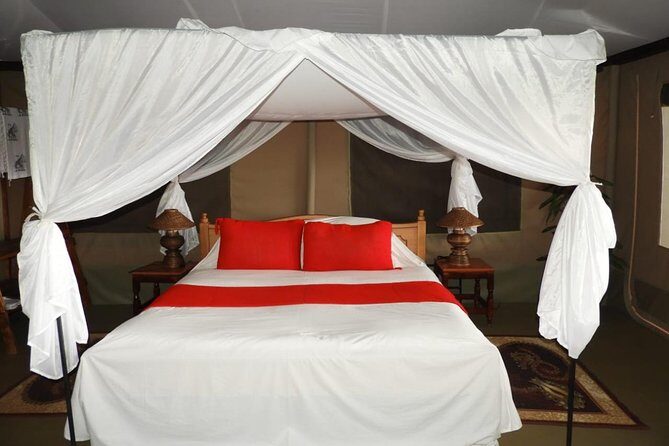
This safari includes meals: 3 lunches, 2 breakfasts, and 2 dinners. That’s a meaningful value piece. In safari travel, food can turn into an annoying hassle when you’re moving between remote areas. Having meals handled helps keep the day smooth.
The itinerary includes picnic lunch on the full day drive, and the meal set likely covers the rest of your days with breakfast and dinner. What isn’t listed as included is snacks, drinks beyond the sundowner moment, or anything you choose to buy along the way.
Also, remember you’re on a game drive schedule, which can mean long sits. Pack for comfort: breathable clothes for daytime, something warm for mornings and evenings, and whatever you need for long stretches in a vehicle.
Price and Logistics: Is $1,600 Worth It?
Let’s talk value honestly. At $1,600 per person for a 3-day private safari, you’re not paying bargain-basement prices. You’re paying for:
- private guiding and service attention
- multiple safari blocks inside Masai Mara
- meals (breakfasts, lunches, dinners)
- pickup offered and a mobile ticket process
What’s not included is park fee. That’s the most important extra cost to plan for. Because the park fee can change depending on current rates and rules, I recommend you confirm the expected amount with the operator before you lock in your budget.
Admission tickets are described as included for the Mara Mara reserve segments and the Mara River stop, and the Rift Valley viewpoint stop has free admission. But the explicit “park fee” note still matters. Translation: much of the core safari access may be included, yet you should expect some reserve-related fees to be paid separately.
Where this tour makes sense: if you want a well-paced safari with multiple chances for wildlife, and you’d rather spend your energy watching animals instead of managing logistics.
Where this might not fit: if you’re hyper-focused on the absolute lowest price or you already have a tight plan and don’t want to budget extra for park fees.
Who This Safari Fits Best (and Who Might Reconsider)
I think this works especially well for:
- first-time safari travelers who want a structured introduction to Masai Mara
- people who value multiple viewing windows (evening, full day, early morning)
- groups that like the attention of a private tour rather than sharing the schedule with strangers
- visitors who want meals handled so you don’t lose time searching for food
It may feel less ideal if:
- you dislike vehicle time and long waiting periods
- you’re traveling as a solo budget traveler who’s counting every dollar (because private safaris usually cost more)
- you’re sensitive to timing changes (safaris can shift based on animal activity, even when the plan looks fixed)
That said, the tour’s schedule is built around wildlife reality: you’re not just doing one quick drive. You’re building in repeated opportunities.
Should You Book Besh African Adventures for Masai Mara?
My take: if your goal is to maximize your chances of real wildlife encounters in Masai Mara, this format is a solid choice. The combination of evening viewing, a full day game drive with picnic lunch, a dedicated Mara River session, and an early morning send-off gives you more than one way to have the trip “click.”
The best reasons to book are the structure and the support. You get a private approach, pickup is offered, and meals are included, which keeps the whole thing from becoming a logistics puzzle. Add the Rift Valley stop and the sundowner pause, and you get a trip that covers more than just scanning for animals.
The only real reason to hesitate is money management. Confirm the park fee expectation so there are no surprises. And if you have an unusual arrival situation, make sure pickup details and confirmations are crystal clear before the first morning.
If you like your safari with a plan—but not the kind that ignores animal behavior—this three-day run is worth serious consideration.
FAQ
What time does the 3-day Masai Mara tour start?
The tour start time is 7:00 am in Nairobi, Kenya.
Where does the tour start and end?
It starts in Nairobi, Kenya and ends back at the meeting point.
Is pickup included?
Pickup is offered.
Is this a private tour?
Yes. It’s a private tour/activity, and only your group will participate.
Are park fees included in the price?
No. The park fee is listed as not included.
Are meals included?
Yes. The tour includes 3 lunches, 2 breakfasts, and 2 dinners.
Are admission tickets included?
Admission tickets are listed as included for the Maasai Mara National Reserve and Mara River stops. The Great Rift Valley viewpoint stop is free.
Will I receive confirmation after booking?
Confirmation will be received at time of booking.
Is free cancellation available?
Yes. You can cancel up to 24 hours in advance for a full refund.