REVIEW · KISUMU
Kisumu City Centre Walking Tour
Book on GetYourGuide →Operated by Jack williams · Bookable on GetYourGuide
Walk Kisumu and you’ll feel the city work. This local guide-led stroll is made for seeing real neighborhoods, plus you get street food stops along the way. The one catch: you’re walking for about 3 hours, so you’ll want comfy shoes and a decent tolerance for market-side noise and crowds.
Jack Williams runs the tour with straightforward English and a pace that can shift to your preferences. If you’re hoping for a museum-heavy itinerary, this is more street-level—markets, parks, and everyday life than big-ticket monuments.
What makes it feel meaningful is the purpose behind the walk: part of the booking supports education for orphans and vulnerable children in Kisumu through OAC Kenya (Tours & Crafts) and KCOOP. And because Jack lost both parents when he was 9, this isn’t charity-from-a-distance—it’s personal. If you’re traveling purely for sightseeing and don’t want any community angle, you may find that focus a bit intense.
In This Review
- Key points to know before you go
- Meeting Jack at United Mall Kisumu, Then Letting the City Set the Tempo
- Jack Williams and the Purpose Behind the Tour Fee
- Kisumu’s Port-Era Story: From Port Florence to Mboka (Place of Barter)
- Sightseeing by Foot: Markets, Parks, and Getting the Real Layout
- Street Food Stops: Taste Kisumu Like a Local, Not Like a Tourist
- A Possible Lakeside Add-On: Dunga Fishing Village and the Walk Board Finish
- Price and Logistics: Why $29 Is Better Than It Looks
- What to Expect From the Walk Itself
- Who This Tour Fits (and Who Might Want to Choose Another Option)
- Should You Book the Kisumu City Centre Walking Tour?
- FAQ
- Where does the tour start?
- How long is the Kisumu City Centre Walking Tour?
- What language is the guide?
- What is included in the tour price?
- How much does it cost?
- Can I get a refund if my plans change?
- Can I book and pay later?
Key points to know before you go

- Meet at United Mall Kisumu, by KFC for an easy start with clear directions.
- 3 hours on foot that blend sightseeing with community energy.
- Street food tastings so you taste Kisumu, not just look at it.
- Jack Williams’ education mission: your fee helps fund school needs via OAC Kenya and KCOOP.
- English-speaking live guide for smoother conversations and stories on the street.
- Kisumu’s transport roots show up in what you see, from railway links to Lake Victoria.
Meeting Jack at United Mall Kisumu, Then Letting the City Set the Tempo

Start at United Mall Kisumu, right at the entrance where KFC sits. That simple meeting point matters in Kisumu, because it helps you avoid the classic first-hour stress of trying to find a guide in a busy area.
From there, you’ll transition into “walk-and-talk” mode. The tour is designed around you getting your bearings fast—how the streets flow, where people gather, and how daily life connects to the city’s older role as a transport hub.
A small practical tip: plan to stay alert in crossings and busy sidewalks. Even on a relaxed walk, you’ll likely be moving through market-adjacent foot traffic where attention beats rushing.
You can also read our reviews of more tours and experiences in Kisumu.

Jack Williams and the Purpose Behind the Tour Fee

This tour isn’t just about snapping photos. Jack Williams is a social entrepreneur and social worker and also volunteers, with a stated goal of promoting education for orphans and vulnerable children in Kisumu.
Here’s what that means for your money: booking fees help pay school fees and buy supplies. That work connects through OAC Kenya (Tours & Crafts) and a nonprofit community-based organization called KCOOP, and Jack also links volunteers with charity schools and orphanages through his social enterprise.
This is the part I like because it gives the tour a real “why.” You’re not donating after the fact—you’re participating while the city tells its story. And since Jack grew up very humbly and lost both parents at age 9, his motivation isn’t packaged. It’s lived.
Kisumu’s Port-Era Story: From Port Florence to Mboka (Place of Barter)

Kisumu sits in Central Kenya and has played multiple big roles over time. You’ll hear it as you walk: the city was established in 1901 as an alternative terminus for the Uganda Railway, originally called Port Florence. In 1903 it reverted to Kisumu.
Then there’s the Lake Victoria angle. Kisumu became a major port during the commonwealth of East Africa, helping connect trade routes—people moved goods and travelers linked up through caravan trails running from the coast (including Pemba, Mombasa, and Malindi) toward Uganda and Central Africa.
One of the most memorable facts you can keep in your head as you explore: Kisumu was the landing point for the first flight in East and Central Africa. British amphibian planes transported passengers and mail on a route between Southampton and Cape Town, and Kisumu was part of that leap into air travel.
You’ll also get the nickname Mboka. It comes from a Luo word meaning a place of barter trade. That detail helps you read the city with better context: markets aren’t random—they’re part of the language of exchange.
And Kisumu isn’t one-dimensional. It’s also described as a commercial and transport hub in the Lake Victoria basin, with industries tied to processing agricultural products, fishing, brewing, and textile manufacturing. When your guide ties these threads to what you see nearby, the city stops feeling like a stopover and starts feeling like a system.
Sightseeing by Foot: Markets, Parks, and Getting the Real Layout
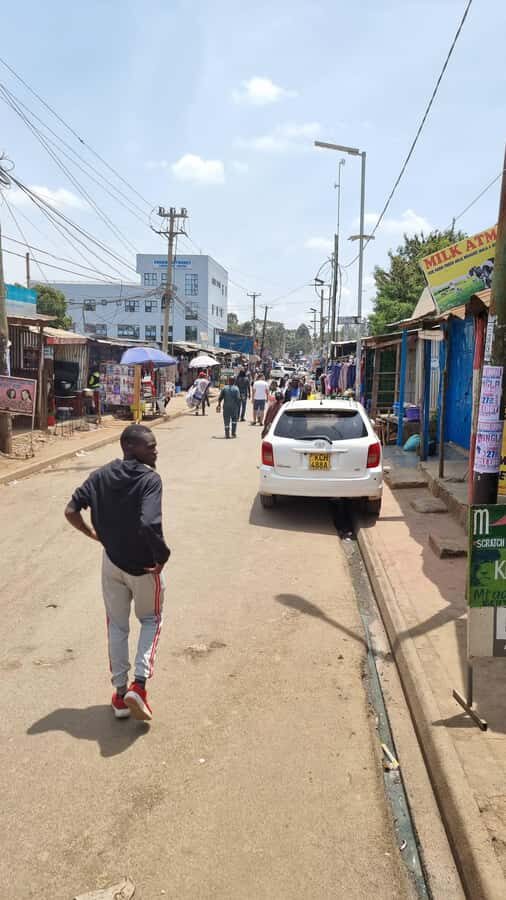
A lot of city tours “start” and “end” at landmarks. This one is more about rhythm. You’ll be walking through Kisumu with your guide, taking in the sights through neighborhoods that show how people actually live and move.
Some walking tours can feel like a checklist. This one leans toward helping you understand the flow: where the energy concentrates, where people wait, where conversations happen, and how the space around transport and trade shapes daily life.
One reason that works well for visitors is timing. In about three hours, you don’t have to master the whole city. You just need to understand enough to avoid feeling lost. A guided walking loop is a fast way to learn local scale—what’s close, what’s far, and where you can build the rest of your day.
Shoes matter here. Expect uneven sidewalks in places, and don’t plan on perfectly clean floors. Pack like you might step off a main route into something a bit more textured underfoot.
Street Food Stops: Taste Kisumu Like a Local, Not Like a Tourist

The tour includes street food tasting. That’s one of the best “bang for your time” options, because food is how you learn the city in minutes.
You’ll likely sample foods that match the local favorites—things you can eat quickly without turning the tour into a long meal. If you’re the type who gets value from small bites rather than big restaurant stops, this will fit your style.
Practical approach: be a confident eater but not reckless. Stick to food that looks freshly prepared, and if you have dietary restrictions, flag them early so Jack can steer you toward options that work for you.
Also, bring small cash if you want flexibility. The tour covers tasting as part of the experience, but if you end up wanting extras (and street food can be hard to resist), you’ll appreciate having the option.
A Possible Lakeside Add-On: Dunga Fishing Village and the Walk Board Finish
There can be a shift in scenery on some departures. On at least one confirmed walk, the group used a motorbike to head toward Dunga and then walked through a fishing village stretch.
This is where Kisumu’s Lake Victoria connection stops being a history lesson and becomes something you can feel. Fishing communities run on specific rhythms—where people work, how they talk, and how the lake shapes routines. Even if you don’t stay long in that setting, walking through it gives you a different understanding than looking at a map.
That same finish can include seafood such as tilapia and ugali at the boardwalk area known as the Walk Board. It’s a nice way to close a walking tour: sit for a bit, eat something simple and local, and let the day settle.
Because this kind of add-on depends on the day and flow of the group, don’t plan your entire afternoon around it. But if you want a bit more of the lake-life story, ask Jack what the likely route looks like for your time slot.
Price and Logistics: Why $29 Is Better Than It Looks
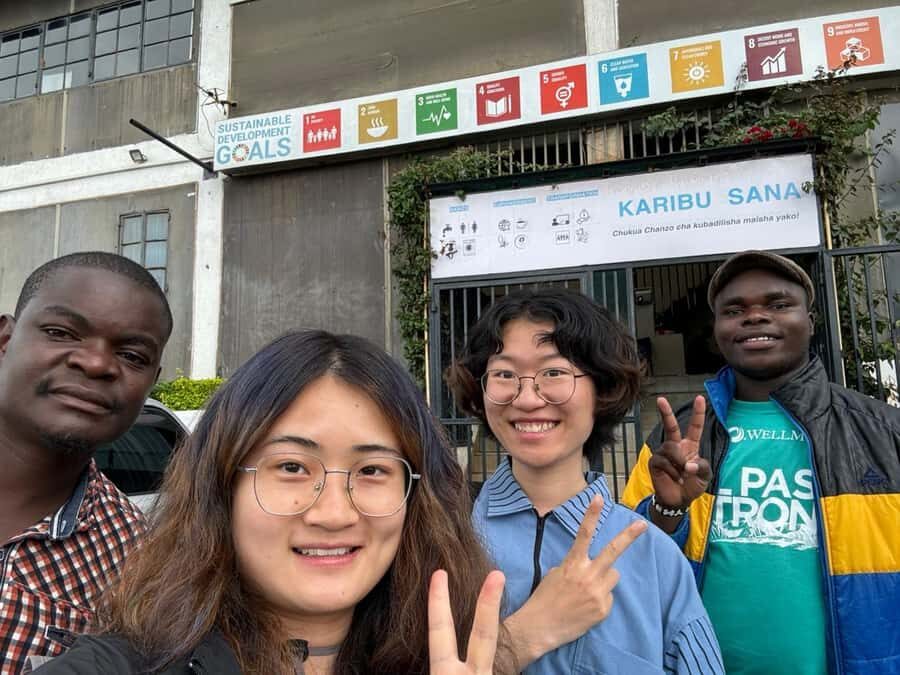
At $29 per person for about 3 hours, the price looks straightforward. The real value is what’s wrapped into it: a live guide in English, sightseeing on foot, street food tasting, and a documented plan for where part of your fee goes.
It’s not just “pay for a tour.” You’re paying for guidance plus a community outcome through OAC Kenya (Tours & Crafts) and KCOOP. Since the purpose is tied to education support—school fees and supplies—the impact has a clear shape.
There’s also a human value here. Jack is punctual, and the tour is described as flexible with preferences. That kind of adaptability matters more than people think: if you’re tired, curious, or want to spend extra time on a market corner, a rigid script can make the experience feel off.
If you like your travel days to mix practical learning with something that feels real, this price usually makes sense. If you’re purely chasing the biggest sights in the shortest time, you might find other tours offer more landmark density. But for a first taste of Kisumu—plus food and purpose—this is strong value.
What to Expect From the Walk Itself

Here’s the shape of your time: you’ll start at United Mall Kisumu, then you’ll move through Kisumu with Jack as your English-speaking guide for the 3-hour window, ending back at United Mall Kisumu.
During that time, expect a mix of city sights and social context. Jack’s background as a social entrepreneur and volunteer means you won’t just hear facts about Kisumu—you’ll hear stories connected to education and community needs.
If you’re traveling with a flexible mindset, you’ll likely enjoy it more. This is the kind of tour where asking questions leads to better answers, and where the city’s details land because someone explains why they matter.
And yes, you’ll do real walking. Three hours is manageable, but it’s long enough that you’ll feel it if you show up in worn-out shoes or plan to stop every five minutes.
Who This Tour Fits (and Who Might Want to Choose Another Option)
I think this tour fits best if you like:
- learning a city through daily life, not just monuments
- conversations with a local guide in good English
- short food tastings that help you understand what people actually eat
- travel that ties into a community cause
It might be less ideal if you want:
- a long, structured schedule focused on major landmarks
- lots of time for museums or indoor sights
- a silent, low-interaction experience
Also, because the route and add-ons can vary, it’s smart to ask what the planned focus is for your day. Jack is described as flexible, so you can usually shape the experience a bit.
Should You Book the Kisumu City Centre Walking Tour?
I’d book it if you want an efficient first look at Kisumu that includes street food, a guide who connects the city’s transport-and-trade past to what you see today, and a clear community support element. The $29 price is easier to justify when part of the fee goes directly toward education support through OAC Kenya and KCOOP.
Skip it if your travel style is strictly checklist sightseeing, or if you dislike walking through markets and community spaces. This tour leans human-scale, and you’ll feel that in the streets.
If you’re on the fence, here’s the deciding question: do you want Kisumu as a place people live, trade, and learn from—rather than just a place to photograph? If yes, this one is worth your time.
FAQ
Where does the tour start?
You meet at United Mall Kisumu. There’s a KFC at the entrance of the mall, and you should meet in front of KFC.
How long is the Kisumu City Centre Walking Tour?
The tour lasts about 3 hours.
What language is the guide?
The tour has a live guide who speaks English.
What is included in the tour price?
The experience includes a guided walking tour with sightseeing, street food tasting, and part of the booking fees supports education for orphans and vulnerable children through OAC Kenya (Tours & Crafts) and KCOOP.
How much does it cost?
The price is $29 per person.
Can I get a refund if my plans change?
Yes. You can cancel up to 24 hours in advance for a full refund.
Can I book and pay later?
Yes. The option is available to reserve your spot and pay nothing today.