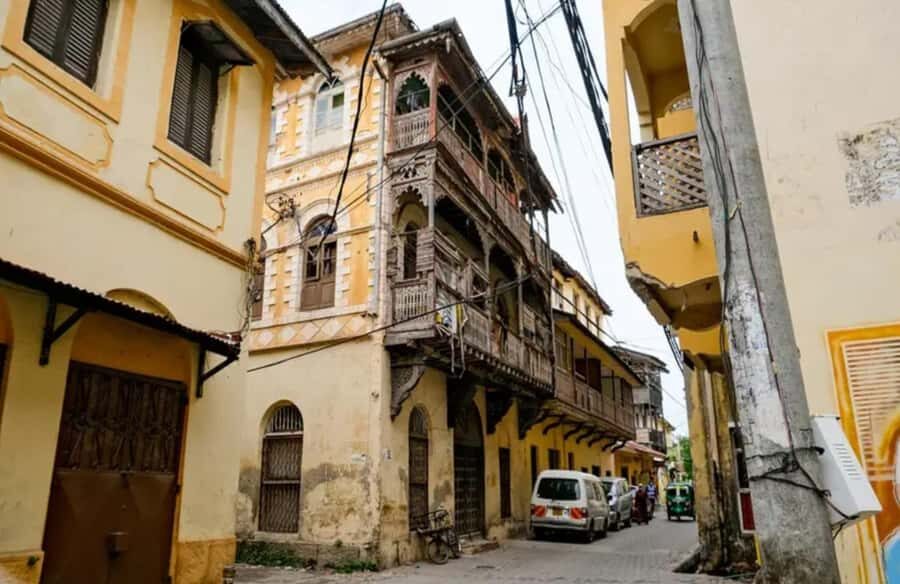
REVIEW · DIANI
Diani: Market and Street Food Walking Tour
Book on GetYourGuide →Operated by Kaaribu Experiences · Bookable on GetYourGuide
A market walk beats a beach-only afternoon. On this Diani tour, I like the market walk for the real daily trading energy, and I like the palm wine tasting for how it turns local drink culture into something you can actually try. The big consideration: it is a warm, hands-on route, so come ready to walk and eat close to locals.
You start at Tsunami Garden Cafe, then you head straight into the market area with an English-speaking guide who explains what you’re seeing. In many cases, that guide is Tina, and the tour style is very much about context: not just where the food is, but how the market supports everyday life and how craftspeople make traditional clothes.
This is also a very food-forward experience, with tastings at a local restaurant and a local bar rather than a polished, touristy meal. If you have food allergies or need wheelchair access, this one isn’t a fit—plus if you expect a long, multi-neighborhood crawl, 90 minutes will feel compact.
In This Review
- Key things you should know before you go
- Start at Tsunami Garden Cafe for an easy, local beginning
- Ibiza Market walking: trading lanes, local stories, and a chance to learn
- Swahili starter and mains: what you actually eat on the tour
- The starter: Swahili porridge with wheat, cardamom, and coconut
- Main plates: chapati or coconut rice plus coconut beans
- Ugali with sukumawiki: the no-fuss classic
- Viazi Karai snack: a sweet-and-salty finish that keeps moving
- Palm wine tasting at a local bar: try it, don’t force it
- What this tour includes (and why that matters)
- Duration and group size: why 90 minutes feels different here
- Weather and comfort: the real trick is being prepared to walk
- Who this Diani market and street food walk is best for
- Value check: is $30 a good deal for this kind of tasting?
- Should you book this Diani market and street food tour?
- FAQ
- Where is the meeting point for the Diani market and street food tour?
- How long is the tour?
- How many people are in the group?
- What food do you try during the street food tastings?
- Is palm wine tasting included?
- What language is the live guide?
- What is included in the price?
- Is hotel pickup and drop-off included?
- What should I bring and wear?
- Is the tour suitable for people with food allergies or wheelchair users?
Key things you should know before you go
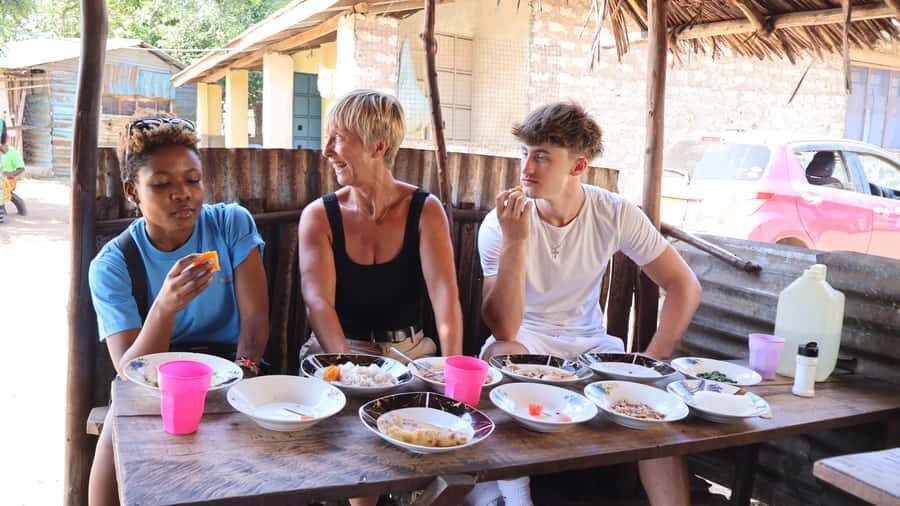
- 90 minutes, small group (up to 10): quick but personal, not a huge bus-style tour.
- Ibiza Market visit: you get time to walk through the trading lanes, not just a quick photo stop.
- Swahili porridge to finish the arc: a wheat, cardamom, coconut milk starter that sets the tone.
- Try a traditional Swahili dress: you can sample deras and learn how tailoring starts.
- Palm wine tasting at a local bar: you taste it as a cultural moment, not a party.
Start at Tsunami Garden Cafe for an easy, local beginning
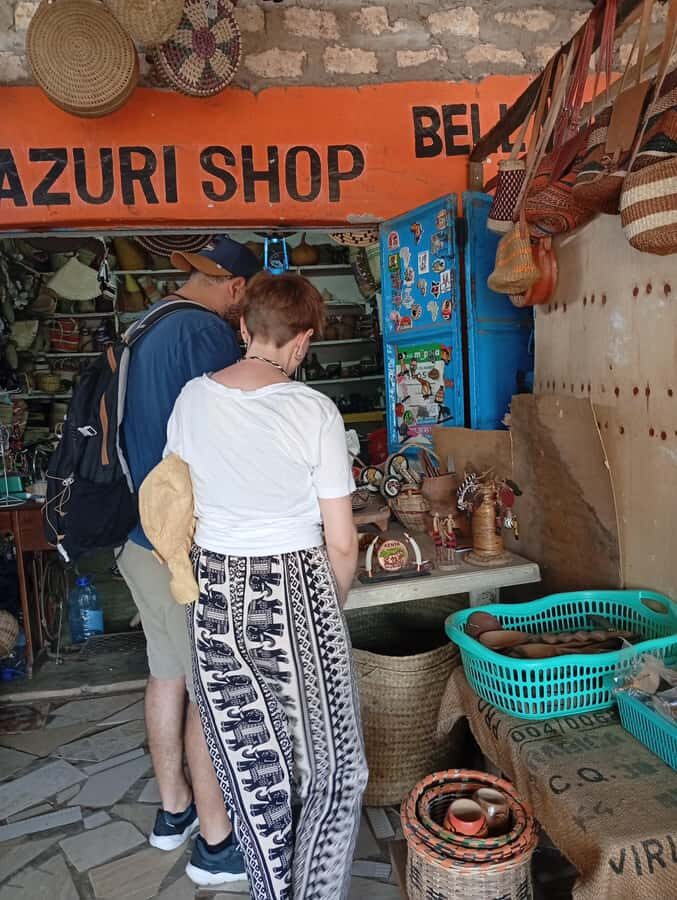
Your tour begins at Tsunami Garden Cafe in Diani. A staff member (a lady standing out front) meets you by name, so you should arrive a bit early and keep an eye out for the group there. Once you’re gathered, you get a short briefing on the flow—walk, market, tastings, then a local bar.
This is one of the reasons I like this tour format. Instead of adding complicated logistics, the start is straightforward and nearby, and the total time stays tight at about 90 minutes. That matters in coastal Kenya, where weather can shift fast and the sun can be intense.
Bring the basics that the tour asks for: comfortable shoes, water, a sun hat, and your camera. You’ll do real walking, and you’ll be taking photos in close quarters around stalls and shops.
You can also read our reviews of more tours and experiences in Diani.



Ibiza Market walking: trading lanes, local stories, and a chance to learn
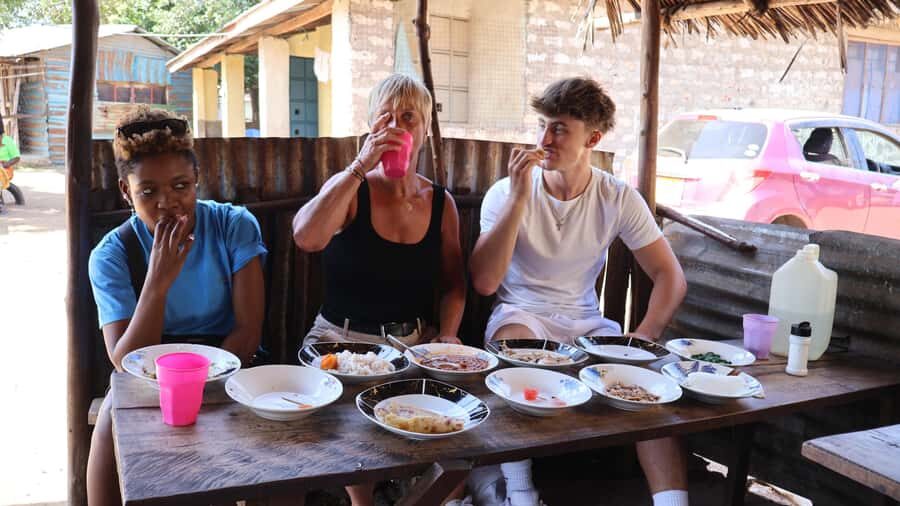
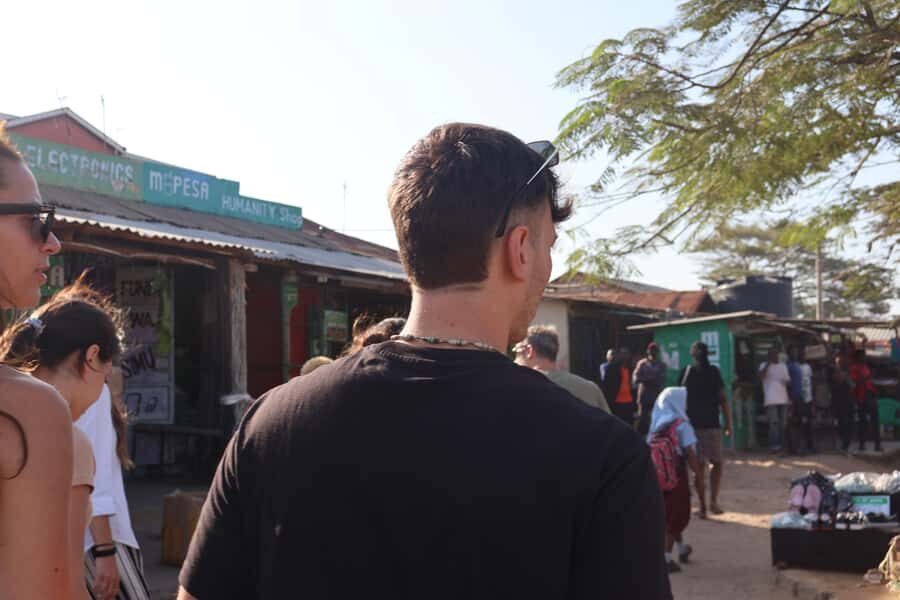
The heart of the tour is the market visit, about 30 minutes in the market area. This is where the experience becomes more than food. You walk with a guide who explains how local people trade, how stalls are set up, and how the market functions as part of daily life in the Diani/Mombasa region.
You’ll also pass by a souvenir shop and a tailoring shop. That tailoring stop is a standout because it isn’t just window-shopping. You can sample deras, which are traditional women’s Swahili dresses, and you’ll learn about how the tailoring process starts and how work begins. Even if fashion isn’t your main interest, it adds a cultural layer you usually miss on pure street-food tours.
A quick practical note: markets can be crowded and warm, and you’ll likely smell spices, cooking oil, and fresh produce all at once. If you’re sensitive to strong smells, carry that expectation with you.
Swahili starter and mains: what you actually eat on the tour
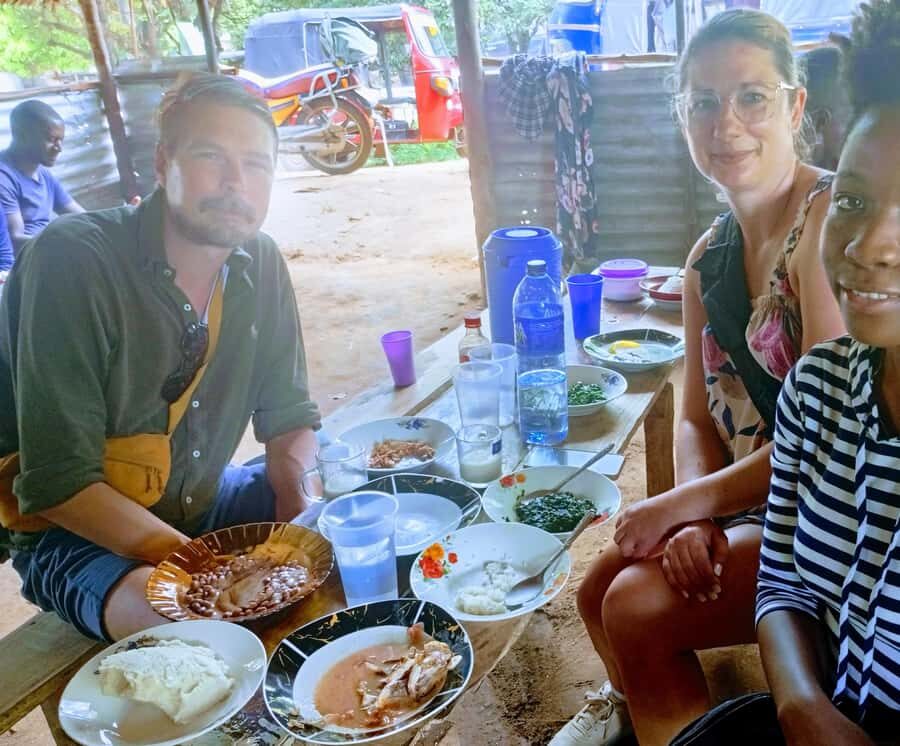
After the market walk, you move into food tasting. This is where the tour stays very concrete: you’re offered specific dishes, not vague descriptions. The tastings are designed so you get a mini taste-map of Swahili-leaning comfort food and everyday staples.
The starter: Swahili porridge with wheat, cardamom, and coconut
The tour starts with a cup of Swahili porridge made from wheat, cardamom, and coconut milk. Cardamom gives a warm, fragrant note, and coconut milk adds that soft richness that fits coastal flavors well. I like that this starter is not just sweet or spicy—it’s aromatic and gently filling, so it prepares you for the more substantial mains.
Main plates: chapati or coconut rice plus coconut beans
Next up, you’ll try chapati or coconut rice with coconut beans. This is the kind of meal pattern you’ll see across the region: flatbread or rice paired with a bean dish for comfort and staying power. If you’re used to ordering something “light,” know that these mains are meant to be satisfying.
If you’re eating with a group, it helps to keep your expectations simple. You’re here for tastings of local specialties, and the goal is variety across the course rather than getting a large restaurant plate you can take your time with.






Ugali with sukumawiki: the no-fuss classic
Then comes ugali with sukumawiki. Ugali is a staple—firm, filling, and made for scooping. Sukumawiki is cooked leafy greens, usually with spices and sometimes a touch of sweetness, depending on how it’s prepared. Together, they’re the kind of pairing that makes sense for everyday eating, not just special occasions.
If you want to understand Kenyan food culture quickly, this combo is one of the quickest ways in. It’s straightforward, practical, and deeply local.
Viazi Karai snack: a sweet-and-salty finish that keeps moving
Toward the end of the tastings portion, you finish with a snack called Viazi Karai. The name is associated with a fried potato-style snack in the region, often served hot and best eaten soon after it’s prepared.
I like this last bite because it creates a clean ending point. You’re not stuck with a heavy meal that drags on, and you get something quick to munch before you head to the next stop.
Palm wine tasting at a local bar: try it, don’t force it
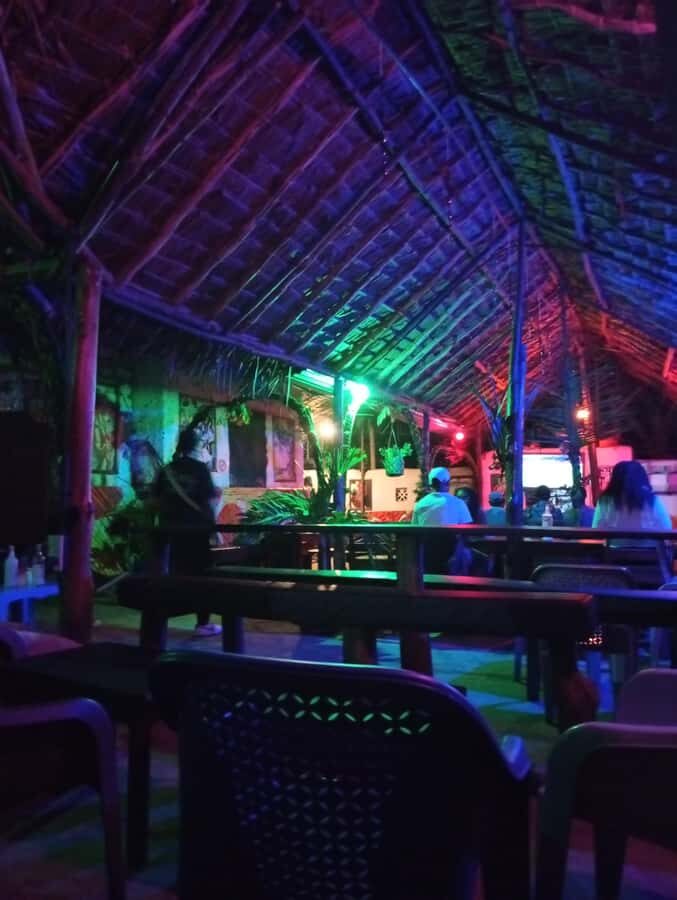
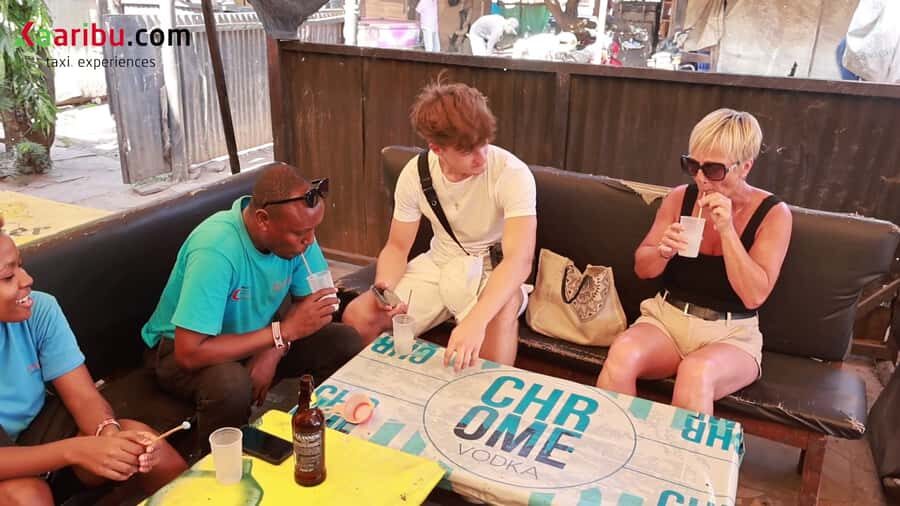
The final segment takes you to a local bar for palm wine tasting, again about 30 minutes. If you’ve never had palm wine, this is the point where your curiosity becomes action. The tour is structured so you taste it as part of the local routine, not as a spectacle.
You’ll also hear about the drink in context while you’re there. And if you want more, you can purchase additional servings and enjoy yourself.
Two practical considerations here:
- Plan your pace. You’re still on a walking tour schedule, even if this part is more relaxed.
- Follow the guide’s pace and rules. The activity information lists no smoking and no alcohol and drugs as part of the overall policy. Since palm wine tasting is part of the tour, the best approach is to stick with what the guide provides during the tasting.
What this tour includes (and why that matters)

The tour includes the core pieces that make it worth your time:
- A local guide
- Street food tasting
- Palm wine tasting
- Visit to Ibiza Market
- A souvenir shopping opportunity
That mix matters because it balances food with “how things work” context. If the tour were only tastings, you’d miss the market logic. If it were only shopping and crafts, you’d miss the hands-on part of culture.
Not included is hotel pickup and drop-off, plus additional food and drinks beyond the tastings. That’s normal for walking tours, but it changes how you plan your day. You’ll want to be at the meeting point under your own steam—then the tour takes over.
Duration and group size: why 90 minutes feels different here
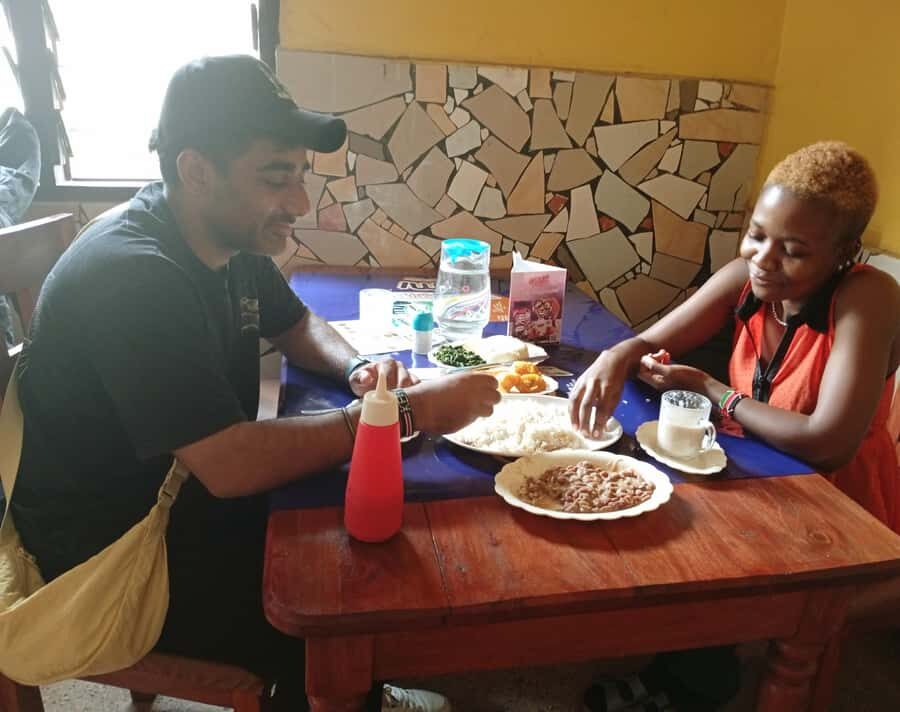
This tour runs for 90 minutes and keeps the group small—limited to 10 participants. That small size changes the experience in a real way. You’re not shuffled along by a loud crowd. The guide can slow down when someone has a question, and you can get a better sense of what each stop is trying to teach you.
Also, 90 minutes is a manageable window if you’re balancing a beach day. You can do this early or mid-afternoon without turning your day into a full production.
Weather and comfort: the real trick is being prepared to walk
The tour asks for comfortable shoes, water, and a sun hat. That’s not “nice to have.” In Diani, the heat can be the deciding factor between a great walk and a sweaty one you can’t enjoy.
So here’s my practical advice:
- Wear shoes you don’t mind getting dusty.
- Carry water even if the tour feels short. You’ll be walking and close to food prep smells.
- Use your camera, but keep one hand free for balance in crowded spaces.
If you’re sensitive to heat, consider choosing a time earlier in the day rather than the hottest hours.
Who this Diani market and street food walk is best for
This is a great fit if you want:
- Authentic, local food tastings without planning a menu yourself
- A guided walk focused on daily life, not just landmarks
- A quick cultural stop that includes both food and crafts (like deras and tailoring)
It may not be the right choice if you:
- Have food allergies
- Need wheelchair access
- Are traveling with very young children (it’s not suitable for children under 3, and babies under 1 aren’t suitable)
Also, if your idea of a food tour means lots of stops plus big portions at multiple restaurants, this one is more of a smart sampling route. It’s designed to introduce you, not to feed you for hours.
Value check: is $30 a good deal for this kind of tasting?
At $30 per person, the value comes from the combination and the time efficiency. In 90 minutes, you get:
- Market walking with explanation
- Tastings of multiple dishes (starter, mains, and a snack)
- Palm wine tasting at a local bar
- A craft/tailoring element and a souvenir-shopping chance
If you’d otherwise spend time figuring out what to try and where to try it safely, a guided tasting format can save you effort. The price also reflects that you’re paying for local guidance and curated tastings, not just market entry.
Should you book this Diani market and street food tour?
I’d book it if you want a short, guided taste of Diani’s street-food side, plus market context you can’t easily recreate on your own. It’s especially worth it if you like food that’s built around staples—porridge, ugali, greens, rice/beans—and if you’re curious about Swahili dress and tailoring.
Skip it if you have food allergies, need wheelchair access, or you’re hoping for a long, multi-area culinary marathon. And if you’re expecting a super-polished experience, remember this is set around local places: small, practical, and very much part of day-to-day life.
If you’re the type who enjoys learning how everyday culture works—over a hot walk and a few plates—that’s exactly the energy this tour brings.
FAQ
Where is the meeting point for the Diani market and street food tour?
The meeting point is Tsunami Garden Cafe. A lady will stand in front and greet you by your names.
How long is the tour?
The tour lasts 90 minutes.
How many people are in the group?
The group is small, limited to 10 participants.
What food do you try during the street food tastings?
You try Swahili porridge (wheat, cardamom, coconut milk) as a starter, plus chapati or coconut rice with coconut beans, ugali with sukumawiki, and Viazi Karai.
Is palm wine tasting included?
Yes. You stop at a local bar for palm wine tasting.
What language is the live guide?
The live tour guide speaks English.
What is included in the price?
Included are the local guide, street food tasting, palm wine tasting, the visit to Ibiza Market, and a souvenir shopping opportunity.
Is hotel pickup and drop-off included?
No. Hotel pickup and drop-off are not included.
What should I bring and wear?
Bring comfortable shoes, a sun hat, a camera, and water.
Is the tour suitable for people with food allergies or wheelchair users?
No. It’s not suitable for people with food allergies and it’s also not suitable for wheelchair users.
If you want, tell me your travel dates and whether you’re more into the food side or the culture/fashion side, and I’ll suggest the best time of day to do this for comfort.