REVIEW · DIANI
2-Day Tsavo East National Park Safari (with options)
Book on GetYourGuide →Operated by African Beast Tours and Safari · Bookable on GetYourGuide
Tsavo East is where your morning coffee turns into a wildlife checklist. This 2-day safari from Mombasa and nearby coast towns is built around game drives with easy spotting from a pop-up roof vehicle, and you also get a classic evening drive at sunset. One thing to consider: you start very early (6:00 AM pickup), and the second day can feel a bit tight once you factor in the drive back to the coast.
What makes this itinerary work is the mix of timing. You get an early start when animals are most active, plus a later evening session when behavior shifts and you might catch predators or less-expected sightings. You’ll be using a safari vehicle with a pop-up roof, and that small detail matters because it helps you see over other cars and photograph without contorting your whole body.
You’re also not doing this from scratch. Pickup is included from your hotel or residence, an English-speaking guide is part of the experience, and the trip includes bottled drinking water. The only real planning gap is park fees: depending on your option, entry fees may or may not be included, so you should confirm what you’re paying now versus what you pay on arrival.
In This Review
- Key Things I’d Focus On Before Booking
- Tsavo East in Two Days: The Pace and Why It Works
- The 6:00 AM Coast Pickup and the Road to Bachuma Gate
- Entering Through Bachuma Gate and Stopping at Aruba Dam
- The Morning Game Drive Formula: Big Five, Plus Those Elusive Cats
- Evening Game Drive to Sunset: A Different Kind of Wildlife Watching
- Voi Wildlife Lodge (or Similar): What the Included Overnight Means
- Day Two: Early Checkout, Another Game Drive, and a Coast Arrival by Afternoon
- Transport and Guides: What Makes This Safari Feel Smooth
- Price and Park Fees: Where the Real Value Shows (and Where to Check)
- What to Bring for Game Drives (and Better Photos)
- Who This Safari Is Best For (and When It’s Not)
- Should You Book This 2-Day Tsavo East Safari?
- FAQ
- Where does the safari start from?
- What time is pickup?
- When do we arrive at the park gate?
- What game drives are included?
- Do you provide transport in a safari vehicle?
- Is accommodation included?
- Are park entrance fees included?
- How long is the tour in total?
- Is there a guide?
- What documents should I bring?
Key Things I’d Focus On Before Booking
- Pop-up roof vehicle for better viewing (and steadier photos without leaning out too much)
- Two game drives with timing variety: morning activity and sunset viewing
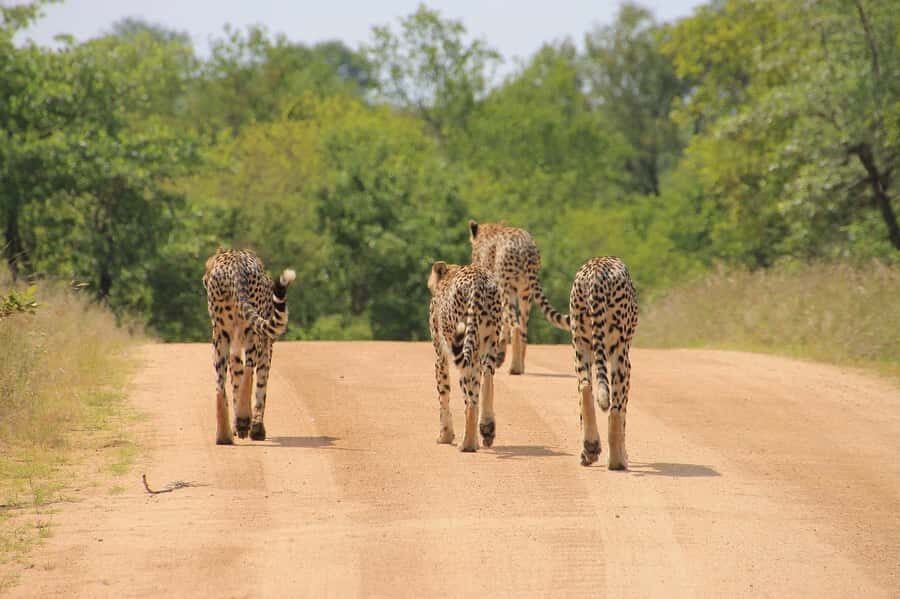
- Big Five goal in Tsavo East with time to explore key areas
- Comfortable overnight at Voi Wildlife Lodge or similar with full board on included options
- Early pickup at 6:00 AM means you’ll want good sleep the night before
Tsavo East in Two Days: The Pace and Why It Works
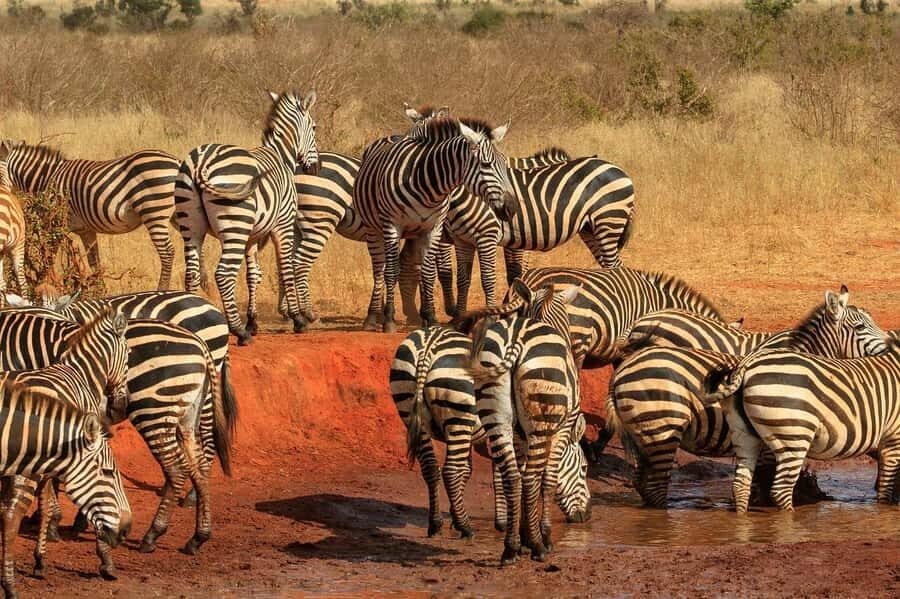
This is a practical 2-day loop designed for people staying along the coast who don’t want to spend extra days on the road. You’ll leave around 6:00 AM, reach the park area by late morning, and then pack in a proper first drive before heading to camp for lunch/dinner and rest.
On day two, you wake up early again for a game drive, then you’re out and back to your pickup point in the afternoon. That means you should expect a “focused safari rhythm” rather than a slow, long wander. If you want a gentle vacation pace, you’ll probably find the schedule intense. If you want wildlife time, the pacing is efficient.
Also, Tsavo East is large enough that “seeing a lot” isn’t automatic. This itinerary gets you at least two sessions in the park, which is the biggest reason it’s a solid value for a short stay.
A few more Diani tours and experiences worth a look
The 6:00 AM Coast Pickup and the Road to Bachuma Gate
Pickup is included from hotels or residences (and it can include the airport, depending on your starting point). The earliest pickup time is 6:00 AM, and the day begins with a drive along the Mombasa–Nairobi highway.
You’ll arrive at Bachuma Gate around 9:00 AM, and that arrival timing is important. It’s not late-morning lounging; it’s enough time to start scanning for wildlife while the park is still waking up. The road trip itself is long, so I’d treat it like part of the safari logistics, not “downtime.” You’ll be looking out for activity the whole way, and your guide will help you make sense of what you’re seeing.
One more practical point: your driver will call you or ask for you at reception. That’s helpful when you’re staying in busy coastal hotels, but still double-check your pickup location and timing the night before.
Entering Through Bachuma Gate and Stopping at Aruba Dam
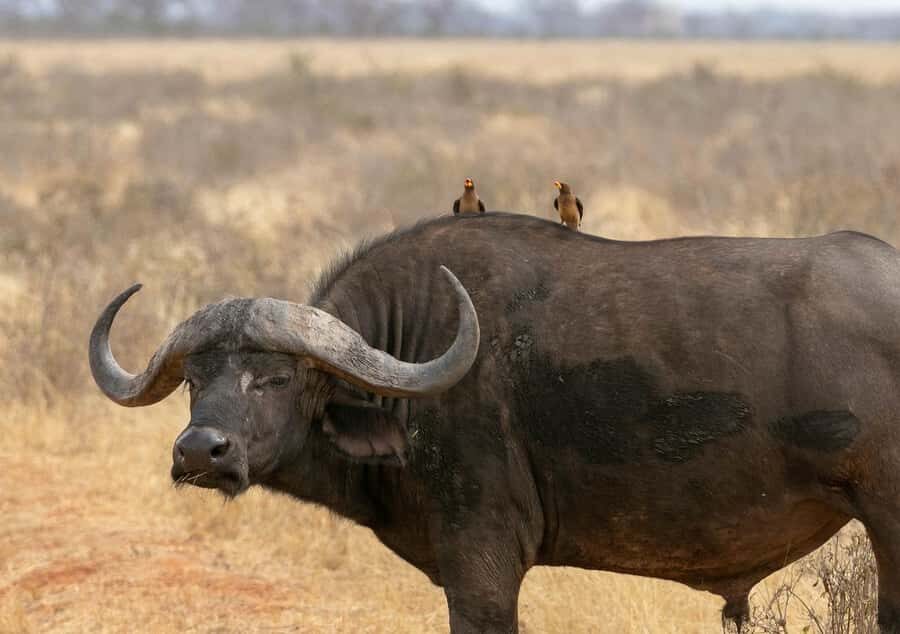
Once you roll through Bachuma Gate, the first game drive kicks off. This is the part where you’re going to measure whether the day is living up to your expectations, because you’re entering with full daylight and time to explore.
A highlight stop on day one is Aruba Dam, described as a waterhole built by the British Army in 1952 during the colonial era. Even without turning it into a history lesson, water features like this matter because animals follow reliable sources. Around waterholes and dam areas, you often get more sightings in less time because animals concentrate their movement.
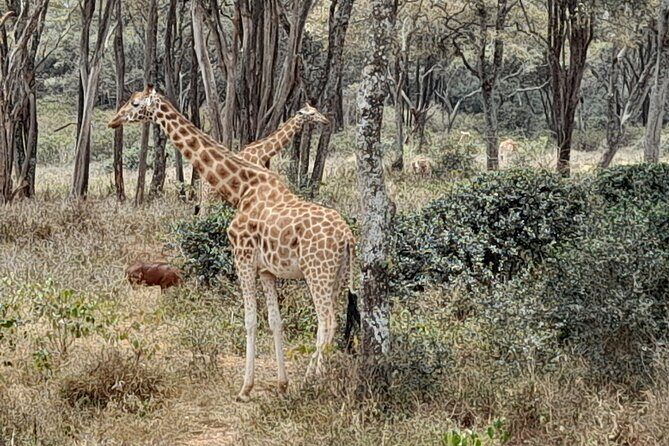
In Tsavo East, your best odds come from patience and positioning. With a pop-up roof vehicle, you’ll likely be able to see over roadside plants and other vehicles when you’re scanning for movement. That’s especially useful when you’re trying to spot smaller shapes before they reveal themselves as something bigger.
And yes, the plan is built around a strong chance at the Big Five, but I’d still treat that as a goal rather than a guaranteed checklist item. Safari success depends on animal behavior that day, and Tsavo East can be generous or quiet. The upside here is you’ve got more than one drive to improve your odds.
The Morning Game Drive Formula: Big Five, Plus Those Elusive Cats
Early morning is when you should expect the park to feel more active. The route includes a morning drive on day one and another early start on day two. The specific reason this works is that animals are often more visible when temperatures are cooler and movement patterns change.
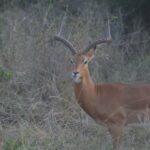
This safari plan also calls out that early morning is especially good for cats. That doesn’t mean you’ll definitely see a lion or leopard, but it does mean you’re being placed in the right time window to find them if they’re around. Cats are notoriously good at being out there and still hard to spot, so matching the schedule to their activity helps a lot.
What you’ll likely notice during the drives is how the guide reads the landscape: they’ll watch for signs of activity, keep you oriented, and adjust as conditions shift. Even if you know you’re chasing the Big Five, it’s worth paying attention to “in-between” sightings too: tracks, birds, and small groups can hint at where bigger animals are moving next.
Evening Game Drive to Sunset: A Different Kind of Wildlife Watching
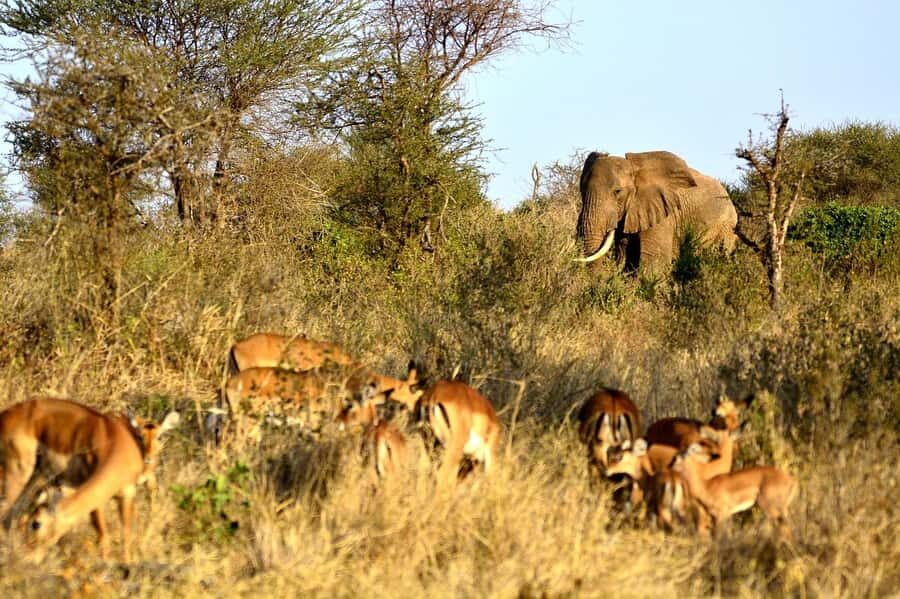
After your first day’s game drive and lunch at camp, you get downtime until about 4:00 PM, then you head out for an evening drive until sundown.
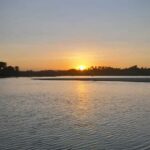
This part is more than just a scenic finish. Sunset viewing often gives you different behavior than morning. Some animals rest more during the heat and then become more active as the light changes. Also, you’ll catch warmer tones for photography, plus a calmer vibe in the park once the brightest midday traffic fades.
The best way to enjoy this session is to keep your brain in “scan mode.” Look for silhouettes and movement at the edges of the bush line. A vehicle with a pop-up roof is great here because the light can be tricky, and higher viewing angles help you spot animals that are partly hidden.
If you’re hoping for predators, sunset can be a good time to see hunting behavior or just more frequent movement. Again, not guaranteed, but it’s a smart addition to the schedule.

Voi Wildlife Lodge (or Similar): What the Included Overnight Means
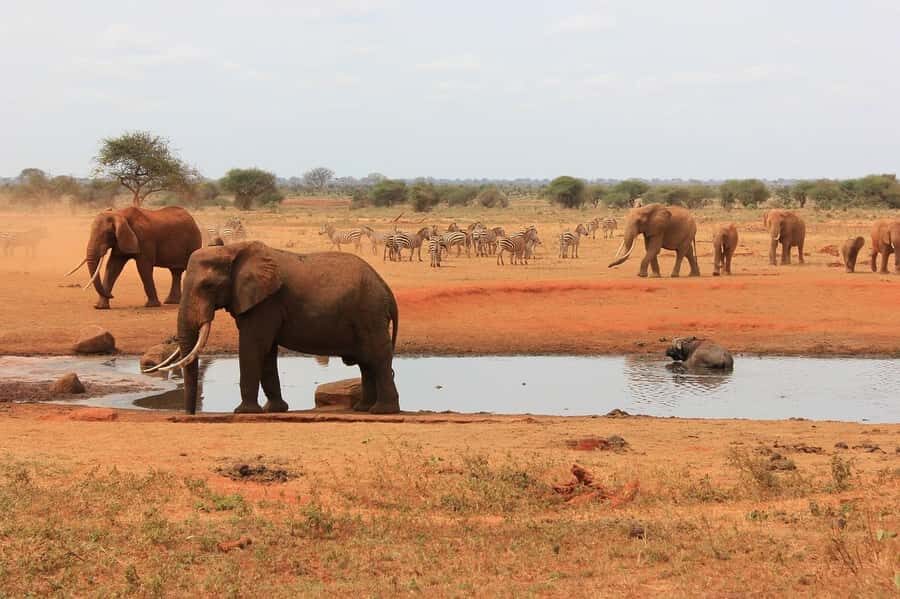
Overnight is arranged at Voi wildlife lodge or similar, and for the option that includes accommodation, meals are full board. That means you’re not doing a constant “what are we eating” puzzle while you’re trying to enjoy wildlife.
You’ll typically check in after the morning drive, eat lunch, then return later for dinner after the evening session. Comfort matters here because you’ll be up early. A lodge stay that feels solid helps you actually enjoy day two instead of operating on fumes.
One practical benefit of having lodging included is that it removes travel stress after the park day. You can shower, eat, and rest without thinking about where you’ll go next. In safari terms, that’s value.
Day Two: Early Checkout, Another Game Drive, and a Coast Arrival by Afternoon
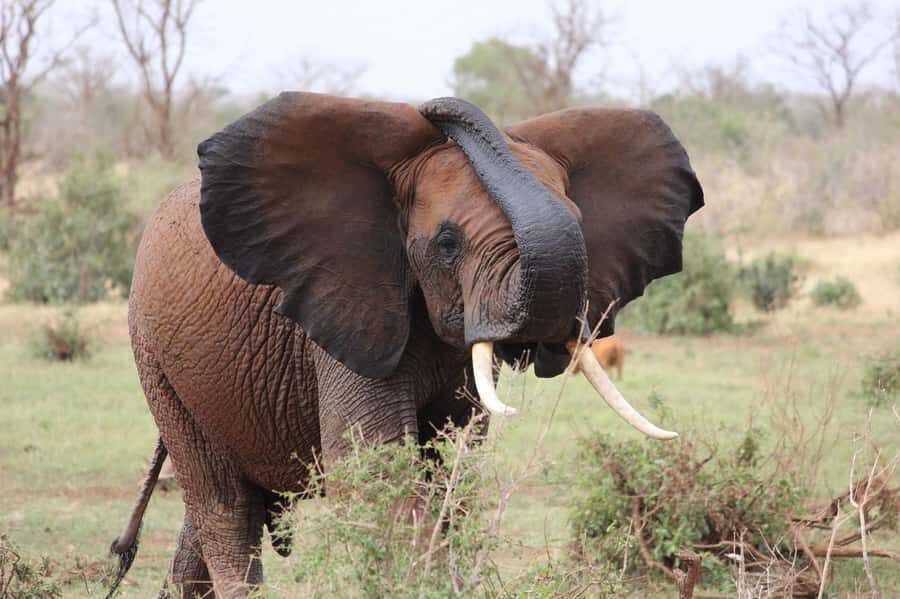
Day two starts with an early wake-up and breakfast, then checkout. From there, you drive into the park for another game drive en route to the gate, and then you exit and begin the return trip.
The tour is designed so you arrive back to your original pickup area or airport in the afternoon, marking the end of the experience. The reality is that the second day isn’t just about wildlife time; it’s also about getting back to the coast on schedule. That’s why timing feels tighter than day one.
This is also where I’d set expectations. If you get a late arrival because of road timing, it can make the day feel shorter than you wanted. The upside is you get that second morning push for sightings when animals are active again.
Transport and Guides: What Makes This Safari Feel Smooth
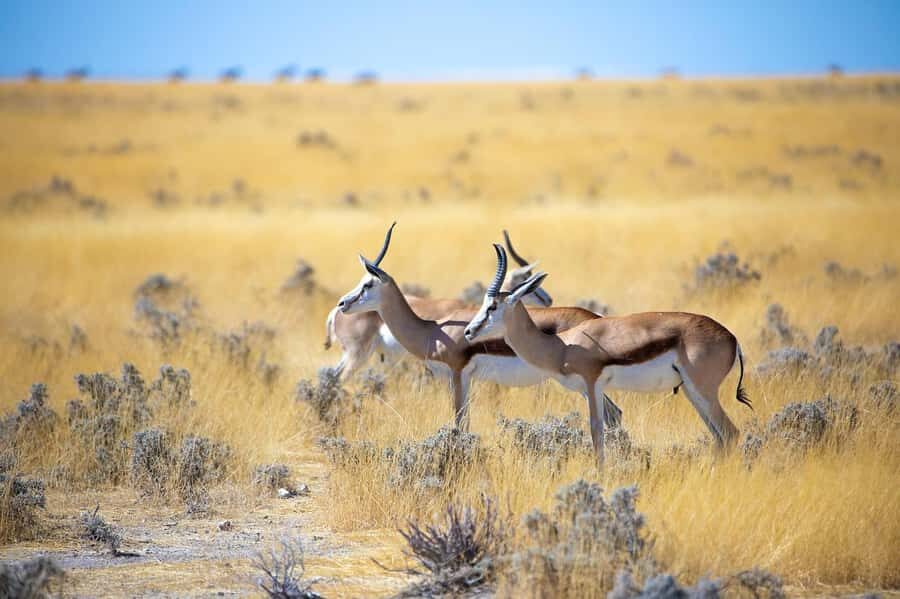
You’ll travel in a customized safari vehicle with a pop-up roof. That’s not just a comfort upgrade. It can improve your spotting and make photography more natural, since you’re less constrained by vehicle height.
The safari also includes a live tour guide in English. And the human side matters here. In real use, guides and drivers can make the difference between a drive where you see animals and a drive where you understand what you’re looking at. You may meet drivers such as Paul, and guides such as Benjamin, who have been part of this experience before. Even if you don’t have the exact same person, the program is built around English-speaking guidance and safe, organized driving.
Finally, bottled clean drinking water is included. It’s one of those “small” inclusions that ends up feeling essential when you’re scanning wildlife all day.
Price and Park Fees: Where the Real Value Shows (and Where to Check)
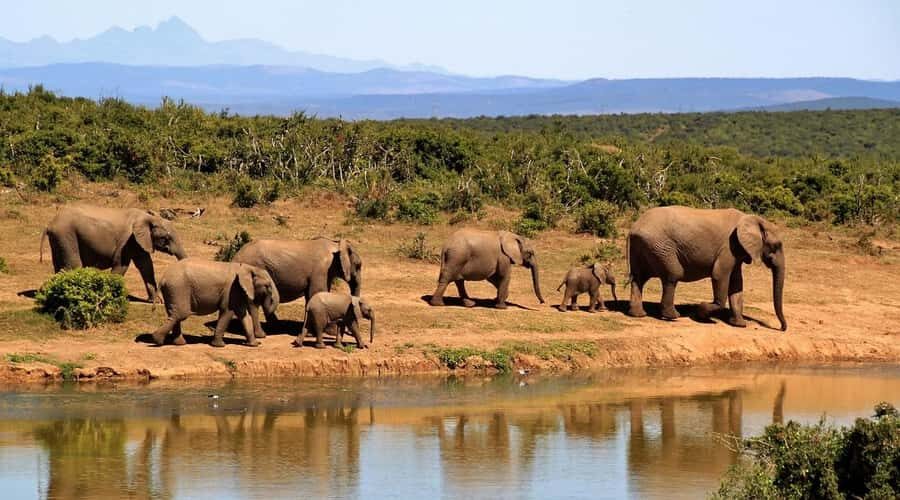
The price is $360 per person for 2 days. That’s a baseline cost for the safari experience, but your real value depends on which option you pick, especially around accommodation and entry fees.
Here’s what’s included on the tour options provided:
- Transport in a customized safari vehicle with a pop-up roof
- Accommodation at Voi wildlife lodge or similar on the full board included option
- Pickup and drop off to Diani or Mombasa or Kilifi (based on your route)
- Bottled clean drinking water
- Entry fees on the option included
Here’s what may NOT be included:
- Tsavo East National Park entrance fees on options where entry fees aren’t included
If entry fees are on you, non-residents pay $80 per adult and children $40 per child. Residents/citizens pay $10 per resident/citizen adult. Payment is said to be by card on the government website: kws.pay, and it’s valid for 24 hours.
My practical advice: before you go, confirm whether your $360 includes park entry or not. If you’re paying separately, plan for the entry fee timing because that 24-hour validity matters.
In terms of value, this price can be a good deal if your option includes accommodation and/or entry fees. If your option excludes them, your total cost rises quickly. Still, even with extra fees, the package can be efficient because it bundles transport plus two game drives plus a lodge stay.
What to Bring for Game Drives (and Better Photos)
The tour gives you straightforward guidance: bring your passport or ID card (a copy is accepted). Bring a camera. Wear comfortable clothing for the game drives.
For the photos, I’d add two practical points based on how pop-up roofs work:
- Keep your hands steady. Higher viewing means you might be tempted to lean farther than you should.
- Watch your exposure. Dawn and sunset light can make cameras over-bright or too dark if you’re not paying attention.
Also, bring something warm for early mornings and late evenings. Even when coastal weather feels hot, park mornings can be cooler, and being comfortable helps you enjoy the long hours of scanning.
Who This Safari Is Best For (and When It’s Not)
This safari fits best if you:
- Are staying in Mombasa, Diani, Watamu, Malindi, or Kilifi
- Want two chances inside Tsavo East rather than a rushed half-day visit
- Like structured touring but still want real wildlife time from a vehicle built for spotting
- Value pickup and drop-off convenience more than DIY planning
It may not be ideal if you:
- Hate very early starts. 6:00 AM pickup is non-negotiable.
- Prefer longer days in the park with minimal road time. The schedule balances wildlife against the drive back to the coast.
- Need a guaranteed “Big Five on the dot” experience. Safari sightings depend on animals and conditions, not just the itinerary.
If you want a short, efficient wildlife hit from the coast, this is the kind of trip that makes sense.
Should You Book This 2-Day Tsavo East Safari?
I’d book it if you want a well-timed, organized Tsavo East experience with real game-drive time, a pop-up roof vehicle, and an overnight at Voi Wildlife Lodge or similar (on the included accommodation option). The $360 price can feel fair because you’re buying transport, two drives, water, and lodging structure, not just a ticket to the park.
I’d pause and re-check details if you’re sensitive to early mornings or if you’re unsure whether park entrance fees are included in your option. Once you confirm those two points, you’ll be set up to enjoy the core value: two different wildlife sessions and the chance to see everything from classic big-game moments to the quieter, less predictable sightings.
FAQ
Where does the safari start from?
Pickup is available from hotels or residences (and it can include the airport, depending on your starting point). The route mentions Mombasa/Diani/Watamu/Malindi/Kilifi.
What time is pickup?
Pickup is at 6:00 AM.
When do we arrive at the park gate?
You arrive at Bachuma Gate around 9:00 AM.
What game drives are included?
You get a game drive on day one, plus an evening game drive from about 4:00 PM until sundown, and another early morning game drive on day two.
Do you provide transport in a safari vehicle?
Yes. You travel in a customized safari vehicle with a pop-up roof for easier animal viewing.
Is accommodation included?
Accommodation at Voi Wildlife Lodge or similar is included on the option where accommodation is stated as included, with full board.
Are park entrance fees included?
It depends on your option. If they are not included, park entrance fees are listed as $80 per adult non-resident, $40 per child, and $10 per resident/citizen adult, paid by card on kws.pay and valid for 24 hours.
How long is the tour in total?
The duration is 2 days. You are dropped off in the afternoon on the second day.
Is there a guide?
Yes, there is a live tour guide in English.
What documents should I bring?
Bring your passport or ID card. A copy is accepted. Also bring a camera and wear comfortable clothing for the game drives.