REVIEW · NAIROBI
Safari Tour : Nairobi National Park
Book on Viator →Operated by Majestic Quest Tours and Travel · Bookable on Viator
In Nairobi, safari starts fast. You get a short, guided drive into Nairobi National Park and see a surprising mix of grass plains, acacia trees, and big animals under the city. I especially like the open-roofed van for easy viewing and the stop at the Ivory Burning Site, which adds real meaning beyond spotting wildlife. The one thing to watch is cost creep: park entrance fees and food are not included, so you’ll want a bit of extra budget.
I also like how this runs like a practical outing, not a long production. Pickup from your hotel or the airport keeps your time tight, and you’ll get a short break at a viewpoint that’s built for photos. In the reviews, guides like Joseph come up for a reason: he’s friendly, asks good questions in the moment, and helps you connect what you’re seeing to how the park works.
The park is open and wild, but sightings are never guaranteed, and your time is only about 4–5 hours. That’s great if you’re busy or new to safari. If you’re hoping for a full day of tracking specific animals, you may find this duration a little short.
In This Review
- Key things that make this Nairobi safari work
- Nairobi National Park Safari: wildlife close to the city noise
- Pickup to East Gate: getting into the park without wasting your morning
- The Ivory Burning Site stop: more than a quick photo moment
- Grass plains and acacia bush: how the game drive actually feels
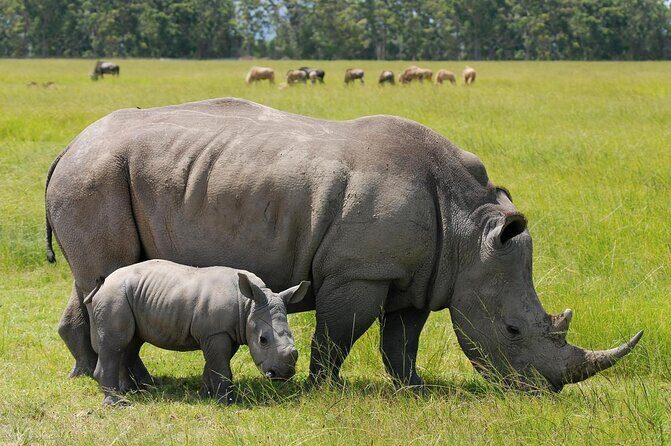
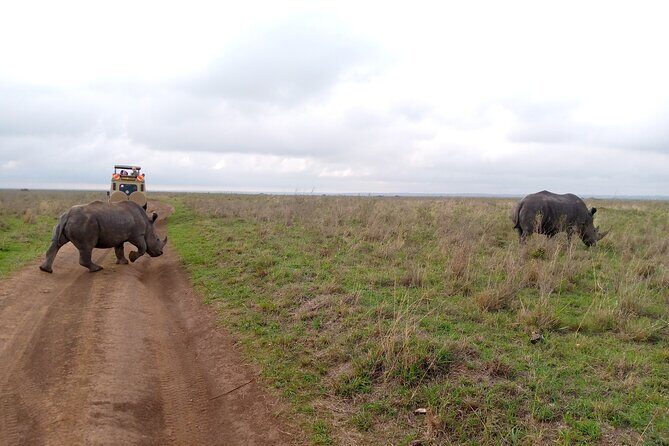
- What you might see: from rhinos and buffaloes to lion cub moments
- The viewpoint break and picnic-style reset inside the park
- Price and value: what $78 covers, and what to budget next
- Guide style on the open-van drive: why it changes your experience
- What to bring for comfort during Nairobi’s half-day safari
- Who should book this Nairobi National Park safari?
- Should you book this Nairobi National Park Safari?
- FAQ
- How long is the Nairobi National Park safari?
- Does the tour include pickup from my hotel or the airport?
- Is an open-roof vehicle used for game viewing?
- What’s included in the tour price?
- Do I need to pay park entrance fees separately?
- Can I cancel and get a full refund?
Key things that make this Nairobi safari work
- Open-roof game drive for better sightlines during the wildlife search
- Ivory Burning Site stop to understand modern anti-poaching efforts
- Photo viewpoint + picnic-style break so you can rest and reset
- Included bottled water, guide, pickup/drop-off, and Wi‑Fi to keep the day easy
- Endangered black rhinos and 400+ bird species in one compact outing
Nairobi National Park Safari: wildlife close to the city noise
This is one of those trips that sounds made up until you see the map. Nairobi National Park sits inside the Nairobi area, so you get the thrill of safari while the city is still part of the backdrop. The park itself is wide open grass plains with scattered acacia bush, which makes it easier to spot animals at a distance than you’d expect.
I love how this kind of setting helps first-timers. You don’t need to be an expert tracker to enjoy the drive. You just need patience, a good guide, and a willingness to look both far and near, because the birds and smaller wildlife can be just as entertaining as the big mammals.
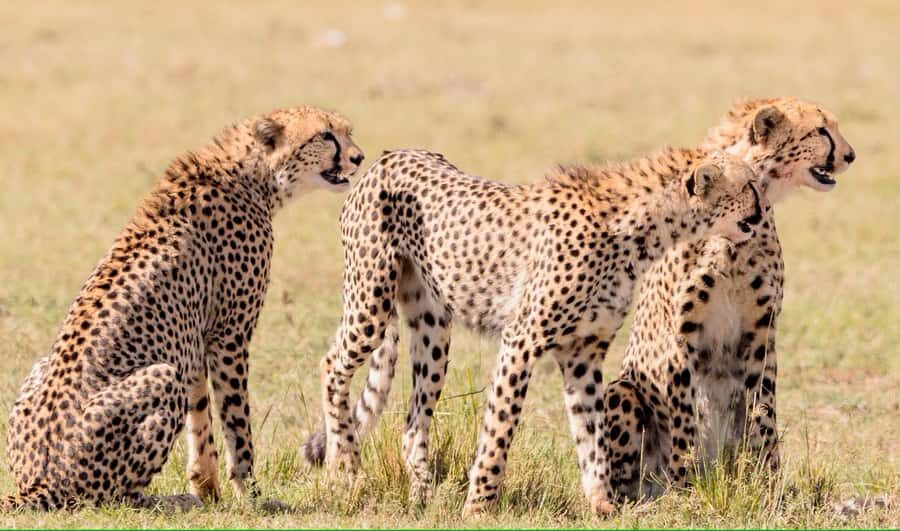
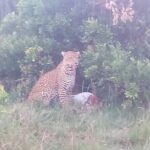
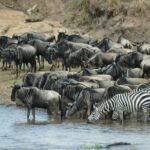
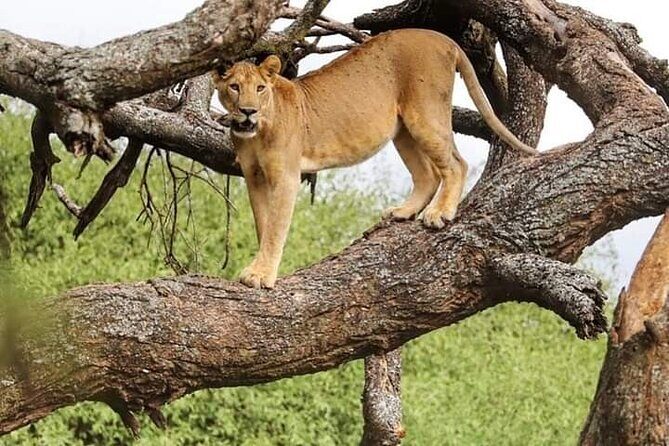
And yes, you can see endangered black rhinos here, along with lions, leopards, giraffes, hippos, crocodiles, buffaloes, and more. You’re also not stuck staring at one narrow habitat. The variety of wildlife and birdlife—over 400 species recorded—keeps the outing from feeling repetitive.
A few more Nairobi tours and experiences worth a look
Pickup to East Gate: getting into the park without wasting your morning
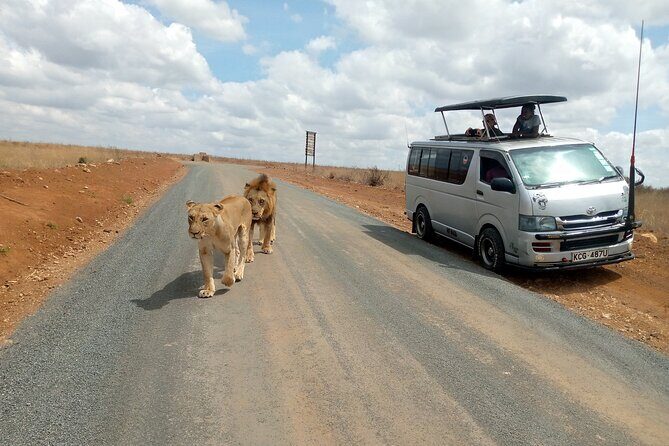
The day starts with pickup from your airport or hotel, then the drive to the park via the East Gate. That matters more than it sounds. When you’re trying to fit a safari into a half-day, losing time to complicated meeting points is annoying.
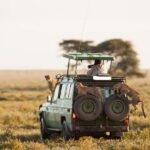
Once you’re through the entry point, the tour can begin right away, and you’ll head out in search of wildlife. You’ll ride in an open-roofed van, which is a big deal for photos and for simply seeing what’s moving. Even if you don’t care much about photography, open views help you scan faster.
This is offered as a private tour/activity, meaning it’s only your group. That tends to make the experience feel smoother, especially if you want to ask questions or spend a little longer at a sighting.
The Ivory Burning Site stop: more than a quick photo moment
One of the most distinctive parts of this safari is the visit to the Ivory Burning Site at the start of the wildlife drive. The idea is simple and direct: elephant tusks and rhino horns have been torched by Kenyan presidents to show the country’s commitment to stop poaching.
That stop changes the mood of the outing in a good way. It’s not just scenery. It reminds you that these animals are under pressure, and conservation is not a vague concept—it’s happening on the ground. If you’re the kind of visitor who likes context (and who doesn’t want wildlife to feel like a theme park), this is a meaningful addition.
It’s also practical. You get a structured start before you set out for animals, so the day feels planned. Then, once you’re back on the drive, you can connect what you’re seeing—rhino footprints, horned silhouettes, even the way people talk about sightings—to why the park matters.
Grass plains and acacia bush: how the game drive actually feels
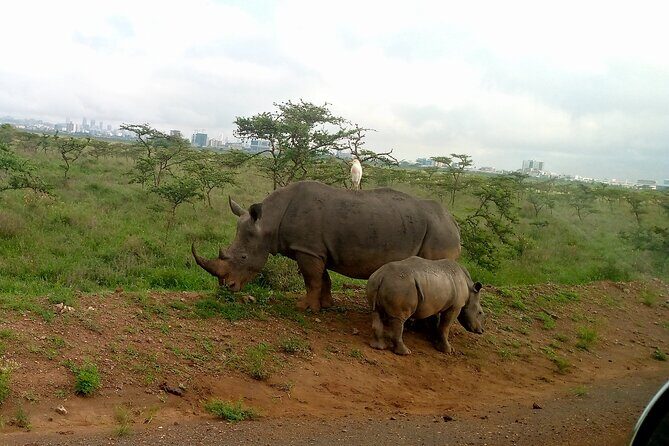
Nairobi National Park is made of wide open grass plains with scattered acacia. That habitat shape affects everything about the drive. When land is open, animals can show up in a wider range of distances. It also means you’ll often spot movement before you see details.
Expect the guide to scan constantly and reposition the van when conditions allow. Even when animals are far off, an open-roof ride helps your eyes work better. You can lean, angle your body, and keep your gaze steady without fighting a window.
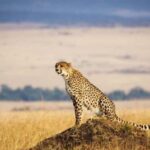
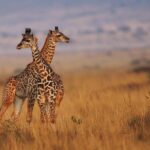
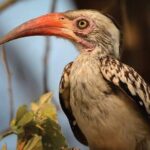
The park is also known for animals you’d usually associate with safari farther from a city. That includes the endangered black rhino, lions, leopards, buffaloes, giraffes, hippos, crocodiles, and cheetahs, plus hyenas and a lot of smaller wildlife. You’ll also be looking out for birds—because this is an area with serious birdlife, not just a bonus.
One small consideration: open plains can mean heat and glare, especially in the middle of the day. If you’re sensitive to sun, treat this like you would any daytime outing—hat, sunscreen, and water matter. The tour includes bottled water, which helps.
What you might see: from rhinos and buffaloes to lion cub moments
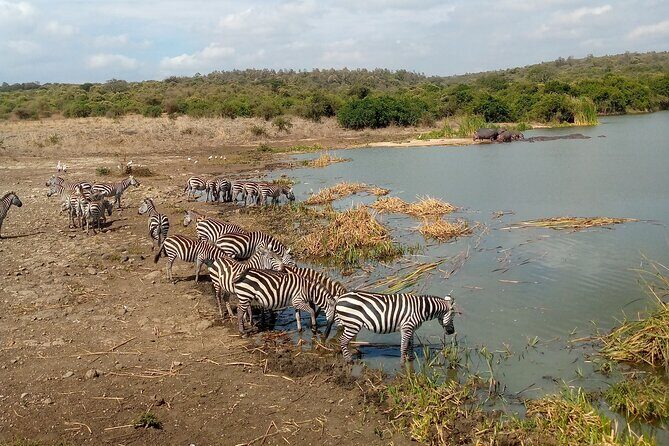
Wildlife sightings are always a mix of luck and skill, and that’s where the guide’s role matters. In the reviews, guides like Joseph stand out because he’s able to put people in the right places at the right times.
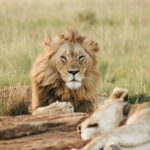
For example, Joseph’s name shows up alongside amazing variety—rhinos, buffaloes, crocodiles, baboons, and even lion cubs seen with lionesses in the same area. That kind of range isn’t guaranteed, but it shows what a strong guide can sometimes deliver in a limited time window.
Here’s a practical way to think about it. In a short safari like this, you’re not just searching for one animal. You’re searching for the conditions that bring multiple species close together—water, shade, movement corridors, and the kind of open sightlines that predators use.
So if you’re hoping for a big-hitter sighting like lions or rhinos, aim to enjoy the whole arc. Sometimes you’ll start with birds or smaller mammals and then something larger appears. Other times you’ll get lucky quickly and spend the rest of the drive observing behavior—watching how animals react to vehicles, how they share space, or when they stand up and move.


The viewpoint break and picnic-style reset inside the park
A good safari isn’t just about continuous driving. You’ll also get time to rest. The tour includes a picnic site stop for a short break during the game drive, and there’s also a viewpoint in the park used as the best place for photos.
In plain terms, these pauses help you enjoy the wildlife more. If you spend hours scanning with no break, your attention drops. A short stop lets you cool down, hydrate, and refocus. It’s also where you can finally slow down and take photos without rushing.
This matters because open plains often give great sight angles. If you get a distant animal sighting, you’ll want to be ready to shoot quickly. The photo viewpoint is set up for exactly that kind of moment, so your cameras and your eyes will both have an easier job.
One note: food isn’t included. The itinerary includes breaks, but you’ll need to plan your own snacks or meal around the tour window.
Price and value: what $78 covers, and what to budget next
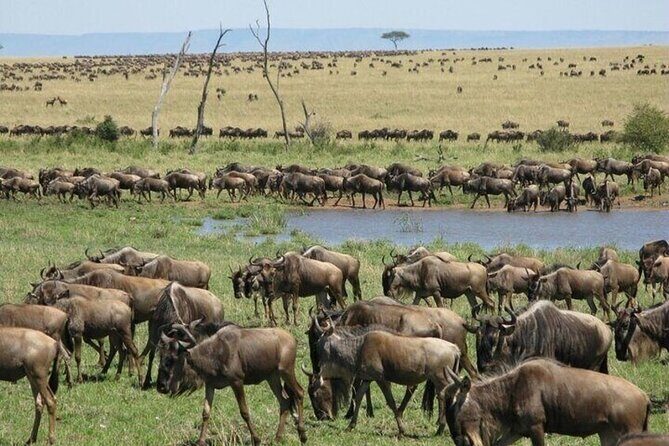
At $78 per person, this safari is positioned as a short, high-impact wildlife outing. For many people, the value comes from the combination: pickup and drop-off, a professional guide, open-roof game driving, and bottled water, all packaged into a half-day.
But let’s be clear about the costs you’ll still need to handle. Park entrance fees are listed at $43 USD and are not included. Food and drinks also aren’t included. So the real total you should budget is the $78 tour price plus the park entrance fee, plus whatever you’ll eat and drink.
In return, you’re getting a guided drive with a vehicle designed for visibility and a wildlife search inside Nairobi National Park itself. You’re not paying extra for transportation complexity, because private transportation and pickup/drop-off are part of the package.
If you’re traveling with a group, it also helps that group discounts are offered. And with average booking about 20 days in advance, you’ll want to plan sooner than later if your dates are tight.
Guide style on the open-van drive: why it changes your experience
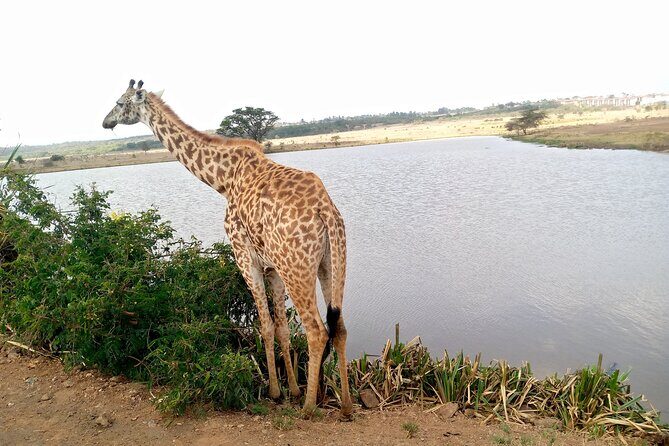
This tour is built around the guide and the vehicle setup. You’ll ride in an open-roofed van, and a professional guide leads the wildlife search. That combination affects your experience in two ways.
First, you get better sightlines and fewer barriers between you and the animals. Second, the guide’s explanations turn random sightings into something you can actually track: why the animals are where they are, what to watch for in behavior, and how to read what’s happening in the moment.
In the reviews, Joseph is singled out as friendly and fun, and he’s also described as well-versed in the park. That’s exactly what you want for a short safari. In 4–5 hours, you need your time to count, and the right guide helps you do that.
A practical upside of a private group is that questions don’t get lost. You can ask about sightings, bird behavior, or what you’re seeing without feeling like you’re interrupting a larger bus of people.
What to bring for comfort during Nairobi’s half-day safari
Because this is a compact outing, you’ll feel everything about comfort fast. I’d treat it like a daytime city-to-wild drive with sun and dust in the mix.
Bring:
- A hat and sunscreen
- Sunglasses if you’re sensitive to glare
- Comfortable shoes for easy movement during entry, viewpoint breaks, and picnic stops
- Your own snacks or a light packed meal if you don’t want to go hungry
- A charged phone/camera and a small power bank if you’re using photo-heavy settings
The tour includes bottled water and free Wi‑Fi during the tour, which is handy if you want to upload a photo or check maps on the fly. Also, souvenir photos are available to purchase, so you can decide later if you want a professionally handled option.
Who should book this Nairobi National Park safari?
This one fits best if you want safari without a full-day commitment. It’s ideal for:
- First-time visitors who want a big wildlife experience in a manageable time
- People staying in Nairobi who can use hotel or airport pickup
- Short-schedule travelers who still want the full safari vibe, not just a wildlife drive from a city bus
- Anyone who appreciates conservation context, thanks to the Ivory Burning Site
It may not fit as well if you want a long, slow, tracking-heavy safari day aimed at one specific species. In 4–5 hours, you’re sampling the park rather than trying to master it.
Also, wildlife is wildlife. Even with a strong guide, animal sightings depend on conditions. Think of the goal as a great game drive with a strong chance at memorable moments—not a guaranteed checklist.
Should you book this Nairobi National Park Safari?
I’d book it if you want an efficient, city-based safari that still takes conservation seriously. The best reason is the mix: guided open-van wildlife viewing, a conservation stop at the Ivory Burning Site, and photo-friendly breaks that help you actually enjoy what you see.
Do a simple budgeting check first: plan for the $43 USD park entrance fee on top of the $78 tour price, and bring your own food and drinks if you want control over timing. If you’re okay with that, this is a smart value way to experience Nairobi National Park in one focused outing.
If your travel style is short and purposeful—see a lot, learn a little, and get out while you still have energy—this safari fits.
FAQ
How long is the Nairobi National Park safari?
The safari runs about 4 to 5 hours.
Does the tour include pickup from my hotel or the airport?
Yes. Airport or hotel pick-up and drop-off are included.
Is an open-roof vehicle used for game viewing?
Yes. You’ll drive in an open-roofed van designed for game views.
What’s included in the tour price?
Included items are a professional guide, bottled water, open-roof game drive, airport or hotel pick-up and drop-off, private transportation, and free Wi‑Fi during the tour.
Do I need to pay park entrance fees separately?
Yes. Park entrance fees for Nairobi National Park are listed at $43 USD and are not included.
Can I cancel and get a full refund?
Yes. You can cancel up to 24 hours in advance for a full refund.