REVIEW · NAIROBI
Nairobi: Half-Day Nairobi National Park Private Safari
Book on GetYourGuide →Operated by Jumbo Adventures · Bookable on GetYourGuide
Wildlife in spitting distance of Nairobi. This half-day private safari gets you into Nairobi National Park for Big 4 sightings and a real Nairobi skyline view during one easy outing.
I love how the drive gives you both classic safari action and bird watching, all with a professional English-speaking guide and a private safari vehicle. You’ll also get a chance to stop at key spots like the Hippo Pool and the Ivory Burning Site, where the park’s conservation message is part of the experience.
One thing to plan for: the Nairobi National Park entry fee is not included (you pay it separately at the gate or on the government portal), and there’s no lunch included, so you’ll want to eat before or after.
In This Review
- Key Things I’d Book This For
- How the Pickup-to-Park Timing Works (and Why It’s Handy)
- The Game Drive: Big 4 Chances, Plus Hippo Pool and Ivory Burning Site
- Bird Watching Plus City Views: Nairobi Skyline From the Park
- Conservation Facts You’ll Actually Remember
- Optional Add-Ons: Giraffe Centre and the David Sheldrick Orphanage
- Price and Value: What You’re Really Paying For
- What to Bring, Rules to Know, and Who This Fits Best
- Should You Book This Half-Day Nairobi National Park Safari?
- FAQ
- How long is the Nairobi National Park private safari?
- Do I get picked up and dropped off?
- What does the price include?
- Are Nairobi National Park entry fees included?
- How much do the optional add-ons cost?
- What wildlife can I expect to see?
- What should I bring with me?
- Are drones allowed?
- Is this safari suitable for wheelchair users?
Key Things I’d Book This For
- Big 4 game viewing in a park that sits next to a major city
- Bird watching with lots of species for serious birders and casual spotters
- Hippo Pool stop for great chances to see hippos up close from a safe viewing area
- Nairobi skyline viewpoint showing wildlife and urban life side by side
- Optional add-ons like the Giraffe Centre and the David Sheldrick Elephant Orphanage
- Private safari vehicle + English guide, plus bottled water
How the Pickup-to-Park Timing Works (and Why It’s Handy)
This is built for a true half-day feel. You get picked up from your Nairobi hotel or from the airport, then you head out to Nairobi National Park and start your guided game drive right away. The whole experience runs about 5 hours, so it fits neatly between meetings, a short stay, or a day you’d rather not spend on a long drive.
Pickup covers several central areas, including Nairobi CBD, Westlands, Lavington, Kilimani, Kileleshwa, and Kiambu. You also get dropped off back at the same area afterward. In plain terms: less time wrangling transport, more time looking for animals.
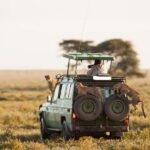
You’re traveling in a safari vehicle chosen for your experience, with a professional English-speaking guide. That matters. A good guide doesn’t just point and say zebra; they help you understand what you’re seeing, when to scan, and how to read animal behavior. You’ll also get bottled water, which sounds basic, but it makes the outing more comfortable—especially if you’re doing a lot of scanning from open sides of the vehicle.
Group size is private or small groups. That usually means fewer distractions and easier conversation with your guide—useful when you’re trying to follow animal tracks or understand conservation notes.
You can also read our reviews of more private tours in Nairobi


The Game Drive: Big 4 Chances, Plus Hippo Pool and Ivory Burning Site
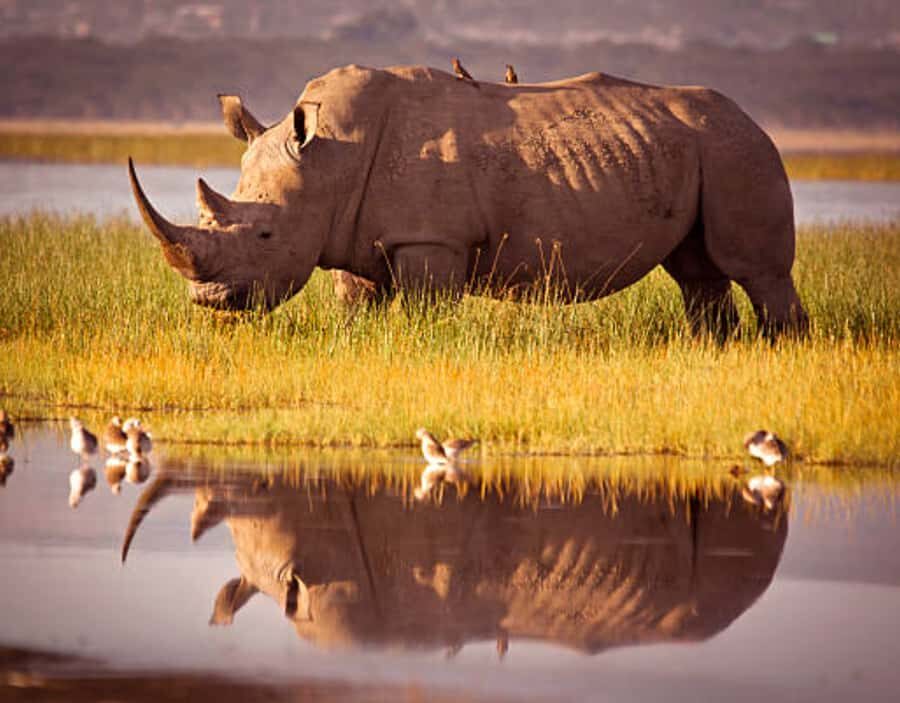
Your core time is the guided game drive, around 4 to 5 hours inside the park. This is where the park earns its reputation. Nairobi National Park is one of the best places to see classic safari species without the long day of getting to remote wilderness.
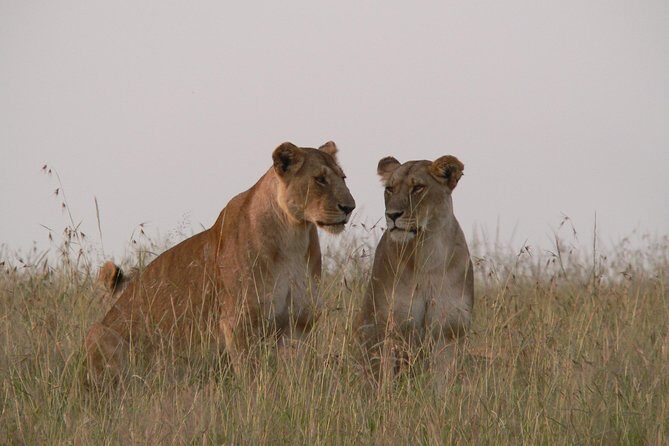
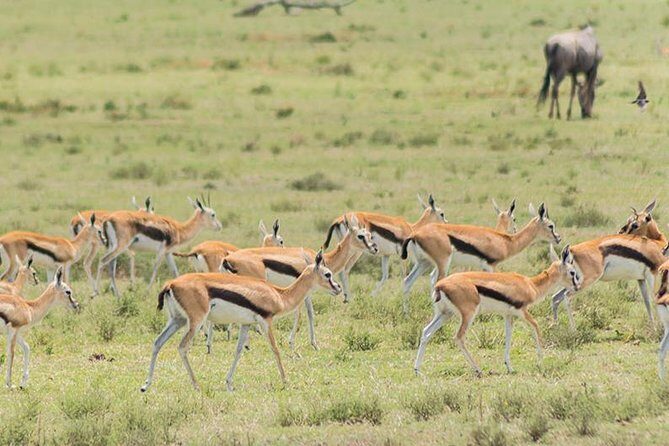
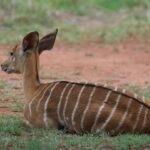
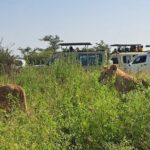
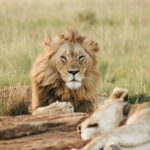
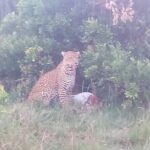
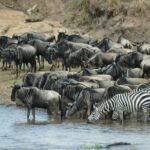
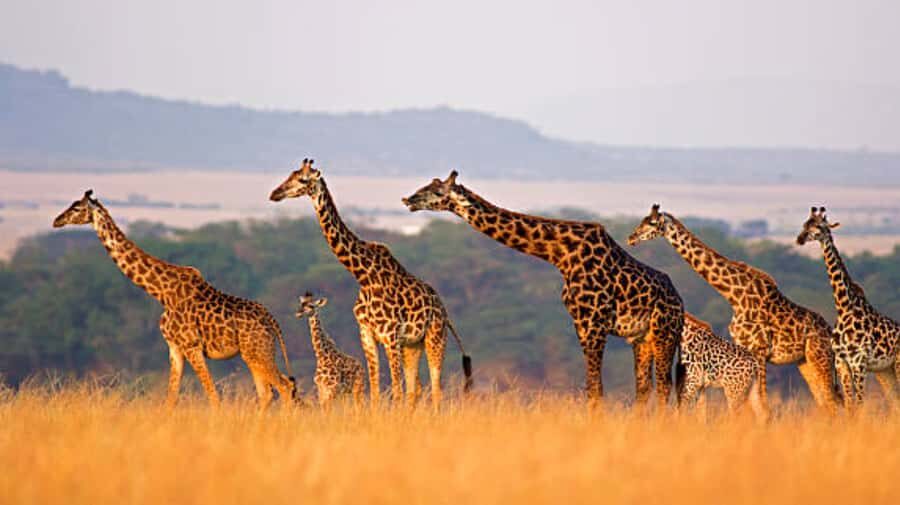
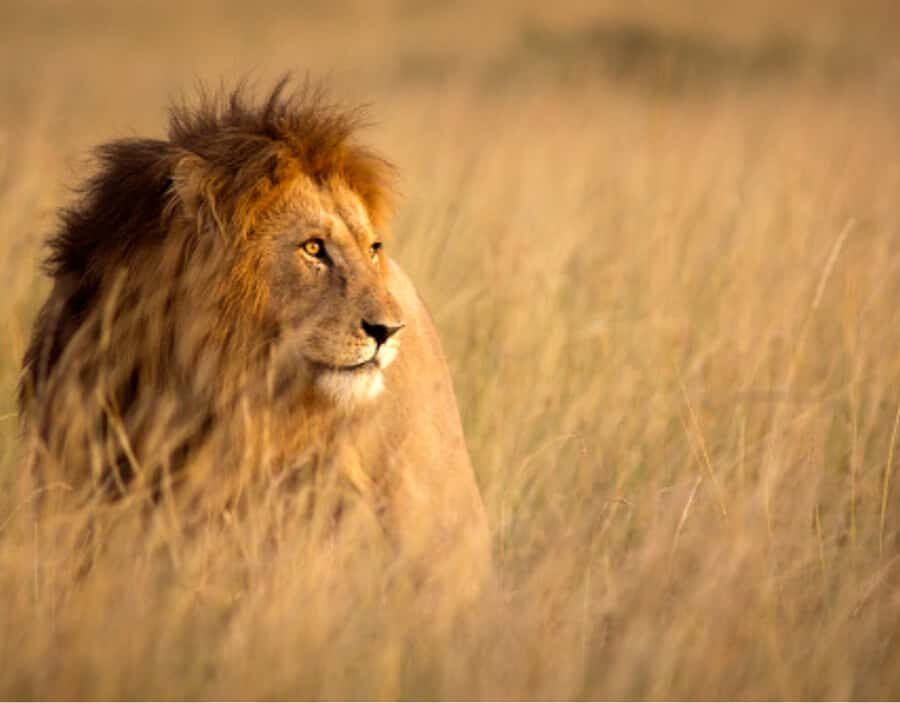
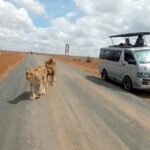
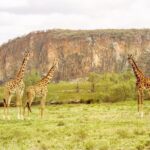
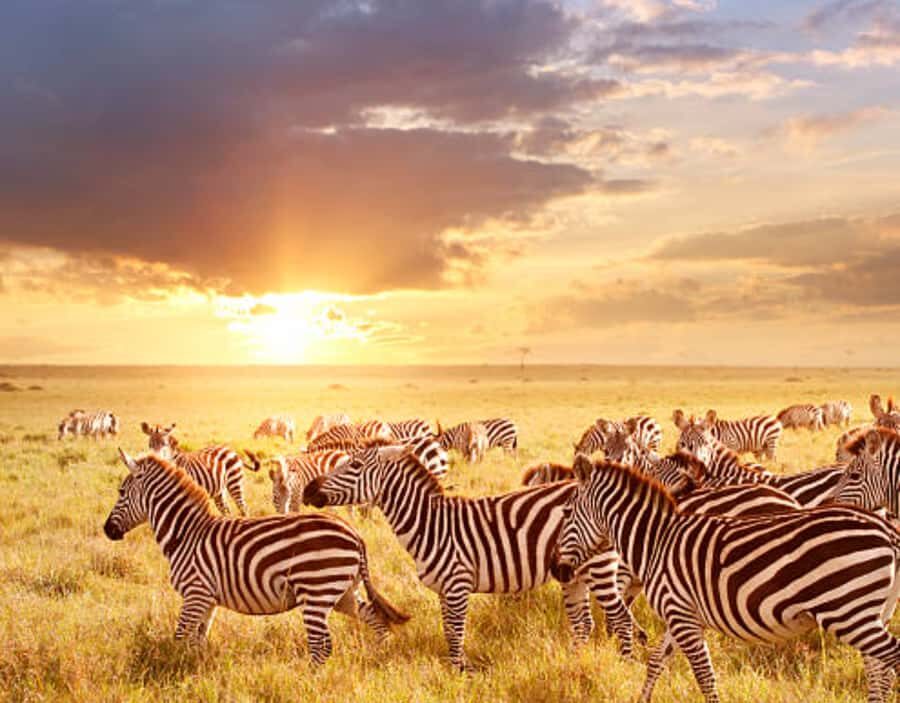
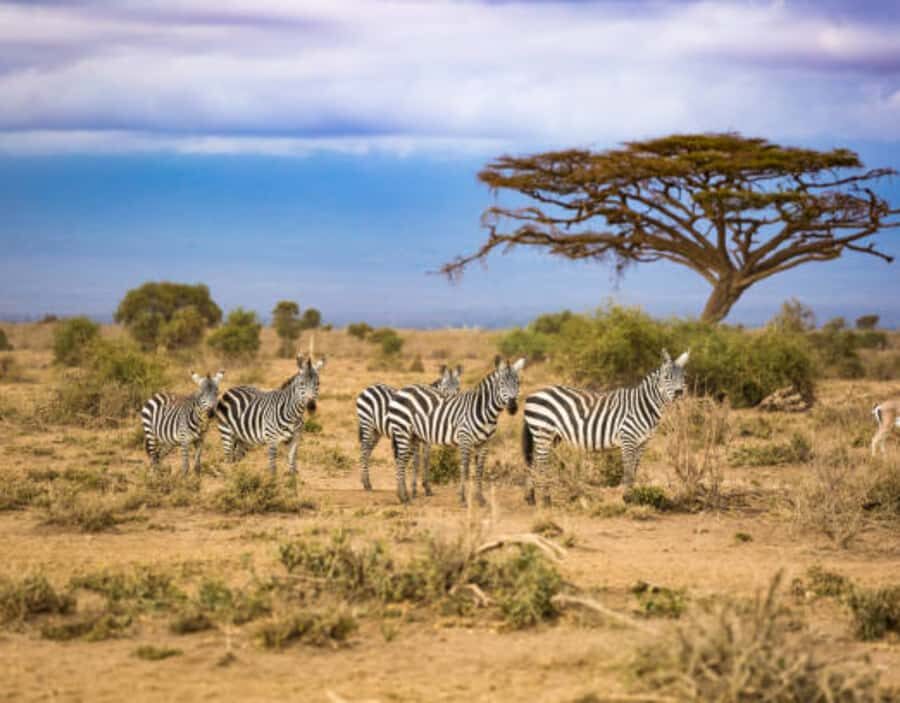
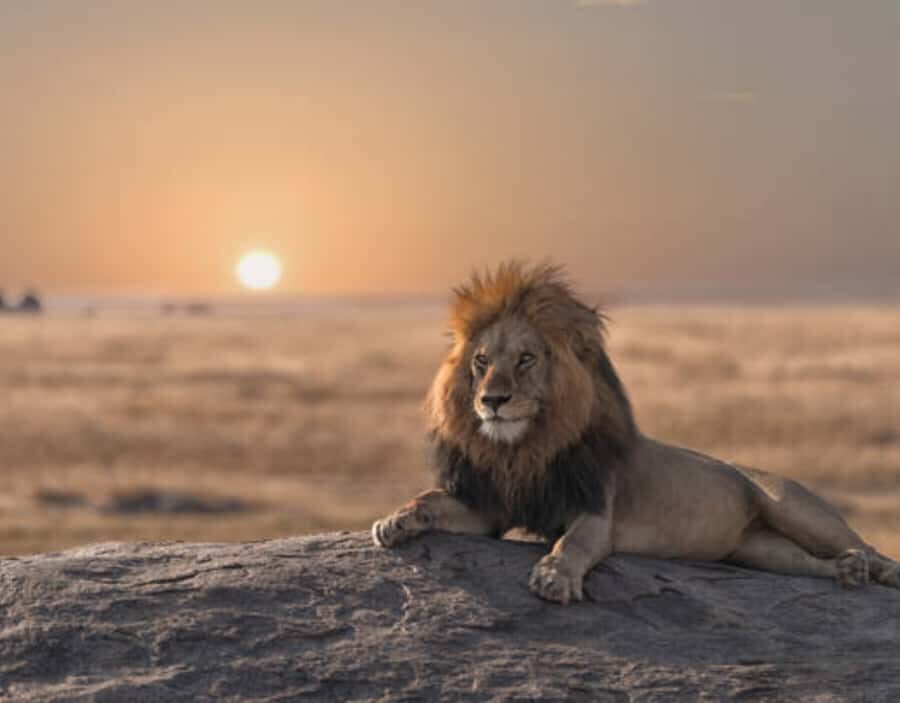
Expect chances to see lions, giraffes, zebras, buffaloes, rhinos, and many birds. The Big 4 focus matters here. Even if sightings vary by day, your time is structured around maximizing opportunities, and your guide is there to help you judge what’s near and what’s moving.
Two stops are worth calling out because they add more than photo ops:
Hippo Pool: This is a dedicated area where you can look for hippos in their natural habitat. If you’re hoping for close, watchable behavior rather than just a quick glimpse, this is one of the best spots to linger—your guide will help you position for safer viewing.
Ivory Burning Site: This is a powerful conservation marker inside the park. You’re not just on a wildlife hunt. You’re also learning why this park exists and what it has done to combat illegal ivory activities. It’s the kind of stop that gives context to what conservation really means on the ground.
As you’re driving, keep your camera ready. Your guide can offer tips on wildlife photography—useful when you’re trying to balance fast animal movement with shake-free framing from a moving vehicle. Even if you’re not a pro, simple advice like watching for lighting angles and anticipating behavior can upgrade your results a lot.
One practical note: because this is a half-day, the pace can feel brisk when the animals are active. That’s not a downside so much as a trade-off. If you like action and variety, you’ll likely enjoy it.
Bird Watching Plus City Views: Nairobi Skyline From the Park
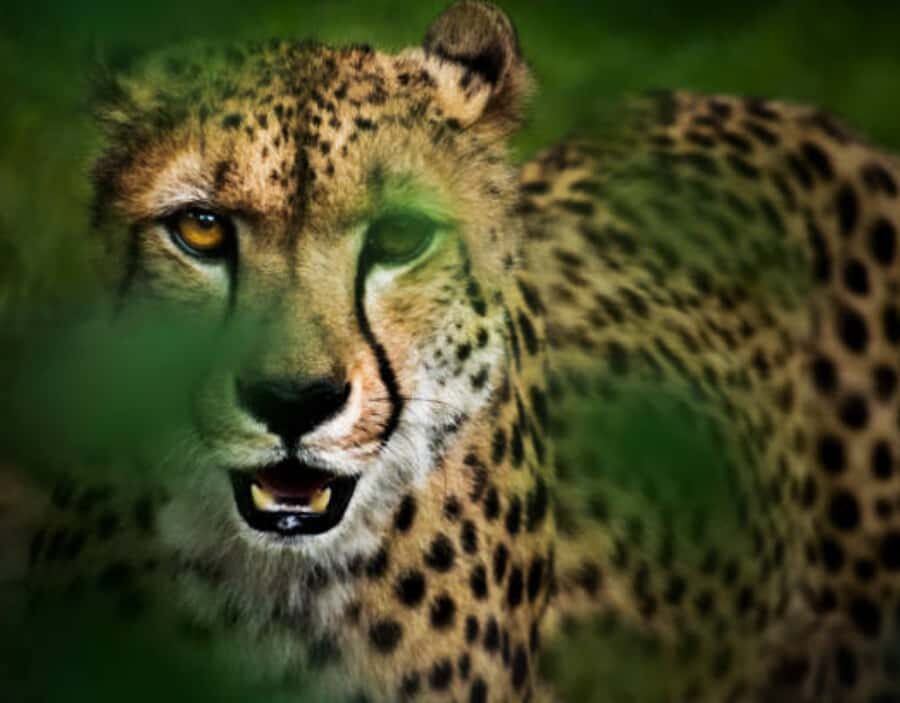
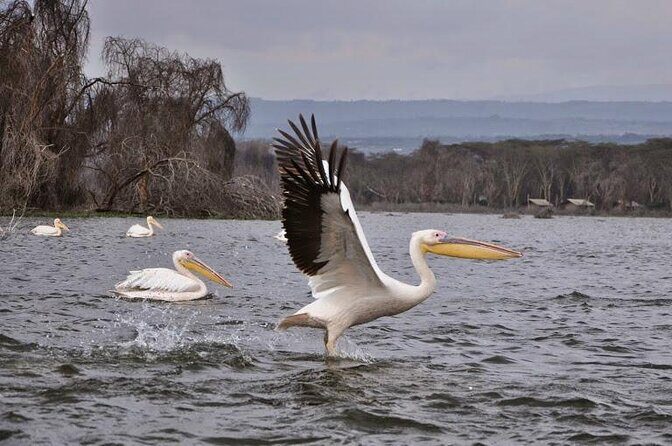
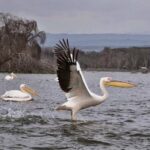
Nairobi National Park is also a birding stop. You’re in a system with different habitats, and that variety shows up as different bird species and behavior. If you’ve ever wanted to do safari and scratch your birding itch, this is a smart blend.
In many parks, birds are background. Here, birds are part of the plan. Your guide can help you spot species and point out what to look for—often more effective than trying to scan blindly with no local help.
Then there’s the view that most safari days don’t offer: the Nairobi skyline. From certain viewpoints inside the park, you can see Nairobi’s buildings while still being in wildlife country. It’s a rare perspective, and it’s also a real conversation starter about land use, growth, and conservation.
This is exactly why photography lovers tend to get excited. You’re not just shooting animals; you’re capturing the relationship between wildlife and a city. If you like “context photos” (the scene that tells the story, not just the animal), this is a highlight.
My tip: when you’re at skyline viewpoints, pause and slow down. It’s easy to run back to the next animal sighting. But those city-and-wildlife frames can become your most memorable shots because they feel so unusual.
Conservation Facts You’ll Actually Remember
A lot of safari time is just waiting and scanning. This outing adds something extra: conservation awareness woven into the drive. Your guide talks about the importance of wildlife conservation and the efforts to protect Nairobi National Park’s ecosystem.
The park’s location near a major city makes those lessons more real than in remote wilderness. You get a front-row seat to a conservation idea that matters: wildlife doesn’t survive by luck. It survives through rules, enforcement, habitat management, and community buy-in.
Stops like the Ivory Burning Site reinforce the stakes. The Hippo Pool reinforces the reward of protection—because hippos are not just scenery; they’re part of the functioning ecosystem.
This kind of guided education is also practical for travelers. It helps you notice what you’d otherwise miss. For example, when you understand why certain animals move through certain areas or how human activity affects wildlife patterns, you spend less time asking What am I seeing? and more time enjoying it.
Also, there’s a useful “expectation setting” element. If your day has fewer rhinos or fewer lions than you hoped, you still leave with a deeper understanding of what makes the park work—and why people work hard to keep it that way.
Optional Add-Ons: Giraffe Centre and the David Sheldrick Orphanage
You have two optional add-ons built into the experience. Both cost extra, so you can decide based on your interests and time.
Giraffe Centre (optional): Entry is $15. If giraffes are your priority, this is a straightforward add-on to pair with your game drive. It’s also a good way to keep your animal time going after the park drive wraps.
David Sheldrick Elephant Orphanage (optional): Entry is $20. If you want an elephant-focused experience tied to conservation and care, this is the route to take.
Important practical detail: these are optional, so they affect your schedule. You’ll still have your main game drive, but the add-ons are best if you’re comfortable with a full, active half-day rather than a slow, flexible one.
My take: add-ons are worth it when you’re a “species collector” (giraffes or elephants are must-sees) or when you want to round out the story beyond the wild sightings.
A few more Nairobi tours and experiences worth a look

Price and Value: What You’re Really Paying For
The price you’ll see is $130 per person for the half-day private safari experience. That base price includes:
- Pickup and drop-off from your Nairobi hotel or the airport (private option)
- A guided game drive of about 4–5 hours
- Use of a safari vehicle
- Professional English-speaking tour guide
- Bottled water
- Optional add-on visits for the Giraffe Centre and the David Sheldrick orphanage (with separate entry fees)
But the biggest “value check” is this: Nairobi National Park entry fees are $100 and are not included. You pay at the gate or via the government portal. So your realistic total depends on whether you add the optional attractions.
Here’s the simple math to help you decide:
- Base safari: $130
- Park entry: $100
- Optional Giraffe Centre: +$15
- Optional Sheldrick orphanage: +$20
That means a common total with just the safari + park entry can land around $230 per person, and it goes higher if you add one or both add-ons.
What makes it feel fair? You’re not paying only for animal sightings. You’re paying for private/organized transport close to central Nairobi, a guide who speaks English, and a vehicle designed for game viewing. Plus, you get planned time at key spots like Hippo Pool and the Ivory Burning Site, which many people miss without local help.
So the value is strongest if:
- You want Big 4 chances plus birding in a short window
- You prefer not to deal with complicated logistics
- You like having a guide who explains conservation and what you’re seeing
If you’re traveling super budget-focused and you can independently arrange wildlife entry + vehicle, this may feel pricey. But if you want smooth and guided, it’s easier to justify.
What to Bring, Rules to Know, and Who This Fits Best
This is not a long trek tour. It’s a wildlife drive and viewing day, so comfort matters more than gear.
Bring:
- Passport or ID card
- Comfortable shoes
- Water (even though bottled water is provided, having your own can help)
- Comfortable clothes
Not allowed:
- Drones
Also, the experience is marked as not suitable for wheelchair users. If mobility is a concern, you should think carefully and ask your provider about vehicle access and viewing arrangements before booking.
One more practical detail: lunch is not included. Plan to eat before you go, or make sure you’ve got a meal lined up afterward. Since you’ll be in the park several hours, “quick snacks” can be the difference between enjoying the full drive and feeling tired at the wrong time.
This safari suits best if you’re:
- Short on time in Nairobi
- Into photography and want skyline + animals
- Interested in conservation, not just spotting animals
- Traveling with someone and want a private feel
It’s also a strong choice for couples and first-timers who want a taste of Kenyan wildlife without committing to a multi-day safari.
Should You Book This Half-Day Nairobi National Park Safari?
If you want a fast, guided wildlife experience with real conservation context, I’d say it’s a solid booking. The big reason: you get a concentrated mix—wildlife viewing with Big 4 focus, bird watching, a Hippo Pool stop, and a chance to see Nairobi’s skyline from inside the park. That combination is hard to replicate on your own in just half a day.
I’d especially book it if:
- You’re arriving in Nairobi and want something active right away
- You want a private or small-group format with an English guide
- You plan to add either the Giraffe Centre or the David Sheldrick elephant orphanage (if that fits your interests)
The one clear reason to pause is cost creep. With the $100 park entry fee on top of the $130 base, you’re paying more than the headline price. If you’re okay with that and you want the guided value, it’s worth it.
Also, check that a half-day pace works for you. This is built for action and scanning, not slow strolling.
With an overall rating of 5 out of 5 from 6 verified bookings, the quality seems consistent. If you book with open eyes and a camera ready, you’re likely to leave with more than just animal photos—you’ll leave with a clearer sense of why this park matters.
FAQ
How long is the Nairobi National Park private safari?
It runs about 5 hours total, with a guided game drive lasting around 4–5 hours inside the park.
Do I get picked up and dropped off?
Yes. Pickup and drop-off are included from your Nairobi hotel or the airport in the private option, returning you to the same location.
What does the price include?
The base price includes the safari vehicle, a professional English-speaking guide, bottled water, and the guided game drive time, plus pickup/drop-off.
Are Nairobi National Park entry fees included?
No. Nairobi National Park entry fees of $100 must be paid separately at the gate or on the government portal.
How much do the optional add-ons cost?
The Giraffe Centre entry is $15, and the David Sheldrick Elephant Orphanage entry is $20.
What wildlife can I expect to see?
Your guided game drive includes chances to see lions, giraffes, zebras, buffaloes, rhinos, and many bird species.
What should I bring with me?
Bring a passport or ID card, comfortable shoes, comfortable clothes, and water.
Are drones allowed?
No. Drones are not allowed.
Is this safari suitable for wheelchair users?
No, it is not suitable for wheelchair users.