REVIEW · NAIROBI
Kibera Slum Guided Tour from Nairobi
Book on Viator →Operated by PERFECT WILDERNESS TOURS AND SAFARIS · Bookable on Viator
Street life in Nairobi hits hard. This private Kibera slum walking tour gives you a ground-level view of everyday routines with a guide born and raised in the area, plus visits to a school and orphanage tied to Mama Tunza. I also like how the tour includes practical stops, like a bead factory where craftspeople repurpose materials, and a typical home where you can ask questions about daily life. The main thing to consider is that it’s real walking—uneven paths and mud can make the day more tiring than you’d expect.
If you’re wondering whether it feels safe enough to do, the tone of the day is the answer. With guides like Collin, Paul, and Willie mentioned in past tours, the experience is guided closely and focused on community context, not sensationalism. Still, go in with the right mindset: expect poverty, cramped spaces, and lots of direct human stories—this is a visit that asks for patience and respect.
In This Review
- Key things you’ll notice on this Kibera tour
- Nairobi pickup, timing, and what 6 hours really means
- Walking Kibera with a local guide who knows the everyday details
- Mama Tunza’s orphanage and school: community-led support in action
- Bead factory and repurposed bones: craft built from reuse
- Inside a typical Kibera house: the best questions are everyday ones
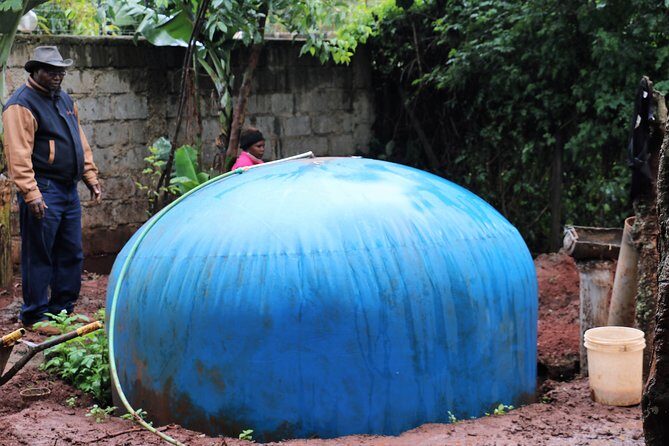
- Kibera’s biogas center: views, but also a practical angle
- Price and value: where the $64 goes
- How to prepare: comfort, clothing choices, and mindset
- Who this tour fits best, and who might reconsider
- Should you book this Kibera guided tour?
- FAQ
- How long is the Kibera slum guided tour?
- What time does the tour start in Nairobi?
- Does the tour include hotel pickup and drop-off?
- What’s included in the price?
- What’s not included?
- Is this a private tour?
Key things you’ll notice on this Kibera tour

- A local guide with deep ties to Kibera helps you understand what you’re seeing, not just pass through it
- Mama Tunza’s orphanage and school shows how community-led education support works
- A bead factory using repurposed materials (including bones from the butcher) turns waste into craft
- A typical Kibera house visit gives you a chance to ask everyday questions
- A biogas center viewpoint adds a practical, “how life functions here” ending point
Nairobi pickup, timing, and what 6 hours really means

This tour is built around convenience first. You start at 9:30am, and you get pickup and drop-off at your hotel within Nairobi CBD, with the day running about 6 hours total. It’s also a private setup, so it’s only your group, not a crowded shuffle with strangers.
On the ground, you’ll spend roughly 3 to 4 hours in Kibera, including 2 to 3 hours of walking. That walking time matters because it’s not a flat sidewalk stroll. One review called out the uneven terrain and mud, so you’ll want footwear that can handle slippery ground and rough surfaces.
The tour includes drinking water, which I appreciate. You’re out walking and listening, and it helps to not have to figure out refreshments on the fly. Also, you’ll have a mobile ticket, which is handy if you’re juggling a phone already packed with maps and messages.
You can also read our reviews of more guided tours in Nairobi



Walking Kibera with a local guide who knows the everyday details

The biggest value here is the guide. The tour is led by someone born and brought up in Kibera, and that changes the whole feel of the day. You’re not just seeing buildings; you’re hearing what life is like inside them—what works, what’s hard, and how residents handle both.
If you’re nervous because Kibera has a reputation outside the area, you’ll still want to stay honest with yourself. One past participant said they were apprehensive, but once they met their guide, fears eased fast because the guide was grounded, prepared, and truly connected. That’s the vibe you’re paying for: calm, local context.
You’ll walk around and listen as your guide shares stories about daily challenges facing residents and what certain spots mean. Past guide names you might hear (depending on your booking) include Collin, Paul, and Willie. Even when the names differ, the consistent theme is the same: you’re walking with someone who belongs to the place.
Practical tip: expect the pace to be partly about conversation. The walk isn’t just for exercise—it’s for explanations, questions, and context. If you tend to rush through sights, you’ll probably want to slow down here.
Mama Tunza’s orphanage and school: community-led support in action

One of the most meaningful stops is the orphanage and school built by Mama Tunza, a well-known local activist. This is not a quick photo stop. You’ll spend about 2 hours in the area, and you’ll see the work connected to children’s education and care.
Why this matters: in places where poverty is ongoing, schools and support centers often act like a stabilizer. They give children routine, learning, and a sense of future that wouldn’t otherwise be consistent. Seeing it in person makes the day feel real in a way that numbers and reports can’t.
Also, it’s a moment where you can observe how the community shows up. One account highlighted children being happy and friendly, greeting visitors in English with big smiles. That doesn’t erase hardship—nothing does—but it does show resilience in a very human way.
The stop includes admission, so you’re not juggling entry fees mid-day. Just plan for a quieter kind of attention—this is more “listen and observe” than “speedrun the checklist.”
Bead factory and repurposed bones: craft built from reuse

Next you head to a bead factory where the tour focuses on reuse. The basic idea is simple: in Kibera, people repurpose what they can, and that creativity shows up in products you can actually see and hold.
You’ll spend about 2 hours here. One of the most striking details is that you’ll see how bones from the butcher shop are reused to make beads. The tour describes the process from bones turning into bead materials, then into crafted pieces.
Let’s be honest: this stop may feel unusual at first. Repurposed bones isn’t a “souvenir shop” vibe. It’s part of a practical economy where waste streams become craft materials, and where work creates income. If you go in expecting an artisan market, you might miss the deeper point. If you go in ready to understand that this is survival creativity, you’ll likely come away with a stronger respect for the work.
If you want to buy something, treat it like a fair exchange with the right mindset. Ask your guide what’s appropriate and what’s meaningful. Even if you don’t buy, the main win is the perspective shift: you see how value gets created from what outsiders ignore.
Inside a typical Kibera house: the best questions are everyday ones

A tour stop that often sticks is the visit to a typical Kibera house. You’ll spend about 2 hours here, and the point isn’t to turn homes into exhibits. The tour description emphasizes that you enter to learn daily life, ask questions, and feel welcome inside.
In practice, that means you’ll likely get a chance to talk. The day is guided by your local host, who can translate your questions and keep the conversation respectful. If you’re the type who loves asking how people manage schedules, household routines, or schooling choices, this is where you’ll get the most direct answers.
One past visitor noted that the people felt welcoming and safe during the tour, and that parents send children to school and kids greet visitors happily. Those details matter because they give you a sense of what families prioritize, beyond the stereotypes that float around.
My advice: focus on everyday logistics rather than “curiosity for shock.” Questions about how a day works—morning routines, school, work, and community support—tend to land better and help you understand more.






Kibera’s biogas center: views, but also a practical angle

The tour ends with a final stop at Kibera’s BioGas center, including viewpoints across the area and a picture point. You’ll finish the walking portion and then return to your hotel with the included transfer.
What makes this stop worth your time is the practicality. A biogas center signals how people try to solve energy needs using local resources. From a viewpoint, it also helps you understand the scale and layout of Kibera. Even if you already learned a lot from stories and home visits, looking out over the area can make the geography click.
Plan for a pause here. It’s a good moment to regroup before heading back to Nairobi. And yes, you’ll probably want your camera ready—but try not to let photos swallow the meaning.
Price and value: where the $64 goes

At $64.00 per person, this tour doesn’t feel like a bargain or a splurge—it feels like a practical way to buy local guidance and multiple paid entries rolled into one day. That matters in Nairobi, where it’s easy for “cheap” tours to forget what you actually pay for: trained guides, time, and access.
Here’s what’s included that justifies the price:
- Pickup and drop-off within Nairobi CBD
- A guide born and brought up in Kibera
- Drinking water
- Admission tickets for the key stops (orphanage/school, bead factory, and the house visit components)
- A private tour format for your group
What’s not included: tips (optional) and food and drinks. That’s normal for tours, but it affects the real cost of the day. If you want a proper meal, you’ll need to plan for it outside the tour.
Booking-wise, it’s helpful to know it tends to be reserved ahead—one data point suggests many people book roughly a few weeks in advance. If you have tight dates or you’re traveling during peak times, don’t leave this until the last minute.
How to prepare: comfort, clothing choices, and mindset
Because you’re walking 2 to 3 hours on uneven ground, prepare like it’s a field day, not a museum visit. One review specifically mentioned mud, so bring shoes you trust. If you only pack fragile sneakers, this is the moment they complain.
A few other practical moves:
- Wear something you’re comfortable walking in for hours.
- Keep your phone charged, since you’ll likely use it for navigation and photos.
- Stay hydrated (water is included, but don’t wait until you feel thirsty).
Mindset is just as important as shoes. You’re visiting a community facing real hardship. The point of the day isn’t to gawk; it’s to understand, ask, and listen. If you keep your expectations grounded, the experience becomes more meaningful and less stressful for everyone.
And if you want to show appreciation, tips are optional. Your guide will be the right person to thank directly.
Who this tour fits best, and who might reconsider
This tour says most travelers can participate, which is a good sign. Still, the walk plus uneven terrain makes it easier for people who are comfortable on foot.
This tour tends to suit you if:
- You want a guided, private experience instead of a busy group ride
- You care about hearing community stories, not just photographing landmarks
- You’re curious about how people build livelihoods through craft and reuse
You might think twice if:
- You have limited mobility or struggle with uneven, muddy ground
- You’re looking for a purely “touristy” day with minimal walking and low emotional weight
That doesn’t mean it’s not for everyone. It just means you’ll get more from it if you can physically handle the walk and emotionally handle the realities of poverty.
Should you book this Kibera guided tour?
I’d book it if you want more than a surface visit. The combination of local guidance, the Mama Tunza orphanage and school, the bone-to-bead reuse workshop, a house visit, and a biogas viewpoint gives you variety without turning the day into random hopping.
Also, the private format and included pickup/drop-off make it easier to do well. You’re not spending half your day negotiating transport. And because the guide is born and raised in Kibera, the day usually feels grounded in real understanding.
The only strong reason to skip is if you can’t handle uneven walking or if you need a very light, low-emotion experience. This is a meaningful day, and it asks for care.
FAQ
How long is the Kibera slum guided tour?
The tour runs for about 6 hours total. The time in Kibera is around 3 to 4 hours, including 2 to 3 hours of walking.
What time does the tour start in Nairobi?
The start time is 9:30am. The exact departure time can vary based on your pickup arrangement after booking.
Does the tour include hotel pickup and drop-off?
Yes. The tour includes pickup and drop-off at your hotel within Nairobi CBD.
What’s included in the price?
Included: a guide born and brought up in Kibera, drinking water, pickup and drop-off, and admission tickets for the stops.
What’s not included?
Tips are optional, and food and drinks are not included.
Is this a private tour?
Yes. It’s listed as a private tour/activity, meaning only your group participates.
If you tell me your travel dates and what kind of walking you’re comfortable with, I can help you judge whether this is the right fit for your Nairobi day.