REVIEW · NAIROBI
Karura forest: A walking tour into Nairobi’s Nature Oasis
Book on GetYourGuide →Operated by Keana Safaris · Bookable on GetYourGuide
Karura Forest is the kind of Nairobi break you can feel in your shoulders. This 3-hour walk takes you from the forest gate into shaded canopy trails, past the soothing Karura Waterfalls, and then into history at the Mau Mau Caves. I like that it’s active but not exhausting, and I like that it pairs nature sights with real stories tied to Kenya’s independence era.
One thing to keep in mind: the quality of the nature/plant explanations can vary by guide. One booking praised the host for going above and beyond, while another noted the guide had less to say about trees, plants, and deeper history.
In This Review
- Key highlights worth your time
- First step inside Karura: from Karura Forest Gate C
- Shade and wildlife on the canopy trail
- Karura Waterfalls: why the sound matters
- Mau Mau Caves: history you can actually walk toward
- Fig Tree Circuit: slow walking among giants
- Picnic break and staying comfortable
- River walk and wildlife chances near the water
- The value of $50 and what else to budget
- How guides can shape the experience (and how to make it work)
- Who this Karura walk is best for
- Should you book this Karura Forest tour with Keana Safaris?
- FAQ
- How long is the Karura Forest walking tour?
- What’s included in the price?
- Are entry tickets included?
- Do I need to bring food and drinks?
- Is pick up and drop off included?
- Is this tour private?
Key highlights worth your time
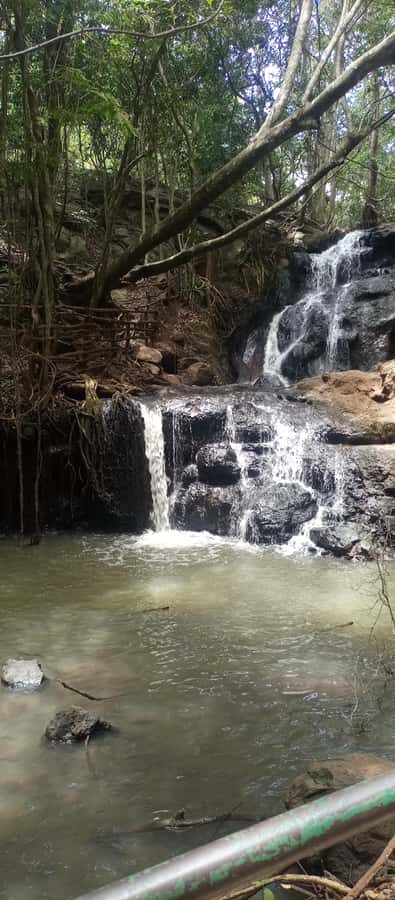
- Karura Waterfalls: hear the falls and see the forest change mood around the water
- Mau Mau Caves: a focused stop on independence-era hiding and local memory
- Canopy Trail walking: shade, birdlife chances, and a real urban-nature reset
- Fig Tree Circuit: slow down among tall fig trees and take photos without rushing
- River walk: continue along the water course for more wildlife sightings
- Private group format: easier pacing for your questions and photo stops
First step inside Karura: from Karura Forest Gate C
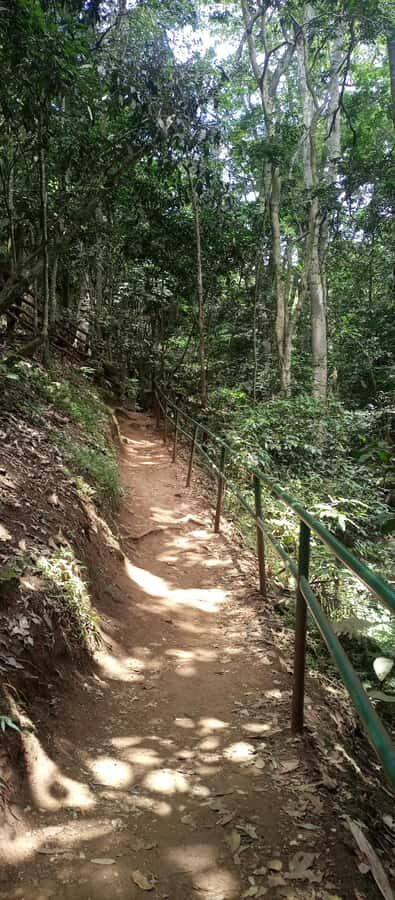
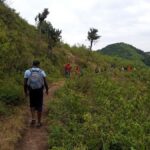
Your tour starts at Karura Forest Gate C, which matters more than it sounds. Starting at the gate helps you avoid the chaos of guessing where the “real” trail begins, and it gets you moving fast into the forest experience. You’ll meet a professional English-speaking forest guide, and that guide sets the pace for what you’ll notice—birds overhead, movement in the undergrowth, and the big story beats tied to the caves.
Because this is a private group, you’re not stuck behind a slow-moving pack or shuffled along by a crowd. That usually means more time for short pauses—like when you spot monkeys or when you want a better angle for the falls.
If you’re sensitive to heat, plan for a lot of outdoor time. Even with tree cover, you’ll still be under Nairobi sun at points, especially if you catch your walk earlier or later in the day.
You can also read our reviews of more walking tours in Nairobi



Shade and wildlife on the canopy trail
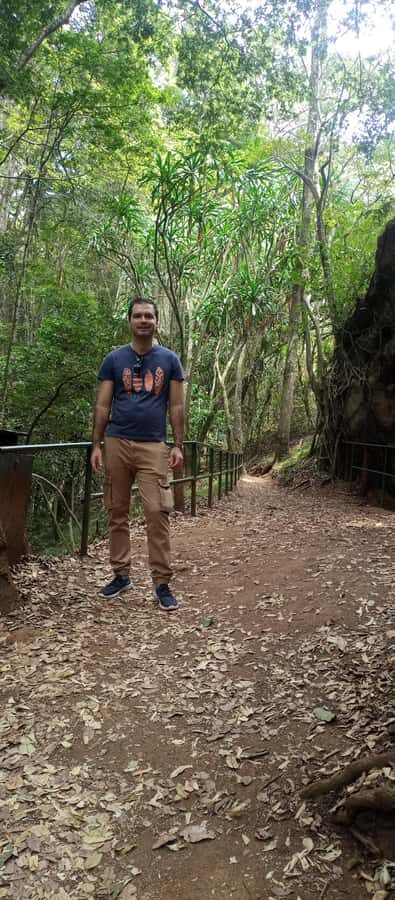
After the welcome, you’ll head into the canopy trail portion of the walk—tall trees, layered greenery, and that calmer air you only feel once the city fades. The practical win here is that it’s not just a “look around” experience. You’ll be walking and moving through sections where wildlife is more likely to show up—things like monkeys, colorful birds, and butterflies.
What I like about this part for your trip is the focus on attention. A good guide won’t just point at birds; they’ll help you understand what you’re seeing in the moment—where sound is coming from, where movement usually happens, and how to keep your eyes up without losing your footing.
Reality check: not every stop will produce the same wildlife sightings on every day. The forest is alive, but it doesn’t guarantee a performance. Still, the canopy trail gives you multiple chances as you move deeper and then out again.
Karura Waterfalls: why the sound matters
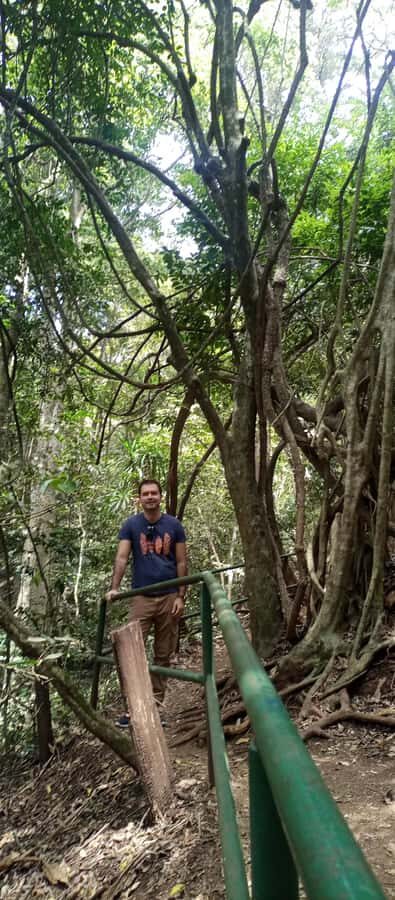
Then comes the part people remember fast: Karura Waterfalls. The main experience isn’t just visual. It’s sensory. The falls add a steady noise backdrop, and that changes the way the forest feels—cooler, calmer, and a bit more dramatic.
I also like how this stop breaks up the walk. After canopy trails, you get a natural “pause” point where the scenery does the work. Waterfalls are also a handy navigation anchor; once you’re there, you can track where you’ve been and where the route continues.
What to consider: bring something that handles damp air. Even if you’re not getting soaked, the area near falls can be humid and slick in spots. Good walking shoes matter more than style.
Mau Mau Caves: history you can actually walk toward
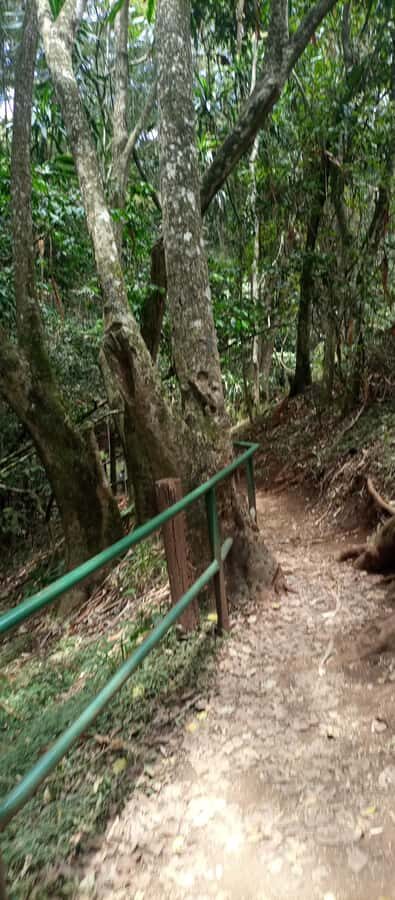
The tour then shifts from scenery to story: the Mau Mau Caves. These caves served as a hideout during Kenya’s struggle for independence. This is the cultural and historical heart of the route, and it’s exactly the kind of stop that makes a simple nature walk feel meaningful.
Here’s the practical value for you: this portion gives your brain something to hold onto besides visuals. Instead of just chasing photos, you’re tracking memory and place—why caves like this mattered, how local landscapes supported survival, and how that history still shapes the way people understand this forest.
One note from real-world experience: one guide was praised for strong storytelling, while another booking suggested the guide didn’t cover plants and trees much and had only limited history to add. If Mau Mau history is a big reason you booked, go in ready with questions. Ask what the caves were used for, and how the route helps explain that.
Fig Tree Circuit: slow walking among giants
After the caves, you’ll continue onto the Fig Tree Circuit. This part is quieter in feel. The route is built for scenic pausing—tall fig trees, shade, and photo moments that don’t feel like a sprint.
For your trip, this section is a good “reset.” You’re already walking through forest zones, but fig trees are a different kind of experience: less about a dramatic sight and more about atmosphere. It’s the kind of place where you notice textures, roots, and how light behaves under big branches.
If you care about photography, this is where you’ll likely get the most keepers—trunks and leaves create natural frames, and the shaded setting helps avoid harsh contrast.



Picnic break and staying comfortable
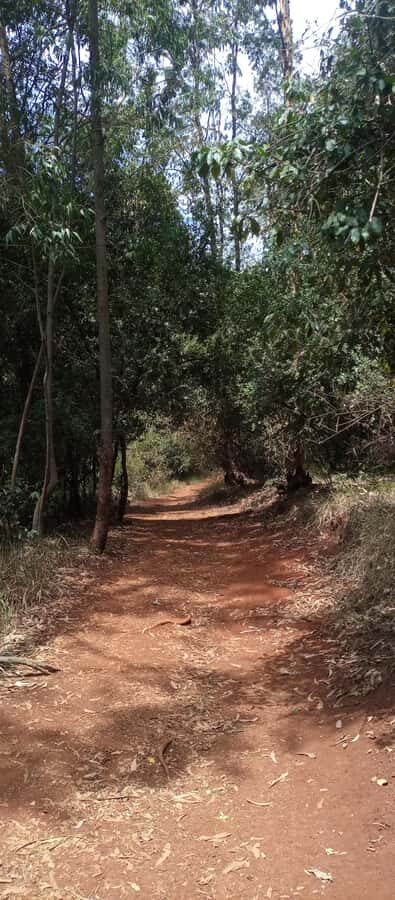
The plan includes a picnic lunch during the tour’s time in the forest. Here’s the important budgeting reality: food and drinks are not included, so you should bring what you need. Think water first, then a simple meal you can eat without stress—something that won’t melt in the heat.
Why this pause is worth it: breaks inside green spaces change the pace of the day. Instead of rushing from one “thing” to the next, you get a moment where you can actually hear the forest between conversations.
Also, plan for basic outdoor comfort: light layers, insect protection if you use it, and a bag you can keep organized. A picnic stop sounds casual, but it’s easier when you’re prepared.
River walk and wildlife chances near the water
Later you’ll follow the river’s course for the river walk. Water draws life in forests, and that’s why the river section tends to add extra wildlife chances and more movement to watch for—birds calling overhead, small creatures darting near edges, and that calm feeling you get when the route stays near water.
What I like about the river portion is that it’s both relaxing and active. You’re still walking, but the pace naturally slows. That means fewer “I missed it” moments and more time to observe without feeling behind the group.
Just keep your footing in mind. River-adjacent paths can be uneven. Good shoes keep the day fun instead of annoying.
The value of $50 and what else to budget
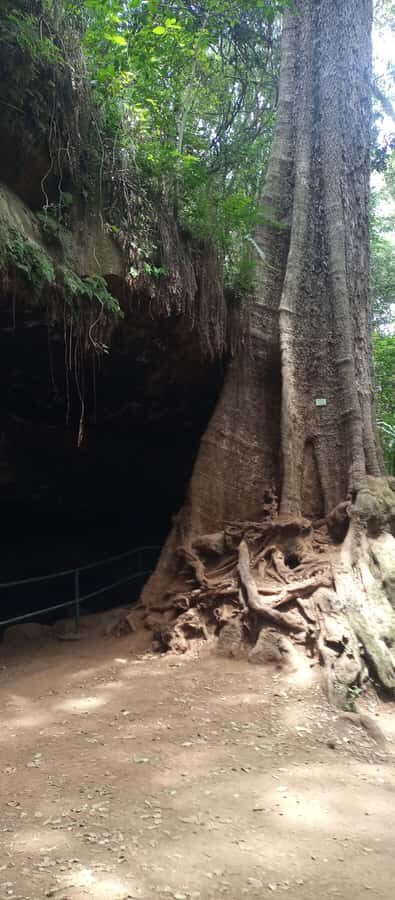
The tour price is listed as $50 per person for a 3-hour experience. For what you get—an English-speaking forest guide, a structured route through multiple forest highlights, and a private group setup—it’s a fair deal compared to spending a day trying to piece together your own route.
But don’t forget the extra costs and what they cover:
- Entry tickets are $4 per person (not included)
- Food and drinks are not included
- Pick up and drop off are not included
Two practical budgeting tips for you:
- If you want a picnic lunch, plan to pack it. This tour builds in time for it, but it won’t supply the meal.
- If you’re traveling without a car, factor in getting to Karura Forest Gate C on your own.
Also, one small plus: the experience includes an express security check, which can save time when entering the area.
How guides can shape the experience (and how to make it work)
Because this tour depends on a guide to bring both nature and history into focus, guide style matters. One booking highlighted a host named Diana as a standout, and the trip was praised for being well organized. Another booking noted the guide was friendly but didn’t add much detail about plants or history.
You can’t control who you get, but you can steer your experience. Before the first main stop, ask:
- What should I notice in the canopy trail besides birds?
- What’s the key story behind the Mau Mau Caves stop?
- Are there specific fig trees or features on the circuit worth photographing?
That kind of up-front question usually leads to better explanations on the spot. And even if you don’t get a deep botanical talk, you’ll still get the forest route, waterfalls, and river walk.
Who this Karura walk is best for
This is a strong choice if you want:
- A nature break near Nairobi without doing a full day trip
- Walking with structure: you’ll move through several parts of the forest instead of wandering randomly
- A history stop with context, not just a sightseeing checkbox
- A private-group pace that works for photos and questions
It’s especially good for couples, small groups, and visitors who like guided outdoors experiences but don’t want it to turn into a long endurance event.
If your priority is deep plant identification, you might want to ask more questions at the start. The variation in guide emphasis is real, so bring curiosity.
Should you book this Karura Forest tour with Keana Safaris?
I’d book it if you want a practical, guided way to experience Karura Forest’s best sections in three hours, with both waterfalls and Mau Mau Caves on the same route. The private format is a plus, and the timing gives you enough highlights without draining your whole day.
I wouldn’t rush to book if you’re tightly focused on one thing only—like detailed botany—because the tour’s nature explanations can vary. Also, since food isn’t included, you’ll want to pack water and a picnic so the day stays comfortable.
If you’re balancing nature and local history and you like walking in a shaded urban forest, this is the kind of trip that can make Nairobi feel bigger in a good way.
FAQ
How long is the Karura Forest walking tour?
It runs for 3 hours.
What’s included in the price?
You get the services of a professional English-speaking forest guide.
Are entry tickets included?
No. Entry tickets are $4 per person.
Do I need to bring food and drinks?
Yes. Food and drinks are not included, even though the plan includes a picnic lunch time.
Is pick up and drop off included?
No. Pick up and drop off are not included.
Is this tour private?
Yes. It’s listed as a private group.