REVIEW · MOMBASA
From Mombasa: Kisite Mpunguti Marine Park and Wasini Island
Book on GetYourGuide →Operated by KISITE DISCOVERY SAFARIS · Bookable on GetYourGuide
A dolphin hunt and coral time in one day. This is a full-water-and-island outing that strings together Kisite Mpunguti Marine Park and Wasini Island from Mombasa’s side, with dolphins, snorkeling, and a historic stop that many beach-only days skip.
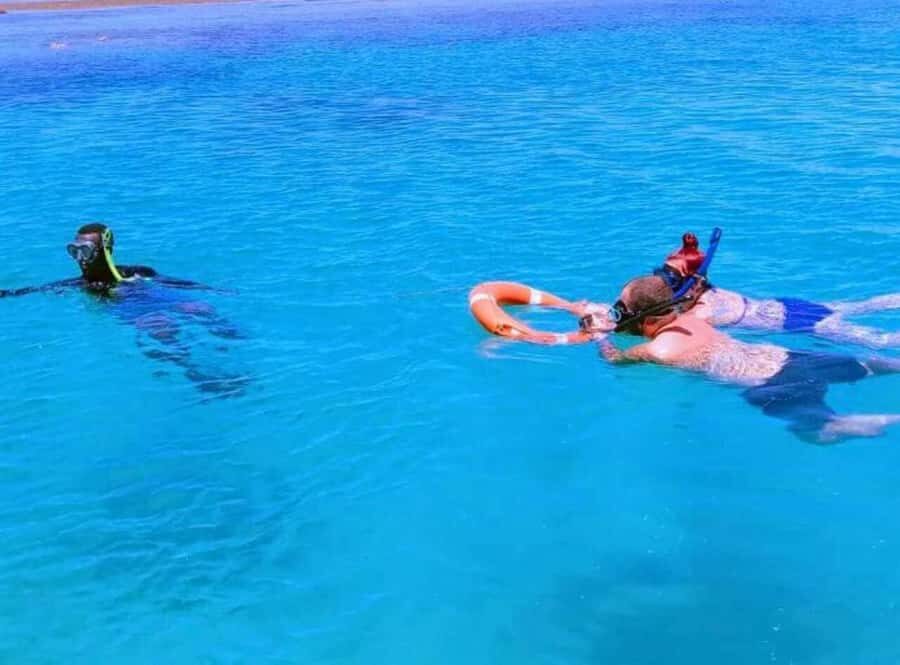
What I like most is that the schedule is built around time in the water without making you scramble for basics: snorkeling equipment, a light breakfast with fruit on the boat, and a real lunch on Wasini. I also really value the way the crew and guides focus on safe, calm snorkeling, and I’ve seen examples of guides like Mohammed using a rescue ring to help someone who wasn’t a strong swimmer.
The main thing you should think about is timing. You’ll usually start with a very early hotel pickup (often 5:30–6:00 am in Mombasa), and the day can run long depending on road conditions and the marine program.
In This Review
- Key things to know before you go
- How Kisite Mpunguti and Wasini fit into one solid day
- Getting to Shimoni: the early start from Mombasa hotels
- The dolphin search by boat: what actually happens on the water
- Kisite Mpunguti snorkeling: coral time, sea turtles, and fish
- Wasini Island lunch, mangroves, and a short village walk
- Shimoni Slave Caves: adding meaning after the sea
- Price and value: is $135 per person worth it?
- Practical tips that make snorkeling and sun feel easier
- Who should book this tour (and who should skip it)
- Should you book this Kisite + Wasini day trip?
- FAQ
- What is the duration of the tour?
- Where does the tour start from?
- What time is pickup in Mombasa?
- What time is pickup in Diani?
- What’s included for the snorkeling part?
- What food is included during the day?
- Is alcohol included?
- What should I bring?
Key things to know before you go
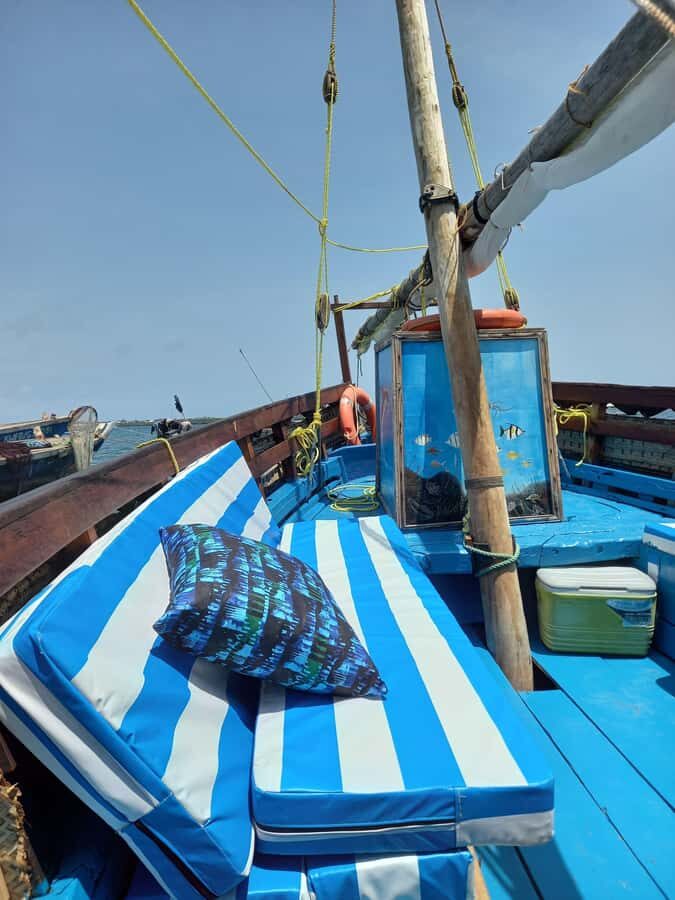
- Dolphin search from Shimoni: about one hour out on the water, with breakfast snacks and soft drinks onboard
- Kisite Mpunguti snorkeling time: typically 1–2 hours, with snorkeling gear included
- Wasini Island food options: seafood and Swahili-style dishes, plus chicken/vegetarian if you prefer
- Mangrove walk and a village stroll: short, easy land time after the sea
- Shimoni Slave Caves close by: a 200m walk from the jetty, usually 20–30 minutes inside
- Multi-language live guide: English, German, French, Tagalog, and Italian
How Kisite Mpunguti and Wasini fit into one solid day
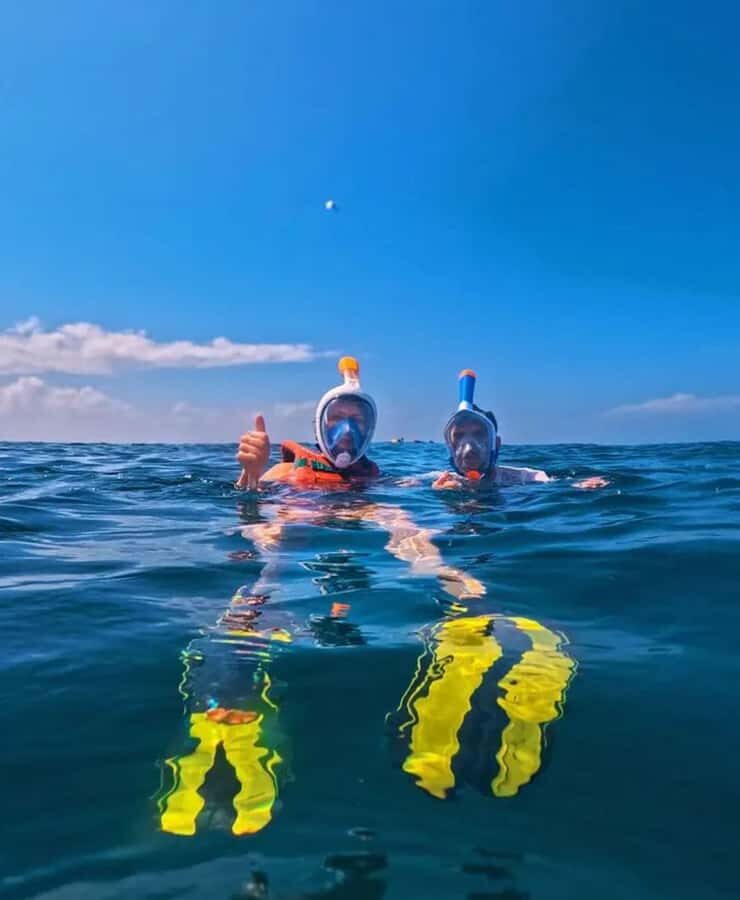
This tour works because it avoids the usual problem of “too much travel, not enough sea time.” You’re not just going to one place. You hit two marine experiences in the same day: the open-water search for dolphins around Shimoni, then the snorkeling zone at Kisite Mpunguti Marine Park, followed by an island stop at Wasini.
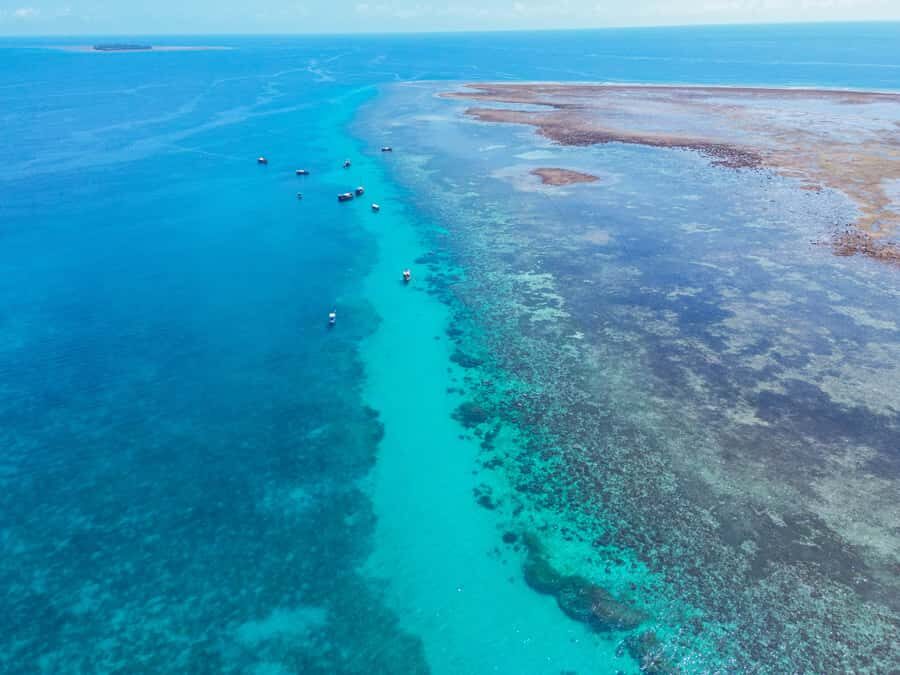
Kisite itself is well known for a reason: it’s a protected marine area of about 28 km², and you may see sea turtles, dolphins, and lots of reef fish. Wasini, on the other hand, gives you something different. It’s not only about water—it’s about the island experience: lunch, a short village walk, and a mangrove walk that slows the day down for a bit.
One more practical note: this is designed as a guided loop. You’re picked up, checked in at Shimoni (KWS ticketing), out on boats, then brought back. If you like clear structure—wake up early, do the marine highlights, and finish with a meaningful cultural stop—this format suits you.
You can also read our reviews of more tours and experiences in Mombasa.

Getting to Shimoni: the early start from Mombasa hotels
Pickup is usually the deciding factor for whether this day feels smooth or rushed. For Mombasa, pickup commonly falls between 5:30 am and 6:00 am. That means you’ll want to be ready before you think you need to be.
Once you’re on the road, the transfer is about 45 km south of Diani along the Mombasa–Lunga Lunga highway. The day plan has you arrive at around 8:30 am at Shimoni KWS for ticketing, then you start the boat ride right after.
What helps: pack like a person who expects salt air. Bring sunscreen, swimwear, a towel, and sandals you can live in for a few hours. Sunglasses also earn their keep. And don’t overthink it—this isn’t a dressy day. You’ll be wet, then you’ll be changing back into dry clothes.
If you’re sensitive to early mornings, plan an easy evening before (no late dinner, no last-minute errands). A full day here starts before sunrise, and your energy matters once you’re out on the water.
The dolphin search by boat: what actually happens on the water
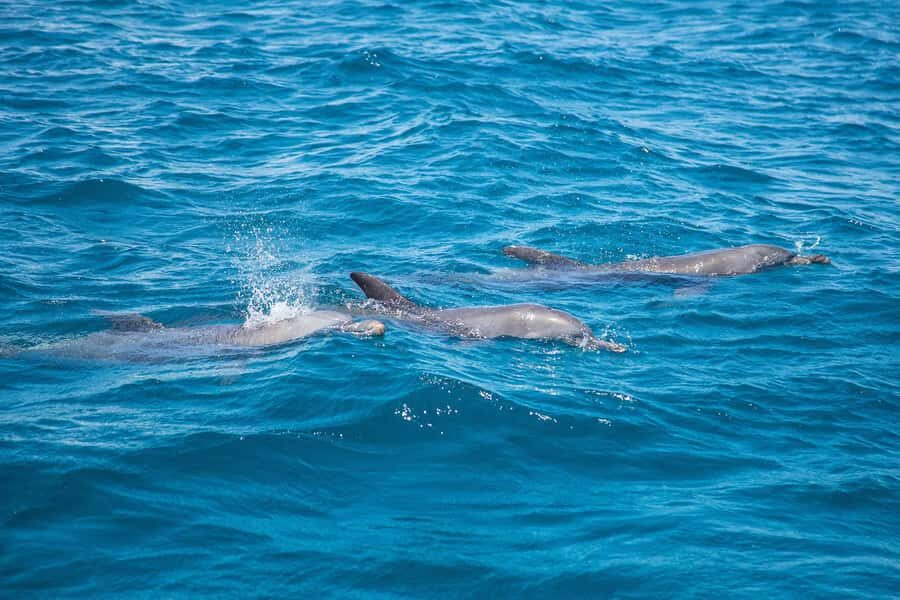
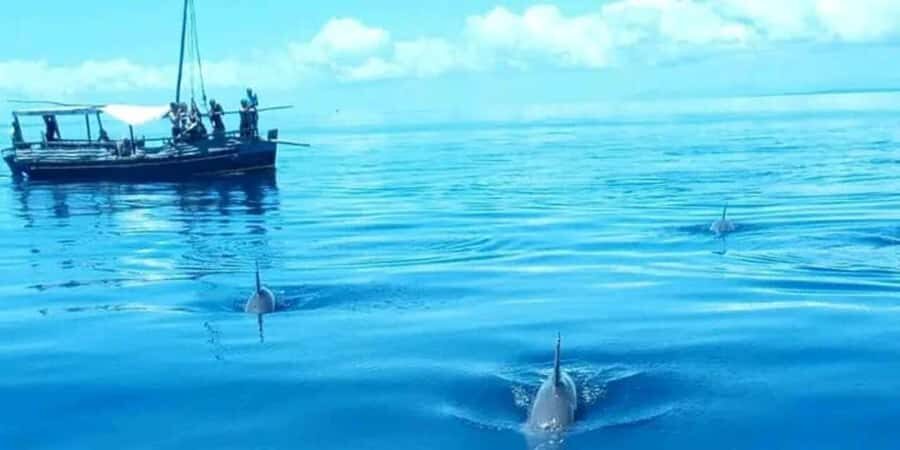
After ticketing at Shimoni, you head out for about one hour searching for dolphins. This is the part of the itinerary that can feel magical or just plain slow, depending on where the pods are that day.
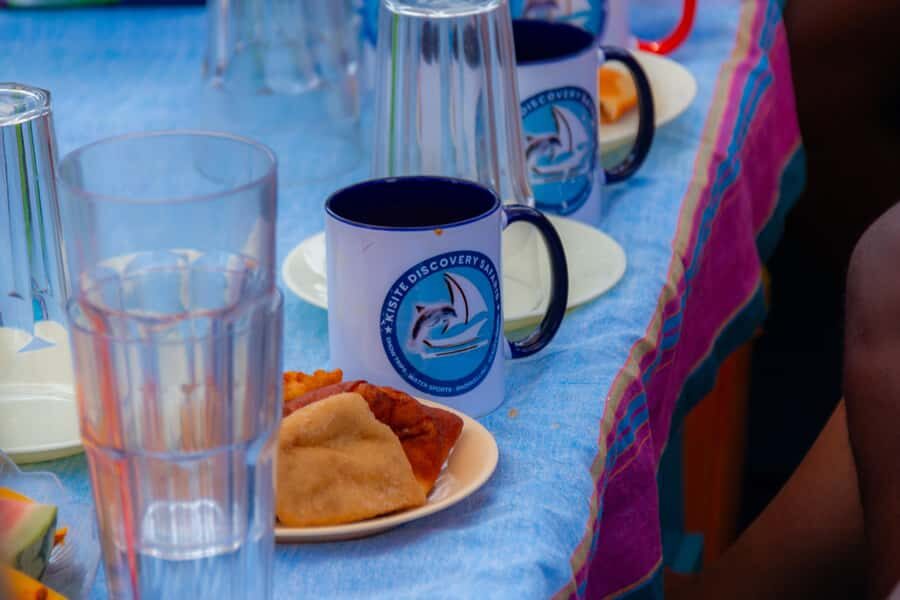
Here’s the practical setup: you’ll have a light breakfast onboard plus fruit and soft drinks. That matters more than it sounds. Out on the water, you’re burning calories and dealing with sun and spray. Having food before the snorkeling time later helps you stay comfortable.
About dolphin swims: the tour highlights mention dolphin swims, and there’s also a dhow adventure. The exact way this plays out depends on sea conditions and where the dolphins move. In other words, treat it as a possibility linked to the dolphin spotting window, not as a guaranteed moment.
If you want the best odds for sightings, do the boring things: be patient, keep your eyes up, and don’t block your view with hats or raised phones. Also, remember this is open water. Even with smooth seas, boat time can be breezy. Bring a light layer if you run cold on the water.
Kisite Mpunguti snorkeling: coral time, sea turtles, and fish
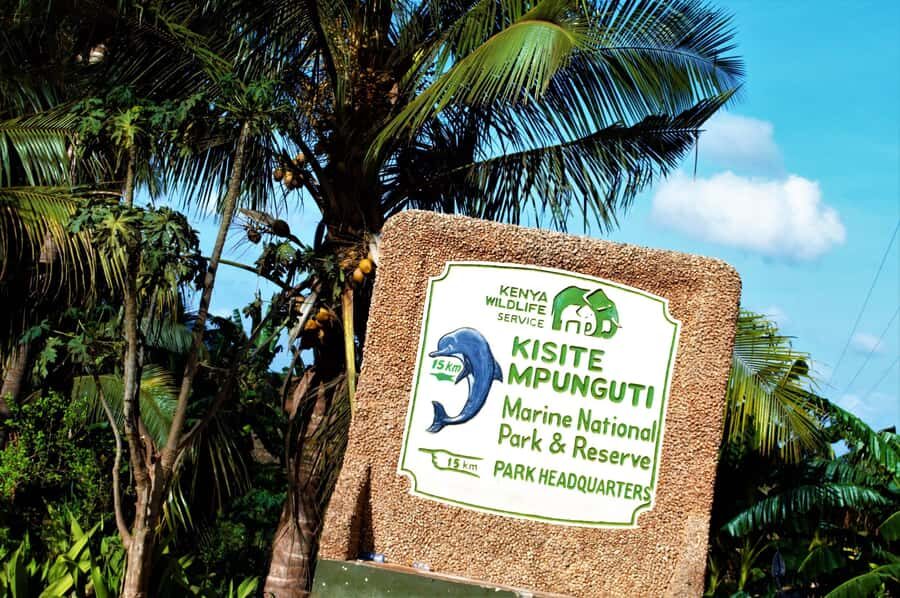
Then the day’s biggest underwater moment arrives. You sail to Kisite Marine National Park and snorkel and swim for about 1 to 2 hours.
What makes this time worth planning for is the mix of life and structure. Kisite is known for sea turtles, dolphins, and lots of reef fish. You’re not just looking for one animal. You’re scanning for movement: a turtle gliding under you, a flash of silver fish in the reef shadows, and the occasional sense that the whole water column is alive.
Snorkeling equipment is included, which is a big value point. You don’t have to rent gear separately, and you don’t lose time hunting for the right mask size. The tour also includes a guide, and you should take that seriously—snorkeling in a protected area works best when you follow instructions about where to go and how to keep a respectful distance from wildlife.
One thing I really liked in the guide examples: people who aren’t confident swimmers have had support. Guides such as Mohammed have been known to help with a rescue ring, letting a passenger feel steady while still enjoying the view of corals and fish. If you’re nervous about snorkeling, this is the kind of operator detail you should be looking for.
A reality check: snorkeling time is limited. So focus on breathing easy and taking it slow. If you rush, you’ll spend the best part of your time struggling instead of watching.
Wasini Island lunch, mangroves, and a short village walk
After snorkeling, you sail back to Wasini Island for lunch. The meal is mainly seafood and Swahili dishes, but there’s an option for non-seafood: vegetarian or chicken. This is a good balance, because sea days often leave limited choices for people who don’t eat fish.
Expect a break from the water here. The day is structured to give you time to reset: you’ll eat, then you can do a village walk for about 30 minutes. Depending on how the schedule fits that day, the mangrove walk included in the tour may also happen as part of the land time. Mangroves are a useful change of pace. You get calmer air, easier walking, and a sense of how the coastline works beyond the reef.
A quick word on logistics: this part of the day is where you’ll want to dry off a bit, especially if you plan to keep moving. Wet gear gets heavier and more annoying over time. Bring a towel, and if you can, rinse salt off your skin when you have the chance.
Also, if you’re thinking about photos: Wasini is a different look from Mombasa’s beach scene. You’ll see a more lived-in island feel, and the short walk time helps you capture more than just people standing by the water.


Shimoni Slave Caves: adding meaning after the sea
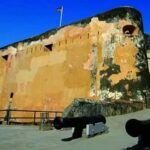
You don’t just go from beach to beach. After returning to the Shimoni jetty, you go to the Shimoni Slave Caves, which are just about 200m from the jetty.
This stop is timed at roughly 20 to 30 minutes and is described as a guided visit that teaches the history of slavery in the area. It’s not long, but it’s intense in the way most historical sites are: short walk, clear context, and a reminder that this coast has always had human stories tied to bigger trade and violence.
The benefit of placing this after a marine day is that your brain has two different “modes.” You go from watching animals to understanding people, and the change makes the overall day feel more complete than a single-activity outing.
Bring a bit of respect for the topic. Wear comfortable shoes. It’s a cave stop—so expect cooler air than outside.
Price and value: is $135 per person worth it?
At about $135 per person for an 8-hour day, you’re paying for a lot more than a beach ticket. You’re paying for:
- hotel pickup and drop-off
- marine entry tickets
- boat fees
- light breakfast plus soft drinks and water
- snorkeling equipment
- a guided marine-and-island program (including mangroves and cave visit)
- lunch on Wasini with seafood/Swahili dishes plus non-seafood options
In plain terms, it’s a packaged day built around boats. Boat-based marine activities are expensive because fuel, staff, and access fees stack up quickly. Here, those costs are bundled, which usually makes the day feel more predictable than doing it independently and trying to piece together transport, entry, and gear.
The one thing to watch is that the day can feel long. The itinerary targets returning to the jetty around 3:30 pm and getting back to your hotel around 5:00 pm, but real-world timing can shift with traffic and sea conditions. If you need a strict schedule, plan for flexibility.
Also note what’s not included: alcoholic drinks. If you want beer or wine with lunch, budget for it separately.
Practical tips that make snorkeling and sun feel easier
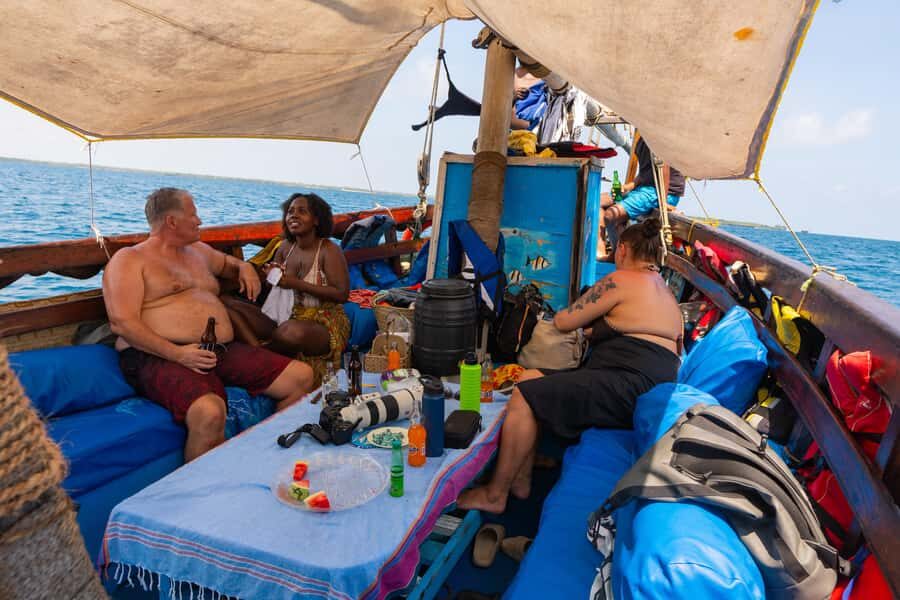
This day is simple, but it’s still a long one in sun and salt air. A few small choices make a big difference.
- Bring a towel you’ll actually use. You’ll get wet during snorkeling and probably want to dry off before eating.
- Sunscreen matters more than you think. You’re out for hours and exposed between boat rides and snorkeling.
- Use sandals you can handle on uneven surfaces. You’ll walk between jetty areas and cave access.
- Pack a dry set of clothes if your hotel pickup is far from the change area.
- If snorkeling worries you, tell your guide early. The included guide support has been strong in examples where a rescue ring was used for someone who wasn’t a confident swimmer.
One more consideration: the tour is not suitable for people with heart problems or respiratory issues, and it also advises against it for people with pre-existing medical conditions. If any of that applies to you, take it seriously. This is an early start plus boat time plus sun.
Who should book this tour (and who should skip it)
This is a great fit for you if:
- you want one day that combines dolphin spotting + snorkeling + island time
- you like guided structure and don’t want to negotiate transport or gear
- you want a lunch included that’s not just snacks
- you’re interested in a short historical stop at Shimoni Slave Caves
You might want to skip it if:
- you can’t handle very early pickup (Mombasa pickup often starts around 5:30–6:00 am)
- you’re medically unable to do boat and sun exposure (heart/respiratory concerns or pre-existing conditions)
- you hate schedule pressure. The marine parts of the day move with the water.
If you’re traveling with friends who snorkel and friends who do not, this tour can still work. The key is communication with the guide before you get in the water.
Should you book this Kisite + Wasini day trip?
Book it if you want the classic coast combo: dolphins and reef snorkeling, plus an island lunch and a meaningful nearby historical stop. The strongest value is that the day is packaged tightly—tickets, gear, food, and guiding are all included—so you spend your time on experiences instead of logistics.
Skip or reconsider if early starts will ruin your trip rhythm, or if you have health concerns that make boat and sun time risky. If you’re comfortable with those realities, this is an efficient way to get out past the beach and into Kenya’s marine life and coastal history in a single day.
FAQ
What is the duration of the tour?
The tour duration is 8 hours.
Where does the tour start from?
It includes hotel pickup and drop-off from Mombasa and Diani, then ticketing at Shimoni KWS.
What time is pickup in Mombasa?
Hotel pickup in Mombasa is usually between 5:30 am and 6:00 am.
What time is pickup in Diani?
Hotel pickup in Diani is usually between 7:00 am and 7:30 am.
What’s included for the snorkeling part?
The tour includes snorkeling equipment, plus marine entry tickets and time for snorkeling and swimming for about 1 to 2 hours at Kisite Mpunguti Marine Park.
What food is included during the day?
You’ll have a light breakfast onboard with fruit and soft drinks, and you’ll get lunch on Wasini that mainly features seafood and Swahili dishes, with chicken and vegetarian options available.
Is alcohol included?
No. Alcoholic drinks are not included.
What should I bring?
Bring a passport or ID card, towel, sunscreen, swimwear, sandals, and sunglasses.