REVIEW · NAIROBI
9 Day Private Luxury Spectacle Safari Majestic Kenya Wonderland
Book on Viator →Operated by APODIFORMES ADVENTURES · Bookable on Viator
One safari style fits like a tailored suit. This private luxury route strings together Kenya’s top parks with long game drives, lodge downtime, and a guide who helps you see more than just the postcard stuff. I especially love the chance for elephants up close in Amboseli and the sheer show of flamingoes and rhinos at Lake Nakuru.
What makes it work on the ground is the mix of big-sighting parks and built-in variety. Tsavo West gives you Mzima Springs and viewpoints like Roaring Rocks, while Masai Mara ramps up the odds with migration-country wildlife and classic predators. For the human side, the operator APODIFORMES Adventures has plenty of praise for responsiveness and strong guiding, including names like Frederick (planning), and guides such as Tom, Sebastian, Dickson, Kevin, Michael, and Wycliffe.
Still, there’s one real consideration to weigh: the pace is intense, with days that run about 10 hours on safari, plus it’s non-refundable and not changeable once booked. And while most feedback is glowing, I did see one harsh complaint claiming hotel and timing mismatches—so it’s worth asking hard questions before you pay and keeping expectations tied to what’s actually included.
In This Review
- Key things that make this safari feel like a “spectacle”
- Private luxury doesn’t mean less wild. It means fewer hassles
- Day 1–2 in Tsavo West: Mzima Springs, Roaring Rocks, and crater viewpoints
- Mzima Springs: the water source that pulls animals close
- Roaring Rocks and the best Tsavo viewpoints
- Amboseli days (3–4): Kilimanjaro mornings and elephants that don’t rush
- Day 3: afternoon drive after lodge check-in
- Day 4: sunrise expectations for Kilimanjaro and elephant swamps
- Lake Naivasha on day 5: papyrus birding, hippos, and a cold-water twist
- Lake Nakuru on day 6: flamingo bands and a rhino-heavy sanctuary
- Masai Mara days (7–8): migration-country wildlife and Big Five chances in the morning
- Day 7: Mara timing for migration and predators
- Day 8: full-day Mara drive with picnic lunch
- Day 9 back in Nairobi: sunrise drive and a softer landing
- Price and value: how $5,050 fits a luxury safari budget
- Where value can slip
- Operator quality: why guide names matter more than brochures
- Who should book this safari (and who should think twice)
- Should you book 9 Day Private Luxury Spectacle Safari Majestic Kenya Wonderland?
- FAQ
- What is the duration of this safari?
- Where does the tour start and how do you get back to Nairobi?
- Which parks and reserves are included?
- What time does the tour operate each day?
- Is the tour private?
- Is pickup offered, and will you receive tickets?
- Are park admissions included?
Key things that make this safari feel like a “spectacle”
- Tsavo West’s Mzima Springs: cool, clear underground water flowing out in massive volume, plus red-dust elephants and big-cat country nearby
- Amboseli for elephant close-ups: the park is one of Africa’s best places for elephants feeding and bathing, and Kilimanjaro views can be worth the early wake-up
- Lake Naivasha birding without the crocodile drama: a cold-altitude lake where crocodiles are absent, but hippos and papyrus birds are part of the show
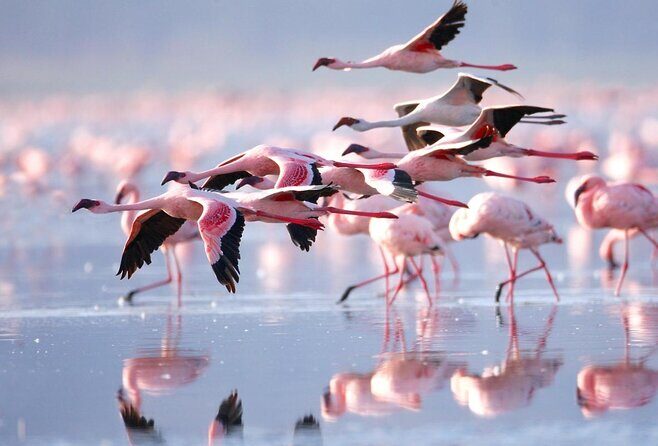
- Lake Nakuru’s flamingo band + rhino sanctuary: sometimes close to two million flamingoes, plus black and white rhinos in one park
- Masai Mara’s big-cat odds on two full drives: early starts, picnic lunch, and even cheetahs that get comfortable around vehicles
- Private tour means the day adapts: you’re not waiting on strangers, and your guide can aim for the best conditions each morning
Private luxury doesn’t mean less wild. It means fewer hassles
This is a private tour/activity, so only your group rides, schedules, and game-drive flow. That matters in Kenya, where the biggest “stress tax” is wasting time—waiting, mismatched pace, and unclear logistics. Here, you’re given pickup in the Nairobi area, and you’ll have mobile ticket support.
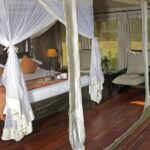
The “luxury” part isn’t just nicer lodges (you’ll be staying at lodges or resorts each night); it’s the rhythm of the safari. You do early drives when animal activity is best, then you get structured breaks for lunch and dinner, rather than trying to improvise your own timing. Based on guide feedback using names like Frederick and the guides Tom, Sebastian, Dickson, Kevin, Michael, and Wycliffe, the better operators also focus on comfort and safety while still chasing sightings.
One note to keep you grounded: the days are long—often around 10 hours. If you’re someone who needs frequent bathroom breaks or short stops to reset, tell your guide what you need, because these drives are designed to maximize time in the parks.
You can also read our reviews of more private tours in Nairobi

Day 1–2 in Tsavo West: Mzima Springs, Roaring Rocks, and crater viewpoints
Your safari begins with a morning departure from Nairobi, ideally around 8:00 AM, so you reach Tsavo West in time for lunch. Tsavo West is the most-visited section of Tsavo National Park, and that’s not just marketing—it gives you attractions beyond wildlife, too.
Mzima Springs: the water source that pulls animals close
In Tsavo West, Mzima Springs is the highlight. You’ll visit where huge volumes of cool, crystal-clear water emerge through porous volcanic rock—water that’s believed to come from the Chyulu Hills through an underground river. This is the kind of place where wildlife feels more “concentrated,” because the water source acts like a magnet.
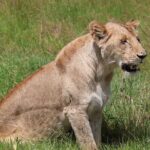
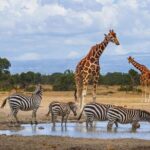
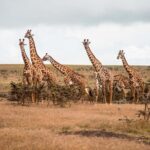
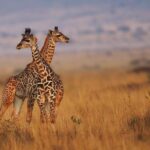
It’s also where you can see red-dust elephants among other animals like lions, giraffes, zebras, and various antelope species. In plain terms: you get more wildlife-per-hour when water is involved, and Tsavo has that built in.
Roaring Rocks and the best Tsavo viewpoints
On the second day, you go for a full-day game drive with a picnic lunch. You’ll include Roaring Rocks, named for the sound of lions roaring in the area. It’s a reminder that Tsavo isn’t only about landscape drama—it’s about how predators communicate and hunt.
Then there are views: Roaring Rocks’ 98-meter rock face gives you a sweeping overlook of Tsavo. You can also visit Poacher’s Lookout, and the itinerary includes Chaimu Crater Viewpoint. The crater is described as a volcano less than 200 years old, and it’s composed of black coke—an unusual visual that’s worth the climb if your legs are game. You might also spot klipspringer, the small agile “mbuzi mawe,” which means mountain goat.
Drawback to plan for: Tsavo’s roads and tracks can mean dust and long hours. Even on a “luxury” safari, you’ll want sun protection and a flexible attitude about when the best sightings happen.
Amboseli days (3–4): Kilimanjaro mornings and elephants that don’t rush
After Tsavo, you head south to Amboseli National Park, arriving for wildlife drives on both day three and day four. Amboseli sits near Nairobi’s southern side, and it’s described as dry, with an ancient lake bed, grassland, and acacia patches—then lush swamps in the southern areas around Ol Okenya, Ol Tukai, and Enkongo Narok.
A few more Nairobi tours and experiences worth a look
Day 3: afternoon drive after lodge check-in
The early morning drive usually gives you your first crack at elephants and other animals before the heat changes behavior. Then you check in, eat lunch, and go out again in the afternoon. This two-drive structure is what makes the days feel full without feeling chaotic.
Day 4: sunrise expectations for Kilimanjaro and elephant swamps
On day four, you rise early for Mount Kilimanjaro views before clouds build up over the summit. Even if you don’t get a perfect summit shot, the timing matters because morning visibility and animal behavior tend to line up better.
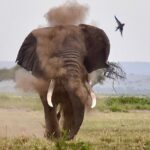
The elephant focus here is very specific: Amboseli is described as the best wildlife area in Africa to experience elephants at close range. The top moments are elephants feeding and bathing in the swamps. You’ll be in a prime-feeling place for that kind of scene.
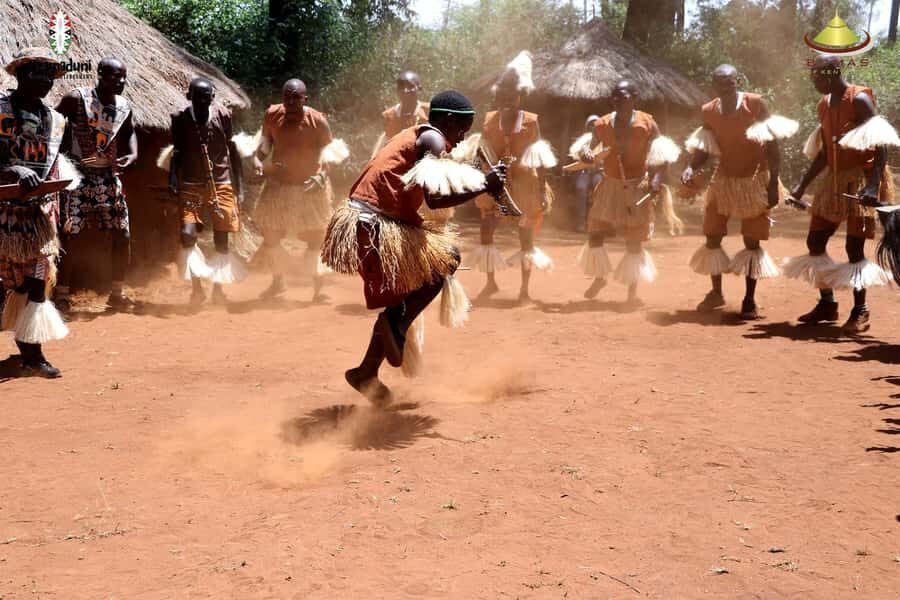
There’s also an optional Maasai village visit after breakfast. If you go, you’ll see singing, dancing, daily life elements, and sacred rituals, plus a look at homes and social structure. I like adding cultural stops when they’re truly optional—your guide can help you decide based on your interests and how you’re feeling after game drives.
Consideration: Kilimanjaro views depend on clouds. If you’re only chasing photos, you might get frustrated. If you like wildlife and don’t mind working with nature, this is a great fit.
Lake Naivasha on day 5: papyrus birding, hippos, and a cold-water twist
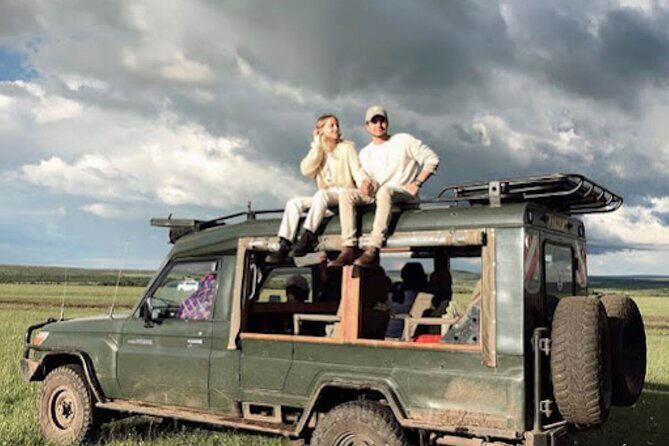
Day five shifts you to the Rift Valley at Lake Naivasha, described as the highest and most beautiful Rift Valley lake at 1910m (about 6200ft). This altitude angle matters: the water is fresh, papyrus fringes the shore, and the lake is too cold for crocodiles.
That’s a big practical difference from other African lakes. You still get wildlife—hippos are present—but the “where are the crocs?” worry disappears. It’s also bird country: over 400 species have been recorded, and papyrus clumps provide perches and cover for kingfishers and herons.
The itinerary also notes vineyards along the lakeshore, connected to Kenya’s growing wine industry. Even if you don’t plan a wine-focused stop, it’s a reminder that this isn’t only animals and wilderness. It’s also a living region with farms and weekend visitors from Nairobi.
Small reality check: Naivasha is listed as having a dinner and overnight stay at the resort, so your day ends with a comfortable reset. If you love birds, bring binoculars if you have them, because this is one of the best places in the route for that.
Lake Nakuru on day 6: flamingo bands and a rhino-heavy sanctuary
Lake Nakuru National Park is the next stop, and it hits two kinds of awe in one place: flamingoes and rhinos. The park’s reputation is blunt—its flamboyance comes from flamingoes, and the alkaline lake is part of why they gather in such numbers.
On arrival in time for lunch, you then go for an afternoon game drive. A big number here is striking: at times, almost two million flamingoes can be present, forming a deep pink band along the shoreline.
Then there are the rhinos: the park is recognized as a sanctuary with over 40 black rhinos and over 60 white rhinos. That means you’re not choosing between “pink birds” and “serious conservation animals.” You can get both in a single day.
Why it’s good value in this itinerary: after Tsavo and Amboseli, Nakuru offers a different kind of wildlife experience—less about elephant swamps and more about concentration and variety.
What to watch for: flamingoes can be very visible, but rhino sightings depend on where they are that day. Your guide’s skill at finding animals is what turns a “possible” experience into a real one.
Masai Mara days (7–8): migration-country wildlife and Big Five chances in the morning
Masai Mara National Reserve is where the safari energy really spikes. You get two separate days here, day seven and day eight, each with early morning drives and an afternoon or full-day structure.
Day 7: Mara timing for migration and predators
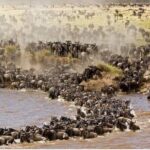
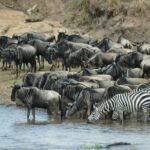
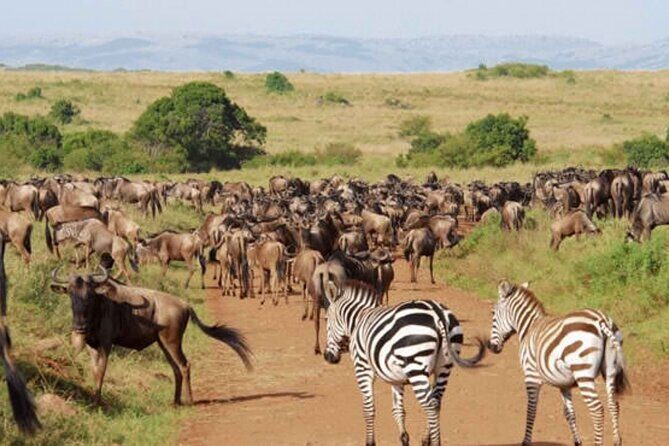
You start with an early morning game drive described as part of the Serengeti ecosystem. The Mara is known for seasonal migration of thousands of wildebeest and zebras, and for predators following that food chain.
You’ll arrive in time for lunch, then go out again for an afternoon game drive. The two-drive format gives you better odds across changing light and animal movement patterns.
Day 8: full-day Mara drive with picnic lunch
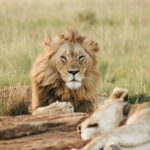
Day eight is a full-day game drive. The itinerary calls out black-maned lions and abundant wildlife, and it also notes one of the big selling points: it’s one of the few places where you can see the Big Five during a morning game drive.
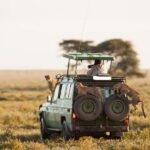
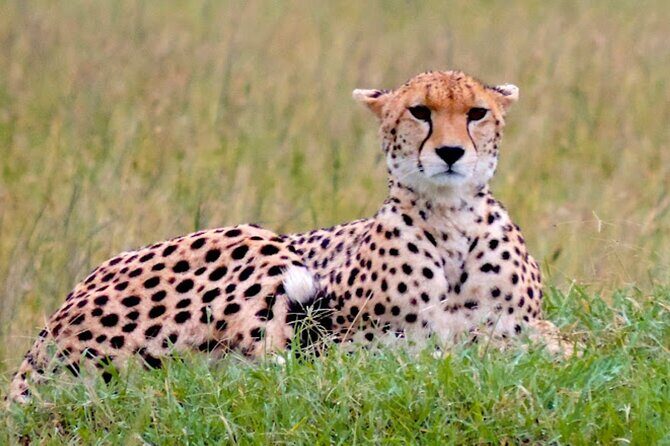
There’s also a cheetah detail that’s both funny and useful. Some cheetahs are described as so tame they seek shelter from the hot sun under vehicles, and several may even climb onto the roof to get a better look. That means your best sightings might come from calm patience, not sprinting after every moving dot.
For bird lovers, the numbers are high too: nearly 500 species recorded, including 16 species of eagles, many hawks and falcons, six species of vultures, eight storks, and four bustard species mentioned, including kori bustard. It’s a reminder that Mara isn’t only “the lions day.” Birds show up in the same system.
Reality check: Mara is wild and can be busy. Your “luxury” advantage is having your own private group and a guide who knows how to manage viewing time without rushing you.
Day 9 back in Nairobi: sunrise drive and a softer landing
Your final day is structured to end without the day feeling wasted. You’ll do an early morning sunrise game drive, then head back for breakfast and checkout. After that, you’ll travel back to Nairobi with a picnic lunch en-route and get dropped at your city hotel or at Jomo Kenyatta International Airport.
This “last morning” approach matters. It gives you one more chance at sightings before you switch back into travel mode. It also keeps the finale from feeling like a forced exit.
Price and value: how $5,050 fits a luxury safari budget
At $5,050 per person for about nine days, the real question isn’t the number—it’s what you’re getting for it.
You’re paying for:
- Private guiding across multiple parks (Tsavo West, Amboseli, Lake Naivasha, Lake Nakuru, Masai Mara)
- Multiple game drives per park so the odds aren’t tied to a single outing
- Lodge/resort nights during the route
- Park-entry logistics that are partially marked as included or free depending on the day
The “value” is strongest if you care about doing more than one ecosystem. Tsavo’s spring and rock formations aren’t the same story as Amboseli elephants, Naivasha birds, Nakuru flamingos plus rhinos, and Mara big-cat country. One safari that covers them all can be worth the premium if you’d otherwise pay for separate planning.
Where value can slip
The downside risk isn’t the price; it’s expectation management. One negative comment in the feedback set claimed issues like hotel mismatches and shortened safaris compared with agreements, along with accusations tied to a specific representative named Silas. I’m not going to dismiss it. I am saying: clarify everything in writing before you book, especially what lodge/resort category you’re actually receiving and whether any time at parks can be shortened.
And because the policy says this is non-refundable and cannot be changed, you’ll want to be confident about travel dates before paying. That’s a big deal.
Operator quality: why guide names matter more than brochures
APODIFORMES Adventures shows up repeatedly in praise, and the names are the giveaway that this can be a people-first operation. I saw consistent praise for fast coordination from Frederick, and guides like Tom, Sebastian, Dickson, Kevin, Michael, and Wycliffe. The common thread in the positive notes: guides were professional, attentive, and good at adapting to concerns and preferences.
Still, safari guiding is only half skill. The other half is communication and follow-through. That’s why I recommend you treat the booking process like a checklist: ask about drive times, what’s included, and how they handle changes day-to-day. A good guide can solve problems in the field. A weak setup creates problems that no guide can fully fix.
Who should book this safari (and who should think twice)
This fits best if you:
- Want multiple parks in one trip (not a single-park “starter safari”)
- Like the structure of early drives and planned lunches, rather than DIY pacing
- Appreciate lodge comfort and private guiding
- Care about a mix of wildlife and birdlife—Tsavo viewpoints, Amboseli elephants, Naivasha birds, Nakuru flamingos/rhinos, and Mara predators
You might think twice if you:
- Need flexibility with dates, since it’s non-refundable and not changeable
- Don’t like long days on the road, since the itinerary is built around long game-drive windows
- Have high tolerance for risk around lodging expectations, since one negative account raised issues about hotel quality vs. agreements
Should you book 9 Day Private Luxury Spectacle Safari Majestic Kenya Wonderland?
If your goal is a high-impact Kenya safari with a private guide, this one makes a lot of sense. The itinerary covers five major wildlife and birding zones, and the best part is that it doesn’t feel like you’re only passing through—there are multiple drives in Tsavo, Amboseli, and the Mara, plus a different-feeling Rift Valley chapter in Naivasha and Nakuru.
My call: book it if you confirm the lodge/resort details clearly and you’re comfortable with long days. Skip or renegotiate if your dates aren’t firm, because the trip is locked in once purchased.
FAQ
What is the duration of this safari?
The tour runs for 9 days (approximately).
Where does the tour start and how do you get back to Nairobi?
It starts with a morning departure from Nairobi (around 8:00 AM is suggested). On day 9 you return to Nairobi with a picnic lunch en-route and get dropped at your city hotel or at Jomo Kenyatta International Airport.
Which parks and reserves are included?
You’ll visit Tsavo National Park West, Amboseli National Park, Lake Naivasha, Lake Nakuru National Park, and Masai Mara National Reserve.
What time does the tour operate each day?
The opening hours are listed as Monday through Sunday, 7:00 AM to 7:30 AM (with your morning departure planned around 8:00 AM).
Is the tour private?
Yes. This is a private tour/activity, so only your group participates.
Is pickup offered, and will you receive tickets?
Pickup is offered, and you’ll receive a mobile ticket.
Are park admissions included?
The itinerary notes admission ticket details by day. Some days list Admission Ticket Free, while days covering Lake Naivasha and Lake Nakuru are marked as Admission Ticket Included.