REVIEW · NAIROBI
12 Days Best Of Kenya and Tanzania Safari – Luxury
Book on Viator →Operated by BUSH 2 CITY ADVENTURE · Bookable on Viator
A twelve-day safari with back-to-back wildlife. What makes this one feel special is the mix of Kenya and Tanzania wildlife zones, plus days built around game drives at top parks, with luxury lodge time in between. You start in Nairobi, then move through Lake Naivasha, Maasai Mara, Serengeti, Ngorongoro, and finish in Amboseli, with park fees and most meals handled for you.
I like that the trip keeps you close to the action by using lodges inside the reserves for the main parks. I also love the food-and-water setup: breakfast, lunch, and dinner are included as specified, with drinking water provided daily during the safari days.
One thing to consider: the schedule is full, and you’ll spend plenty of time in vehicles on long drive days and during border-day procedures. Also, tips are not included, and the last day only includes breakfast and lunch.
In This Review
- Key things you’ll enjoy most
- Price and what you’re really paying for
- Nairobi arrival: a calm start before the big parks
- Lake Naivasha: boat ride, Crescent Island, and sunset dinner
- Maasai Mara: luxury lodge time inside the reserve
- Crossing into Tanzania: the Isebania/Serare border stop
- Serengeti: long game-drive days plus a sundowner-style evening
- Ngorongoro Crater: crater-floor drive and rim-lodge convenience
- Amboseli: elephants, big skies, and your last safari nights
- Support, guides, and how the trip stays smooth in real life
- Small planning tips that make a big difference
- Who should book this luxury Kenya and Tanzania safari
- Should you book this 12-day Best of Kenya and Tanzania safari?
Key things you’ll enjoy most
- Lake Naivasha boat ride and Crescent Island walk for Rift Valley wildlife time with a calmer pace.
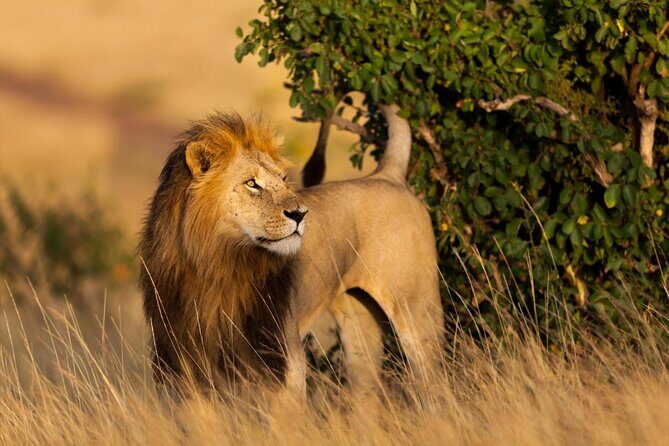
- Maasai Mara sunset timing built around migration energy and predator-spotting during optimal daylight.
- Serengeti multi-day game drives with packed meals and a sundowner-style evening.
- Ngorongoro Crater-floor drive with lunch plus the convenience of staying on the crater rim.
- Amboseli lodging inside the park so your elephant time starts fast and doesn’t get wasted commuting.
- Driver-guide and transfers included, so your planning stays focused on seeing wildlife, not logistics.
Price and what you’re really paying for
$2,329 for a 12-day cross-border safari sounds like a big number until you map it to what’s included. Here, park fees and activities are covered, you get a professional driver/guide, and you’re not flying yourself between countries or hunting down transfers. For a luxury route that’s also tight on driving time and includes lodge stays in major reserves, the value math often comes out better than piecing everything together.
What you do not get is also important. International flights are not included, visa costs are not included, and tips are expected (a guideline of US$25 per person per day is listed). If you’re the type who drinks cocktails daily, note that drinking water is included but other drinks are not.
A few more Nairobi tours and experiences worth a look
Nairobi arrival: a calm start before the big parks
Your first day is built to keep stress low. After you land at Jomo Kenyatta International Airport, you’re met and escorted to your Nairobi hotel for a relaxed introduction to Kenya at your own pace. This is a good way to reset if your flight landed you tired—no frantic rushing into the bush the same day.
That Nairobi night matters because the rest of the itinerary is about long wildlife days. You’ll want your sleep first so you can handle early starts, packed-meal drives, and the general rhythm of safaris where the day is governed by animal activity and daylight.
Lake Naivasha: boat ride, Crescent Island, and sunset dinner
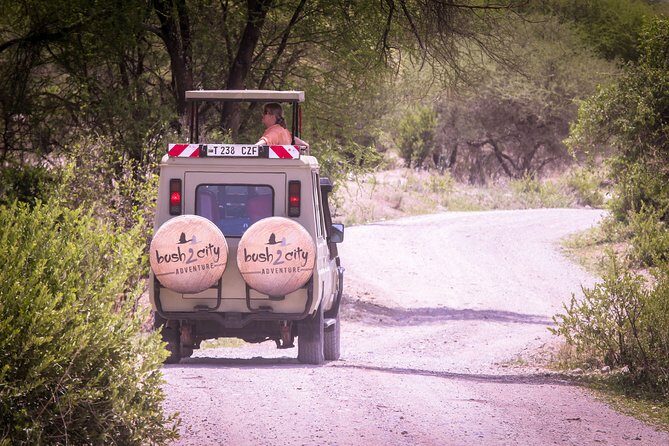
Lake Naivasha is a smart second day because it shifts you from city life into the Rift Valley right away. You head out from Nairobi with an early pickup, then get a two-hour boat ride plus a nature walk at Lake Naivasha National Park. This is an easier entry point than the big savanna parks, and it’s a nice break from constant vehicle hours.
The itinerary also includes a second boating portion to Crescent Island, followed by time walking around the lake area. Then you end the day with a sunset dinner at Lake Naivasha Sopa Resort. That combination—boat, walk, and a proper evening meal—feels like a complete experience, not just a quick stop between parks.
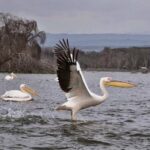
A small practical note: Lake Naivasha is about wildlife on and around the water, so expect more birds and shoreline action than the classic big cat drama. Still, it’s a strong contrast day, and it helps you pace the whole safari.
Maasai Mara: luxury lodge time inside the reserve
Masai Mara is where most people start planning their dream safari story. You’re staying at Masai Mara Serena Lodge located inside Masai Mara National Reserve, which is a big deal for two reasons: you lose less daylight to driving, and you can return for dinner without burning hours commuting.
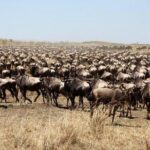
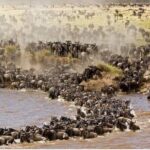
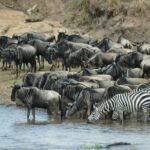
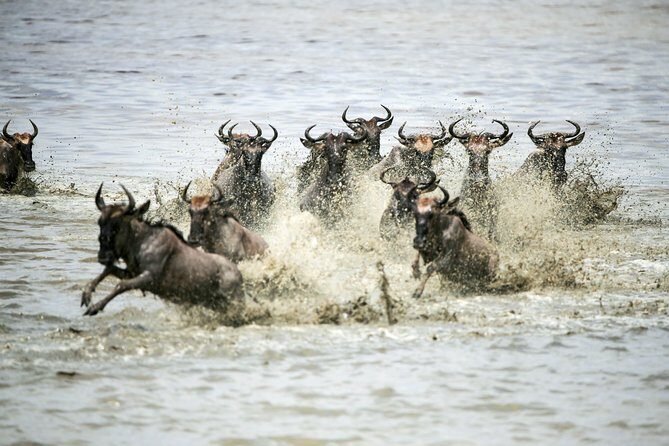
Drive days are structured in blocks. You’ll do afternoon game drives toward sunset, then another full day that focuses on the wildebeest migration theme with guidance on likely spots for river crossings and predators. The lodge stays the base, so when the light changes, you’re in position to hunt the action before it slips away.
Here’s what I’d watch for as a practical traveler: migration-focused days can mean you’re chasing movement and animal concentration, which changes where you’ll spend time. That’s part of the thrill, but it also means you shouldn’t plan on any guaranteed sighting—your guide’s job is to put you in the right places as the animals move.
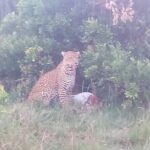
You also get repeat opportunities. Rather than one long drive and done, you have multiple days in the Mara, with morning and evening game drives. That repetition is what increases your odds of seeing different behaviors—cats stalking at one moment, herbivores moving in another, and sometimes the river-crossing drama when timing is right.
Crossing into Tanzania: the Isebania/Serare border stop
Day 6 shifts you from Kenya to Tanzania via the Isebania/Serare area. This is not just a border-crossing checkbox—it’s built into the safari rhythm with a visa registration stop and an exchange of vehicle/driver arrangement. The Kenya guide phase ends here, and you meet the Tanzanian guide team for the next stretch.
Before you settle into Serengeti lodge time, you also get an en-route game drive as you enter Serengeti National Park. That’s valuable because it means the wildlife doesn’t start only after you unpack. You arrive for dinner and overnight stay, rather than arriving and waiting.
Border day timing can vary. Even when everything runs smoothly, formalities take time. If you’re the type who hates uncertainty, this is one day you should mentally treat as flexible.
A few more Nairobi tours and experiences worth a look

Serengeti: long game-drive days plus a sundowner-style evening
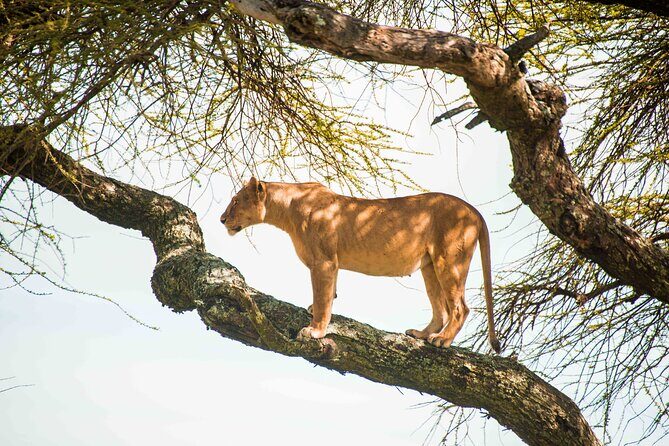
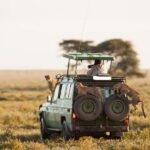
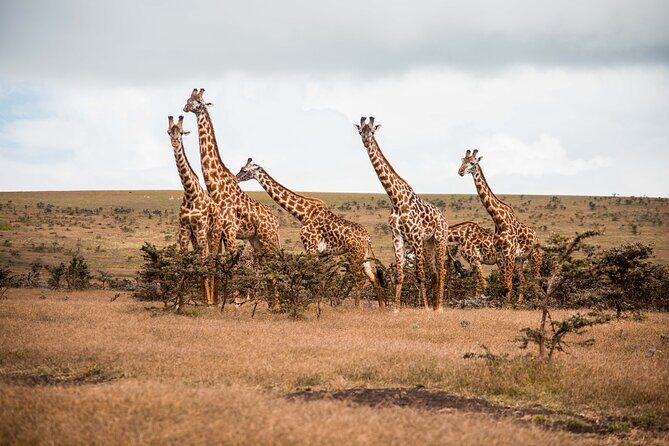
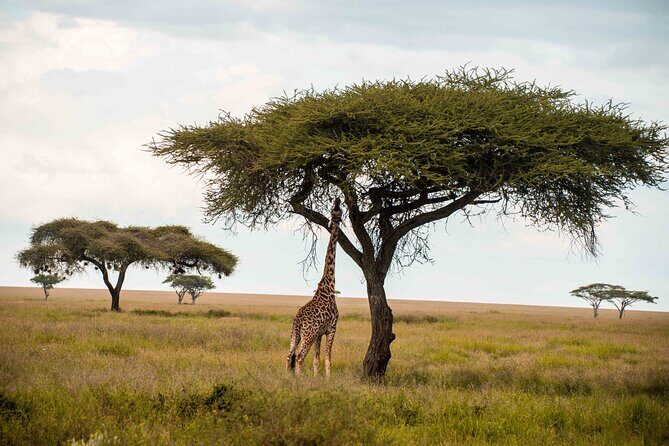
Serengeti National Park is treated as a multi-day home base, with Serengeti Serena Lodge located inside Serengeti National Park. Again, that inside-the-park lodging helps you maximize daylight. It also means you can do packed breakfasts and lunches during drives instead of rushing back for meals.
You’ll spend Day 7 on morning and afternoon game drives, with packed meals and a return to camp for dinner and rest. Then Day 8 continues with similar pacing, including an evening game drive with a sundowner-style moment. That’s the classic safari feeling: the animals change behavior as temperatures drop, and your driver positions the vehicle to make the most of the last light.
One realistic consideration: three straight Serengeti days of game drives (counting the transition day’s en-route time) can make your body feel it. You don’t need extreme fitness, but you do need to tolerate long hours, dust in the air, and the stop-and-go nature of wildlife spotting. If you’re prone to motion discomfort, plan accordingly and keep water on hand—drinking water is included, but you’ll still want to sip often.
Ngorongoro Crater: crater-floor drive and rim-lodge convenience
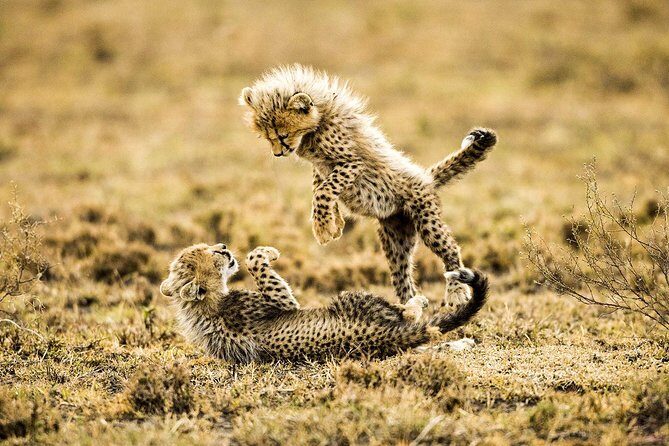
Ngorongoro is one of those places you can’t quite replicate elsewhere. The route gives you a crater-floor game drive and includes lunch served on the crater floor. After that, you head back to a lodge on the crater rim—Ngorongoro Serena Lodge—for dinner and overnight.
This is the kind of setup you appreciate when you’re actually there. Staying on the rim means you’re not trapped far from the action at the end of the day. You also avoid the whiplash of multiple long drives around the crater when you’d rather be focused on the wildlife.
Crater days can also feel more intense in terms of viewpoint variety. You’re going from rim to floor and back, which changes everything—from sight lines to how animals behave in open ground. Your driver’s job is positioning, and the rim lodging makes it easier to react when animals appear.
Amboseli: elephants, big skies, and your last safari nights
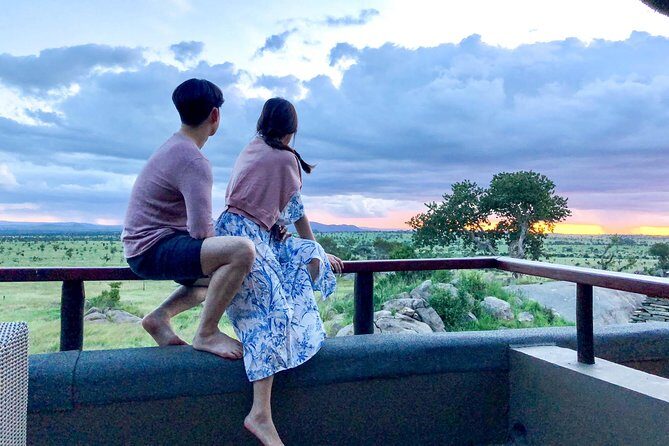
Amboseli National Park is your finishing chapter in Kenya. The itinerary drives from the Arusha region area toward Amboseli, arriving for an afternoon game drive. You’ll stay at Amboseli Serena Lodge located inside Amboseli National Park, so your last two game-drive days start from a convenient base.
Day 11 continues with a morning game drive and then an evening drive toward African sunset. That end-of-trip pacing is smart. After a lot of dense wildlife focus earlier in the safari, Amboseli can feel like a cleaner, more open counterpoint—especially for elephant viewing and classic savanna behavior.
On the final day (Day 12), you’ll do a morning game drive if time permits, then lunch and transfer back to Nairobi for your onward journey. Dinner is not included on that final day, so if you’re flying late, you might want to budget for a meal on your own.
Support, guides, and how the trip stays smooth in real life
Luxury safari success is often less about the brochure and more about how well the plan handles reality: late arrivals, timing changes, and the small stuff. In the feedback included with this operator, names like Jackson Solomon show up in planning and responsiveness, and Maliwaza is described as efficient and prompt during coordination. Other guide and team names mentioned include Michael, Gideon, Said, Q, Vincent, and Ismael/Ismail, with an emphasis on professionalism and care.
Even if the exact staff varies by departure date, the pattern is clear: this safari is sold as a guided experience with attention to details. That matters on safari because your guide is the difference between seeing an animal and understanding what you’re seeing—what behaviors matter, where to look, and when to move.
If you want that kind of guidance, be ready with your must-see list early. This style of safari works best when you communicate preferences up front, because game drives and pacing respond to your priorities.
Small planning tips that make a big difference
A few practical habits will help you enjoy every day of this cross-border route.
- Pack for heat and dust. Even with luxury lodges, safari days involve dry air, sunlight, and vehicle dust.
- Bring a light layer for early mornings and late evenings. Game drives toward sunset and sunrise can feel cooler than you expect.
- Do your visa work early. The tour notes that you must confirm and obtain visa requirements before border crossing, and visa fees are not included.
- Keep an eye on what’s included in drinks. Drinking water is provided on all days, but other drinks are not.
Also, this is listed as private, meaning only your group participates. That can be a real quality-of-life upgrade because it reduces waiting and makes it easier to adjust your pace.
Who should book this luxury Kenya and Tanzania safari
This trip is a strong fit if you want a classic East Africa big-park route without stress. You get multiple days each in Maasai Mara and Serengeti, plus crater and elephant time, with luxury lodges inside the main reserves.
It’s especially good for couples, first-time safari travelers, and anyone who values guided interpretation. The itinerary’s focus on migration, river-crossing themes, and predator-spotting during Mara time means you’ll spend your days chasing the most storybook safari moments—with a guide helping you read the scene.
It might not be your best match if you hate long drive days or prefer very slow travel. This is a full-on safari plan, and you’ll spend a lot of time in vehicles, especially on the move between regions and across the border.
One more note before you commit: the experience is listed as non-refundable and cannot be changed for any reason. If your dates are not firm, you’ll want to think carefully.
Should you book this 12-day Best of Kenya and Tanzania safari?
If your priority is a luxury, guided route that hits Maasai Mara, Serengeti, Ngorongoro, and Amboseli with lodging inside the reserves, then yes, this is a book-worthy style of trip. The value is strongest because park fees, activities, transfers, and most meals are handled, so your budget stays predictable once you arrive.
I’d say book it if you’re comfortable with long days, you want wildlife-focused days rather than sightseeing cities, and you’ll handle your own visa prep. I’d hesitate if you need flexible dates, dislike border-day uncertainty, or want meals and drinks fully covered beyond what’s listed.